Why Does My Dog Have Dandruff? Causes and Effective Treatments
Wondering why does my dog have dandruff? Discover the common causes of dog dandruff and learn effective treatments to keep your dog's skin healthy.

Veterinarian

Veterinarian · BVMS, MRCVS

This pet health content, addressing the question "Why does my dog have dandruff?", was reviewed for accuracy by a veterinarian, Dr. Pippa Elliott, BVMS, MRCVS. This article was originally published in 2012 and is regularly updated. It was last reviewed for accuracy and updated on August 30, 2024
If you have questions or concerns, call your vet, who is best equipped to ensure the health and well-being of your pet. This article is for informational purposes only and is not a substitute for professional medical advice, diagnosis or treatment. See additional information.

Sign up for expert-backed reviews and safety alerts all in one place.
Why Does My Dog Have Dandruff?
Dogs, just like people, can get dandruff — an annoying, unsightly skin condition that leaves many pet owners asking, "Why does my dog have dandruff?"
Dandruff is characterized by dry, flaky skin, made up of dead skin cells that fall from the skin, appearing as white flakes. It's important to note that dandruff is not normal and should be addressed.
To help manage your dog's dandruff, consider the following steps:
- Daily brushing: Regular brushing helps distribute natural oils across your dog's coat, reducing dandruff.
- Balanced diet: Ensure your dog is eating a well-balanced diet that supports healthy skin.
- Dietary supplements: Omega-3 and omega-6 fatty acids can be beneficial in improving your dog's skin condition.

 Sponsored
Want a vet's take on your dog's skin or coat?
Talk to a licensed vet at Dutch over video, often the same day. They can recommend treatment and prescribe it when it's appropriate.
Use code Pets30
Plans start at $11/month · covers up to 5 pets
- Licensed vets in most states
- Rx for 150+ conditions
- 4.7 on Trustpilot
Possible Causes of Dog Dandruff
As with humans, dandruff can result from various factors in your dog’s health. If you're wondering, "Why does my dog have dandruff?" here are a few possibilities:
Seborrhea
Seborrhea is a medical condition where baby skin cells travel to the surface too quickly. The "glue" holding these cells together is weak, causing them to flake away as dandruff. Dogs with seborrhea may also have greasy skin due to overactive grease glands. While the exact cause is unknown, certain breeds are more prone to seborrhea, which suggests a genetic link. Breeds most often affected include: West Highland White Terrier American Cocker Spaniel Doberman Pinscher English Springer Spaniel
Cheyletiella Mites
Also referred to as “walking dandruff,” cheyletiella mites make themselves comfortable in a dog’s skin and coat while they lay eggs. These white mites are large enough to see with the naked eye and have the appearance of skin flakes. They make life miserable for your dog because they cause excessive itchiness.
Bacterial and Fungal Skin Infections
Infections create a vicious cycle where they drag down the skin’s ability to protect itself. Most commonly, this causes hot spots or greasy patches, but in some cases, it can cause flakiness and dandruff.
Low Humidity
If you live in an especially dry area or keep the heating high, the air in your home might be stripping your dog’s skin of moisture. This can lead to:
- Frequent scratching: Your dog may scratch more often, which can worsen existing skin conditions.
- Dry skin: Naturally less supple, making it prone to flakiness and itchiness.
Environmental Factors Contributing to Dog Dandruff
If you're still wondering, "Why does my dog have dandruff?" consider the environmental factors that may be contributing to your dog's skin condition:
- Seasonal Changes: Cold weather and indoor heating can dry out your dog’s skin, leading to dandruff.
- Allergens: Pollen, dust mites, and mold in the environment can trigger allergic reactions that result in dandruff.
- Poor Air Quality: Pollutants and chemicals in the air can irritate your dog’s skin, causing it to flake.
Addressing these environmental factors can help reduce your dog’s dandruff.
Poor Diet
If your dog isn’t getting enough essential nutrients from their food, it can lead to skin and coat problems. Key issues include:
- Poor coat condition: Without proper nutrition, the skin becomes "sick," leading to dandruff and other issues.
- Dehydration: Insufficient water intake can lead to dry, flaky skin.
- Nutrient deficiencies: A lack of vitamins, minerals, and fats can result in dull hair and dandruff.
The Role of Hydration in Preventing Dog Dandruff
Hydration plays a crucial role in maintaining healthy skin, and it might answer the question, "Why does my dog have dandruff?" If your dog isn't drinking enough water, their skin can become dry and flaky, leading to dandruff. Here’s how to ensure your dog stays hydrated:
- Provide Fresh Water: Always have fresh, clean water available for your dog, and consider placing multiple water dishes around your home.
- Wet Food Options: Incorporate wet dog food into your dog’s diet to increase their water intake.
- Monitor Water Intake: Pay attention to how much water your dog is drinking, especially during hot weather or after exercise.
Proper hydration is key to preventing dandruff and maintaining overall skin health.
Health Conditions
Certain health conditions can lead to dandruff and skin scaling in dogs. These include:
- Pemphigus: This autoimmune condition can lead to severe skin scaling and dandruff.
- Hypothyroidism: An under-active thyroid gland can cause a range of skin issues, including dandruff.

 Sponsored
Vet care that's always there
Unlimited video calls and messaging with licensed vets for less than a typical vet visit. One membership covers up to five pets.
Use code Pets30
Plans start at $11/month · covers up to 5 pets
- Licensed vets in most states
- Rx for 150+ conditions
- 4.7 on Trustpilot
Understanding the Different Types of Dog Dandruff
When asking, "Why does my dog have dandruff?" it's important to understand that not all dandruff is the same. There are different types of dandruff that can affect your dog:
- Dry Dandruff: This occurs when the skin is dry, leading to flaky, white dandruff. It’s often associated with environmental factors like low humidity.
- Oily Dandruff: Also known as seborrhea, this type of dandruff is accompanied by greasy, yellow flakes due to overactive oil glands.
- Walking Dandruff: Caused by cheyletiella mites, this type of dandruff is characterized by visible white flakes that move, indicating the presence of mites.
Understanding the type of dandruff your dog has can help in choosing the most effective treatment.
How to Treat Dog Dandruff (4 Simple Ways)
Managing your dog's dandruff can be straightforward with these simple methods:
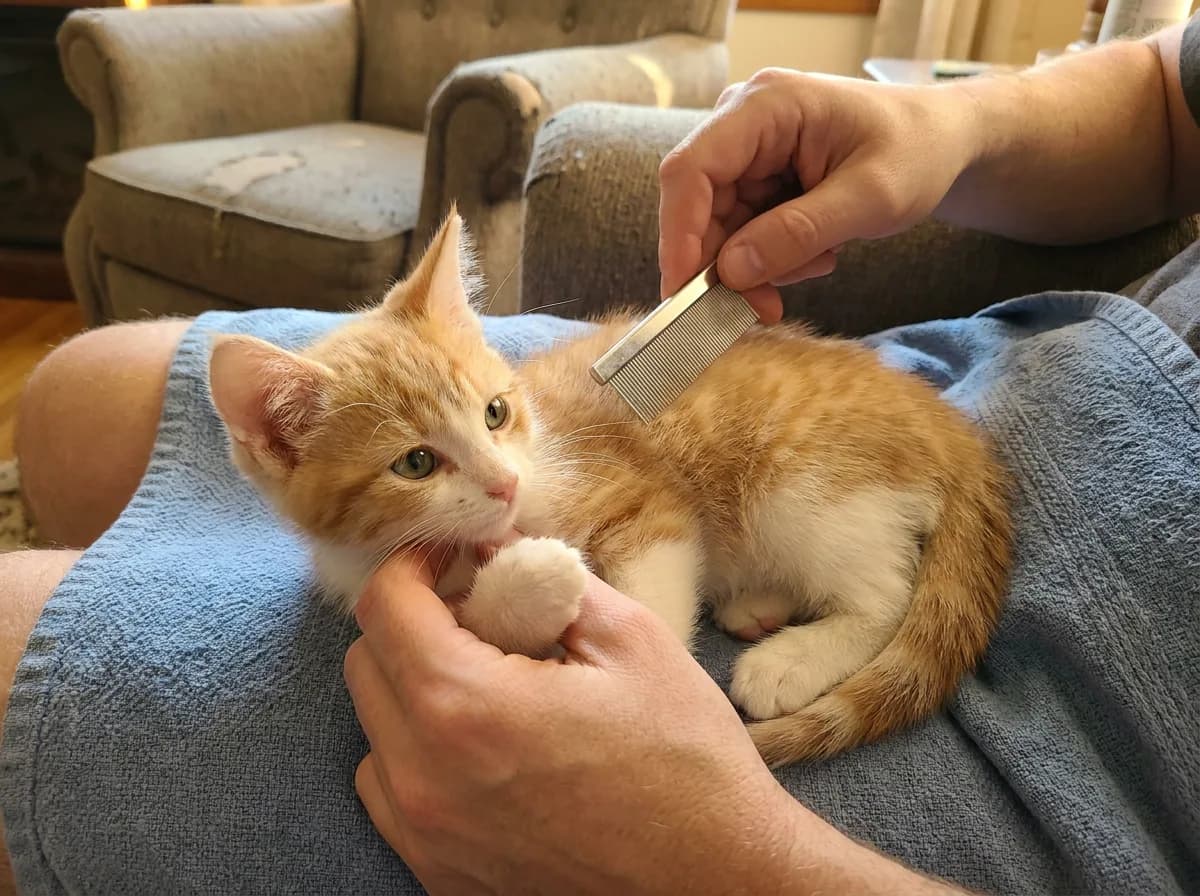
- Brushing: Treat your dog to a good brushing session once a day. This helps distribute the natural oils from the coat and stimulates blood supply to the skin, promoting oil production.
- Improve the diet: Switch to high-quality pet food and consider investing in a good nutritional supplement. Especially helpful is an omega-3 and omega-6 fatty acid supplement. Aim to give at least 35 mg of omega-3 for each kg of body weight. Also, place several water dishes throughout the house so your dog always has access to fresh water.
- Specialized shampoo: Certain pet shampoos are designed to re-moisturize the skin and relieve flakiness and irritation caused by dandruff. Keep in mind that a dandruff shampoo designed for humans will be too harsh for your dog, so using Head & Shoulders is a bad idea. Look for a soap-free, natural shampoo that's made in the USA.
- See your veterinarian: Your vet can properly diagnose your dog and advise on treatment and prevention. Remember, dandruff could be a clue your pet has an infection and needs medical management, so don’t ignore this important sign.
When to Seek Professional Help for Dog Dandruff
If you’ve tried home treatments and still find yourself asking, "Why does my dog have dandruff?" it may be time to seek professional help. Here are some signs that it’s time to consult your veterinarian:
- Persistent Dandruff: If dandruff persists despite treatment, it could indicate an underlying health issue.
- Severe Itching: Excessive scratching or biting at the skin may require professional attention.
- Visible Skin Lesions: Red, inflamed, or infected areas of skin should be evaluated by a vet.
Your veterinarian can provide a proper diagnosis and recommend targeted treatments to address your dog’s dandruff.
Final Thoughts
If you’re still asking yourself, "Why does my dog have dandruff?" it’s important to recognize that while dandruff might seem like a minor issue, it can be a sign of underlying health problems. To help keep your dog’s skin healthy, consider these key points:
- Understand the causes: Dandruff can result from various factors such as diet, hydration, environmental conditions, or underlying health issues.
- Take proactive steps: Regular brushing, proper nutrition, and using specialized shampoos can significantly reduce dandruff.
- Consult your vet: If home remedies don’t work or if dandruff persists, seek professional veterinary advice to address potential underlying conditions.
- Tailor your approach: Every dog is unique, so what works for one may not work for another. A personalized plan is essential for effectively managing dandruff.
- Prioritize skin health: Keeping your dog’s skin healthy is crucial for their overall well-being. Regular check-ups and preventive care can help maintain a flake-free coat.
With the right care and attention, you can ensure your furry friend stays healthy, happy, and free from dandruff.
Frequently Asked Questions (FAQ)
Your dog may have dandruff due to dry skin, poor diet, or underlying health conditions like seborrhea or hypothyroidism.
Excessive dandruff in your dog could be caused by severe dry skin, a skin infection, or an infestation of cheyletiella mites.
Dandruff after a bath may result from using a shampoo that's too harsh, drying out your dog's skin, or inadequate rinsing, leaving residue that irritates the skin.
References
- “Dandruff in Dogs: Causes, Symptoms, and Treatment Options.” PetMD. https://www.petmd.com/dog/symptoms/dandruff-dogs
- “Dog Dandruff: What Causes It and How to Treat It.” Purina. https://www.purina.com/articles/dog/health/skin-fur-ears/dog-dandruff
- “How to Get Rid of Dandruff in Dogs: Causes & Treatment.” Veterinary Referral Associates. https://www.vravet.com/site/blog/2023/01/15/how-to-get-rid-of-dandruff-in-dogs-causes--treatment
Veterinarian
Over the past 10 years, the Petful® veterinary team of writers has included a number of experts, such as veterinarians Dr. Pippa Elliott, BVMS, MRCVS; Dr. Debora Lichtenberg, VMD; Dr. Phil Zeltzman, DVM, DACVS, CVJJ; and Dr. Judy Morgan, DVM, CVA, CVCP, CVFT; among others. Providing accurate, trustworthy information is our utmost concern, so all of our pet health content is regularly reviewed, updated and edited by veterinary professionals. Learn more about Petful.
Veterinarian · BVMS, MRCVS
Dr. Pippa Elliott, BVMS, MRCVS, is a veterinarian with nearly 30 years of experience in companion animal practice. Dr. Elliott earned her Bachelor of Veterinary Medicine and Surgery from the University of Glasgow. She was also designated a Member of the Royal College of Veterinary Surgeons. Married with 2 grown-up kids, Dr. Elliott has a naughty Puggle named Poggle, 3 cats and a bearded dragon.
Sign up for expert-backed reviews and safety alerts all in one place.