Understanding the Risks of Tick Collar Use: Amitraz Poisoning in Pets
Learn about the potential dangers of tick collar use, including Amitraz poisoning symptoms, treatment options, and how to keep your pets safe.

BVMS, MRCVS


This pet health content was written by a veterinarian, Dr. Pippa Elliott, BVMS, MRCVS. It was last reviewed on August 21, 2024

Sign up for expert-backed reviews and safety alerts all in one place.
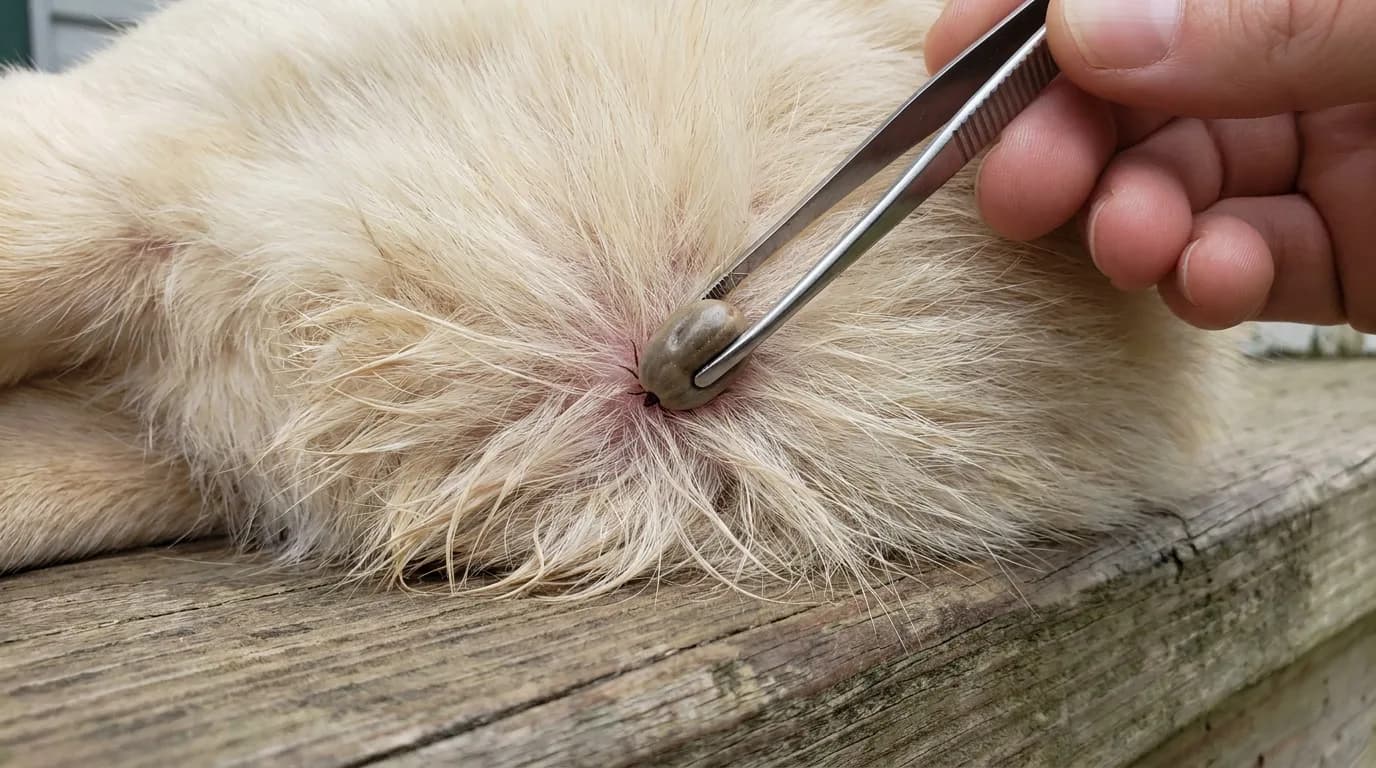
The Health Risks Ticks Pose to Your Dog
Ticks are parasites that carry diseases, making them a serious health risk to any dog. Learn more about the serious health risk ticks pose.
The Importance of Proper Tick Collar Use
When protecting your dog against ticks, it’s essential to be cautious because:
- Some products, like tick collars, can be toxic if used incorrectly.
- Improper use can potentially make your dog ill.
Understanding the Dangers of Amitraz in Tick Collars
Many anti-tick products, such as: Collars Shampoos Dips
contain amitraz, a chemical designed for use on the dog’s coat or skin. However, if a dog accidentally licks or ingests amitraz, they may become ill.
While products containing amitraz, like Preventic, are safe when used correctly, if your dog chews on their tick collar, seek prompt veterinary advice. Small and elderly dogs are particularly sensitive to the toxic effects.
Symptoms of Tick Collar Poisoning
If a dog swallows a tick collar, symptoms of amitraz poisoning typically appear within 2 to 6 hours. Amitraz affects most body systems, including: The gut The heart The respiratory system The brain
Common Symptoms of Amitraz Poisoning
Symptoms to watch for include: Dilated pupils Heavy salivation Sickness Diarrhea A dull mental state or sedation
As the heart rate drops and blood pressure falls, a dog’s vital signs are impaired. If a significant amount of amitraz is ingested and the dog is not treated promptly, seizures may occur, leading to heart and respiratory failure, which can be fatal.
Be careful with treatments for cats, too. This video shows the side effects cats can have from amitraz (the cat recovered fully):
Long-Term Effects of Amitraz Poisoning
While prompt treatment of amitraz poisoning often leads to recovery, there can be long-term effects, particularly in severe cases. Dogs that have experienced significant neurological symptoms may have lingering issues, such as: Persistent lethargy or weakness
- Ongoing gastrointestinal problems, such as irregular bowel movements
- Potential for chronic heart issues if the cardiovascular system was heavily impacted
It’s essential to monitor your dog closely after recovery from tick collar poisoning and consult your veterinarian if any unusual symptoms persist. Early detection and management of these long-term effects can improve your dog's quality of life.
Causes of Tick Collar Poisoning
Amitraz is intended for external use only, not ingestion. When a dog swallows a tick collar containing amitraz, the chemical is absorbed through the stomach lining and enters the bloodstream. Once in the bloodstream, it:
- Affects the central nervous system, disrupting messages throughout the body.
- Causes a drop in heart rate and blood pressure, leading to hypothermia as the dog loses body heat.
The disruption to the nervous system also impacts the gastrointestinal system. Amitraz removes nerve stimulation from the gut, causing it to "shut down." This can result in: Sickness and diarrhea A buildup of gas, leading to bloating
Additionally, amitraz inhibits insulin release, which can cause the dog's blood sugar levels to rise, sometimes reaching toxic levels.
Diagnosing Amitraz Poisoning
Diagnosing amitraz poisoning typically involves considering the dog's recent history, clinical signs, and, if necessary, additional testing.
- History: If the dog was recently exposed to amitraz, such as through a bath or by wearing a tick collar, and starts showing symptoms like dilated pupils and heavy salivation, this can strongly indicate poisoning.
- Clinical Signs: Symptoms like dilated pupils, heavy salivation, and other signs of distress are often enough to begin treatment without delay.
- Testing: While a blood test can measure amitraz levels, it's rarely used due to the urgency of treatment. However, if a dog has swallowed a tick collar, radiographs (X-rays) may be taken to determine if the collar is still in the stomach, which can affect the treatment approach.

Treatment for Tick Collar Poisoning
If your dog has been exposed to amitraz, prompt treatment is crucial. Here’s what you should know:
- Initial Steps: To reduce further exposure, wash the dog with warm, soapy water to remove any lingering residue.
- If the Dog Ate the Collar:
- Gut Decontamination: After ingestion, active charcoal can be given orally every 4 hours to absorb any remaining amitraz in the gut.
- Neurological Effects: Your veterinarian may administer drugs like yohimbine or atipamezole to counteract the neurological effects of amitraz.
- Supportive Care:
Prompt treatment typically leads to recovery, but dogs presenting with severe clinical signs may have a more challenging recovery.
Prevention Tips for Tick Collar Use
To prevent amitraz poisoning, follow these guidelines:
- Trim the Tick Collar: Always trim away any excess length of the collar to prevent the dog from chewing it.
- Follow Directions: When using an amitraz wash or shampoo, closely follow the dilution and application instructions.
- Prevent Ingestion: Never let the dog lick its wet coat or drink the rinse water after using amitraz-containing products.
Alternative Tick Prevention Methods
If you’re concerned about the risks associated with tick collars, several alternative tick prevention methods are available. These include:
- Oral Medications: Given monthly, these medications are a convenient way to protect your dog without the risk of ingestion that comes with a tick collar.
- Topical Treatments: Applied directly to the skin, these treatments kill ticks on contact and can be a safer option for dogs sensitive to tick collars.
- Natural Repellents: Essential oil-based sprays and shampoos can be effective, though they may need more frequent application.
Consult your veterinarian to determine the best alternative for your dog, considering factors like lifestyle, exposure risk, and any pre-existing health conditions.
How to Safely Dispose of Tick Collars
Proper disposal of used or damaged tick collars is crucial to prevent accidental exposure to amitraz. Here’s how to do it safely:
- Seal and Dispose: Place the used tick collar in a sealed plastic bag before disposing of it in the trash. This prevents any residual amitraz from coming into contact with other animals or people.
- Avoid Environmental Contamination: Never flush tick collars down the toilet or dispose of them in areas where wildlife might come into contact with them.
- Check Local Regulations: Some areas have specific disposal guidelines for hazardous materials like amitraz. Check with your local waste management facility for proper disposal methods.
By following these steps, you can minimize the risk of amitraz exposure to others.
Recognizing and Responding to Allergic Reactions from Tick Collars
Although tick collars are generally safe when used correctly, some dogs may experience allergic reactions. Symptoms of an allergic reaction to a tick collar include: Redness or irritation around the neck
- Persistent scratching or discomfort in the collar area
- Hair loss or sores under the collar
If you notice any of these symptoms, remove the tick collar immediately and wash the area with mild soap and water. Consult your veterinarian for advice on how to proceed, which may include using alternative tick prevention methods or treating the allergic reaction.
Frequently Asked Questions (FAQ)
The best flea and tick collar for dogs varies by individual needs, but popular options include Seresto and Bayer K9 Advantix II, known for their effectiveness and long-lasting protection.
A tick collar works by releasing active ingredients that repel and kill ticks, providing continuous protection as the ingredients spread over the dog's skin and coat.
A flea and tick collar typically begins to work within 24 hours of application, with full effectiveness reached within a few days.
References
- Handbook of Small Animal Toxicology and Poisonings. Gfeller & Messonnier. Publisher: Mosby
- “Insecticides and molluscicides.” Gwaltney-Brant. Clinical Veterinary Toxicology. Publisher: Mosby.
- "Common Eye Problems Caused by Tick Collar Use." PetMD. https://www.petmd.com/dog/general-health/evr_dg_eye_problems_in_dogs
- "Long-Term Effects of Amitraz Poisoning." ASPCA Pet Insurance. https://www.aspcapetinsurance.com/resources/top-eye-problems-for-dogs/
- "Alternative Tick Prevention Methods." Veterinary Vision Center. https://veterinaryvisioncenter.com/8-common-eye-conditions-in-dogs/
- "How to Safely Dispose of Tick Collars." PetHub. https://www.pethub.com/articles/70424/getting-my-pet-s-medical-records
- "Recognizing and Responding to Allergic Reactions from Tick Collars." ManyPets. https://manypets.com/us/blog/pet-medical-records
BVMS, MRCVS
Dr. Pippa Elliott, BVMS, MRCVS, is a veterinarian with nearly 30 years of experience in companion animal practice. Dr. Elliott earned her Bachelor of Veterinary Medicine and Surgery from the University of Glasgow. She was also designated a Member of the Royal College of Veterinary Surgeons. Married with 2 grown-up kids, Dr. Elliott has a naughty Puggle named Poggle, 3 cats and a bearded dragon.
Sign up for expert-backed reviews and safety alerts all in one place.