5 Indispensable Tips on Caring for a Sick Pet
It's tough, but your tender loving care can make all the difference to your ailing furbaby.

BVMS, MRCVS

This pet health content was written by a veterinarian, Dr. Pippa Elliott, BVMS, MRCVS. It was last reviewed on August 8, 2024

Sign up for expert-backed reviews and safety alerts all in one place.
The Challenges of Caring for a Sick Pet
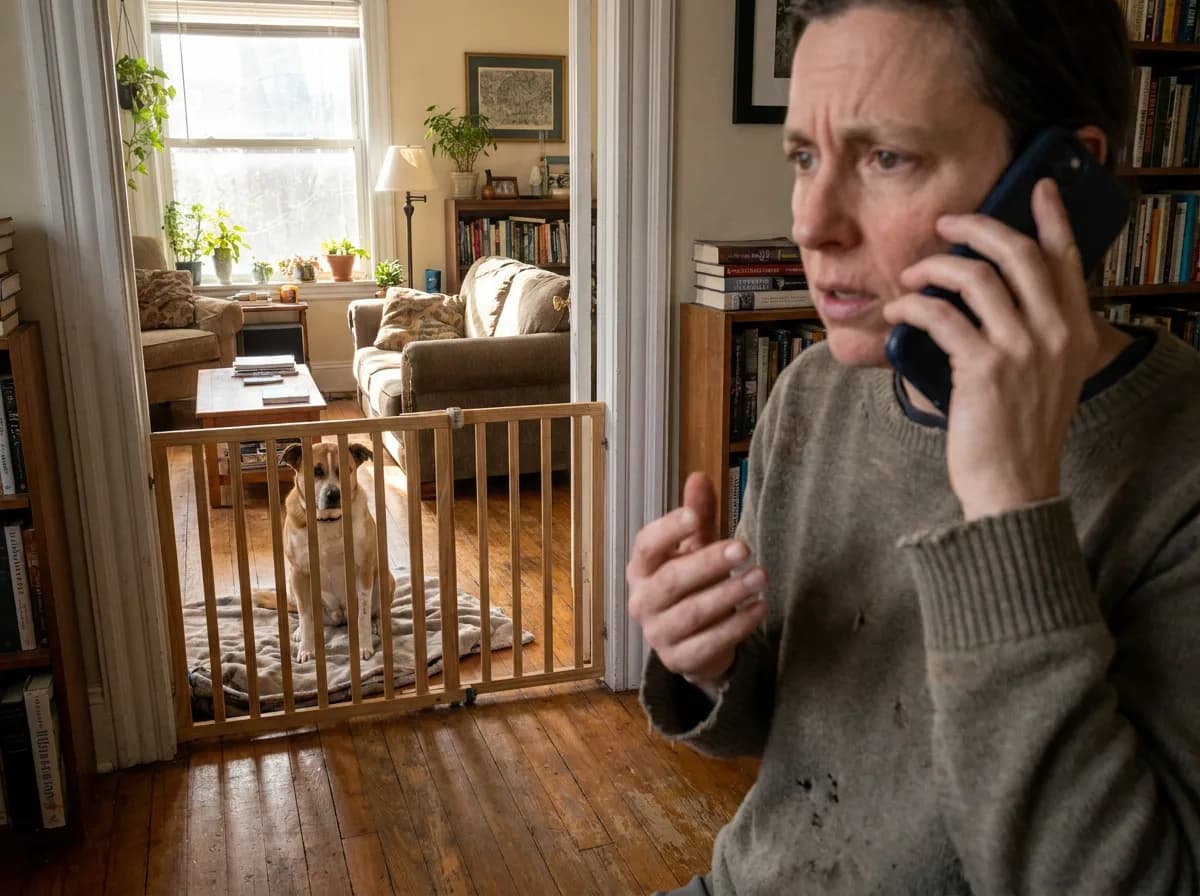
Caring deeply for a pet means feeling their pain when they are unwell or unable to enjoy their usual activities. It’s natural to feel helpless, but your care can make all the difference.
One example of the challenges in caring for a sick pet is a recent case involving a cat with a stomach upset. Despite being treated with antibiotics and bland food, the cat remained ill. The owner had added curry sauce to the bland diet to encourage eating, which worsened the condition. Once the curry sauce was removed, the cat's health improved.
Tips for Caring for a Sick Pet
- Follow Veterinary Advice: Always follow the vet's instructions regarding medication and diet.
- Monitor Symptoms: Keep a close eye on any changes in your pet’s condition.
- Avoid Home Remedies: Stick to the prescribed treatment and avoid adding any unapproved ingredients to their food.
- Provide Comfort: Ensure your pet has a comfortable and quiet place to rest.
By balancing anecdotes with actionable tips, you can provide both relatable stories and valuable information to your readers.

 Sponsored
Have a health question about your pet?
Talk to a licensed vet at Dutch over video or message, including nights and weekends.
Use code Pets30
Plans start at $11/month · covers up to 5 pets
- Licensed vets in most states
- Rx for 150+ conditions
- 4.7 on Trustpilot
Keep Them Clean
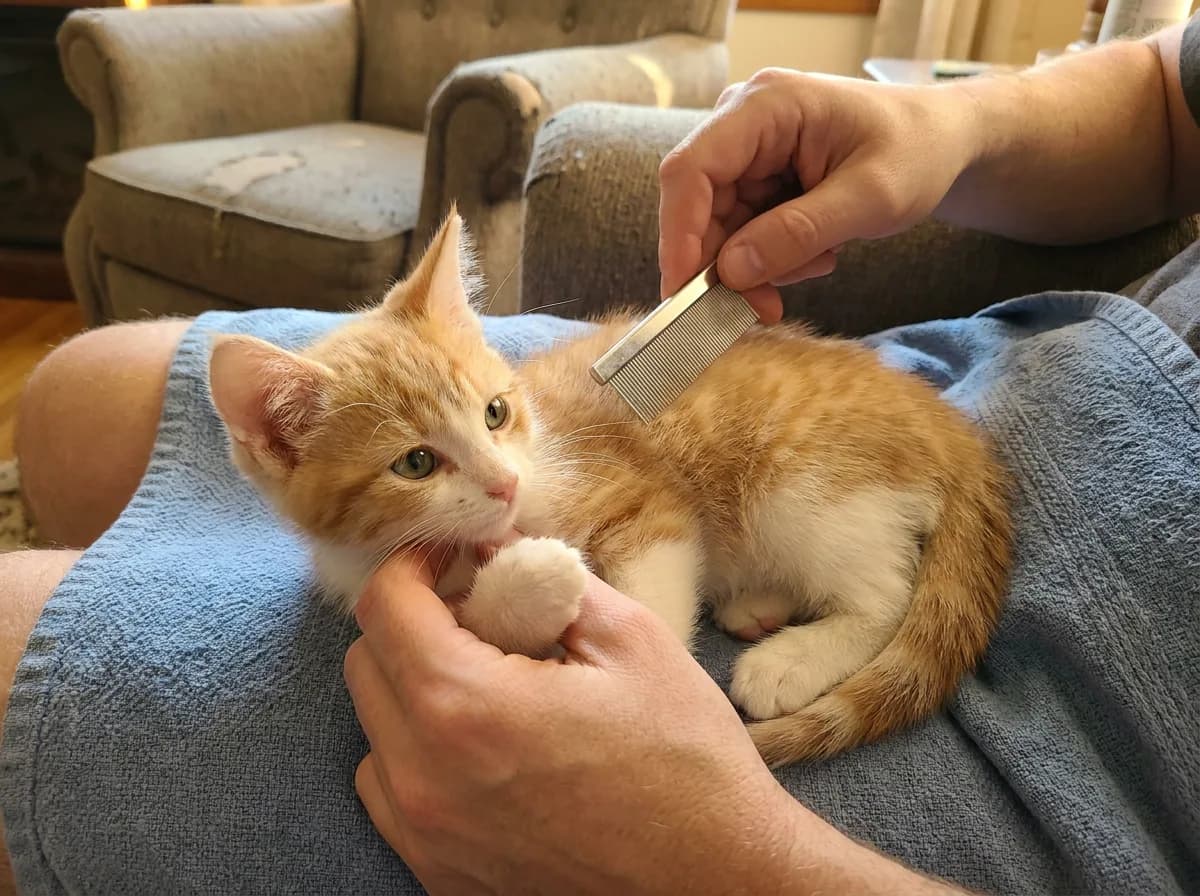
A sick pet often lacks the energy to groom. Give a helping paw with a gentle daily brush and use damp cotton balls to clean their eyes, mouth, and ears. Sick cats, in particular, enjoy a cotton-ball blanket bath – it’s like being licked by another cat. Pay careful attention to toileting needs:
- For bed-bound pets, provide bedding that wicks urine away from the skin, such as Vetbed or puppy pads.
- Gently sponge-bath their rear to keep it free from urine, then pat them dry. If the pet is leaking urine, apply a barrier layer of Sudocrem or Vaseline over their delicate parts.
- If the pet has bladder control but finds it difficult to walk, provide an indoor toilet. This could be as simple as a puppy pad by the back door or a litter tray near their bed. This maintains their dignity (they don’t soil themselves) and minimizes the cleanup for you.
Never punish a sick pet for having an accident in the house. The pet is already distressed about not making it outside, so don’t add to their burden. Simply pop the pet in a safe place while you clean up the mess. Never punish a sick pet for having an accident.
Tips for Keeping Your Sick Pet Clean
- Daily Grooming: Use a gentle brush and damp cotton balls to clean their eyes, mouth, and ears.
- Indoor Toilet: Provide an indoor toilet for pets with bladder control issues.
- Comfortable Bedding: Ensure bedding wicks urine away from the skin.
- Regular Cleaning: Sponge-bath and pat dry their rear to keep it clean.
Incorporating these steps in caring for a sick pet can significantly improve their comfort and well-being.
Provide Beneficial Bedding for a Sick Pet
Any animal who doesn’t move is at risk of bed sores or worse. To prevent complications, such as hypostatic pneumonia, follow these tips:
- Change Position Regularly: Change the side they lay on at least once an hour to prevent blood pooling in the lungs.
- Use Vetbed: Vetbed cushions the joints and keeps moisture away from the skin. It is an excellent choice for sick pets.
- Layer Bedding: Offer deep layers of bedding, with towels on top for ease of laundering.
- Accessible Water: Put a water bowl within nose's reach. Most ailing pets don’t want to get out of bed, so providing water close by reduces the risk of dehydration.
These steps ensure your sick pet stays comfortable and hydrated, reducing the risk of further complications.

Rethink Food and Feeding
Ask your vet if there are any dos and don’ts about what the pet can eat (such as curry sauce). Then offer small portions, little and often. Here are some tricks to encourage a sick pet to eat:
- Warm the Food Slightly: Warming the food can make it more appealing.
- Offer Smelly Foods: Strong-smelling foods can entice a reluctant eater.
- Hand-Feeding: Feeding by hand can provide comfort and encouragement.
It's usually a good idea to offer a food the pet hasn’t eaten before or is unlikely to eat again (such as steak). This is because some pets develop a food aversion to a flavor offered while they're sick. It’s a bit like when you had food poisoning after eating at a seafood restaurant and now can’t bear to be in the same room as shrimp.
For the pet that refuses all foods, let the vet know. They can prescribe a recovery drink to syringe into their mouth.
 Sponsored
Vet care that's always there
Unlimited video calls and messaging with licensed vets for less than a typical vet visit. One membership covers up to five pets.
Use code Pets30
Plans start at $11/month · covers up to 5 pets
- Licensed vets in most states
- Rx for 150+ conditions
- 4.7 on Trustpilot
Tips for Feeding a Sick Pet
- Consult Your Vet: Always check with your vet for specific dietary recommendations.
- Small Portions: Offer food in small, frequent portions.
- Variety: Introduce new or less familiar foods to avoid future food aversions.
- Vet-Prescribed Solutions: Use recovery drinks prescribed by your vet if the pet refuses all food.
Balancing anecdotes with actionable tips can help make the content more relatable and informative for readers caring for a sick pet.
Caring for a Sick Pet: Attend to Their Medical Needs
Follow medication instructions precisely; 3 tablets a day means giving 1 tablet every 8 hours. This spacing is important for how the drugs work, and giving at 8 a.m., 1 p.m., and 8 p.m. is not as effective (Follow medication instructions precisely).
For the pet with a poor appetite, avoid hiding pills in food. Doing so risks destroying what little interest they have in eating. Instead, follow these steps:
- Administer Pills Directly: Learn to pop the pill straight down their throat. Syringe water afterward so it doesn’t stick in the gullet.
- Injectable Alternatives: Speak to the vet about injectable alternatives if administering pills is too difficult.
- Vet Tech Assistance: If you are struggling to administer treatment, talk to your vet tech. Many will be prepared to do a home visit for a small fee to assist you in giving meds.
Tips for Managing Medication for Your Sick Pet
- Precise Timing: Ensure medication is given at the correct intervals.
- Direct Administration: Administer pills directly to avoid reducing their appetite.
- Consult with Vet: Explore injectable options with your vet if necessary.
- Seek Help: Utilize vet tech services for assistance in medication administration.
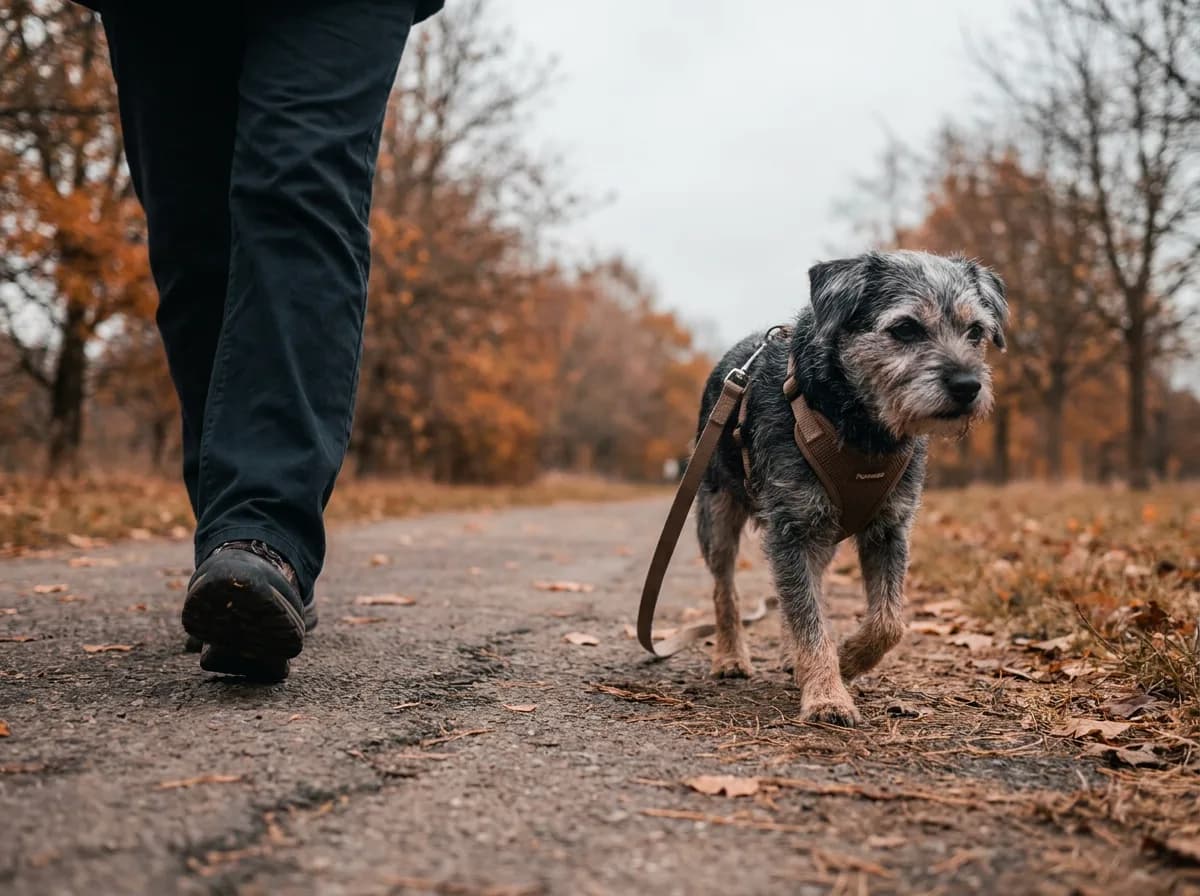
These strategies help ensure your pet receives the necessary medical care without additional stress or complications. This old dog goes everywhere with his human:
Maintain Your Pet's Quality of Life
An elderly pet or one with a terminal illness needs special care to keep life enjoyable. Be sure to spend time grooming and playing with them several times a day. Provide them with toys and chews, and play games such as hunt the treat.
- Grooming and Play: Regular grooming and interactive play sessions can significantly enhance their quality of life.
- Toys and Chews: Keep them engaged with various toys and chews.
- Outdoor Time: Where appropriate, get the pet out and about, even if this means putting an arthritic dog in a buggy and pushing them to the park.
Whether your pet is short-term sick or permanently ill, know that your tender loving care makes a real difference to their feelings of well-being. There’s no substitute for good TLC.
Tips for Enhancing Your Sick Pet’s Quality of Life
- Engage in Regular Activities: Spend quality time grooming and playing with your pet.
- Provide Stimulation: Offer toys, chews, and engaging activities to keep their spirits up.
- Facilitate Mobility: Use aids like buggies for pets with mobility issues to ensure they still enjoy outdoor experiences.
By incorporating these practices, you can help maintain a high quality of life for your sick pet, ensuring they feel loved and cared for.
Frequently Asked Questions (FAQ)
Focus on providing the best care possible and seek support from friends, family, or pet support groups.
Offer practical assistance with daily tasks, provide emotional support, and help them follow veterinary advice.
BVMS, MRCVS
Dr. Pippa Elliott, BVMS, MRCVS, is a veterinarian with nearly 30 years of experience in companion animal practice. Dr. Elliott earned her Bachelor of Veterinary Medicine and Surgery from the University of Glasgow. She was also designated a Member of the Royal College of Veterinary Surgeons. Married with 2 grown-up kids, Dr. Elliott has a naughty Puggle named Poggle, 3 cats and a bearded dragon.
Sign up for expert-backed reviews and safety alerts all in one place.