Essential Pet Tarantula Care: Tips for Beginners and Enthusiasts
Discover essential pet tarantula care tips, from choosing the right species to setting up a proper habitat, ensuring your tarantula thrives in its new home.

Veterinarian
Getting Started with Pet Tarantula Care
Getting started with pet tarantula care can be an exciting journey for any arachnid enthusiast. Tarantulas, often misunderstood due to their portrayal in movies and TV, make surprisingly calm and low-maintenance pets. This guide will walk you through:
- Choosing the right tarantula species for beginners
- Setting up the ideal environment for your new pet
- Essential care tips to ensure your tarantula thrives
Whether you're new to the world of tarantulas or looking for guidance, we’re here to help you confidently care for your new eight-legged companion.
Join us as we explore the basics of pet tarantula care and discover why these creatures make fascinating pets for first-time owners.
Key Facts About Pet Tarantulas
Getting a pet tarantula is a significant decision. These hardy and docile spiders make excellent first pets, and caring for them can be a rewarding experience. Their popularity as pets has grown steadily, drawing interest from new and experienced pet owners alike.
Here are some important things to know about tarantulas:
- Venom and Bites: While tarantulas do possess venom, they rarely bite. When they do, the venom is usually no more harmful than a bee sting.
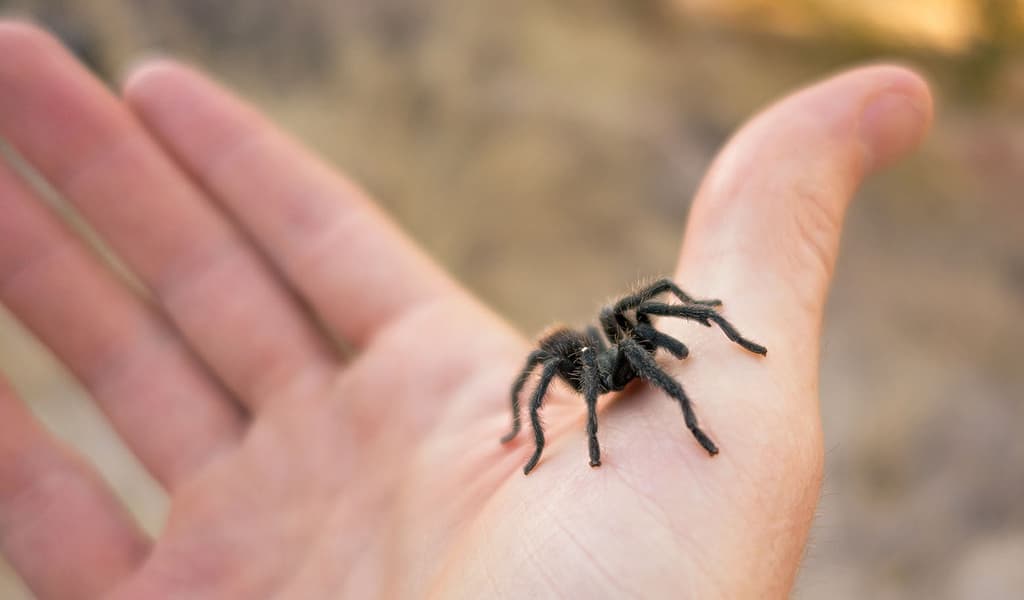
- Temperament: Despite their intimidating appearance, tarantulas are slow-moving and generally bite only if they feel threatened.
- Global Presence: With hundreds of species worldwide, tarantulas can be found in North America, Europe, Australia, Africa, southern Asia, and South America.
- Longevity: Male tarantulas typically live for 10-15 years, while females can live up to 30 years.
- Natural Habitat: In the wild, tarantulas either burrow into tunnels or create nests in trees, using their silk to craft safe homes.
These unique traits make tarantulas fascinating pets for enthusiasts of all ages.
First, watch this video to learn how to pick up a pet tarantula with your hand
Top Tarantula Species for Beginner Pet Owners
When choosing a tarantula for novices or first-time pet owners, certain species stand out for their docile nature and easy care requirements. Here are the top beginner tarantulas and why they make great pets: Chilean Rose Hair Tarantula Mexican Red Knee Tarantula Curly Hair Tarantula Antilles Pink Toe Tarantula
These species are excellent choices for anyone starting their journey in pet tarantula care.
How to Care for Your Pet Tarantula
Caring for a pet tarantula may seem overwhelming at first, but with the right approach, it’s a rewarding and manageable experience. Here are some essential do’s and don’ts of pet tarantula care to help your new pet thrive.
Feeding Your Tarantula
Tarantulas primarily eat live insects, such as: Crickets Mealworms Roaches
Feed your tarantula once or twice a week, depending on its age, size, and species. Always remove uneaten prey within 48 hours to maintain a clean enclosure.
Water Needs
Provide a shallow water dish to keep your tarantula hydrated. Make sure the dish is shallow enough to prevent drowning and refresh the water regularly to keep it clean.
Temperature and Humidity
The ideal temperature for most beginner tarantulas is between 70-85°F (21-29°C). In colder climates, you may need a heat mat to maintain the proper temperature.
Humidity levels depend on the species, so it’s important to research the specific needs of your tarantula. To maintain humidity: Mist the enclosure occasionally. Use a substrate that holds moisture well.
Molting Process
As your tarantula grows, it will molt, shedding its exoskeleton. Molting can be a stressful time, so avoid handling your tarantula during this period.
Enclosure Maintenance
To keep your tarantula healthy, maintain a clean environment by: Spot cleaning regularly to remove waste.
- Performing a thorough cleaning of the enclosure every few months.
Be gentle when cleaning to avoid stressing or injuring your tarantula.
Creating the Ideal Habitat for Your Pet Tarantula
Setting up the perfect home for your tarantula is essential for successful pet ownership. By replicating their natural environment, you can help your pet thrive. Here are some key tips for creating an ideal tarantula habitat, especially for beginners:
Choosing the Right Enclosure
Tarantulas can be housed in various enclosures, including: Glass tanks (at least 20 gallons) Acrylic enclosures Plastic containers
The size of the enclosure should be species-appropriate, providing enough space for your tarantula to move and explore.
Selecting the Best Substrate
The substrate (bedding) you choose will depend on your tarantula's specific needs. Common substrates for beginner tarantulas include: Coconut coir Peat moss A blend of these materials
Ensure the substrate depth is sufficient to allow burrowing, especially for terrestrial species.
Providing Hiding Spots and Climbing Opportunities
Tarantulas appreciate hiding spots and areas for exploration. Consider adding:
- Half-logs, cork bark, or small cave-like structures for terrestrial tarantulas
- Branches, cork tubes, or other climbing structures for arboreal species to create a vertical environment
Temperature and Lighting
- Maintain a temperature range of 70-85°F (21-29°C).
- Use a heat mat to regulate temperature, but avoid heat lamps, as they can be too harsh for tarantulas.
- Tarantulas do not need special UV lighting; ambient room light is sufficient. Avoid bright lights.
Ventilation and Airflow
Proper ventilation is crucial for maintaining a healthy environment. Ensure the enclosure has adequate airflow through mesh screens or vents to prevent mold and stagnant air.
You can buy and fill an existing structure, or build one yourself:
How to Properly Clean Your Tarantula's Habitat
Maintaining a clean habitat is essential for your tarantula’s health and longevity. Proper cleaning helps prevent mold, mites, and harmful bacteria from developing in the enclosure. Follow these steps to ensure your tarantula’s habitat stays safe and hygienic:
Spot Cleaning
Perform spot cleaning every few days or once a week. This involves: Removing uneaten prey Cleaning up waste Disposing of any moldy or decaying material
Use tongs or tweezers to handle waste and food to minimize stress on your tarantula while maintaining a safe distance.
Set a Cleaning Schedule
Schedule a thorough cleaning every few months, or as needed. During this time:
- Gently transfer your tarantula to a secure, temporary container to keep it safe.
- Clean the entire enclosure to maintain a hygienic environment.
Disinfecting the Enclosure
- Remove all substrate and decorations.
- Use a reptile-safe disinfectant to clean the enclosure.
- Rinse thoroughly with water and ensure the enclosure is completely dry before adding new substrate.
Replacing the Substrate
Add fresh substrate after deep cleaning. Make sure the new substrate matches the humidity requirements of your tarantula species. Spread it evenly, and if your tarantula is a terrestrial species, ensure the layer is deep enough for burrowing.
Reassemble the Habitat
- Place climbing structures and other decorations back into the enclosure.
- Once the habitat is reassembled and dry, carefully return your tarantula to its home.
- Monitor your tarantula for any signs of stress, such as hiding or an aggressive stance.
Handling and Interacting With Your Pet Tarantula
While tarantulas may not be as social as other pets, they can still be handled with care under the right conditions. Knowing proper handling techniques and respecting your tarantula’s limits is essential for building a positive relationship with your new pet.
Understanding Your Tarantula’s Temperament
Different tarantula species have varying tolerance levels for handling:
- Docile species: Some species, like the Chilean Rose Hair, are known for being calm and suitable for occasional handling.
- Defensive species: Other species may be more skittish or defensive, so it’s important to research the temperament of your specific tarantula.
Regardless of the species, tarantulas are delicate creatures. Sudden movements or loud noises can easily stress or startle them.
Tips for Handling Your Tarantula Safely
- Always handle your tarantula gently and avoid touching it when it seems agitated or defensive.
- Allow the tarantula to walk onto your hand instead of grabbing or lifting it.
- Keep hand movements slow and steady to prevent startling your pet.
- Handle your tarantula over a soft surface, such as a bed or carpet, to cushion any falls.
- Maintain a low height to minimize the risk of injury if your tarantula slips or jumps.
By following these guidelines, you can interact with your tarantula safely and help it feel more comfortable in your care.
What to Feed Your Pet Tarantula
Tarantulas mainly consume a variety of insects, including crickets, grasshoppers, and beetles. Fortunately, feeding your tarantula is not a frequent task, as they typically eat just once or twice a week. Larger species may consume up to six insects per week.
Feeding Tips for Tarantulas
- Offer live insects, such as crickets or beetles, as their primary food source.
- Larger tarantulas may require more food, but avoid overfeeding.
- If prey remains uneaten for 48 hours, remove it from the enclosure to maintain cleanliness.
Providing Water
- Use a shallow water dish (about ½ inch deep) and change the water regularly.
- Ensure the dish is not too deep to avoid the risk of drowning.
Monitoring Their Health
Tarantulas are excellent at self-regulating their diet, so there’s no need to worry about overfeeding. However, keep an eye on your tarantula’s abdomen. A shrinking abdomen may indicate underfeeding or dehydration. If this occurs, consult an exotics veterinarian for further guidance.

Health Issues and Potential Problems
Like any pet, tarantulas can encounter health issues and face various life challenges. As a responsible tarantula owner, it’s essential to be aware of these potential problems and know how to address them.
A few common health issues and problems that can pop up in a tarantula’s life include: Unsuccessful molting Dehydration Parasites or mites Injuries from falling or a failed molting Stress Infections
As a tarantula owner, your pet’s health should be a top priority. Luckily, by staying vigilant and acting when needed, you can keep your eight-legged friend feeling great. Whether through routine check-ups or seeking professional medical attention, your tarantula’s well-being is in your hands.

Understanding the Molting Process in Tarantulas
Molting is a crucial process for tarantulas, similar to how snakes shed their skin. As the tarantula grows, it needs a larger exoskeleton. You can often predict when molting is about to occur by noticing: A change in the tarantula’s abdomen color. The tarantula refusing to eat.
Molting can take anywhere from several minutes to several hours. During this time, the tarantula not only sheds its old exoskeleton but can also regenerate internal organs and even missing limbs.
Special Care During Molting
Molting is a delicate phase, and your tarantula will be highly fragile until its new exoskeleton hardens. Follow these care tips:
- Do not handle your tarantula for at least one week after molting to avoid injury.
- Avoid live feeding for a few days post-molt, as even harmless insects like crickets can cause harm to your tarantula in this vulnerable state.
Can I Breed My Pet Tarantula?
If you’re thinking about breeding tarantulas, there are important considerations to keep in mind:
- Mating can be dangerous for males, as they may be at risk of being attacked by the female.
- Tarantulas can produce between 500 to 3,000 offspring per reproduction cycle.
Before attempting to breed tarantulas, it’s essential to seek professional advice to ensure you are well-prepared for the process and its challenges.
Expert educator Brian Kleinman explains more in this video:
Conclusion
Caring for one of the best beginner tarantulas can be an incredibly rewarding and fascinating experience. As you step into the world of pet tarantula care, it’s important to research and understand the specific needs of these remarkable creatures.
By providing the right care, creating an ideal habitat, and handling your tarantula responsibly, you’ll ensure a happy and healthy life for your eight-legged companion. Whether you're a seasoned arachnid enthusiast or just beginning to explore the world of tarantulas, these captivating pets offer a low-maintenance and intriguing addition to your home.
Explore more fascinating insights about other unique pets on the Petful Other Pets category page, or discover our full range of pet care resources on the Petful homepage.
Frequently Asked Questions
Although tarantulas do have venom, they rarely bite and their venom is typically no more harmful to people than a bee sting. They are generally slow-moving creatures that bite only when they feel threatened.
The best beginner tarantulas include the Chilean Rose Hair, Mexican Red Knee, Curly Hair and Antilles Pink Toe tarantulas. These species are known for their docile nature and easy care requirements.
Tarantulas primarily feed on live insects, such as crickets, mealworms and roaches. The feeding frequency varies depending on the tarantula’s age, size and species.
Signs of a sick tarantula can include a shrinking abdomen, indicating underfeeding or dehydration, changes in behavior, issues with molting and visible parasites. If you suspect your tarantula is sick, it’s best to consult with an exotics veterinarian.
References
- https://www.mountsinai.org/health-library/poison/tarantula-spider-bite
- https://ipm.tamu.edu/ipm-personnel/molly-keck/
- https://www.nwf.org/Educational-Resources/Wildlife-Guide/Invertebrates/Tarantulas
- https://www.thesprucepets.com/pet-tarantulas-1237346
- https://vetmed.illinois.edu/pet-health-columns/caring-for-pet-tarantulas/
- https://www.desertmuseum.org/kids/oz/long-fact-sheets/tarantula.php

Sign up for expert-backed reviews and safety alerts all in one place.
Veterinarian
At Petful®, founded by Pulitzer Prize–winning journalist and editor Dave Baker, we are on a mission to give our readers the best, most accurate information to help their pets live happier, healthier lives. Our team of expert writers includes veterinarians Dr. Debora Lichtenberg, VMD, and Dr. Pippa Elliott, BVMS, MRCVS, among others. Petful is also the leading independent source of U.S. pet food recall information on the web. Learn more about the amazing team behind Petful here: Meet the Team.
Sign up for expert-backed reviews and safety alerts all in one place.