Pets Shedding Hair: An Expert Guide to Dealing With It
Control pets shedding hair with a coat-matched brushing routine, safe deshedding tools, seasonal guidance, home and car cleanup, coat support and clear veterinary red flags.

Veterinarian
Petful is reader supported. As an affiliate of platforms like Amazon and Chewy, we may earn a commission when you buy through links on this page. There is no extra cost to you.
Pets shedding hair is normal, but loose fur does not have to take over your clothes, furniture, floors and car. The practical answer is a coat-matched routine: remove loose hair before it falls, use the right brush without scraping the skin, clean in the right order and pay attention when shedding starts to look more like hair loss.
You cannot stop a healthy coat from renewing itself. You can control dog shedding and cat shedding, make each grooming session more comfortable and recognize the point where a veterinarian should take over. This guide brings the full routine together, from seasonal coat blow and deshedding tools to home cleanup, diet and skin support.

Sign up for expert-backed reviews and safety alerts all in one place.
How to Deal With Pets Shedding Hair
- 1Daily brushing catches loose hair before it lands around the house and lets you check the skin at the same time.
- 2Match the brush to the coat: a rubber curry or grooming glove for a short smooth coat, a slicker brush or comb for longer coats, and an undercoat rake or suitable deshedding tool for many double coats.
- 3Use gentle strokes, stop before the skin becomes irritated and ask a groomer or veterinarian for help with mats, bald patches or a sudden change in coat.
A complete shedding plan connects four jobs that are often treated separately: managing loose coat on the pet, choosing a coat-safe tool, cleaning each room and the car, and supporting normal skin with food and water. The coat-to-tool table and cleanup checklists below turn those pieces into one repeatable routine instead of a collection of isolated tips.
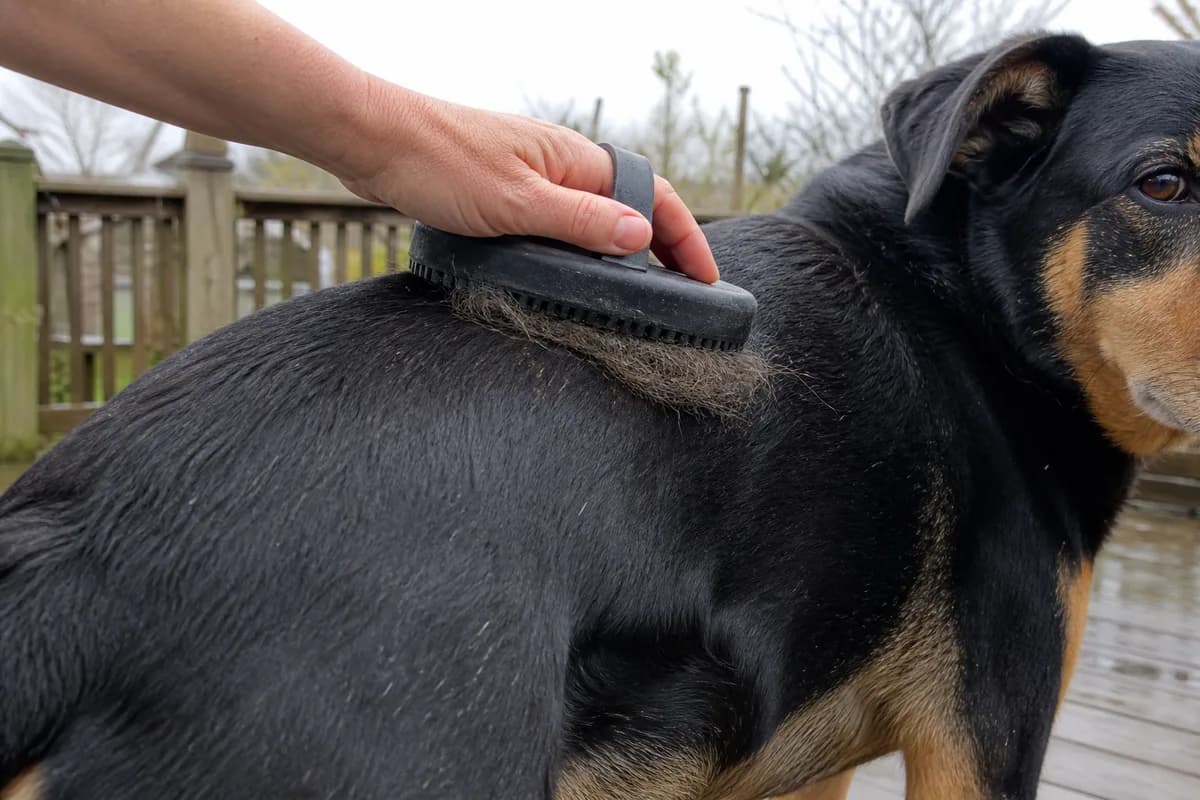
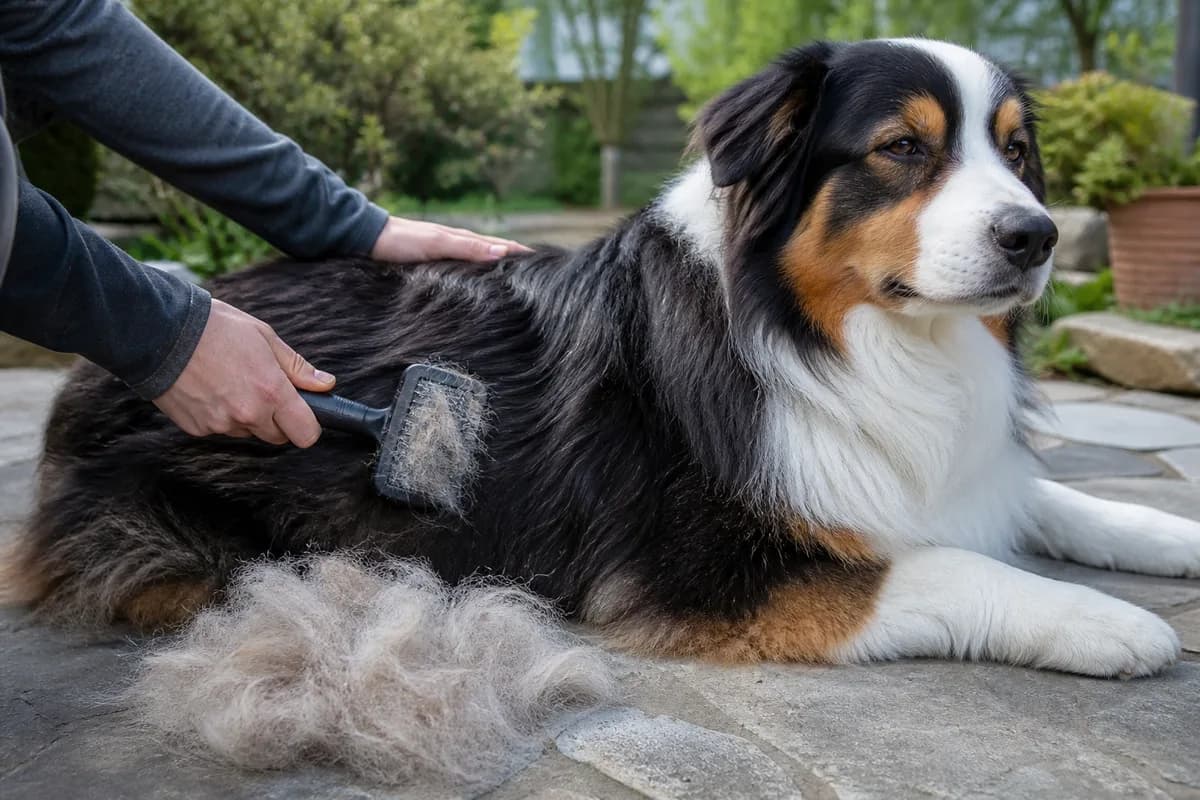
How do I fix my dog shedding hair? Start with a short daily brushing session in a place that is easy to sweep, then add a more thorough coat-specific session once or twice a week. This is also how to control dog shedding without making unrealistic promises to stop normal coat renewal. Regular brushing removes loose fur on your schedule instead of the sofa's, and a few calm minutes every day usually works better than one exhausting session after the coat has already blown.
These shedding solutions combine daily brushing, coat-matched tools and sensible bathing. A deshedding shampoo can loosen dead coat during a bath, but it cannot replace brushing or treat a skin disorder.
No product can stop, eliminate, prevent or cure healthy dog shedding. The best way to reduce, decrease or minimize heavy shedding is to control where loose fur goes: brush short hair and longer coats with the right tool, use a deshedding shampoo or other treatment only as directed and keep the routine gentle enough to protect the skin. Those practical steps lessen pet hair shedding without promising that a normal coat will stop renewing itself.
Petful may earn a commission when you click through to Chewy, at no extra cost to you.
A Simple Shedding Routine
- Check the coat and skin for tangles, burrs, sore areas, redness and parasites before the brush touches the pet.
- Work in the direction the hair grows, using light pressure and short sections from the shoulders toward the tail.
- Clear collected hair from the tool often so its pins or teeth continue moving through the coat instead of dragging.
- Finish with the legs, chest and tail, using a gentler tool around thin skin and sensitive areas.
- Stop if your pet flinches, turns toward the brush, tries to leave or develops pink, irritated skin.
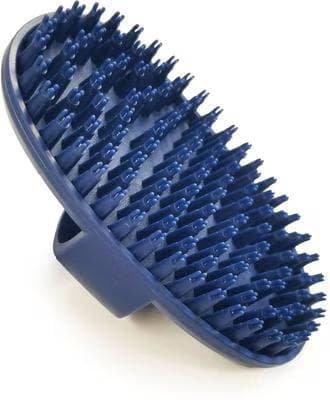
For short-haired pets, a flexible grooming glove or rubber curry brush lifts loose surface hair without digging into the skin. The Four Paws Magic Coat Professional Series All-In-One Wet & Dry Dog Glove & Curry Brush is one example of that tool shape. Use it with the lay of the coat, and keep the session brief until you know how your pet's skin responds.
Long coats need detangling before deshedding. Hold the hair near the skin to reduce pulling, work from the ends toward the roots and use a wide-tooth comb to confirm that a section is free of tangles. Do not cut a tight mat with scissors close to the skin. Pet skin tents up inside mats surprisingly easily, so a groomer or veterinary team is the safer choice for close, painful or widespread matting.
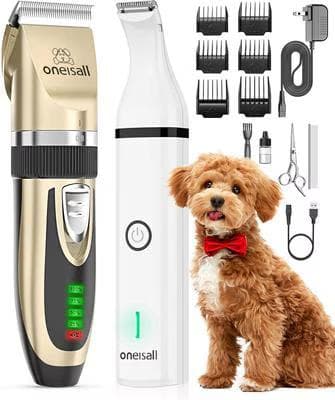
Trimming overgrown hair around the paw pads can improve traction and reduce the dirt brought indoors, but it is separate from controlling body-coat shedding. A tool such as the OneIsAll 2-in-1 Cordless Stainless Steel Low-Noise Dog & Cat Grooming Clipper & Paw Trimmer Kit is meant for careful trimming, not for pulling out undercoat. Keep clipper blades cool, avoid cutting between toes unless you know the technique and stop if the pet struggles.
A Weekly Shedding Routine You Can Repeat
- Daily during heavy shedding: Spend 5 minutes on the areas that release the most coat, then check the brush and the pet's skin before continuing.
- Once or twice a week: Complete a longer coat-matched session, working in sections so no area gets repeated scraping.
- Weekly: Wash the main pet blanket, clean grooming tools and vacuum the places where the pet sleeps or rides.
- Monthly: Compare the coat with a clear baseline photo and note new thinning, dandruff, redness or broken hair.
- As needed: Book a groomer for packed undercoat or matting that cannot be separated comfortably at home.
When Do Pets Shed the Most?
Which month do dogs shed the most? There is no single month for every dog, but the heaviest seasonal shedding usually happens during the spring coat blow and again during the fall shedding season. In many climates, that means a noticeable increase from March through May and from September through November. Day length, temperature, indoor heating and the individual coat all shift the timing.
Why is my dog shedding so much in the summer or fall? Seasonal coat turnover can peak as daylight and temperature change. Why does my dog shed so much in the winter or January? Indoor heating and artificial light can blur the normal schedule, and some dogs shed their summer coat before winter as the denser cold-weather coat grows in.
Petful may earn a commission when you click through to Chewy, at no extra cost to you.
Double-coated dogs often release the dense undercoat in tufts, which can make the spring change look dramatic. Cats also respond to daylight and may shed more as the days lengthen, though indoor cats exposed to steady temperatures and artificial light can shed at a lower level throughout the year. A seasonal increase should still leave the skin looking healthy and the coat reasonably even.
Prepare before the fur starts floating:
- Move from a few weekly brushings to short daily sessions as loose undercoat appears.
- Wash pet bedding and clean brush heads more often during coat-blow weeks.
- Keep a lint tool in the car and near the furniture your pet uses most.
- Schedule a professional bath and blowout for a heavy double coat if home grooming cannot keep up.
- Photograph any thin-looking area so you can tell whether it fills in or becomes a true bald patch.
Pets may shed more after stress, pregnancy, nursing, surgery, illness or a move, and nutrition changes can affect coat quality over time. Those patterns are not the same as a predictable seasonal coat blow. If you cannot connect a sudden increase to season or normal coat turnover, check the skin and review the red flags later in this guide.
Choosing and Using a Deshedding Tool
The best dog brush for shedding is the one designed for that dog's actual coat, not the sharpest or most heavily marketed tool. If you are comparing a dog shedding brush with the best dog comb for shedding, start by identifying the coat rather than the brand. A shedding blade that works quickly on a dense double coat may scratch a fine single coat, while a slicker brush that separates long hair may glide over packed undercoat without removing it. For medium-to-long coats, the Frisco Deshedding Cat & Dog Brush is one product to compare after confirming that its tooth shape matches the coat.
| Coat type | Best starting tool | Typical frequency | Avoid or stop when |
|---|---|---|---|
| Short, smooth coat | Rubber curry brush or grooming glove | Several brief sessions each week | Stop if repeated passes make the skin pink |
| Dense double coat | Undercoat rake, then a coat-appropriate deshedding tool | Weekly, increasing during seasonal coat blow | Do not dig through mats or scrape one spot repeatedly |
| Long or silky coat | Pin brush or slicker brush, followed by a metal comb | Daily to several times weekly | Do not pull through tangles from the root |
| Curly, clipped or low-shedding single coat | Slicker brush and comb chosen with a groomer | Based on matting risk and haircut schedule | Avoid an undercoat blade when there is no shedding undercoat |
This coat-to-tool comparison is a starting framework, not a substitute for seeing the coat in person. Mixed-breed pets can carry more than one texture, and clipped coats may need a different approach while they grow back. If you are unsure whether your pet has an undercoat, ask a groomer to show you once and take a photo of the recommended tools.
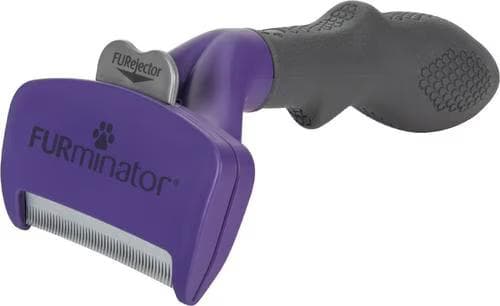
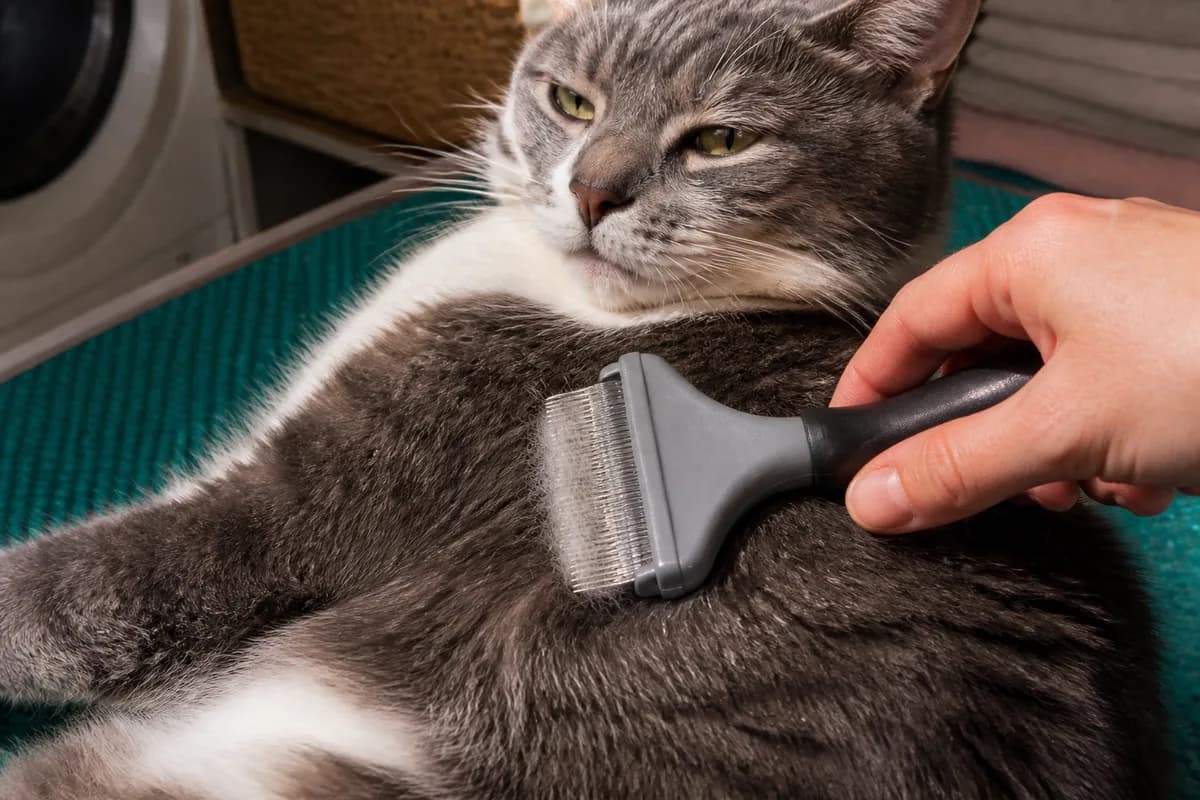
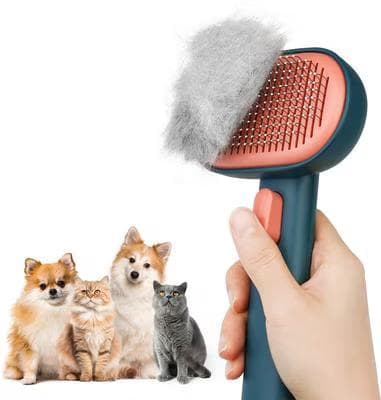
The FURminator Short Hair Cat Deshedding Tool, Purple, Medium is designed for a shedding short-haired cat with an undercoat. It is not a general-purpose comb and it is not right for every cat. The aumuca Self Cleaning Slicker Brush, Green is a different tool category that can lift loose hair and help separate longer coats, but a slicker still needs light pressure and careful use around thin skin.
Is FURminator good for dogs? It can be useful on a suitable shedding undercoat when used lightly, but FURminator for dogs reviews cannot tell you whether the tool fits your individual dog's coat and skin. A dog grooming blower for shedding can release undercoat after a bath, but safe dryer distance, temperature, noise conditioning and eye protection matter; ask a professional groomer to demonstrate it before home use.
Petful may earn a commission when you click through to Chewy, at no extra cost to you.
Safe FURminator Technique
Use this safe FURminator sequence only on a suitable shedding undercoat:
- Start with a completely dry, clean and mat-free coat so the teeth do not snag damp hair or hidden tangles.
- Part the coat and check the skin before each new section.
- Angle the tool in the direction of hair growth and use one or two light passes without pressing down.
- Clear collected hair from the teeth frequently so the tool keeps gliding instead of dragging.
- Move to a new section while the skin still looks normal, even if loose coat continues to appear.
Do not use a FURminator or another bladed deshedding tool over mats, cuts, rashes, bruises, hot spots, bony prominences or recently clipped skin. It is also a poor choice for many curly, continuously growing or single coats that do not release an undercoat in the same way. Never saw back and forth, brush against the coat or keep scraping one patch. When the tool catches, stop and inspect rather than pulling harder.
Let the Skin Set the Session Limit
How long should a session last? The skin sets the limit, not the pile of fur. For many pets, 5-15 minutes is enough for an initial pass, and a large double-coated dog is better handled in several short sessions than one hour-long marathon. Watch the skin after each section. Comfortable body language and normal skin matter more than finishing the whole animal in one sitting.
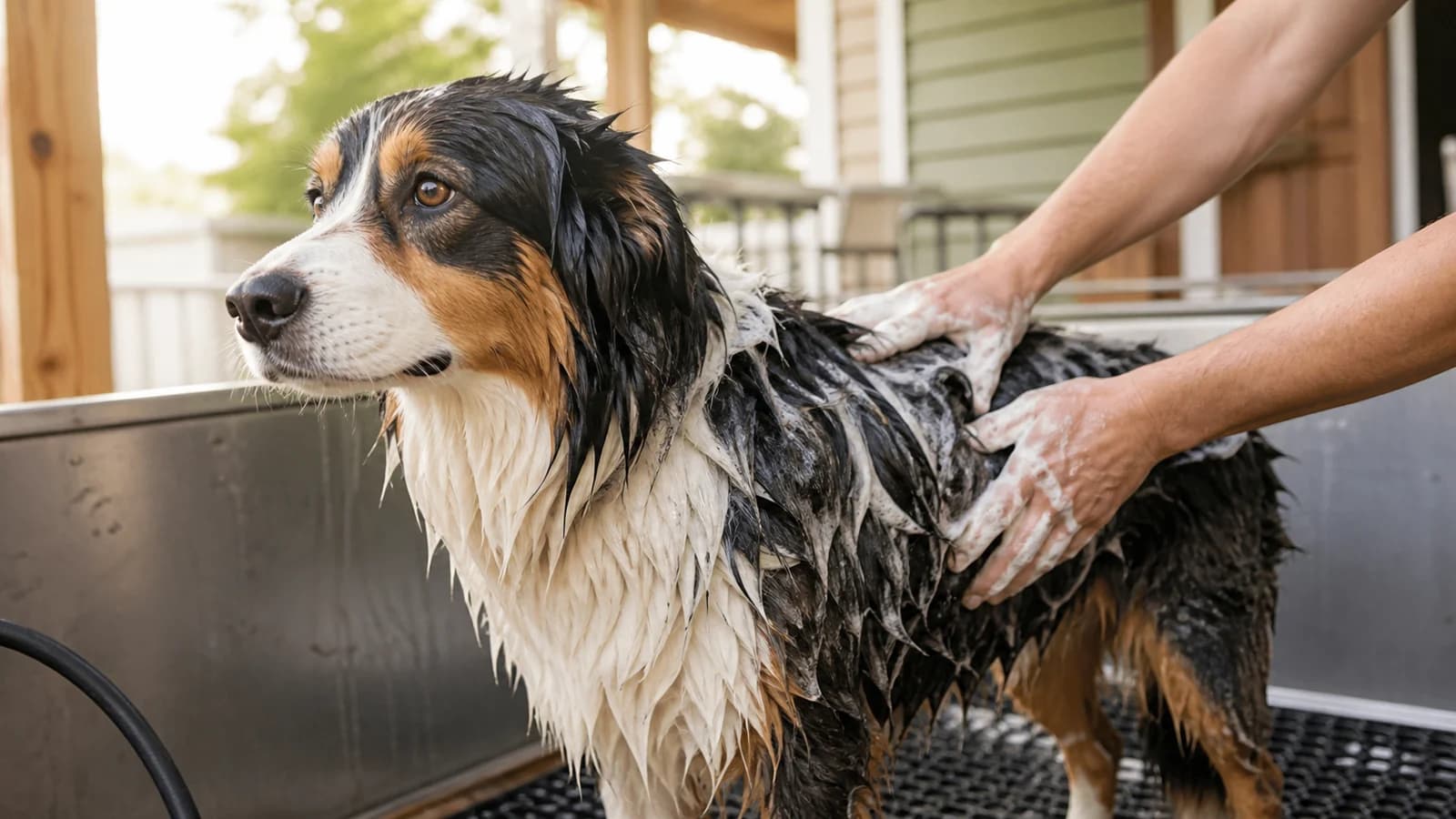
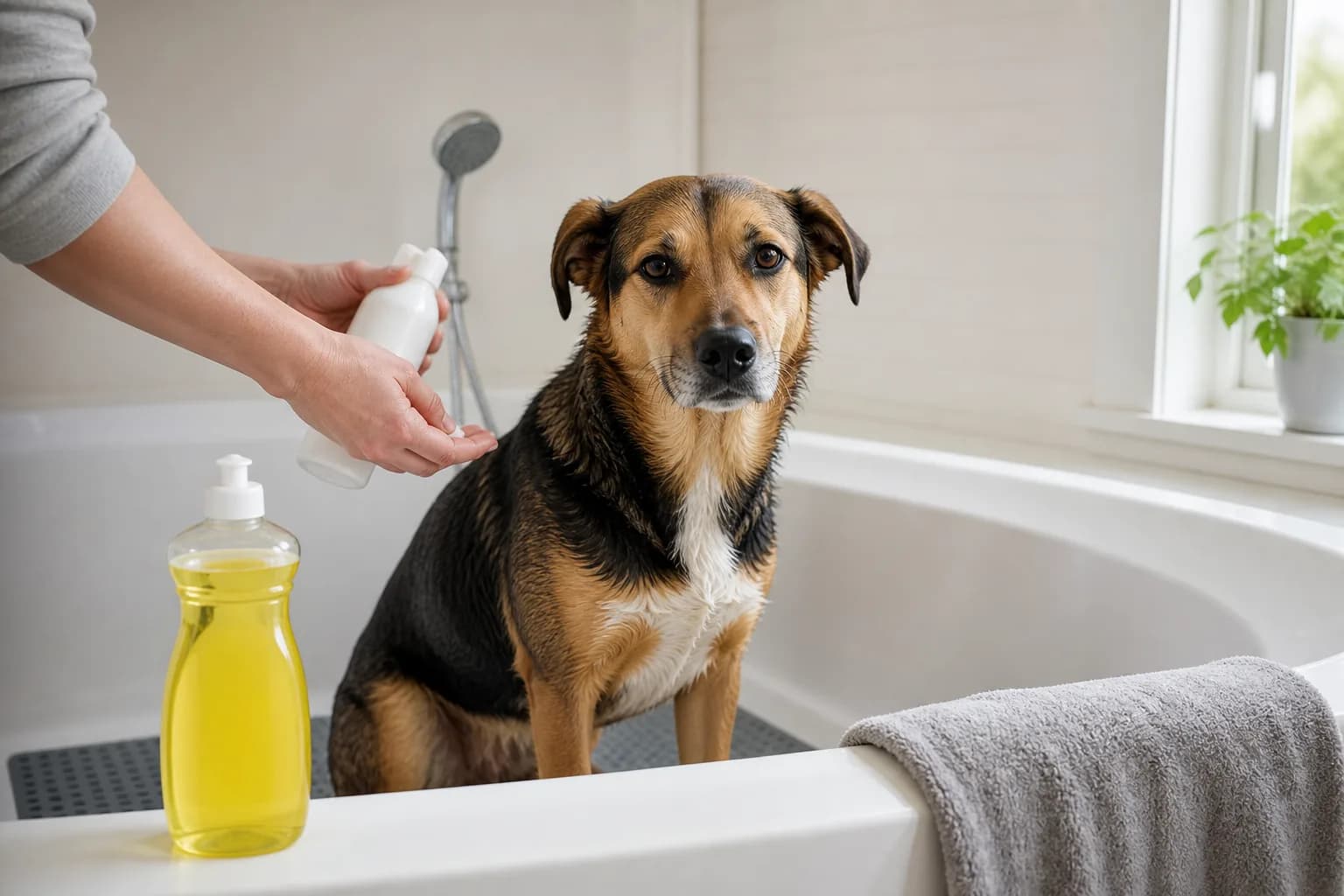
Bathing can loosen dead coat after brushing, especially during a seasonal blow. Use lukewarm water and a pet-formulated shampoo, rinse thoroughly and dry the coat completely. A high-velocity dryer can remove a remarkable amount of undercoat, but its noise and force require proper introduction and safe technique. A professional groomer is the sensible option when the pet is fearful or the coat is very dense. A pet-formulated option such as Buddy Wash Original Dog Shampoo & Conditioner can handle routine bathing, but shampoo does not stop normal shedding or treat skin disease.
How to Get Rid of Pet Hair in the Home and Car
The answer to how to keep your house clean with a shedding dog is to work in this order: pet first, soft surfaces second and floors last. If you vacuum before brushing the pet or shaking out bedding, the next wave of loose hair lands as soon as you put the machine away. Put daily grooming and washable covers at the front of the system so less hair reaches upholstery and carpet.
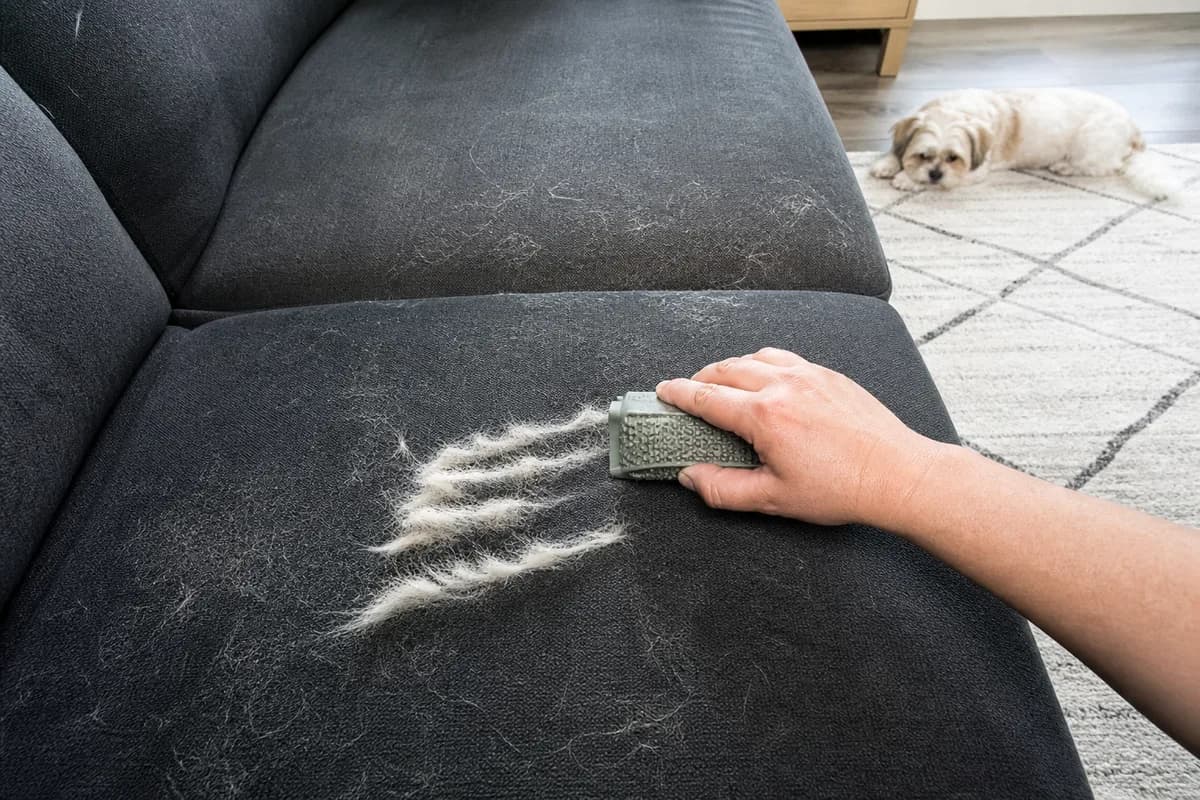
This room-by-room and car cleanup plan follows the path loose hair actually takes. Start where the pet rests, work through fabrics and edges, finish with floors, then reset the car after high-shed rides. That sequence prevents cleaned areas from being covered again while you move through the house.
These room-by-room and car hair removal methods are one part of the full system. A useful plan combines shedding management, coat-safe tool technique, home and car cleanup, diet support and a tool-by-coat-type decision table in one guide. That makes it easier to choose the next practical step instead of chasing disconnected tips for the pet, the furniture and the car.
Use a room-by-room plan:
Petful may earn a commission when you click through to Chewy, at no extra cost to you.
- Pet beds and blankets: Shake them outdoors, remove surface hair with a rubber glove or pet hair remover brush, then wash according to the care label. Clean the dryer's lint filter before and after the load.
- Upholstery: Pull hair into rows with a slightly damp rubber glove, rubber squeegee or upholstery tool, then vacuum the piles with slow overlapping passes.
- Carpet and rugs: Vacuum once across the pile and once in the opposite direction. Work edges and baseboards with a crevice tool where fur forms dense rolls.
- Hard floors: Use a microfiber dust mop or vacuum made for hard floors. Dry sweeping can launch light undercoat back into the air.
- Clothing: Keep a washable lint brush near the door and use a lint roller for the last pass. Do not overload a washer with fur-covered items.
- Air and vents: Replace HVAC filters on schedule and wipe vent covers. An air purifier can capture some airborne dander and fine hair, but it will not replace brushing or surface cleaning.
Clean the Car After High-Shed Rides
For the car, start with a washable hammock or fitted seat cover that does not interfere with seat belts, child-seat anchors or the dog's restraint. Remove the cover outside, shake or brush it, then vacuum the seats, seams and carpet with a crevice tool. A rubber upholstery brush works well on sturdy fabric, but test it in a hidden spot before using it on delicate material.
Use this quick car reset:
- Remove and shake the washable cover outdoors so loose fur never reaches the garage floor or entryway.
- Brush seats from top to bottom, pushing hair toward one collection point instead of scattering it.
- Vacuum seat seams, cargo-area corners, floor mats and the gap between the seat back and cushion.
- Wipe hard trim with a damp microfiber cloth and clean the pet's restraint according to its care label.
- Put a reusable lint brush in the door pocket for touchups between deeper cleanings.
Hair also gathers around bath drains. Brush out as much loose coat as possible before the bath, place a drain hair catcher over the opening and lift collected fur out between rinses. Do not push clumps down the drain. That simple order prevents the narrow cleanup problem from becoming a plumbing problem.
A routine keeps the workload small. Brush daily during heavy shedding, wash the pet's main blanket weekly, vacuum high-use rooms two or three times a week and keep a reusable lint tool where the problem happens. The goal is not a hair-free home. It is a home where fur never gets enough time to build into drifts.
Diet, Skin and Coat Support for Shedding
Dog food for shedding is often marketed as though one recipe can switch shedding off. It cannot. Healthy dogs and cats still shed while eating an excellent diet. Diet, hydration and skin support help normal hair growth and reduce avoidable coat breakage, but they do not stop normal coat renewal or treat an undiagnosed skin disease.
Build the coat-support routine around basics:
- Feed a complete and balanced food appropriate for the pet's species and life stage.
- Keep fresh water available in clean bowls and notice a meaningful change in drinking, because thirst can accompany illness.
- Measure meals and treats so body condition remains healthy rather than changing food whenever shedding increases.
- Record new foods, supplements and grooming products so you can connect a coat change with its timing.
- Avoid random high-dose supplements and home remedies such as rubbing coconut oil or baking soda into the coat. Topical oils can make fur greasy, upset the stomach when licked and delay attention to the real cause of skin trouble.
Omega-3 fatty acids may be useful for some skin conditions, but the product, dose and balance with the rest of the diet matter. Ask your veterinarian before adding fish oil, especially if your pet has pancreatitis, a bleeding disorder, takes medication or eats a therapeutic diet. If coat quality changed after a food switch, bring the food label and a list of treats and supplements to the appointment.
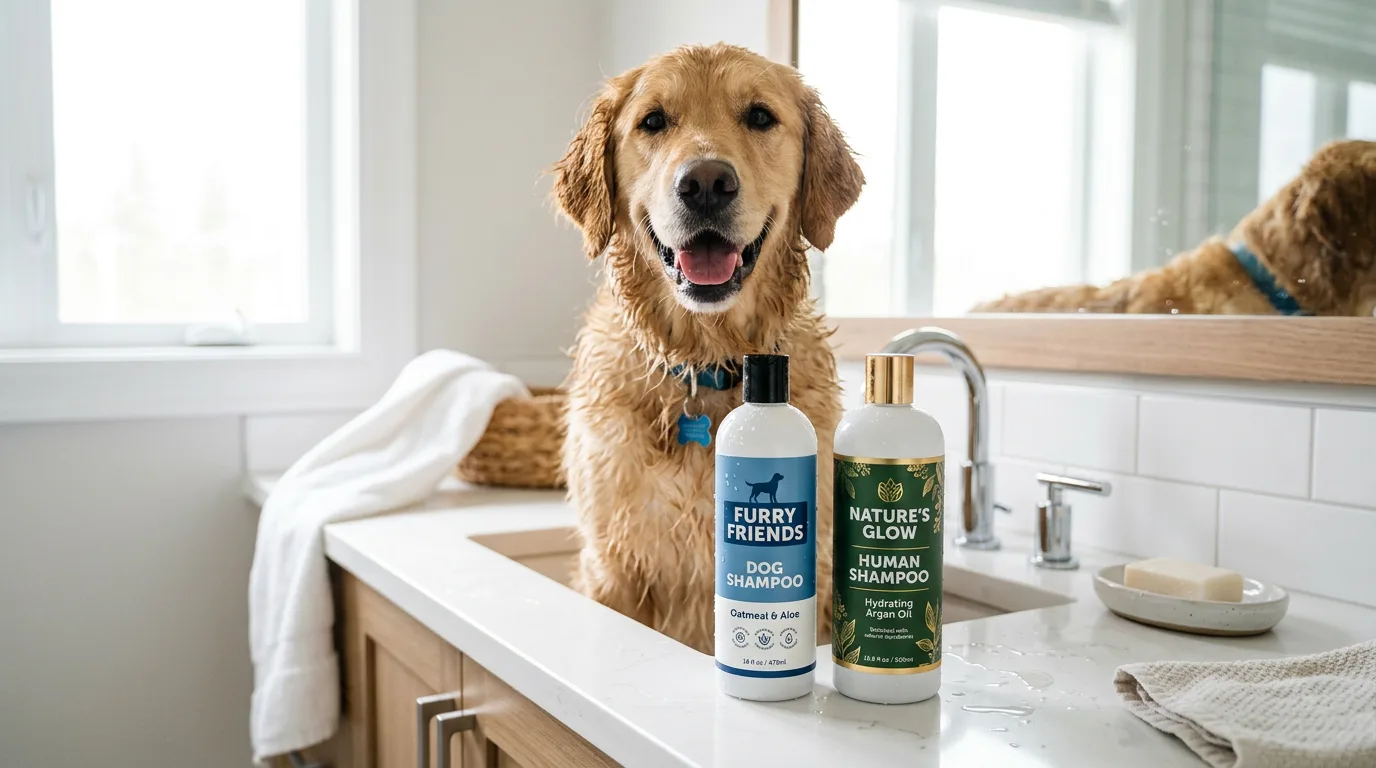
A deshedding shampoo mainly helps release loose coat during a bath. It does not cure heavy shedding, and frequent bathing can dry or irritate some pets. Choose a pet-formulated product, follow its contact-time directions and rinse until the water runs clear. Human shampoo is not a good substitute because pet skin has different needs.
Look at the whole skin picture rather than buying one more remedy. Dandruff, odor, greasy skin, repeated ear trouble, constant licking or a coat that breaks easily can point to allergies, parasites, infection, hormonal disease or another medical issue. Those signs move the problem out of the grooming aisle and into the veterinary exam room.
When Shedding Is Not Normal
Normal shedding releases hair from across the coat while leaving skin and coverage reasonably even. Medical hair loss is more likely to produce bald patches, broken hairs, redness, crusts, odor, sores, intense itching or a sharp change from your pet's usual pattern. Sudden heavy shedding plus lethargy, appetite change, weight change, increased thirst or another whole-body symptom also deserves a veterinary call.
- Bald patches, inflamed or painful skin, bleeding or open sores, a strong odor, nonstop scratching, hair coming out in clumps outside a normal coat blow, or a sudden change paired with low energy, appetite loss, thirst or weight change. Stop using aggressive grooming tools until the skin has been examined.
If the coat is thinning or your dog is shedding excessively without a seasonal explanation, use Petful's guide to when dog shedding is actually hair loss for the medical causes and diagnostic path. When scratching and hair loss occur even though you cannot find fleas, the dedicated guide to dog itching without fleas covers allergies, infection and other possibilities.
If you are asking why your dog is shedding so much in the summer, fall or January, first compare the change with the normal seasonal pattern described above. A seasonal explanation becomes less convincing when shedding is uneven, the skin is sore or itchy, or the dog also seems unwell; those signs belong in the medical hair-loss guide rather than a more aggressive grooming routine.
Do not try to scrub, supplement or deshed a medical problem away. Take clear photos, note when the change began, record any new food, medication, parasite product or household exposure and tell the veterinarian whether anyone else in the home is itchy. That history can shorten the route to the right tests and treatment.
Pet Shedding FAQs
How often to use FURminator on cat coats depends on coat type and skin tolerance, but once or twice a week is a reasonable starting point for a suitable shedding coat. Keep the initial FURminator frequency conservative, check the skin after every section and stop if it becomes pink, sensitive or flaky. Daily passes with a bladed deshedding tool can cause overbrushing irritation, and the tool should not be used on mats, injuries or a coat type for which the manufacturer does not recommend it.
To stop pet hair from clogging the drain at bath time, brush the pet thoroughly before the bath, place a drain hair catcher over the opening and remove collected fur between rinses. Wipe loose hair from the tub before releasing the water, and put the hair in the trash instead of pushing it down the drain. Pre-bath brushing plus a drain hair catcher handles most clogs before they start.
Veterinarian
At Petful®, founded by Pulitzer Prize–winning journalist and editor Dave Baker, we are on a mission to give our readers the best, most accurate information to help their pets live happier, healthier lives. Our team of expert writers includes veterinarians Dr. Debora Lichtenberg, VMD, and Dr. Pippa Elliott, BVMS, MRCVS, among others. Petful is also the leading independent source of U.S. pet food recall information on the web. Learn more about the amazing team behind Petful here: Meet the Team.
Sign up for expert-backed reviews and safety alerts all in one place.