The Farmer's Dog Lawsuit Explained: What's Alleged and What It Means for Dog Owners
A class action filed in April 2026 alleges The Farmer's Dog underreports fat content in its fresh meals and downplays pancreatitis risk. Here is what is alleged, what has not been proven, and what dog owners should consider.

BVMS, MRCVS

Petful is reader supported. As an affiliate of platforms like Amazon and Chewy, we may earn a commission when you buy through links on this page. There is no extra cost to you.
Petful may earn a commission on purchases made through links in this article, at no extra cost to you. Editorial coverage of legal proceedings is independent of any brand relationship.
In April 2026, a proposed class action against The Farmer's Dog was filed in federal court alleging the company's fresh dog meals contain higher levels of fat than its packaging and marketing communicate, and that this gap puts certain dogs at risk for serious medical problems. The Farmer's Dog lawsuit is part of a broader conversation pet owners have been having about fresh dog food, fat content, and pancreatitis risk. This article walks through what is in the complaint, what has and has not been proven, and what to consider before changing your dog's diet.
- 1The Farmer's Dog lawsuit, Trott v. The Farmer's Dog, Inc. (Case No. 1:26-cv-03410), was filed on April 24, 2026 in the U.S. District Court for the Southern District of New York.
- 2According to the complaint, three of four Farmer's Dog recipes contain more than 25% fat on a dry matter basis, more than 40% of calories from fat, and more than 45 grams of fat per 1,000 kcal.
- 3The complaint alleges that the company's marketing as 'nutritionally complete,' 'fresh,' and 'human-grade' does not adequately warn consumers about fat levels or pancreatitis risk.
- 4These are allegations only. The Farmer's Dog has not been found liable for any of the conduct described, and the case is in early procedural stages.
- 5Pet owners concerned about fat content should consult their veterinarian before changing diets, and should be aware that fat percentages on labels are listed 'as fed,' which can understate the true dry matter total.

Sign up for expert-backed reviews and safety alerts all in one place.
What the Farmer's Dog Lawsuit Alleges
On April 24, 2026, a plaintiff identified in the complaint as Amy Trott, a New Hampshire resident, filed a proposed class action lawsuit against The Farmer's Dog, Inc. in the U.S. District Court for the Southern District of New York, where the company is headquartered. The case, captioned Trott v. The Farmer's Dog, Inc., No. 1:26-cv-03410, seeks to represent a class of dog owners who purchased The Farmer's Dog products.
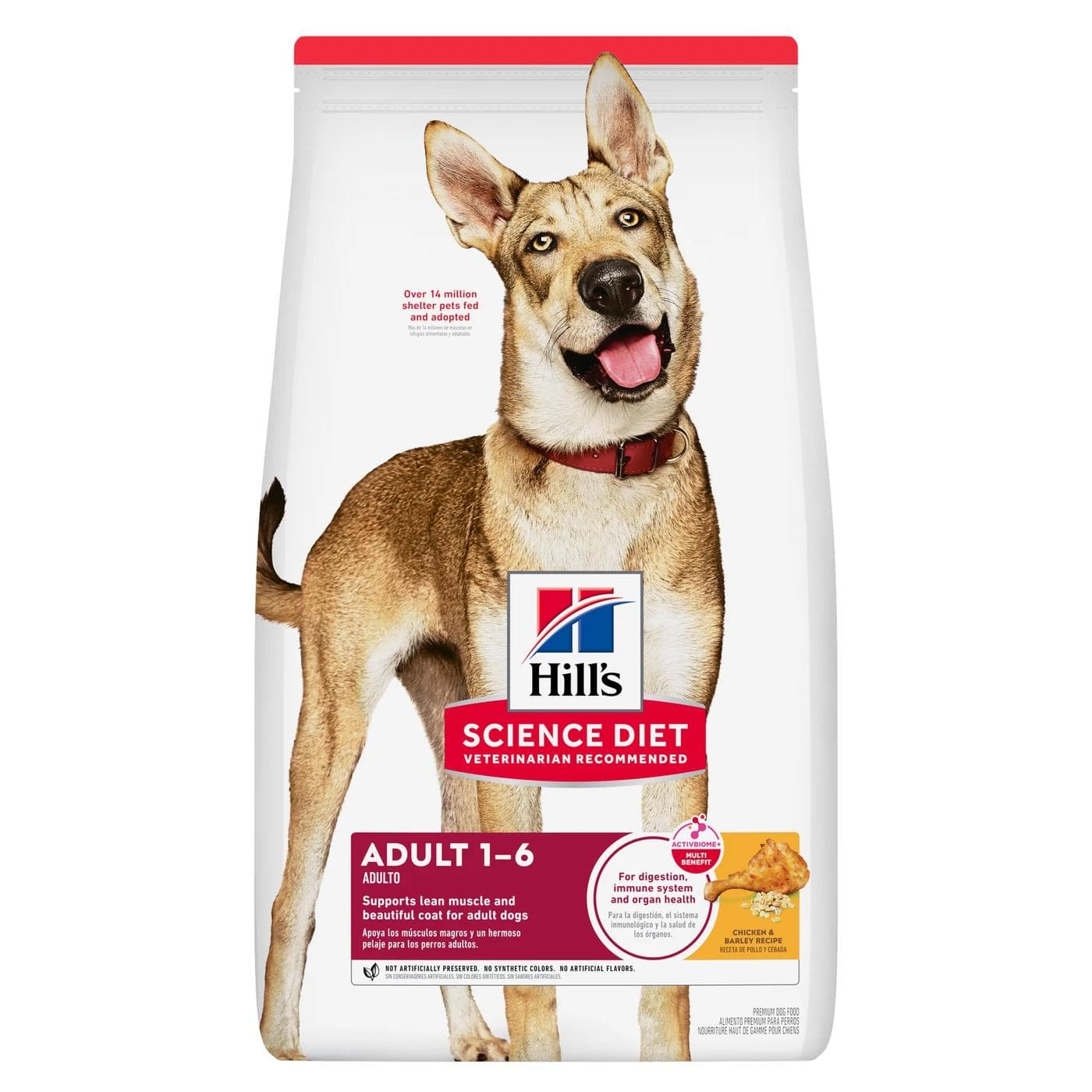
A vet-channel adult-maintenance kibble backed by AAFCO feeding trials. Leaner protein and fat than many competitors at a comparable price.
Petful may earn a commission when you click through to Chewy, at no extra cost to you.
According to the complaint, three of the company's four recipes contain 'over 25% fat [dry matter], over 40% fat [as metabolizable energy], and over 45 g fat per 1000 kcal, which is well above typical or recommended levels of fat for most dogs.' The lawsuit also claims that the as-fed fat percentages listed on packaging (described in the complaint as falling between roughly 4.5% and 8%) understate the actual fat content when calculated on a dry matter basis, which is the standard nutritionists use to compare foods of different moisture levels.
The complaint also takes aim at how the brand is marketed. It challenges representations that the meals are 'whole meat,' 'human-grade,' and 'fresh, wholesome and superior to traditional kibble,' and argues that those claims, combined with descriptions of the food as 'nutritionally complete,' create the impression of a product that is safer or healthier than the lawsuit claims it actually is.
To be clear, these are allegations. They have not been ruled on by a court, and The Farmer's Dog has not been found liable for any of the conduct described. The case is in its earliest procedural stages, and the company will have the opportunity to respond and defend itself in court.

Get a free quote in 90 seconds. Coverage for vet emergencies like obstruction surgery and allergic reactions.
- AI-powered claims paid in minutes
- Cancel anytime, no fees
- Covers accidents and illnesses
Petful may earn a commission when you click through to Lemonade, at no extra cost to you.
Allegations vs. Proven Facts
It is worth slowing down on this distinction. A class action complaint is the plaintiff's account of the case. Filing a lawsuit does not prove its claims, and many class actions are dismissed, withdrawn, or settled without any finding of liability.
What has been established in the public record
- A complaint has been filed against The Farmer's Dog, Inc. (Trott v. The Farmer's Dog, Inc., No. 1:26-cv-03410, S.D.N.Y.).
- The plaintiff alleges specific fat-content figures on a dry matter basis and questions specific marketing claims.
- The Better Business Bureau profile for The Farmer's Dog includes consumer complaints that pre-date the lawsuit, although BBB complaints are unverified consumer reports and not findings of fact.
What has not been established
- Whether the recipes actually contain the fat levels described in the complaint.
- Whether those levels, if accurate, caused harm to any specific dog.
- Whether the company's marketing was misleading under applicable consumer-protection laws.
- Whether the case will be certified as a class action.
These are the kinds of questions a court will ultimately decide, often years after the original filing.
Why Fat Content Matters in Dog Food
Fat is an essential nutrient for dogs. It supplies energy, supports skin and coat health, and helps the body absorb fat-soluble vitamins. The Association of American Feed Control Officials (AAFCO) sets minimum fat for complete and balanced dog foods at 5.5% on a dry matter basis for adult maintenance and 8.5% for growth and reproduction.
AAFCO does not set a maximum total fat for adult dog foods, and many premium dry foods exceed 15% to 20% fat on a dry matter basis without issue for most dogs. Working breeds, performance dogs, and dogs needing to gain weight often do well on higher-fat diets.
The concern with very high fat levels is mainly about dogs predisposed to certain conditions, especially pancreatitis. The WSAVA Global Nutrition Guidelines identify dietary fat reduction as a long-standing component of nutritional management for dogs at risk of, or recovering from, pancreatitis.

Petful may earn a commission when you click through to Lemonade, at no extra cost to you.
What Is Pancreatitis in Dogs?
Pancreatitis is inflammation of the pancreas, an organ that produces digestive enzymes and insulin. When the pancreas becomes inflamed, those enzymes can begin to digest the organ itself, causing pain, nausea, and serious systemic illness.
The American College of Veterinary Internal Medicine (ACVIM) is a useful clinical reference on pancreatitis. The most commonly reported signs in dogs include:
- Vomiting
- Loss of appetite
- Abdominal pain (often shown as a hunched posture or reluctance to move)
- Diarrhea
- Lethargy or weakness
- Dehydration
Risk factors include obesity, certain endocrine conditions (such as hyperadrenocorticism and diabetes mellitus), a history of dietary indiscretion, and certain breed predispositions (Miniature Schnauzers, Yorkshire Terriers, and Cocker Spaniels are commonly cited). Diets very high in fat are a recognized risk factor, particularly when introduced suddenly to a dog whose system has not had time to acclimate.
Pancreatitis can range from a mild, self-limiting episode to a life-threatening illness requiring hospitalization. Any dog showing the symptoms above, particularly after a sudden diet change, should be seen by a veterinarian. For more on related digestive concerns, see our guide to common dog digestive issues.
How Dog Food Labels Can Be Confusing
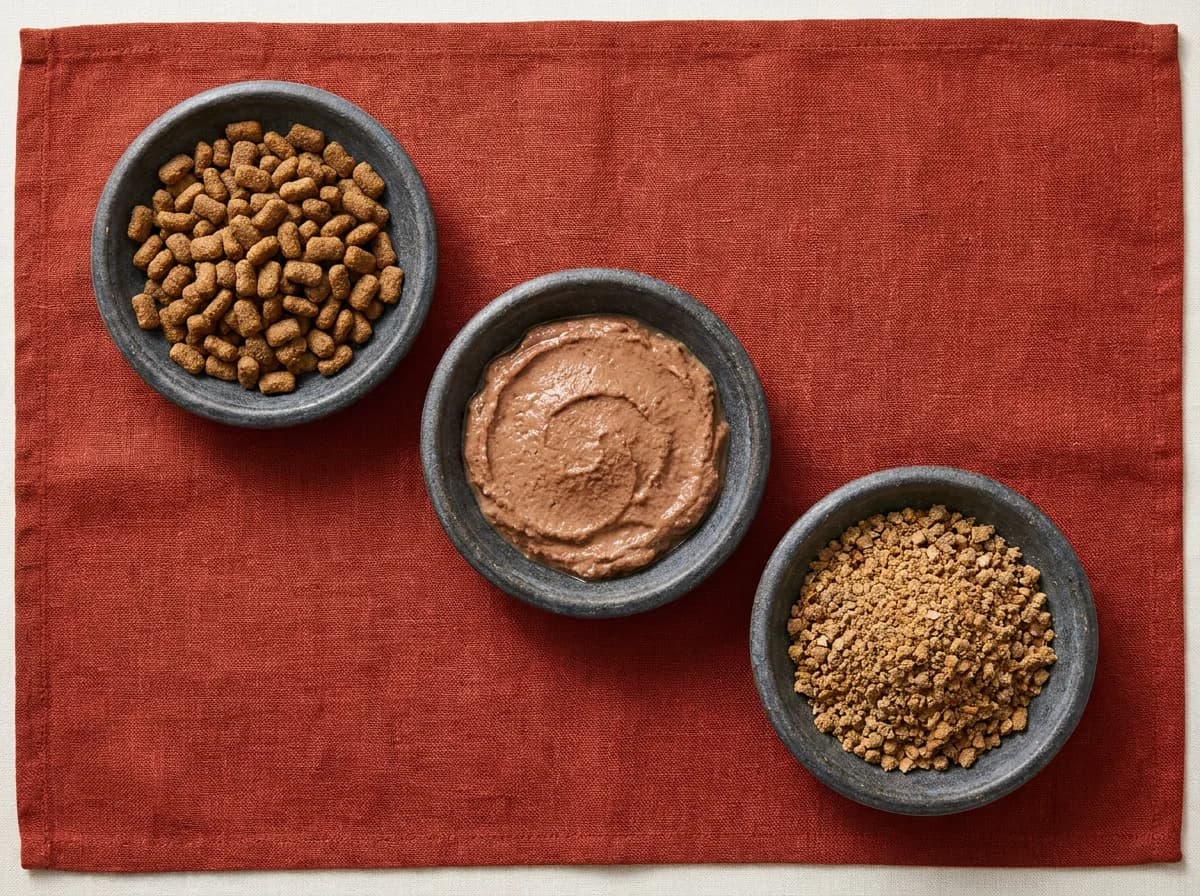
One of the central friction points in the Farmer's Dog lawsuit is how fat is reported on dog food labels. Most U.S. pet food labels show a Guaranteed Analysis, which lists nutrients 'as fed,' meaning the percentages include the food's water weight. Fresh foods can be 60% to 75% water, while dry kibble is typically around 10% water.
That difference matters because it makes a fresh food's fat percentage look much lower than a kibble's, even when the underlying dry-matter fat content is similar or higher. Veterinary nutritionists compare foods on a dry matter basis to remove water from the equation.
The math is straightforward. To convert an 'as fed' nutrient percentage to dry matter, divide the as-fed percentage by the dry matter percentage (100% minus the moisture percentage), then multiply by 100. For example, a fresh food with 5% fat as-fed and 70% moisture has roughly 16.7% fat on a dry matter basis (5 divided by 30, times 100).
This is the calculation method the plaintiff in the Farmer's Dog lawsuit uses to arrive at the figures in the complaint. Whether or not the specific numbers hold up in court, the underlying point about as-fed vs. dry matter labeling is one veterinary nutritionists have been making for years. For more background on fresh dog food trade-offs, see our hands-on review: is The Farmer's Dog worth it?

Petful may earn a commission when you click through to Lemonade, at no extra cost to you.
What to Do If You're Concerned About Your Dog's Diet
If you currently feed The Farmer's Dog (or any fresh food) and the lawsuit has you worried, the most useful step is also the simplest: talk to your veterinarian. They can review your dog's health history, weight trend, and risk factors and give specific guidance for your dog, not the average dog.
- Do not switch foods suddenly. Abrupt diet changes are themselves a recognized trigger for stomach upset and, in susceptible dogs, pancreatitis. A 7-to-10-day transition is the general rule. For a sense of what a multi-week fresh-food trial actually looks like, see our first-hand account of trying The Farmer's Dog.
- Compare foods on a dry matter basis. Do not take 'as fed' fat percentages at face value when comparing fresh, freeze-dried, canned, and dry foods. The water content of each makes a direct comparison misleading.
- Know your dog's risk factors. Breeds prone to pancreatitis, dogs with prior gastrointestinal episodes, obese dogs, and dogs with diabetes or other endocrine conditions warrant a more conservative approach to dietary fat.
- Watch for warning signs. Vomiting, abdominal pain, loss of appetite, and lethargy after a meal warrant prompt veterinary evaluation, particularly within the first weeks of a diet change.
- Look at the whole label, not just the marketing. 'Human-grade,' 'fresh,' and 'complete and balanced' are useful descriptors, but they do not substitute for reviewing the Guaranteed Analysis, ingredient list, and any AAFCO nutritional adequacy statement.
If you are exploring fresh-food alternatives while you weigh your next move, our review of Freshpet covers a refrigerated grocery-store option that uses a different production model and is worth comparing on a dry matter basis.
What Happens Next with the Farmer's Dog Lawsuit
In federal class action litigation, the typical sequence is months of motion practice (including a likely motion to dismiss from The Farmer's Dog), followed by class certification briefing, then discovery if the case survives those phases. Many class actions resolve before reaching trial, either through dismissal, settlement, or withdrawal. As of late August 2026, the court docket shows The Farmer's Dog has moved to compel arbitration rather than answer the complaint. That motion was fully briefed on August 28, 2026 and is pending before Judge Edgardo Ramos, with the company's answer deadline stayed until it is decided. No motion to dismiss, amended complaint, settlement, or dismissal has been entered.
Updates as the case progresses will be posted to federal court dockets and tracked by sites like ClassAction.org. The original complaint is available as a court filing PDF posted by ClassAction.org.
Frequently Asked Questions
The Farmer's Dog lawsuit, Trott v. The Farmer's Dog, Inc., is a proposed class action filed in April 2026 alleging that the company markets its fresh dog meals as nutritionally complete and healthy while, according to the complaint, three of four recipes contain higher fat levels than the as-fed percentages on labels suggest. The complaint claims this presents a risk of pancreatitis. These are allegations; the case has not been decided.
No. As of May 2026 there has been no recall of The Farmer's Dog products. The lawsuit is a civil action and is separate from any FDA recall process.
That is a question for a veterinarian familiar with your dog. Dogs with a history of pancreatitis are typically advised to eat lower-fat diets, and some prescription diets are formulated specifically for this. The Farmer's Dog does not currently offer prescription diets.
Because the Guaranteed Analysis is reported 'as fed,' meaning it includes water weight. Fresh foods are 60% to 75% water, so the fat percentage on the label looks low compared to a 10%-moisture kibble, even when the dry matter fat is similar or higher. Veterinary nutritionists compare foods on a dry matter basis for this reason.
See your veterinarian. Symptoms like vomiting, abdominal pain, lethargy, or loss of appetite warrant prompt evaluation. Bring details about what your dog has been eating, how long, and any recent changes (treats, table scraps, or a new bag or shipment).
Federal court dockets for the Southern District of New York are the authoritative source. ClassAction.org and similar trackers also follow the case as it progresses.
According to the complaint, three of The Farmer's Dog's four recipes exceed 25% fat on a dry matter basis, more than 40% of calories from fat, and over 45 grams of fat per 1,000 kcal. The labels list roughly 4.5% to 8% fat 'as fed,' but because fresh food is mostly water, the dry matter figure is higher. The Farmer's Dog fat content is the central issue in the lawsuit, and these figures are the plaintiff's allegations that have not been verified in court.
They are closely related. The Farmer's Dog controversy is the broader online discussion about the brand, covering its marketing claims, fat content, and consumer complaints. The lawsuit, Trott v. The Farmer's Dog, Inc., is the formal legal action at the center of that controversy.
BVMS, MRCVS
Dr. Pippa Elliott, BVMS, MRCVS, is a veterinarian with nearly 30 years of experience in companion animal practice. Dr. Elliott earned her Bachelor of Veterinary Medicine and Surgery from the University of Glasgow. She was also designated a Member of the Royal College of Veterinary Surgeons. Married with 2 grown-up kids, Dr. Elliott has a naughty Puggle named Poggle, 3 cats and a bearded dragon.
Sign up for expert-backed reviews and safety alerts all in one place.