Can Dogs Eat Crab? A Comprehensive Guide
Can dogs eat crab? Yes, plain cooked, shell-free crab is safe in small amounts. Learn the real risks of imitation crab, shells and seasoning, plus vet-approved serving sizes by dog weight.

Veterinarian · BVMS, MRCVS
Petful is reader supported. As an affiliate of platforms like Amazon and Chewy, we may earn a commission when you buy through links on this page. There is no extra cost to you.
- 1Yes, dogs can eat crab if it is plain, fully cooked, shell-free and served in small amounts.
- 2Never feed crab shells, imitation crab, crab sticks, crab cakes or crab rangoon, all of these carry real risk.
- 3Garlic, onion and added salt are toxic to dogs, so only offer unseasoned crab meat.
- 4Crab is high in sodium and iodine, so keep portions tiny and treats under 10% of daily calories.
- 5Always cook crab thoroughly to kill parasites and bacteria, and call your vet if your dog reacts.
Can dogs eat crab? Yes. According to PetMD and AKC guidance, plain, fully cooked, shell-free crab is safe for dogs in moderation. Crab is a lean, protein-rich treat, but skip the shells, seasoning, imitation crab and crab cakes, and always check with your veterinarian first.

Sign up for expert-backed reviews and safety alerts all in one place.
Is Crab Good for Dogs?
Can dogs eat crab? Yes, plain cooked crab can be a healthy occasional treat for most dogs. Crab meat is an excellent source of lean protein and is naturally low in fat, which makes it an appealing snack for dogs on a calorie-controlled plan. The catch is that crab is only safe when it is prepared the right way: fully cooked, completely shell-free and free of any seasoning. Fed correctly and in small amounts, crab is not toxic to dogs, a position shared by veterinary sources including PetMD and the American Kennel Club.
Like any new food, crab should be introduced slowly so you can watch for digestive upset or an allergic reaction. If your dog has a history of pancreatitis, food sensitivities or is on a sodium-restricted diet, talk to your veterinarian before offering crab. For a wider look at building a balanced bowl, see our guide to how to choose the best dog food and which best vegetables for dogs pair well with lean proteins.
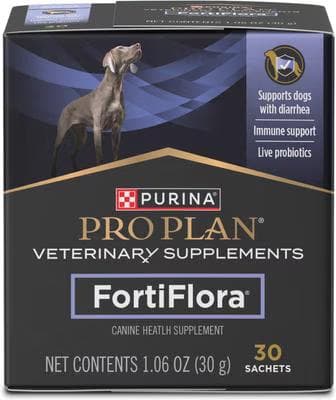
The #1 vet-recommended probiotic for dogs. Daily powder sachets with live probiotics support healthy digestion and firmer stools, and can help dogs coping with diarrhea or GI upset.
Petful may earn a commission when you click through to Chewy, at no extra cost to you.
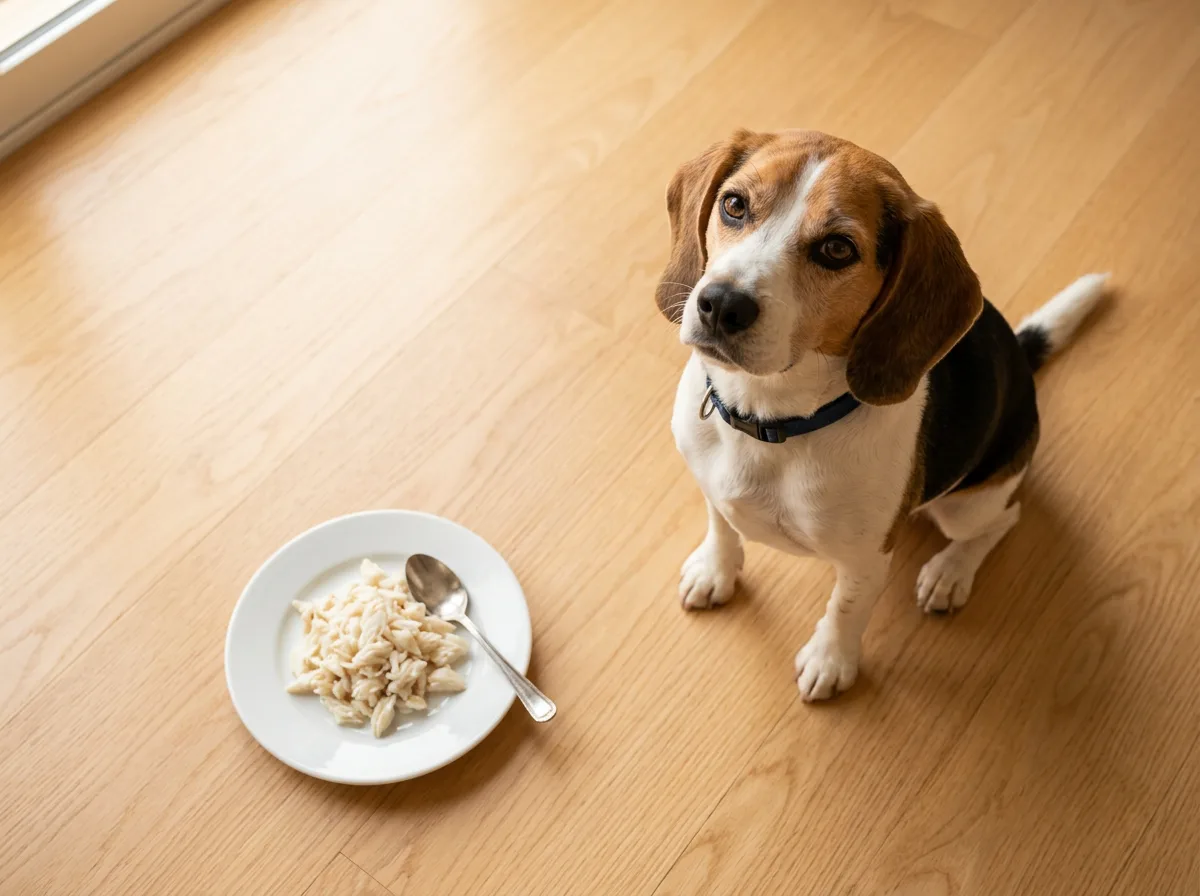
Nutritional Benefits of Crab for Dogs
When served plain and in moderation, crab delivers several nutrients that support canine health. It is a complete protein, meaning it supplies the amino acids dogs need for muscle maintenance, and it is low enough in fat to suit many treat budgets. Crab also carries useful vitamins and minerals.
- Vitamin B12: supports the brain, nervous system and healthy red blood cells.
- Zinc: helps maintain a strong immune system, skin and coat.
- Phosphorus: supports bones and teeth, though it must stay balanced with calcium.
- Selenium and copper: trace minerals that support antioxidant defenses and metabolism.
These benefits are real but modest. Crab is a treat, not a meal, and your dog already gets these nutrients from a complete and balanced diet. It is also worth knowing that crab is a lean shellfish, not an oily fish, so it is not a meaningful source of omega-3 fatty acids the way salmon or sardines are. The goal is a tasty extra, not a nutritional overhaul, so there is no need to feed crab often or in large amounts.
Soft, real-beef burger bites with bison, grain-free and sized for occasional training-treat sharing.
Petful may earn a commission when you click through to Chewy, at no extra cost to you.
How Much Crab Can Dogs Eat?
Portion size is everything with crab because of its high sodium and iodine content. As a rule, crab and all other treats combined should make up no more than 10% of your dog's daily calories. Start with a tiny amount the first time, then watch for 24 to 48 hours before offering it again. The table below gives safe starting portions of plain, cooked, shell-free crab meat by dog size.
Smaller dogs need much smaller portions. Owners often ask whether small breeds like Yorkies or French Bulldogs can have crab, and the answer is yes, but only a teaspoon or so, because a small body handles sodium far less easily than a large one. Always serve crab on its own, never mixed into a heavily seasoned dish.
| Dog Size | Weight Range | Max Plain Crab (occasional) | Notes |
|---|---|---|---|
| Extra small | Under 10 lbs | 1 teaspoon | Tiny bodies handle sodium poorly, keep it minimal |
| Small | 10 to 25 lbs | 2 teaspoons | Good for Yorkies, Frenchies and similar breeds |
| Medium | 25 to 60 lbs | 3 teaspoons | Serve infrequently, fully cooked and shell-free |
| Large | 60 to 100 lbs | 2 tablespoons | Still a treat, not a meal |
| Giant | Over 100 lbs | 3 tablespoons | Do not overfeed despite their size |
Can Dogs Eat Crab Meat?
Yes, dogs can eat plain crab meat as long as it is fully cooked, unseasoned and free of any shell fragments. Crab meat is the safest part of the crab to share because it is soft, digestible and rich in protein. The danger is almost never the meat itself, it is what gets added to it: butter, garlic, salt, lemon or breading. Pull clean white meat from a freshly cooked crab, break it into bite-sized pieces, double-check for hidden shell or cartilage, and offer a small amount.
Restaurant or pre-seasoned crab meat is a different story. Old Bay and similar blends are loaded with salt and often contain garlic and onion powder, both of which are toxic to dogs. When in doubt, cook the crab yourself with nothing added so you know exactly what your dog is eating.
Can Dogs Eat Imitation Crab?
No, imitation crab is not recommended for dogs. Imitation crab, also sold as crab sticks, surimi, fake crab or artificial crab meat, is a highly processed product made mostly from minced white fish that is bound with starch, then dyed, sweetened and heavily salted to mimic real crab. It offers no meaningful nutrition for your dog and packs in the exact ingredients veterinarians warn against.
- Imitation crab, crab sticks and surimi are high in sodium and contain added sugar, artificial flavors, dyes and preservatives. Excess salt can cause vomiting, diarrhea, excessive thirst and, in severe cases, sodium poisoning. The additives offer zero benefit and may trigger digestive upset or allergies. A single small bite is unlikely to harm a healthy dog, but imitation crab should never be a regular treat.
If your dog steals a small piece of imitation crab or a crab stick, do not panic. Watch for mild stomach upset and offer plenty of fresh water. If your dog eats a large amount, or shows ongoing vomiting, diarrhea or lethargy, call your veterinarian. The same caution applies to crab salad, which usually combines imitation crab with mayonnaise and onion, a combination best kept off your dog's plate entirely.
Can Dogs Eat Crab Shells?
No, dogs should never eat crab shells. This is one of the most common and serious crab-related risks. Crab shells, including body shell and the harder leg shells, are sharp and brittle. When chewed or swallowed they can splinter and cause choking, lacerate the mouth, throat or intestines, or create an internal blockage. Small dogs are especially vulnerable because even a fragment can lodge in the digestive tract.
- If your dog swallows crab shell, especially a small dog or a dog that grabbed crab off the beach, watch closely for vomiting, drooling, gagging, lethargy, loss of appetite, abdominal pain or bloody stool. These can signal a blockage or internal injury and need urgent care. Call your veterinarian or an emergency clinic right away, and read our guide on [what to do in a pet poison emergency](https://www.petful.com/pet-health/pet-poison-emergencies/) so you are prepared.
Crab leg shells and snow crab or king crab leg shells are no safer than body shells, so crack and remove every piece before your dog comes near it. The safest approach is to keep whole crab, shells and discarded scraps well out of reach.
Can Dogs Eat Crab Cakes?
No, crab cakes are not safe for dogs. Even though the crab inside might be fine on its own, crab cakes are built from ingredients that range from unhealthy to toxic. Most recipes include onion and garlic, both members of the allium family that damage a dog's red blood cells and can cause anemia. They also typically contain salt, breadcrumbs, egg, mayonnaise and sometimes dairy or fried oil.
That fat and salt load can trigger digestive upset and, in sensitive dogs, contribute to pancreatitis in dogs, a painful and potentially serious inflammation of the pancreas. If you want to share crab with your dog, skip the cake and offer a small piece of plain, cooked crab meat instead.

Pumpkin-flavored probiotic soft chews that support healthy gut flora and digestion in dogs.
Petful may earn a commission when you click through to Chewy, at no extra cost to you.
Can Dogs Eat Crab Rangoon?
No, crab rangoon is not safe for dogs. These deep-fried wontons are filled with cream cheese and often imitation crab, then seasoned with garlic or onion powder. The combination of fried dough, high fat, dairy and allium seasonings makes crab rangoon a poor and potentially harmful choice. The fat content alone can upset your dog's stomach or, in some dogs, contribute to pancreatitis, while the seasonings add toxicity risk.
If your dog snags a crab rangoon off the table, monitor for vomiting, diarrhea or signs of stomach pain and contact your vet if symptoms persist. As with imitation crab, there is no nutritional reason to ever feed it on purpose.
Can Dogs Eat Crab Legs?
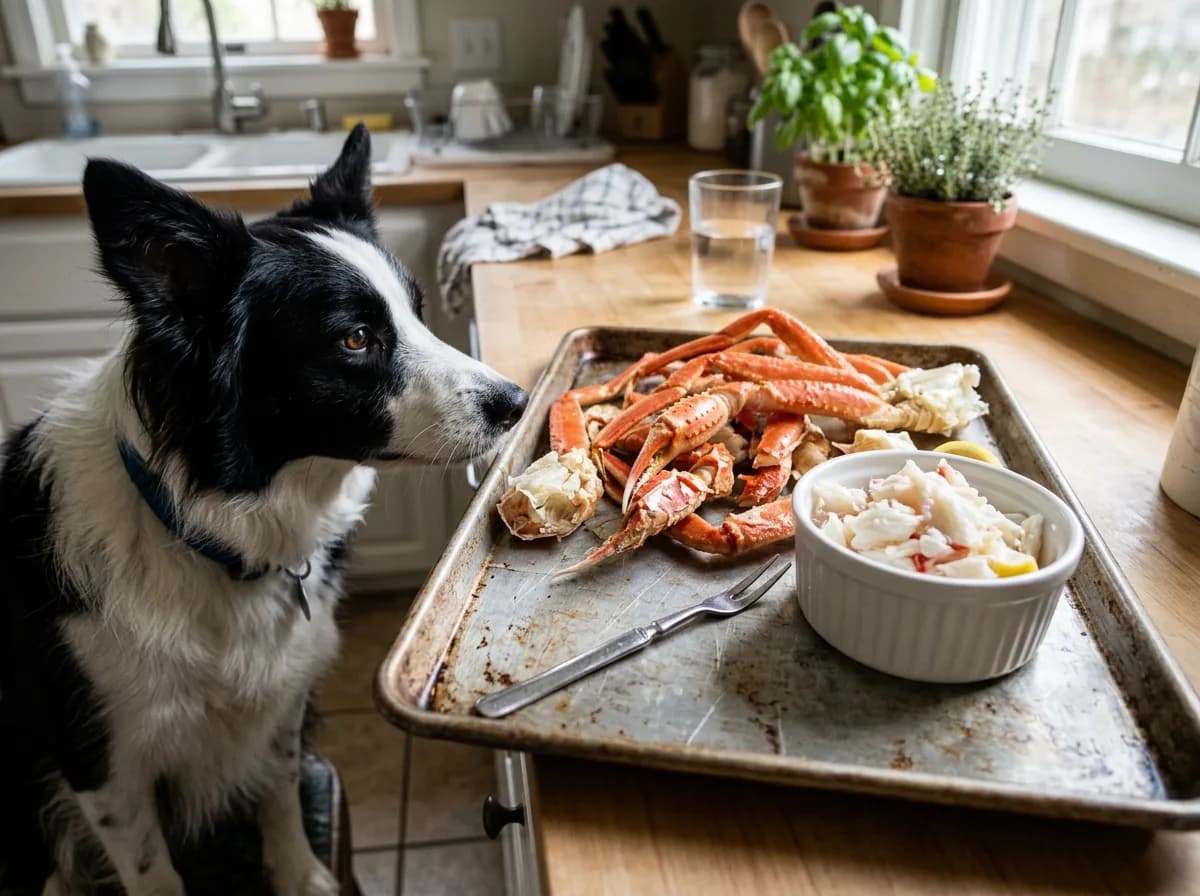
Dogs can eat the meat from crab legs, but never the shell. Crab legs from snow crab, king crab and Dungeness crab all contain the same lean, protein-rich meat that is safe when cooked plain. The challenge is extraction: leg shells are hard and pointed, so you must crack each leg, pull out the clean meat, and discard the shell where your dog cannot reach it.
Snow crab legs, king crab and Dungeness crab are all fine sources of meat for an occasional treat, provided they are cooked without butter, garlic or salt. Steaming or boiling in plain water is best. Avoid letting your dog gnaw on a whole leg, which combines a choking hazard with sharp shell fragments.
Can Dogs Eat Raw or Canned Crab?
Never feed your dog raw crab. Raw crab can carry intestinal parasites, including lung flukes, as well as harmful bacteria that cause vomiting and diarrhea. Thorough cooking kills these organisms, which is why crab should always be steamed or boiled before sharing. This is also why you should never let a dog eat a live or dead crab off the beach, where bacteria and parasites are common.
Canned crab can be acceptable in a pinch, but read the label first. Many canned crab products are packed in salt or brine, which pushes sodium far too high for dogs. Choose a low-sodium or no-salt-added option, rinse it well under cool water to wash off excess salt, and serve only a small amount. Fresh, plain-cooked crab is always the better choice.
Crab and Iodine: A Hidden Risk
One risk owners rarely hear about is iodine. Crab is naturally high in iodine, and while a little iodine is essential, too much can affect thyroid function in sensitive dogs. This is another reason to keep crab an occasional treat rather than a frequent one, particularly for dogs with known thyroid conditions. If your dog has a thyroid disorder or is on a special diet, check with your veterinarian before offering crab or other shellfish.
This iodine and sodium load is also why crab belongs on the same watch list as other rich human foods. Browsing our roundup of foods that can harm your dog is a smart way to learn which kitchen staples to keep off the floor.
Daily dental chew that cleans teeth, freshens breath, and is accepted by the Veterinary Oral Health Council. Sized for dogs 25 to 50 lbs.
Petful may earn a commission when you click through to Chewy, at no extra cost to you.
Are Dogs Allergic to Crab?
Some dogs are allergic to shellfish, including crab, though it is relatively uncommon. Because crab is a novel protein for most dogs, the first few servings are the time to watch most closely. A reaction can range from mild skin irritation to a rare, life-threatening emergency.
- Skin reactions: itching, hives, redness or inflamed skin.
- Gastrointestinal upset: vomiting, diarrhea or abdominal pain.
- Respiratory signs: coughing, wheezing or difficulty breathing.
- General discomfort: lethargy or unusual behavior.
- Anaphylaxis (rare): sudden swelling, severe breathing trouble, collapse or shock, a medical emergency.
If you notice any of these signs after feeding crab, stop offering it immediately and call your veterinarian. For the milder, more common reactions, our guides on dog food allergies and vomiting and diarrhea in dogs explain what to monitor and when to seek help.
How to Safely Prepare Crab for Your Dog
If you decide to share crab, preparation is what keeps it safe. The process is simple, but every step matters.
- Cook it thoroughly: steam or boil fresh crab in plain water until fully cooked to kill parasites and bacteria.
- Remove every shell: pick the meat clean and double-check for shell, cartilage or sharp fragments.
- Keep it plain: no butter, oil, salt, garlic, onion, lemon or seasoning of any kind.
- Cool and portion: let the meat cool, then break it into small, size-appropriate pieces.
- Start small: offer a tiny amount the first time and watch for 24 to 48 hours before serving again.
- Cook crab in a separate batch from the family's seasoned portion. Set aside a few pieces of plain meat before you add any butter or spice, so your dog gets a treat that is genuinely safe rather than a quick scoop from a seasoned dish.
Frequently Asked Questions
Yes, dogs can eat cooked crab when it is plain, fully cooked and completely shell-free. Cooking kills parasites and bacteria found in raw crab, making it the only safe form to share. Skip any butter, salt, garlic or seasoning, serve a small portion based on your dog's size, and watch for digestive upset the first time you offer it.
Dogs can eat small amounts of plain, cooked, peeled shrimp, but imitation crab is not recommended. Shrimp must be fully cooked with shells, tails and heads removed. Imitation crab, by contrast, is heavily processed with salt, sugar, dyes and preservatives, so it offers no benefit and is best avoided. When sharing seafood, stick to plain, real, cooked options.
Dogs should avoid raw fish and raw shellfish, which carry parasites and bacteria, plus anything fried, breaded or heavily seasoned. Keep dogs away from imitation crab, crab cakes, crab rangoon, salted or smoked fish, and fish with small bones. Shells from crab, shrimp and lobster are also off-limits because they pose choking and blockage risks.
No, dogs should never eat lobster or crab shells. Like crab shells, lobster shells are hard, sharp and brittle, so they can splinter and cause choking, mouth injuries or a dangerous intestinal blockage. Only plain, fully cooked, shell-free lobster or crab meat is safe, and even then it should be an occasional treat in small amounts.
If your dog ate a small piece of imitation crab, it will likely cause only mild stomach upset, so offer fresh water and watch for a day. If your dog ate a large amount or shows continuous vomiting, diarrhea or lethargy, call your veterinarian. The main concerns are high sodium and artificial additives, which are why imitation crab should not be a regular treat.
No, dogs should never eat raw crab. Raw crab can harbor intestinal parasites such as lung flukes and harmful bacteria that cause vomiting and diarrhea. Always cook crab thoroughly by steaming or boiling, and never let your dog eat a crab off the beach. Serve only plain, cooked, shell-free crab meat in small amounts.

Carol Bryant is the founder FidoseofReality.com and SmartDogCopy.com. A pet product expert, Carol is the Past President of the Dog Writers Association of America (DWAA) and winner of Best Dog Blog. A dog lover of the highest order is how Gayle King introduced Carol when she appeared with her Cocker Spaniel on Oprah Radio’s Gayle King Show to dish dogs. She helps pet, animal, and lifestyle brands achieve copywriting and content marketing success using well-trained words that work and is well-known in the pet industry.
Veterinarian · BVMS, MRCVS
Dr. Pippa Elliott, BVMS, MRCVS, is a veterinarian with nearly 30 years of experience in companion animal practice. Dr. Elliott earned her Bachelor of Veterinary Medicine and Surgery from the University of Glasgow. She was also designated a Member of the Royal College of Veterinary Surgeons. Married with 2 grown-up kids, Dr. Elliott has a naughty Puggle named Poggle, 3 cats and a bearded dragon.
Sign up for expert-backed reviews and safety alerts all in one place.