Norwegian Lundehund Breed Profile: Essential Facts
These dogs have 6 toes on each paw, as well as incredibly flexible spines and energetic personalities.

Petful is reader supported. As an affiliate of platforms like Amazon and Chewy, we may earn a commission when you buy through links on this page. There is no extra cost to you.
- AKC Group: Non-Sporting
- Weight: 13–20 lbs.
- Height: 12–15 in.
- Life Span: 12–13 years

Sign up for expert-backed reviews and safety alerts all in one place.
Key Characteristics
The Norwegian Lundehund (Lundie) is an agile breed with some unique characteristics.
Lundies have 6 toes on each foot, elongated rear foot pads, a highly elastic neck that allows the head to fold backward almost to the spine, and shoulders that are flexible enough to allow the front legs to extend flat to the side.
Lundies have triangular, medium-sized ears that are held erect and can be folded and turned up, backward or at a right angle to allow the ear opening to completely close.
Their almond-shaped eyes are brown to yellow-brown in color.

Presoaked sterile pads that gently wipe away everyday debris, discharge, and tear stains from around a dog's or cat's eyes as part of routine grooming. An easy way to keep the eye area clean and comfortable between baths.
Petful may earn a commission when you click through to Chewy, at no extra cost to you.
The tail is set high, is of medium-length and forms an arch over the back when the dog is in motion. When the dog is at rest, the tail hangs down with a slight curve.
Coat colors range from reddish-brown to fallow with black hair tips, black, or gray all with white markings or white with dark markings.
Where They Came From
According to the American Kennel Club, “The name Lundehund is a combination of the Norwegian words lunde, the puffin bird, and hund, meaning dog.”
The breed originated in the Lofoten Islands, an archipelago north of the Arctic Circle, where the dogs hunted puffins. The dogs' polydactyl paws and flexibility allowed them to climb cliffs and flush the birds out of caves.
Considered to be more valuable than cows, Lundies were a popular choice for Norwegian townspeople, who often had up to a dozen of these dogs at any one time. But once the government started levying taxes on the dogs in the 1800s, the Lundies' numbers declined.
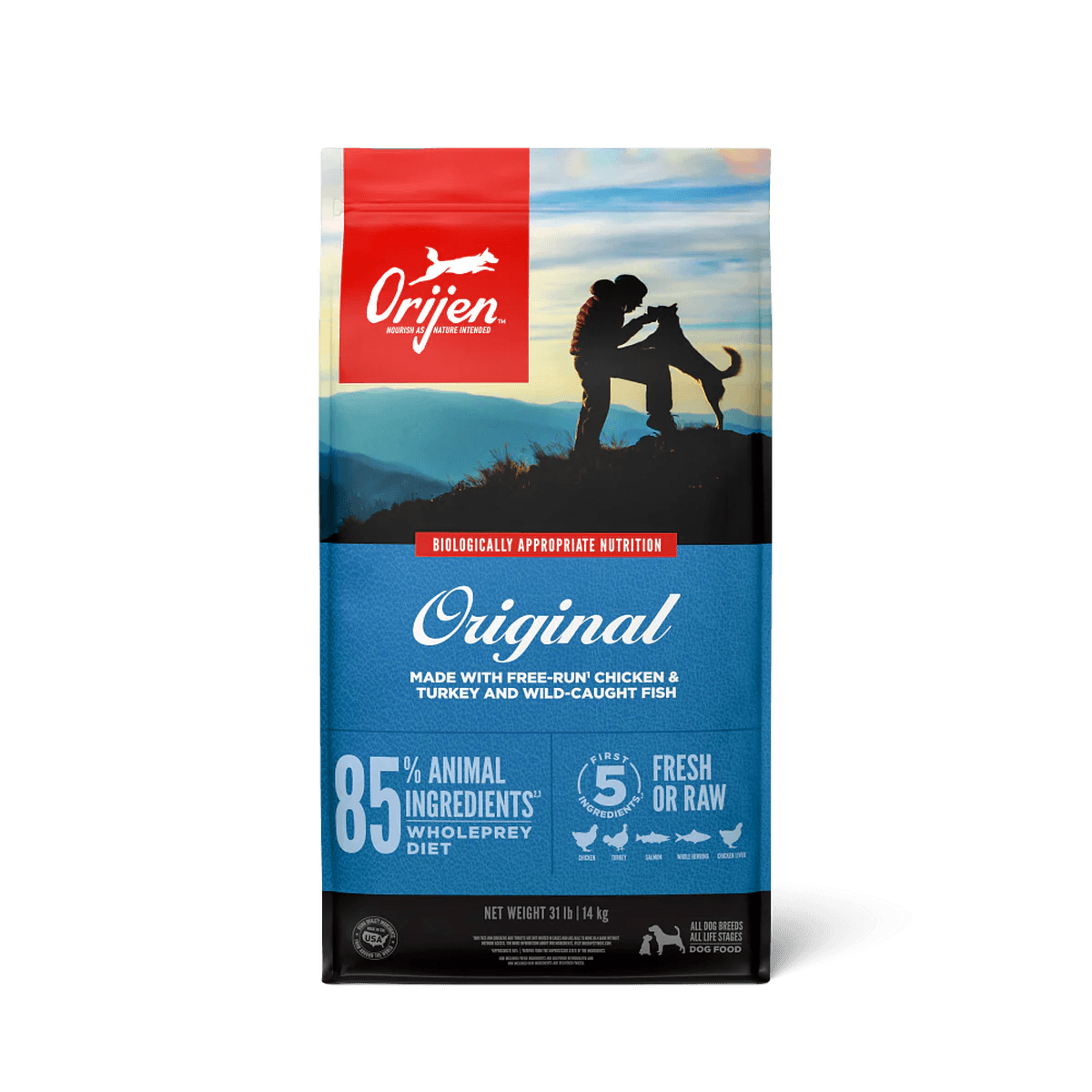
A grain-free kibble built around named whole-protein sources. Best for active adult dogs; the high fat content is more than many sedentary pets need.
Petful may earn a commission when you click through to Chewy, at no extra cost to you.
Shortly thereafter, hunting puffins with nets rather than with dogs gained popularity. And when the puffin was declared an endangered species, the breed's numbers hit an all-time low.
A Norwegian woman named Eleanor Christie and her husband worked to re-establish the breed’s numbers and managed to get more than 60 Lundies into their kennel in the 1930s.
However, during WWII, distemper took many of the dogs, and when Christie decided to restart her breeding program, there were only 6 Lundies left. Today, this remains a rare breed.
The Norwegian Lundehund was not officially recognized as a breed until 1943 and was formally recognized in July 2008 by the American Kennel Club (AKC).
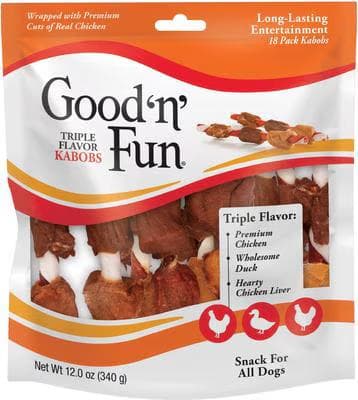
High-value training treats matter for a Belgian Malinois: the breed's drive demands a reward that genuinely earns the work. These triple-flavor kabobs (chicken, duck, chicken liver) hit the high-value tier without going to raw meat. 18-count bag carries a week of training sessions for a working-line Mal.
Petful may earn a commission when you click through to Chewy, at no extra cost to you.

How Friendly Are They?
Norwegian Lundehunds are energetic, alert, loyal and friendly. Wary of strangers, they aren't generally aggressive.
Lundies enjoy both play sessions and cuddle time with their humans and will happily do either for hours. This breed is also curious and highly intelligent.
Lundies are excellent hunters and respond well to agility training. Crate training is almost mandatory -- these dogs are difficult to house-train and need a strong leader. Lundies can also bark excessively while asserting dominance.
As with any breed, consistency is key to successfully training Lundies.
The dogs get on well with other pets and animals, provided they are well socialized. Water birds and fish are another story, though -- the Lundie was bred to hunt puffins, so yours may see these animals as prey.

Petful may earn a commission when you click through to Chewy, at no extra cost to you.
Is This the Right Dog for You?
Exercise Needs
MEDIUM: Norwegian Lundehunds need daily exercise to keep them from becoming bored and destructive. They greatly enjoy playtime and do well in a small, fenced-in area in which they can play.
Lundies love to hike, so take yours out on the trail.
Grooming Needs
LOW: Lundies should be combed regularly with a firm-bristle brush that reaches the undercoat.
Bathe the dog as necessary. Keep in mind that this breed is a heavy shedder, so during warm seasons brush your dog more often than usual.
Health Problems
MEDIUM: Norwegian Lundehunds are generally healthy but are prone to certain diseases, such as: Protein-losing enteropathy (PLE) Intestinal lymphangiectasia (IL) Small intestinal bacterial overgrowth (SIBO) Intestinal bowel disease (IBD) Luxating patellae Various eye diseases, such as cataracts
This adorable Lundehund can't decide which is better -- playing with the stuffed animal or taking a nap:
Where to Adopt One
Many Norwegian Lundehunds across the United States need good homes. Some are purebreds.
Start your search for the perfect Norwegian Lundehund for your home with Petful's free adoptable pet search.
If you decide to go the breeder route, be sure to familiarize yourself with the various puppy mill warnings — and ask for health clearances when you tour the property. A good breeder will keep this information handy.
Related Dog Breed Profiles You May Like
- Norwich Terrier Breed Profile: Essential Facts
- Old English Sheepdog Breed Profile: Essential Facts
- Polish Lowland Sheepdog Breed Profile: Essential Facts
- Portuguese Water Dog Breed Profile: Essential Facts
- Presa Canario Breed Profile: Essential Facts
Frequently Asked Questions (FAQ)
Norwegian Lundehunds are rare due to their historical near-extinction, a small breeding population, and their unique genetic traits, which make them difficult to breed successfully. They were originally bred to hunt puffins but lost their purpose as hunting methods changed.
A Norwegian Lundehund puppy typically costs between $2,000 and $3,500, depending on the breeder, pedigree, and location.
There are estimated to be fewer than 1,500 Norwegian Lundehunds worldwide, with most found in Norway and small populations in other countries.
No, Norwegian Lundehunds are not naturally aggressive. They are friendly but can be reserved with strangers. Proper socialization helps ensure they develop a well-balanced temperament.
Additional Resources
- The American Kennel Club’s Norwegian Lundehund Page
- The Norwegian Lundehund Association of America
- The Canadian Kennel Club’s Norwegian Lundehund Page

Melissa Smith has been researching and writing about pet behaviors for several years. Her work has been recognized with Certificates of Excellence from both the Dog Writers Association of America and the Cat Writers’ Association. A longtime animal lover, Melissa is a professional pet sitter on Cape Cod through her company, Fresh Start Services.
Sign up for expert-backed reviews and safety alerts all in one place.