Welsh Springer Spaniel Breed Profile: Essential Facts
Welsh Springer Spaniels are energetic dogs who love being close to their family members — so much that they are called "Velcro" dogs.
- AKC Group: Sporting
- Weight: 35–45 lbs.
- Height: 17–19 in.
- Life Span: 15 years

Sign up for expert-backed reviews and safety alerts all in one place.
Key Characteristics
The Welsh Springer Spaniel is a compact hunting dog sometimes thought to be a type of English Springer Spaniel, but they are actually 2 distinct breeds.
An interesting feature of some Welsh Springer Spaniels is webbed feet.
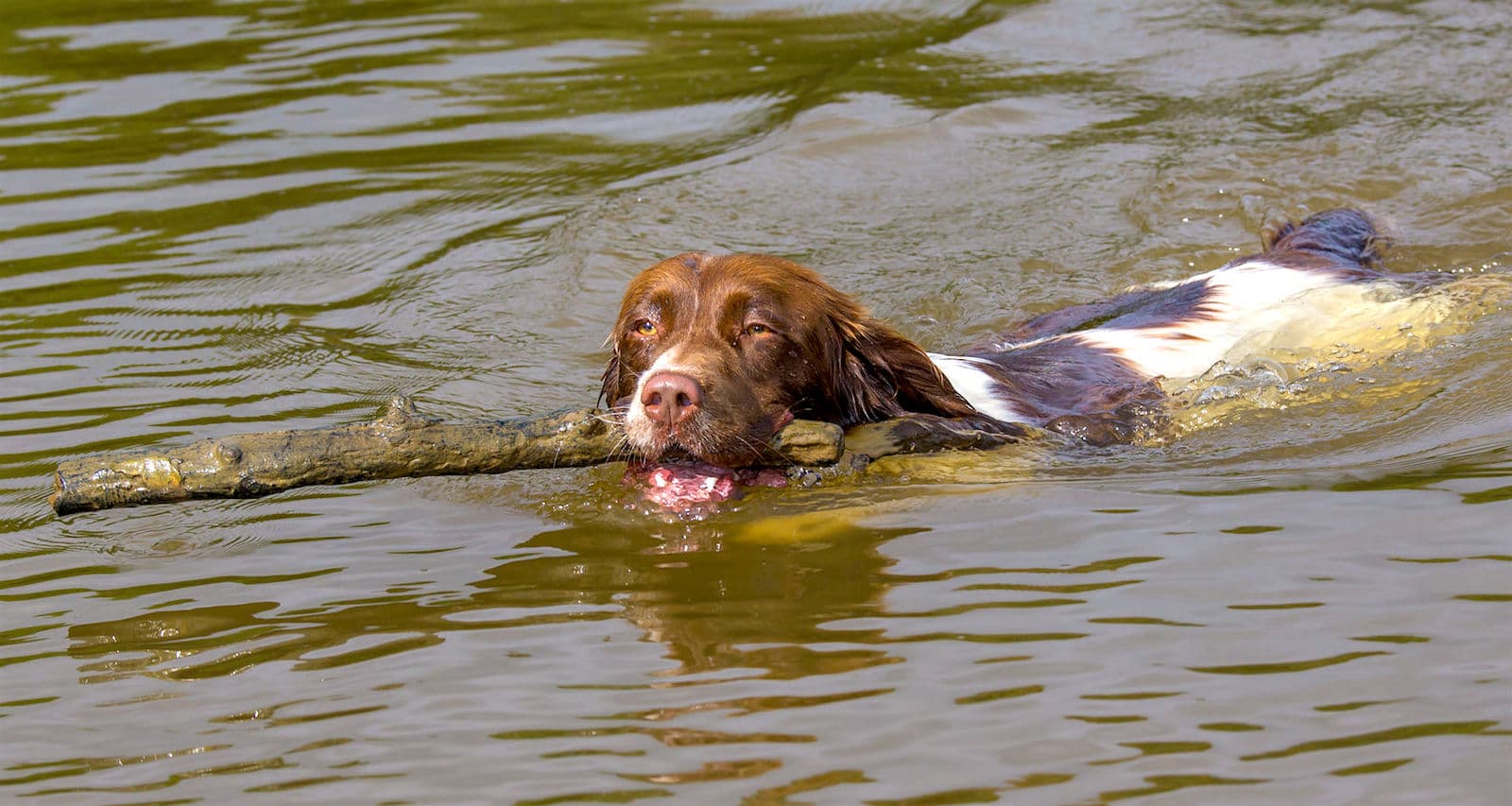
The nose is black or brown, and the oval eyes are brown. Their long ears are covered with hair, and the tail is usually docked on working dogs (tail docking is illegal in most of Europe for non-working dogs).
The coat is red and white and of medium length, and the hair is either straight or wavy.
Where They Came From
Ancestors of the Welsh Springer Spaniel date to 7000 B.C. and were used as hunting dogs in Wales. These dogs later developed into the Agassian Hunting Dogs in 250 B.C.
During the Renaissance, a red-and-white retriever started appearing on tapestries. The dog was popular in the 1700s but lost favor in the 1800s. When Darwin's evolution theory gained momentum, selective breeding programs were started that included the Welsh Springer Spaniel.
The breed was revitalized and began competing in dogs shows in the English Springer Spaniel class. The breed was added to the American Kennel Club's registry in 1906.
After World War II, no Welsh Springer Spaniels were registered with the AKC, and more dogs were imported to the United States. The breed's revival was followed by the formation of the Welsh Springer Spaniel Club of America in 1961.

How Friendly Are They?
These active, loyal dogs are close to their family members -- so close, in fact, that they're often referred to as "Velcro" dogs.
They can be stubborn, so training should start as early as possible. Positive reinforcement is strongly recommended because the breed does not respond well to harsh discipline.
They are generally good with children, dogs and other pets. They may be reserved with strangers and should be thoroughly socialized.
Is This the Right Dog for You?
Exercise Needs
HIGH: The Welsh Springer Spaniel is energetic, so plan on daily walks and play time to expel energy and prevent negative behavior.
Running and playing outdoors will help them burn off energy, but be sure to exercise your dog on a lead or within a secure area when outdoors because of their hunting instincts.
They typically do well in apartments if their exercise needs are met.
Grooming Needs
MEDIUM: Welsh Springer Spaniels shed an average amount — brush yours a few times during the week, and more so during periods of excess shedding. Bathe as needed.
Spaniels who hunt should be checked for debris and insects when returning indoors from fields, swamps or wooded areas. Trim the hair between the paw pads, especially for outdoor working spaniels.
Regularly trim your Welsh Springer Spaniel's nails, and clean the teeth and ears.
Health Problems
MEDIUM: There are a few genetic health problems associated with this breed: Hip problems (dysplasia) Epilepsy Entropion Eye conditions (glaucoma and cataracts) Watch this Welsh Springer Spaniel pup go!:
Where to Adopt One?
Welsh Springer Spaniels may not be easy to find, but you can search our database to get started. Contact local rescues and shelters -- purebred dogs often end up there.
If you decide to go with a breeder, meet the parents and observe the living conditions of the dogs and puppies. Ask for health clearances on the parents.
Related Dog Breed Profiles You May Like
- West Highland White Terrier Breed Profile: Essential Facts
- Xoloitzcuintli Breed Profile: Essential Facts
- Bull Terrier Breed Profile: Essential Facts
- Cairn Terrier Breed Profile: Essential Facts
- Canaan Dog Breed Profile: Essential Facts
Frequently Asked Questions (FAQ)
Yes, Welsh Springer Spaniels make excellent pets. They are affectionate, loyal, and good with families, but they require regular exercise and mental stimulation.
Welsh Springer Spaniels are slightly smaller, have a red-and-white coat, and are more reserved with strangers compared to the larger, more outgoing English Springer Spaniel, which comes in various color patterns.
Yes, Welsh Springer Spaniels shed moderately year-round, with heavier shedding during seasonal changes. Regular brushing helps control loose hair.
Welsh Springer Spaniels are considered a rare breed, especially outside the UK. They have a smaller breeding population compared to English Springer Spaniels.
Additional Resources
- American Kennel Club's Welsh Springer Spaniel Page
- Welsh Springer Spaniel Club of America
- Canadian Kennel Club's Welsh Springer Spaniel Page
- The Welsh Springer Spaniel Club (United Kingdom)

Kristine Lacoste has been researching dog and cat breeds for nearly a decade and has observed the animals up close at dog shows in both the United States and the United Kingdom. She is the author of the book One Unforgettable Journey, which was named as a finalist for a Maxwell Award from the Dog Writers Association of America, and was host of a weekly pet news segment on the National K-9 Academy Radio Show. In addition, she was the New Orleans coordinator for Dogs on Deployment, a nonprofit that helps military members and their pets, for 3 years. Kristine has researched and written about pet behaviors and care for many years. She holds a bachelor’s degree in psychology, another bachelor’s degree in English and a Master of Business Administration degree.
Sign up for expert-backed reviews and safety alerts all in one place.