Funny Photos of Cats in Clothes (Plus When It Is Actually Safe)
A gallery of 9 genuinely funny photos of cats in clothes, from grumpy sweater cats to costume divas, paired with a vet-informed guide on when dressing your cat is safe, when it is not, and how to read the difference.
Petful is reader supported. As an affiliate of platforms like Amazon and Chewy, we may earn a commission when you buy through links on this page. There is no extra cost to you.
There is something deeply, universally funny about cats in clothes. A creature that spends its whole life radiating supreme dignity, suddenly stuffed into a tiny sweater and standing frozen like a furry statue. Below you will find nine of the best photos of cats in clothes we could round up, from grumpy knitwear models to full-blown costume divas.
But because we are Petful and not just a meme account, we are also going to answer the question every responsible cat parent eventually asks: is it actually okay to dress up your cat? Stick around past the gallery for the vet-informed part. It is the difference between a cute photo and a stressed-out kitty.
Dressing a cat is fine for short, supervised, voluntary moments, and genuinely useful for hairless breeds in cold rooms or for vet-guided post-surgery recovery suits. It is not okay when the outfit restricts movement, grooming, breathing, or litter-box use, or when your cat shows stress signals like freezing, flat ears, or a hunched, tucked posture. When in doubt, the photo is not worth it.

Sign up for expert-backed reviews and safety alerts all in one place.
9 Funny Photos of Cats in Clothes
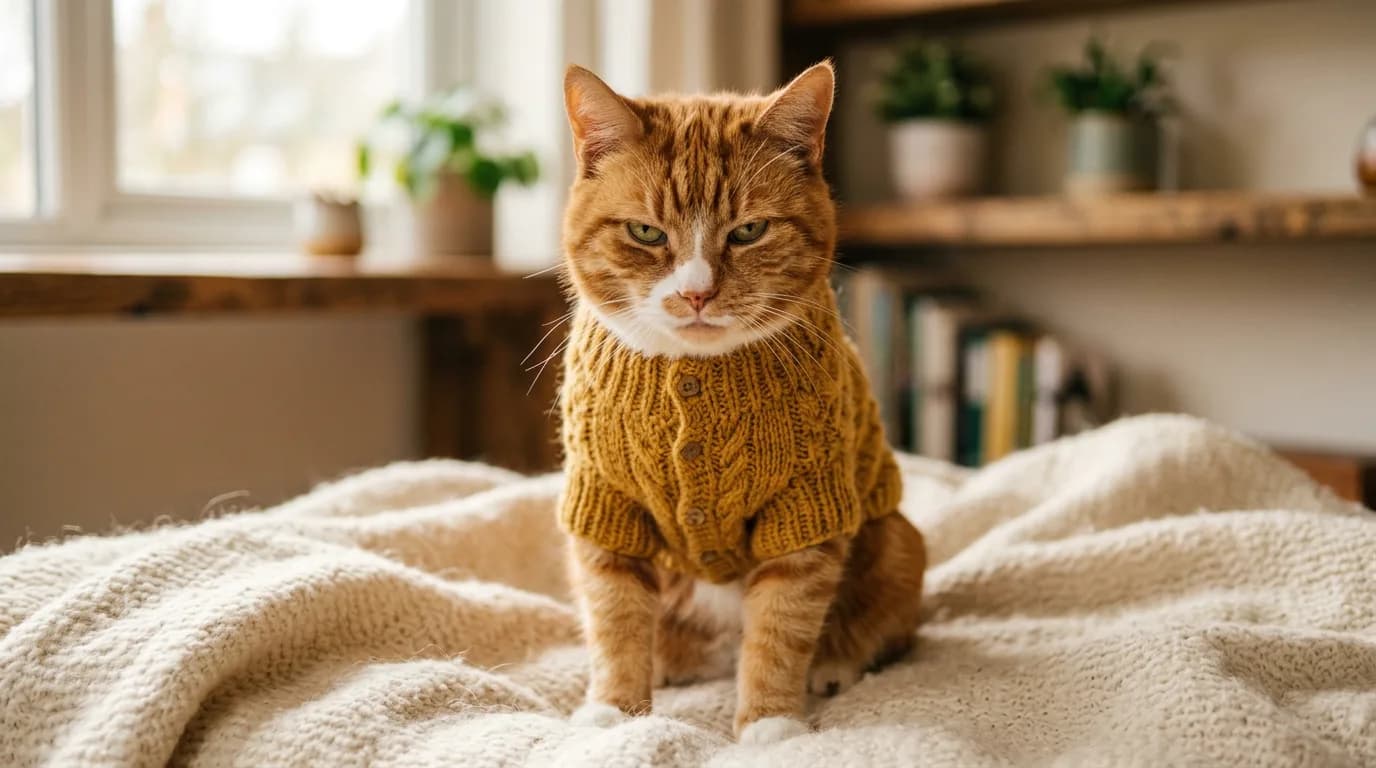
Each of these captures the exact comic energy that makes this genre so beloved: a dignified animal, an undignified outfit, and a facial expression that says someone is getting reported to management. We deliberately mixed it up across breed, coat, and outfit, so you get everything from cute cats in clothes to cats in fancy clothes to cats in Christmas clothes. Diversity of comedy ahead.
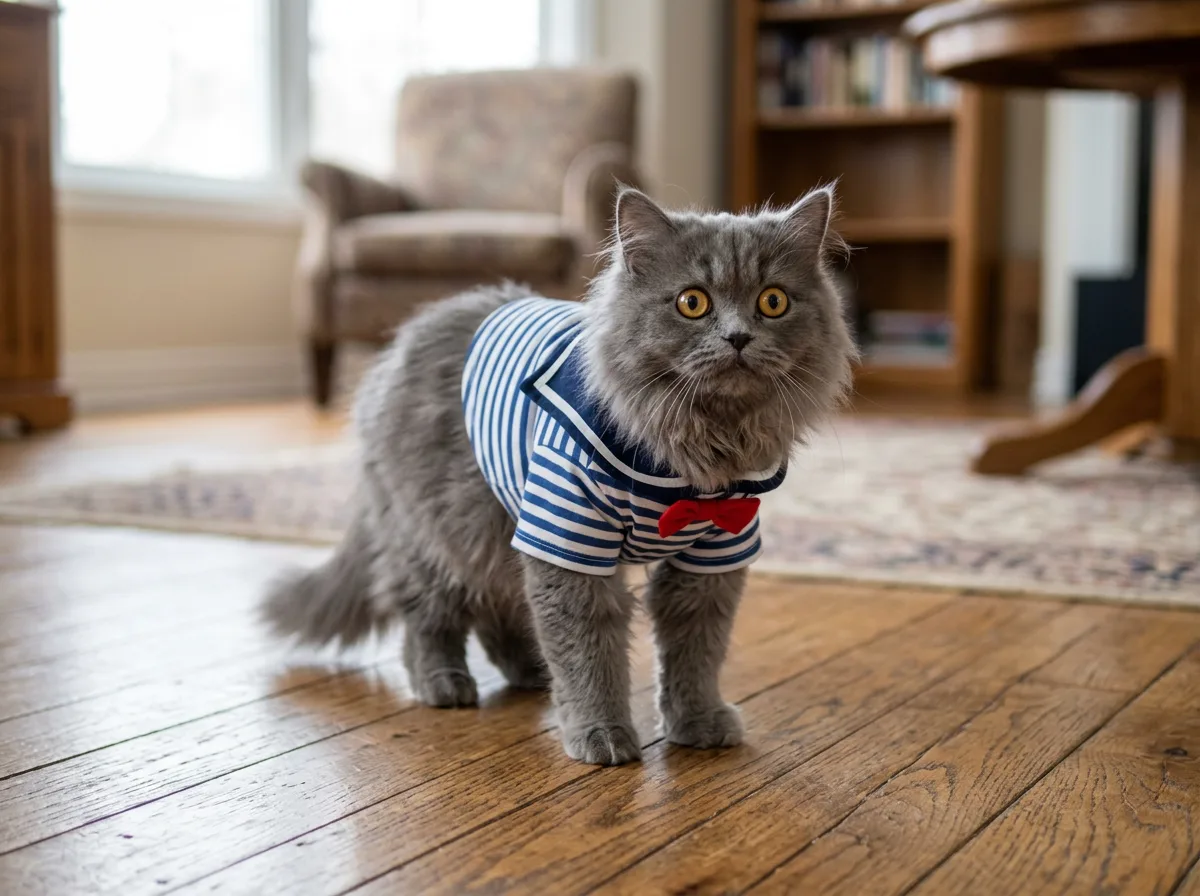
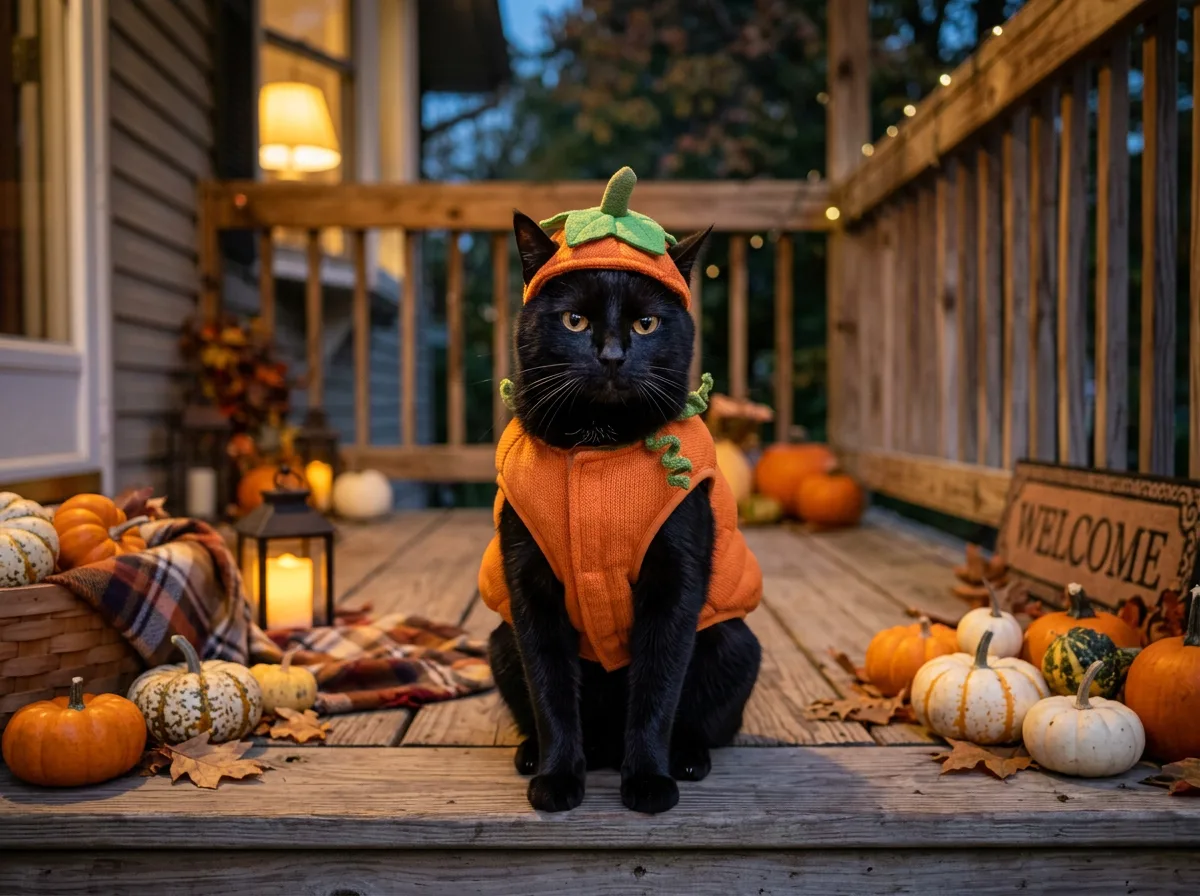
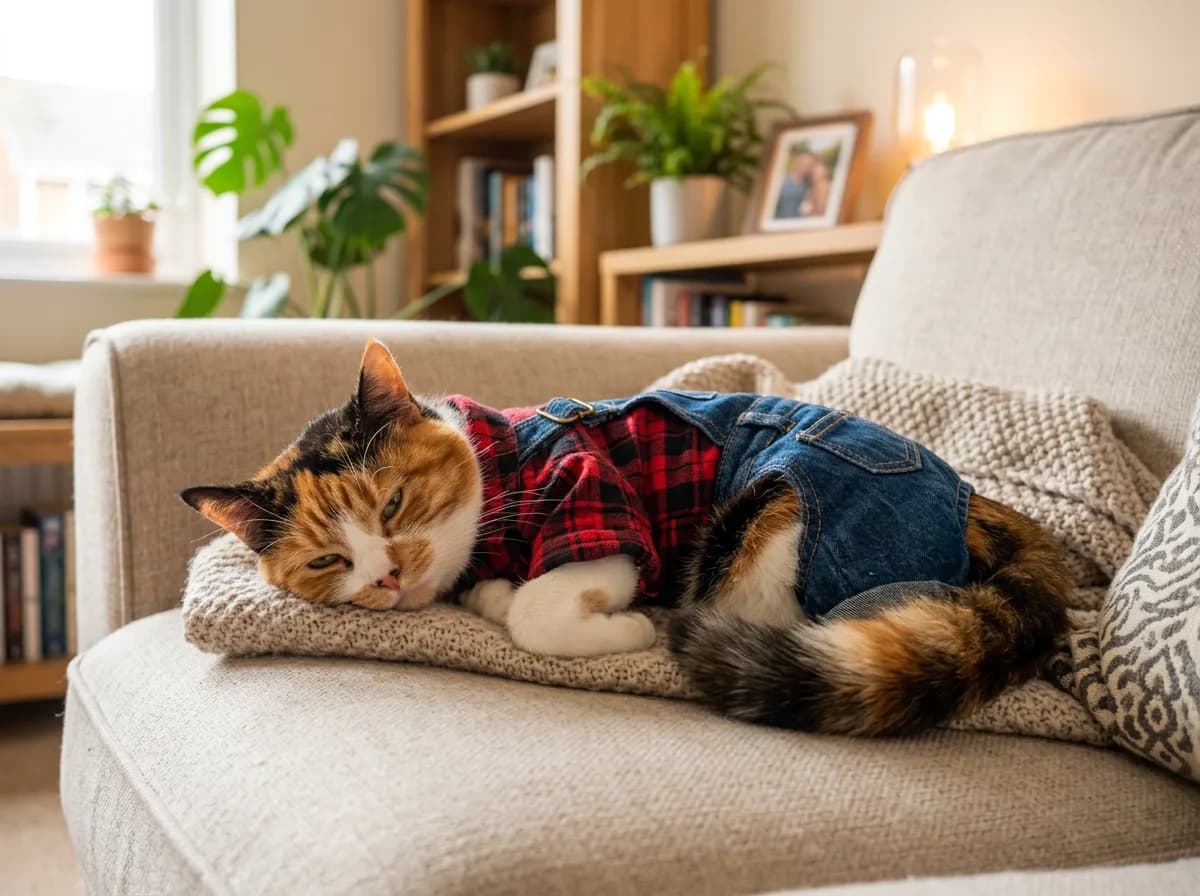
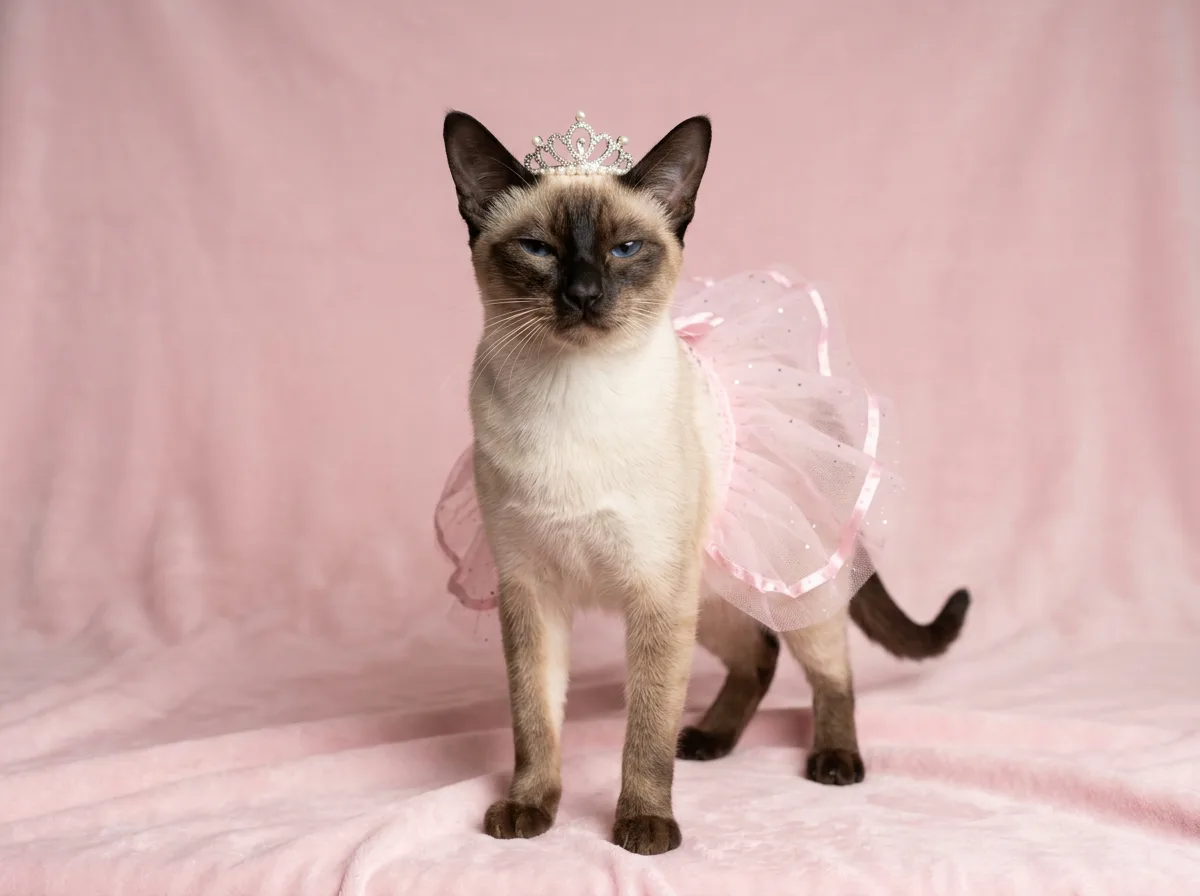
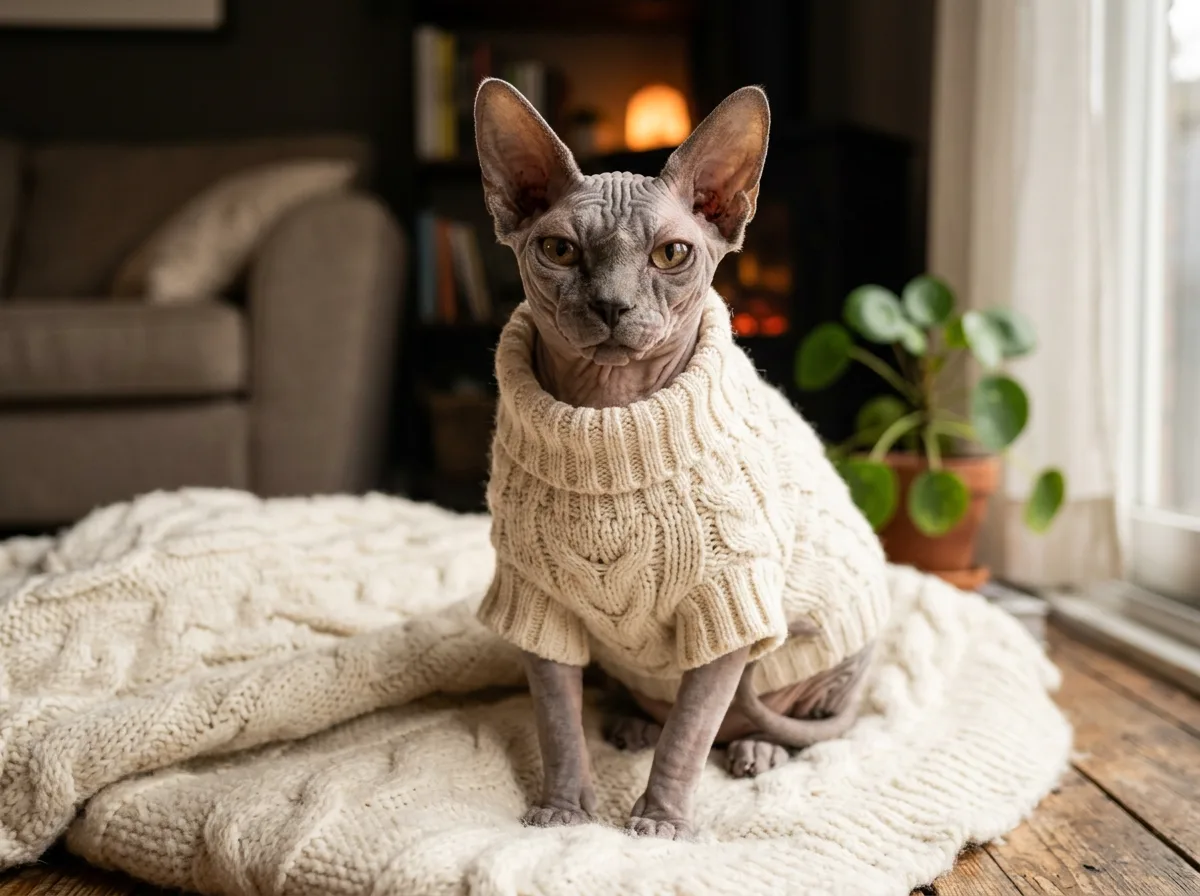
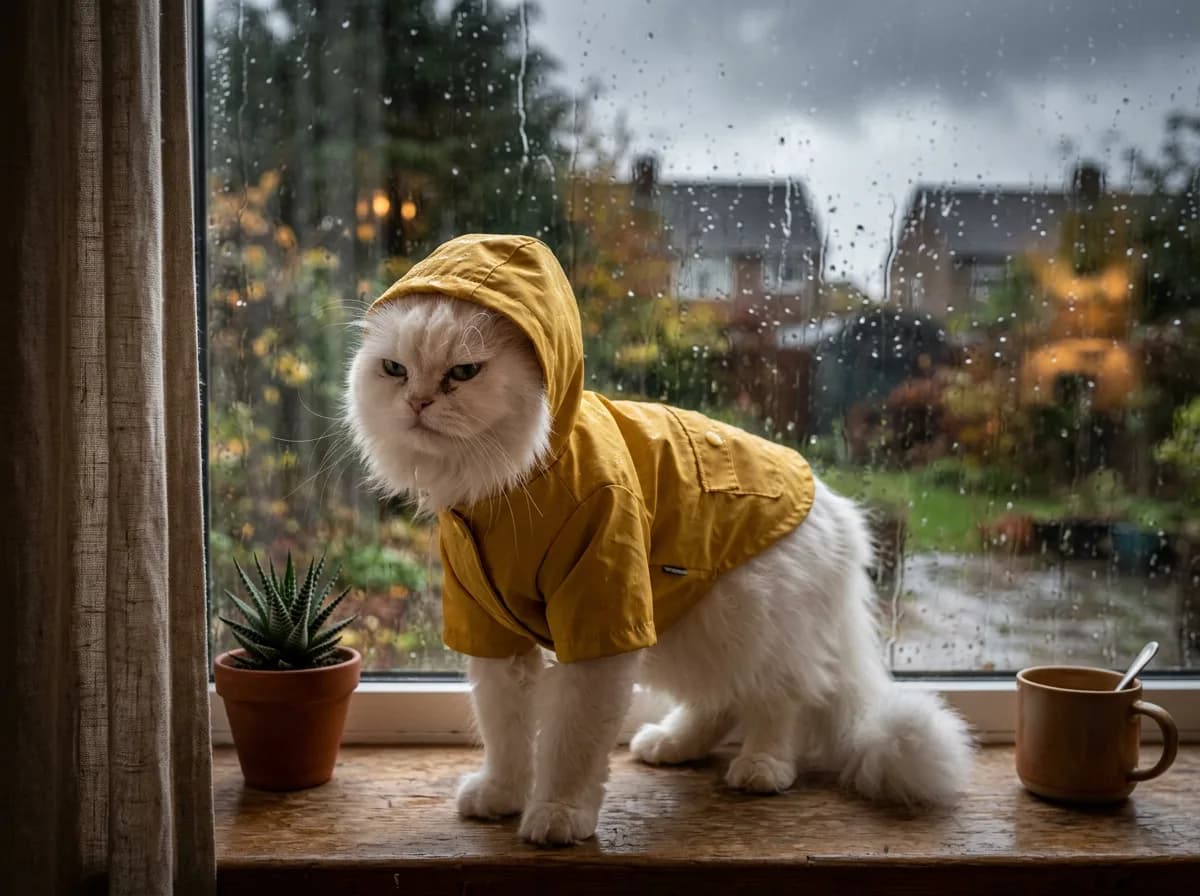
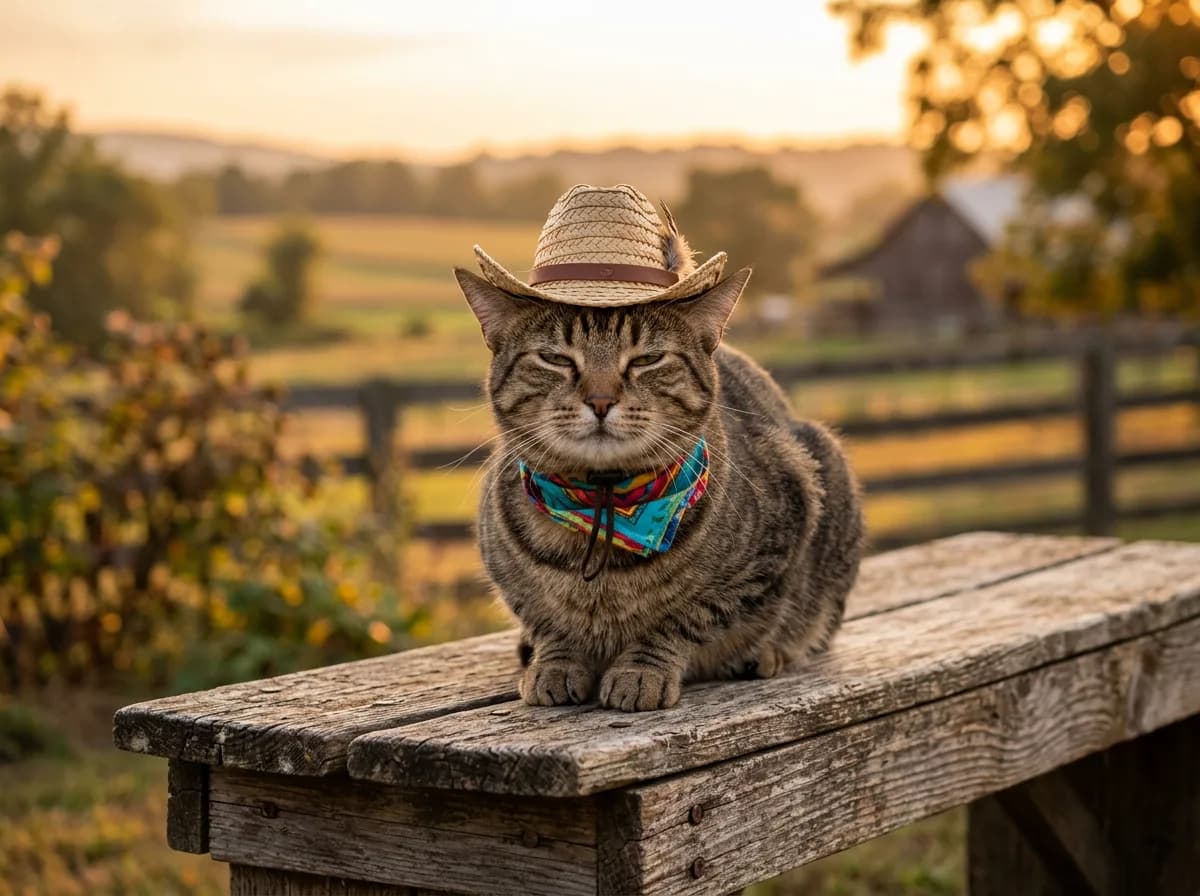
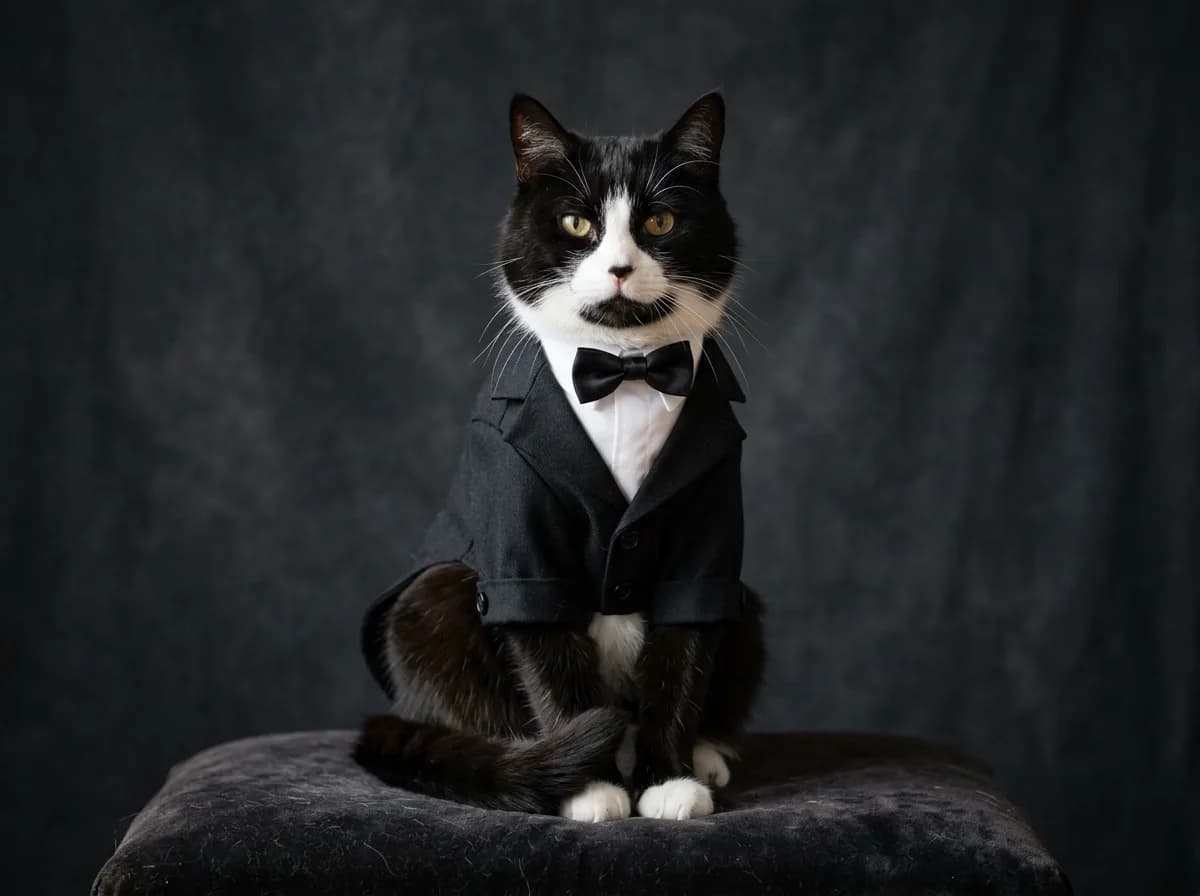
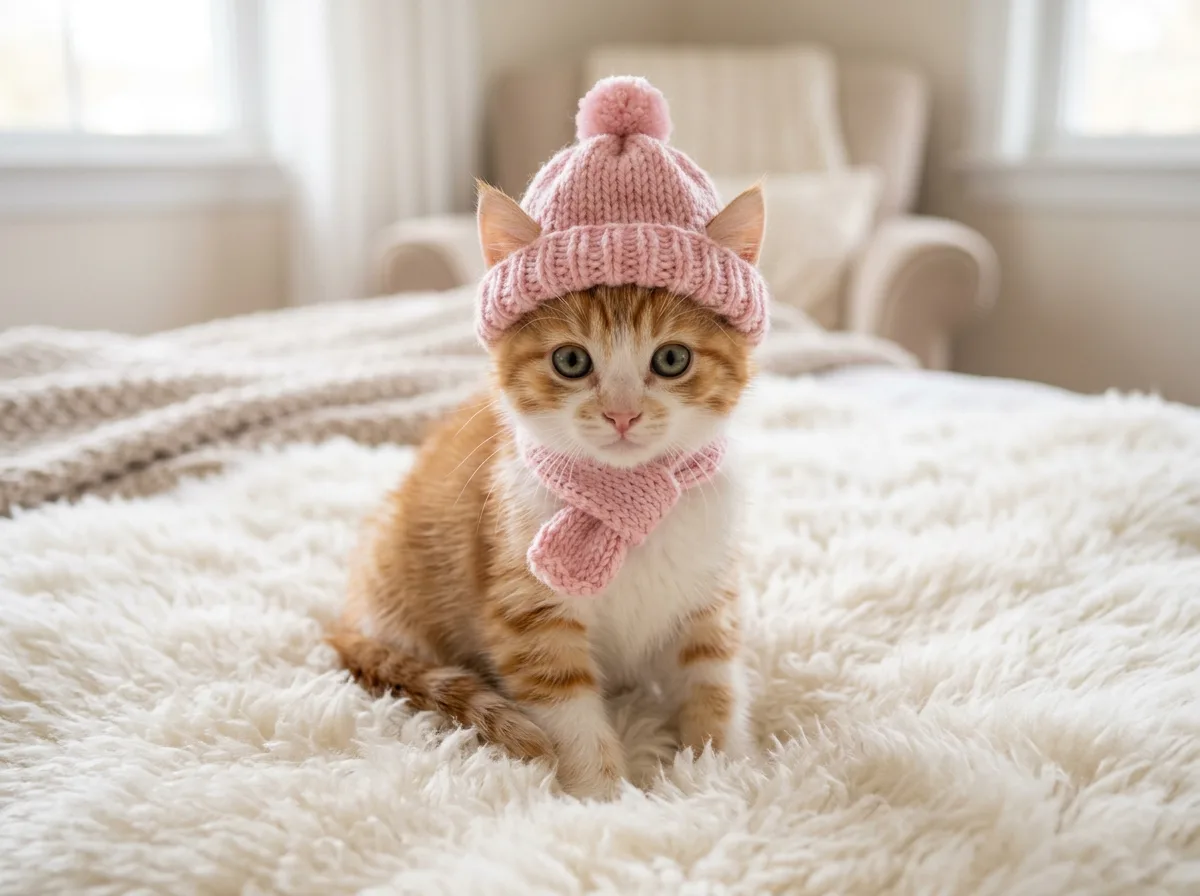
- The funniest photos almost always come from a relaxed cat in a soft, lightweight garment worn for under a minute. Have treats ready, shoot fast, and let your cat walk away the second it wants to. A calm cat photographs better than a frozen one anyway.

63-inch multi-level cat tree with scratch posts, hammock, plush perches, and dangling toys. Vertical territory is non-negotiable for high-energy climbing breeds like the Bengal.
Petful may earn a commission when you click through to Chewy, at no extra cost to you.
Is It Okay to Put Cats in Clothes?
Dressing a cat is generally not recommended unless it serves a practical purpose, such as warmth for a hairless breed or a vet-guided medical recovery suit, says feline charity Cats Protection. The ASPCA adds that any outfit must not limit a cat's movement, sight, or ability to breathe or meow. Keep it lightweight, brief, supervised, and optional.
The short version: a thirty-second photo with a willing cat is a different thing from leaving a sweater on all day. Cats regulate heat partly by grooming and by moving in and out of warm spots, and a snug garment quietly interferes with both. So whether cats should wear clothes really comes down to two questions: is there a real reason, and is this individual cat genuinely okay with it?
Good reasons to dress a cat
- Hairless breeds in the cold. Sphynx, Devon Rex, and similar low-coat cats lose heat fast and may benefit from a lightweight sweater in a chilly room. Purdue veterinarian Dr. Lorraine Corriveau notes a sweater is really only needed when a hairless cat goes into a cold environment. See our full Sphynx cat breed profile for how much these cats feel temperature.
- Medical recovery. A soft surgical onesie or recovery suit is often a far less stressful alternative to the plastic cone for protecting stitches or a hotspot. This should be vet-guided.
- Calming pressure. Some cats settle in a snug anxiety wrap during fireworks or storms, similar to a swaddle. It works for some cats and does nothing for others.
When to skip the outfit
- The garment covers the face or ears, or restricts the legs or tail.
- Your cat cannot walk, jump, groom, see, breathe, meow, or reach the litter box normally.
- It is warm out, or the fabric is heavy, hot, or scratchy. A furred cat already wears a natural coat and can overheat in a second layer.
- Your cat is showing stress signals (see the table below) the moment it goes on.
- The ASPCA warns to check any pet outfit for small, dangling, or easily chewed-off pieces that could become a choking hazard. Loose clothing, straps, and costume accessories can also snag on furniture, claws, or teeth and turn into an entanglement or strangulation risk. A dressed cat should be watched every second the outfit is on, and the outfit should come off the moment you are done.
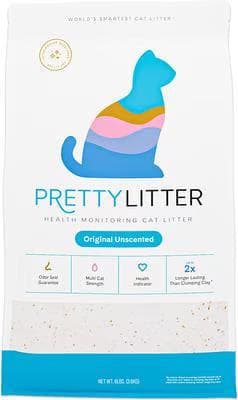
Color-changing crystal litter that flags pH shifts in your cat's urine, an early warning sign of UTIs, kidney issues, and more.
Petful may earn a commission when you click through to Chewy, at no extra cost to you.
Cats in Winter Clothes: Do They Need Them? (And the Christmas-Sweater Question)
Most cats do not need clothes in winter. A normal-coated cat's fur is usually all it takes to stay warm, and adding a layer on top can make the cat overheat, says Cats Protection. The big exception is hairless and very thin-coated breeds, which lose heat quickly and may genuinely benefit from a soft sweater in a cold room. For everyone else, a warm bed beats a cardigan.
This is worth keeping in mind every December, because cats in Christmas clothes and cats dressed up for the holidays are everywhere on social feeds. A quick festive photo of a willing cat is harmless. The trouble starts when the Santa suit, the reindeer antlers, or the elf collar stays on through dinner. Treat a holiday outfit exactly like any other: lightweight, supervised, brief, and off the moment your cat says it is done.
Cat costumes vs. everyday cat clothes
Costumes deserve extra caution because they pack in the riskiest features: hats, hoods, capes, bells, ribbons, and dangling bits. The ASPCA's costume rule is the right standard for any dress-up moment, holiday or not: the outfit must not limit movement, sight, or the ability to breathe or meow, and you should never put a cat in a costume unless you know it loves it. If your cat tolerates a soft sweater but panics in a full costume, that is useful information, not a challenge to overcome. For the dog version of this, see our roundup of the best dog costumes for Halloween.
How to Tell If Your Cat Is Comfortable or Stressed
This is the single most useful skill for anyone who wants funny pet photos without crossing into unkind territory. Cats are masters at hiding discomfort, so the signals are subtle. Cats Protection lists a clear set of distress signs, and the contrast with a relaxed cat is stark once you know what to look for.
| Body part | Relaxed and okay | Stressed, take it off |
|---|---|---|
| Body posture | Standing or sitting normally, willing to walk | Frozen, hunched, crouched low, or tucked tight |
| Ears | Forward and neutral | Flattened sideways or pinned back |
| Eyes | Soft, normal pupils, slow blinks | Wide, dilated pupils, hard stare |
| Tail | Loose, neutral, or gently upright | Tucked tightly or lashing |
| Movement | Walks, plays, accepts a treat | Refuses to move, falls over, hides, tries to bolt |
| Vocal/mouth | Quiet or a normal meow | Hissing, growling, lip-licking, biting at the fabric |
Why Cats Freeze or Fall Over in Clothes
If you have ever wondered why cats fall over in clothes or why some cats cannot seem to walk in clothes at all, the answer is not that they are being dramatic. Cats Protection explains that when a cat cannot escape the clothing, it may go floppy or stop moving entirely. That is not relaxation. It means the cat is very distressed and the only way it can cope is to disassociate from the situation. The unfamiliar pressure and restriction overwhelm it, so it shuts down.
- If your cat goes floppy, freezes, or topples over the moment clothing goes on, that is not your cat playing dead for laughs. Cats Protection lists freezing or going floppy as a sign a cat is very distressed and is coping by disassociating from the situation. A cat that freezes feels trapped and overwhelmed. Remove the clothing right away. A cat that freezes is asking for help, not posing.
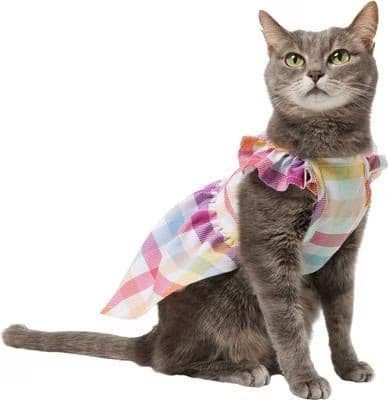
A playful gingham ruffle-sleeve dress for cats and small dogs, easy to slip on for photos and special occasions.
Petful may earn a commission when you click through to Chewy, at no extra cost to you.
How to Introduce Clothes to a Cat the Right Way
If there is a real reason to dress your cat (warmth or medical), go slow. The ASPCA recommends letting a pet try on any outfit well before the moment you need it, never springing it on them. Rushing it is how you create a cat that panics at the sight of a sweater.
- Let the garment exist. Leave it near your cat's bed or favorite spot for a few days so it picks up familiar scents and stops being a strange object.
- Drape, do not dress. Lay the fabric loosely over your cat's back for 30 to 60 seconds while feeding a high-value treat, then remove it. Repeat over several sessions.
- Check the fit. You should be able to slide two fingers under the garment at the neck and chest. Nothing should pull, pinch, bunch, or cover the face, and it must not limit movement, sight, or breathing.
- Build to short, secured wear. Once your cat is relaxed with draping, fasten the garment for a minute or two and pair it with play. Stop at the first stress signal.
- Always supervise, always optional. Keep every session short, stay in the room, and let your cat end it whenever it walks away.
Whether or not you ever put your cat in a sweater, learning to read feline body language pays off everywhere, from vet visits to nail trims. If your cat tends toward nervousness in general, our guide to cat separation anxiety can help you spot the broader pattern.
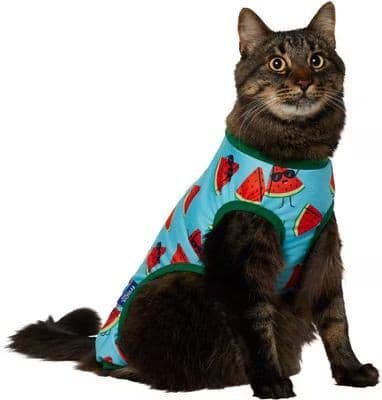
Lightweight watermelon-print jersey pajamas that keep cats cozy and covered, in sizes from XS to XXL.
Petful may earn a commission when you click through to Chewy, at no extra cost to you.
The Bottom Line on Cats in Clothes
Photos of cats in clothes are funny because the contrast is funny, and there is nothing wrong with a quick, willing, supervised costume moment that your cat shrugs off ten seconds later. The line to respect is simple: comfort over content. The ASPCA puts it plainly, do not put your cat in a costume unless you know it loves it. A relaxed cat in a soft little sweater is a great photo. A frozen, flat-eared, hunched cat is a cat telling you it is done. Keep it short, keep it kind, keep it optional, and the laughs take care of themselves.
Yes, with limits. It is okay to put cats in clothes briefly, while supervised, when the cat tolerates it and the garment does not restrict movement, grooming, breathing, sight, or litter-box use. Cats Protection notes it is genuinely worthwhile mainly for practical reasons like warmth for hairless breeds or vet-guided medical recovery suits. The ASPCA advises against dressing a cat at all unless you know it loves it, and any time it shows stress.
Most cats freeze, go floppy, or tip over in clothes because the unfamiliar fabric feels strange and restrictive and they cannot escape it. Cats Protection explains that a cat that goes floppy or stops moving is very distressed and is coping by disassociating from the situation, not relaxing. It is a shutdown response to feeling trapped, so the clothing should come off right away.
Cats that cannot walk in clothes are usually overwhelmed, not clumsy. Clothing presses on the back and torso and limits the legs and tail, which throws off a cat's normal balance and sense of control. Rather than fight it, many cats freeze or flatten to the floor as a stress response. If your cat will not walk once an outfit is on, that is a clear sign to take it off.
Most cats do not naturally enjoy wearing clothes. Cats like full control of their movement and rely on grooming and repositioning to manage body temperature, both of which clothing interferes with. A registered veterinary nurse with Cats Protection notes that for most cats, having clothing or accessories placed on them is a stressful, uncomfortable experience. Always judge by your individual cat's body language.
Most cats do not need clothes in winter. A normal-coated cat's fur is usually all it takes to stay warm, and Cats Protection warns that adding a layer on top can actually make a furred cat overheat. The real exception is hairless and very thin-coated breeds, such as the Sphynx, which lose heat quickly and may benefit from a soft, well-fitting sweater in a cold room. For most cats, a warm, draft-free bed is the better answer.
It is best not to let a cat sleep in clothes unsupervised. During sleep you cannot watch for overheating, a snagged strap, or the garment shifting and trapping a leg, all of which are real risks. The exception is a vet-recommended recovery suit after surgery, which is designed for longer wear, and even then you should follow your vet's instructions.
Some cats fit into newborn or 0-3 month baby clothes, which is why those outfits show up in so many photos. Fit is not the same as safe, though. Baby clothes are not cut for a cat's flexible spine, shoulders, or range of motion, so they can bind or restrict more than purpose-made cat apparel. Use cat-specific sizing for anything beyond a quick photo, and never force a garment that does not slide on easily.
The 3-3-3 rule is a shelter guideline for helping a newly adopted cat adjust: roughly 3 days to decompress and hide, 3 weeks to settle into a routine and start showing personality, and 3 months to feel fully at home and bonded. It is about easing transitions patiently, the same low-pressure mindset you should bring to introducing anything new, including clothes.
Hairless breeds such as the Sphynx have little to no coat and lose body heat quickly, so a lightweight sweater can genuinely help in a cold room or during winter. Purdue veterinarian Dr. Lorraine Corriveau notes a sweater is really only needed when a hairless cat is heading into a cold environment. The garment should still be soft, breathable, well-fitting, and removed once the cat is warm and comfortable.
Related on Petful

Coreen Saito is a pet writer and longtime shelter volunteer with more than a decade in animal rescue. She covers cat behavior, breed care, and the small, ordinary science of sharing a life with companion animals, with a particular focus on honest takes about the products and decisions that actually matter. At home in Arizona, she's outranked by Mac (a dog with the loudest opinion in the house), Rebel (a cat who governs by quiet authority), and Meri (an orange tabby who runs the late shift and the laundry basket). She writes about all three, plus the rescues that keep coming through her life, at LifeWithMinty.com.
Sign up for expert-backed reviews and safety alerts all in one place.