Debunking Myths About Cats and Babies: What's True and What's False
Are cats and babies safe together? We check six common myths, from smothering to toxoplasmosis and allergies, against CDC and AAP sources and give one practical action for each real risk.

A parent holding a swaddled newborn on a beige sofa while a silver tabby cat sits calmly on the coffee table nearby.
Petful is reader supported. As an affiliate of platforms like Amazon and Chewy, we may earn a commission when you buy through links on this page. There is no extra cost to you.
Cats and babies can share a home safely, and most of the scary stories about them are old myths. The real risks are specific and manageable: a cat should never sleep in the crib, a pregnant partner should hand off the litter box, and a crawling baby needs to learn gentle hands while the cat keeps an easy way out.
Cat behaviors writer T.J. Banks contributed to this article. Below, each belief gets a verdict, the sourced fact behind it, the risk that actually remains, and the one thing to do about it.

Sign up for expert-backed reviews and safety alerts all in one place.
Are Cats Safe Around Babies? The Short Answer
Is it okay to have cats around newborns? Yes. Cats and newborns can live together safely when two conditions hold: adult supervision whenever the cat and baby are in the same space, and a firm safe sleep rule that keeps the cat out of the crib and bassinet. Most families who follow those two habits never face a serious problem, and there is no need to rehome a healthy, well-adjusted cat because a baby is on the way.
Are cats good with babies? Many are, but "good" usually means tolerant and curious rather than nurturing. So when people ask whether cats are dangerous for babies, the honest answer is that the danger lies in a few preventable situations, not in the cat itself. The cats and babies myth list below shows which fears are mostly false and which contain a grain of truth worth acting on.

Next-generation Litter-Robot with WasteID, upgraded sensing, and support for up to 5 cats, without the Pro's cameras. Includes the 90-day in-home trial and WhiskerCare warranty.
Petful may earn a commission when you click through to Whisker, at no extra cost to you.
- 1Most cats and babies myths are mostly false, but each hides one real risk worth managing
- 2Supervised contact is safe; unsupervised sleep near the baby is not
- 3Keep the cat out of the crib and bassinet and close the nursery door at night
- 4A pregnant partner can keep the cat and hand off litter duty
- 5Early exposure to cats has not been shown to raise allergy risk and may lower it
The scorecard below gives the verdict on each myth in one place, with one action per myth, so you can jump to the sections that worry you most.
| Myth | Myth verdict | What is true | Remaining risk | One action per myth |
|---|---|---|---|---|
| Cats are not good with babies | False | Many cats seek out a baby's warmth, quiet, and milk scent and tolerate gentle contact | Stress, hiding, or marking if routines collapse | Keep the cat's feeding and play routine steady |
| Cats think babies are kittens | Unproven | Cats learn a baby is a new household member by scent and sound; no research shows they see a kitten | Curiosity can bring the cat too close | Supervise every visit and let the cat sniff from a distance |
| You must give up your cat when pregnant | False | The CDC lists undercooked meat, produce, and soil alongside cat feces as toxoplasmosis routes | Handling litter during pregnancy | Hand off the litter box, or wear gloves and scoop daily |
| Cats smother babies | False as a deliberate act | CDC infant-death categories do not include cats | A cat lying against a baby's face during sleep | Never allow the cat in the crib; close the nursery door at night |
| Hair, licks, fleas, and scratches make babies sick | Partly true | Fleas, roundworms, and scratches carry real but preventable risks | Scratches and parasites at the crawling stage | Keep up vet flea and deworming care and give the cat an escape route |
| Babies raised with cats develop allergies | Mostly false | Cohort research links early pet exposure to lower sensitization | A baby who already shows allergy signs | Ask the pediatrician about symptoms before deciding anything about the cat |
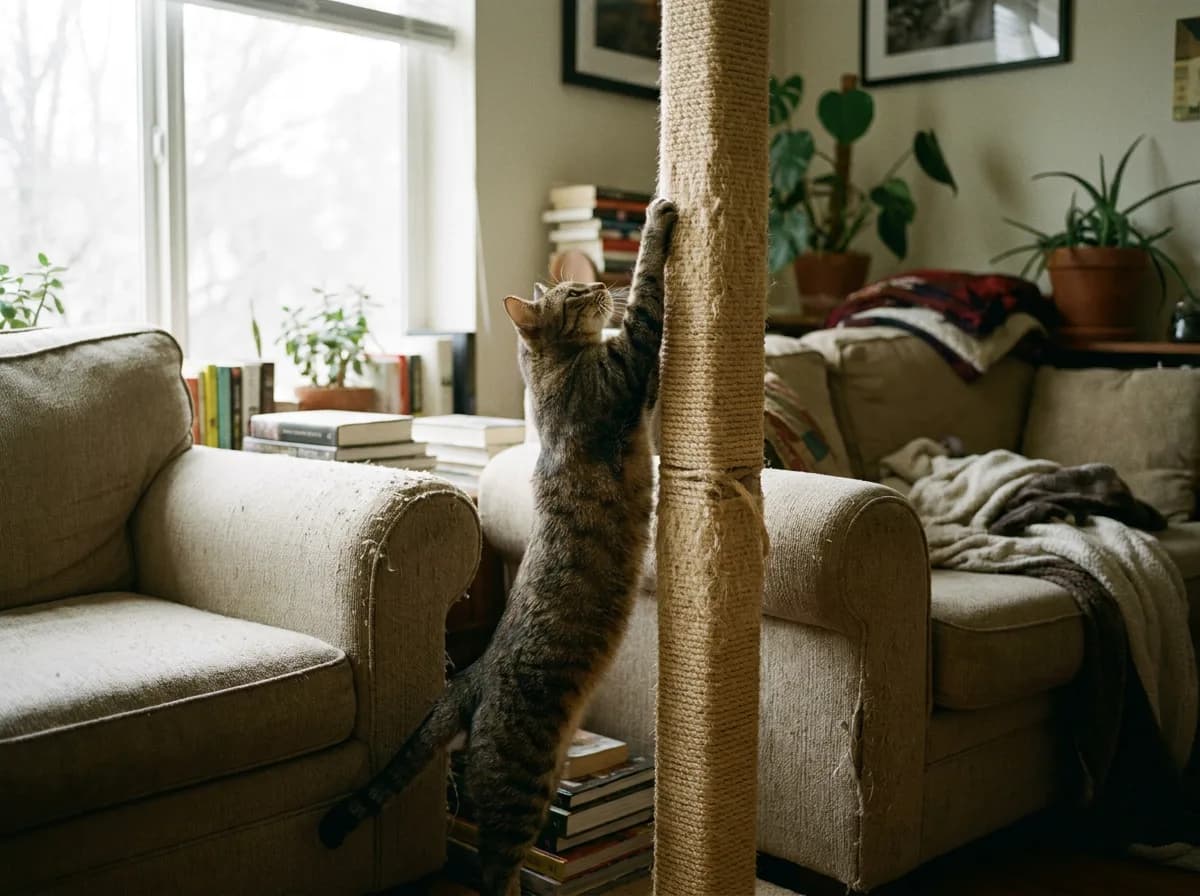
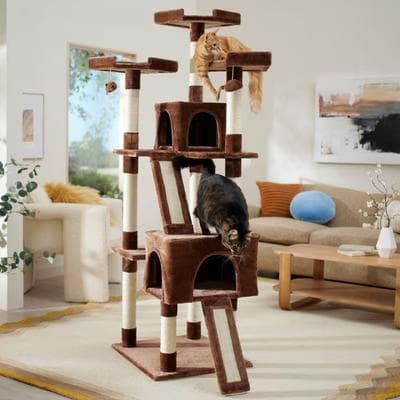
The action that keeps coming up is giving your cat somewhere to retreat. A tall cat tree lets the cat watch the baby from a safe height and leave when things get loud, which prevents most swats before they start. A sturdy option like the Frisco 72-in Faux Fur Cat Tree & Condo puts the top perch well out of reach of a future toddler.
Myth: Cats Are Not Good With Babies
Verdict: false. Do cats like babies? Many do, in their own way. Cats are often drawn to infants, and plenty of owners describe their cat as gentle or even protective with a newborn. Not every cat will bond with a baby, but the belief that cats are inherently bad with babies does not match what most households see.
Why do cats love human babies so much? The likeliest drivers are practical rather than sentimental. Babies offer warmth and quiet for long stretches, they carry a milk scent mixed with the smell of familiar people, and they bring a routine that often includes a parent sitting still on the sofa. A cat that curls up nearby during a feed is usually enjoying a warm lap and a calm room; cats love babies for the comfort around them as much as anything.
Petful may earn a commission when you click through to Chewy, at no extra cost to you.
The same explanation covers why cats comfort babies or settle near a crying infant. The sound is new and attention-grabbing, so some cats approach to investigate while others leave the room. What looks like comfort is usually curiosity plus a wish to stay near their person. Here is how the most common behaviors break down:
- Why are cats gentle with babies? Adult cats tend to be cautious with anything small and unpredictable. Moving slowly and sniffing first is normal feline caution. Do cats know to be gentle with babies in a reliable way? No, which is why supervision still matters.
- Why do cats protect babies? Cats can be protective of territory and of people they are attached to. A cat that sits by the nursery door is guarding a familiar resting spot and staying near you, not standing sentry over the infant.
- Are cats more patient with babies? Some cats do seem more tolerant of babies than of loud older children, mostly because a newborn moves little and rarely chases. That tolerance fades once the baby starts grabbing, so plan for it.
- Do cats look after babies? Stories of cats looking after babies usually describe a cat resting near a crib or following a parent. It is companionship, not babysitting, and a cat is never a substitute for an adult in the room.
- Why do some cats avoid babies? Noise, strange smells, and a disrupted schedule make some cats afraid of babies. Hiding is a normal coping response; give the cat time and a quiet refuge.
Do cats get along with babies long term? Usually, if the cat still gets meals, play, and attention at predictable times. Stress usually shows up as:
- Hiding
- Overgrooming
- Marking
A plug-in pheromone diffuser such as the Feliway Classic 30 Day Starter Kit helps some cats settle while the household adjusts. Urine marking after the baby arrives is the most common sign of this stress, and it often gets labeled jealousy. If a cat starts marking baby items, our cat spraying guide explains how to find the cause and stop it. When marking, hiding, or swatting continues for more than a few weeks despite a steady routine, ask your vet to rule out a medical problem and then for a referral to a veterinary behaviorist.
Myth: Cats Think Babies Are Kittens
Verdict: unproven. Do cats know babies are babies? No research shows that cats see a human infant as a kitten. What cats clearly do is recognize individuals by scent, voice, and routine, so a cat quickly learns that the baby is a new member of the household who smells like you.
Cats do treat babies differently from adults, and that is easy to observe. A baby moves unpredictably, cries at pitches adults rarely use, and cannot read a cat's warning signals. So can cats tell the difference between babies and adults? Yes, in the sense that they respond to size, movement, and sound, and many cats keep more distance or approach more slowly. Do cats know kids are kids? They learn that children are louder and less predictable than adults, which is why many cats avoid a toddler they would happily sit beside as a newborn. That caution can look like an understanding that the baby is fragile, but it is better read as wariness of something unfamiliar.
So what do cats think about babies? The most useful practical answer is that they notice them as a change. Treat the first weeks as an adjustment period:
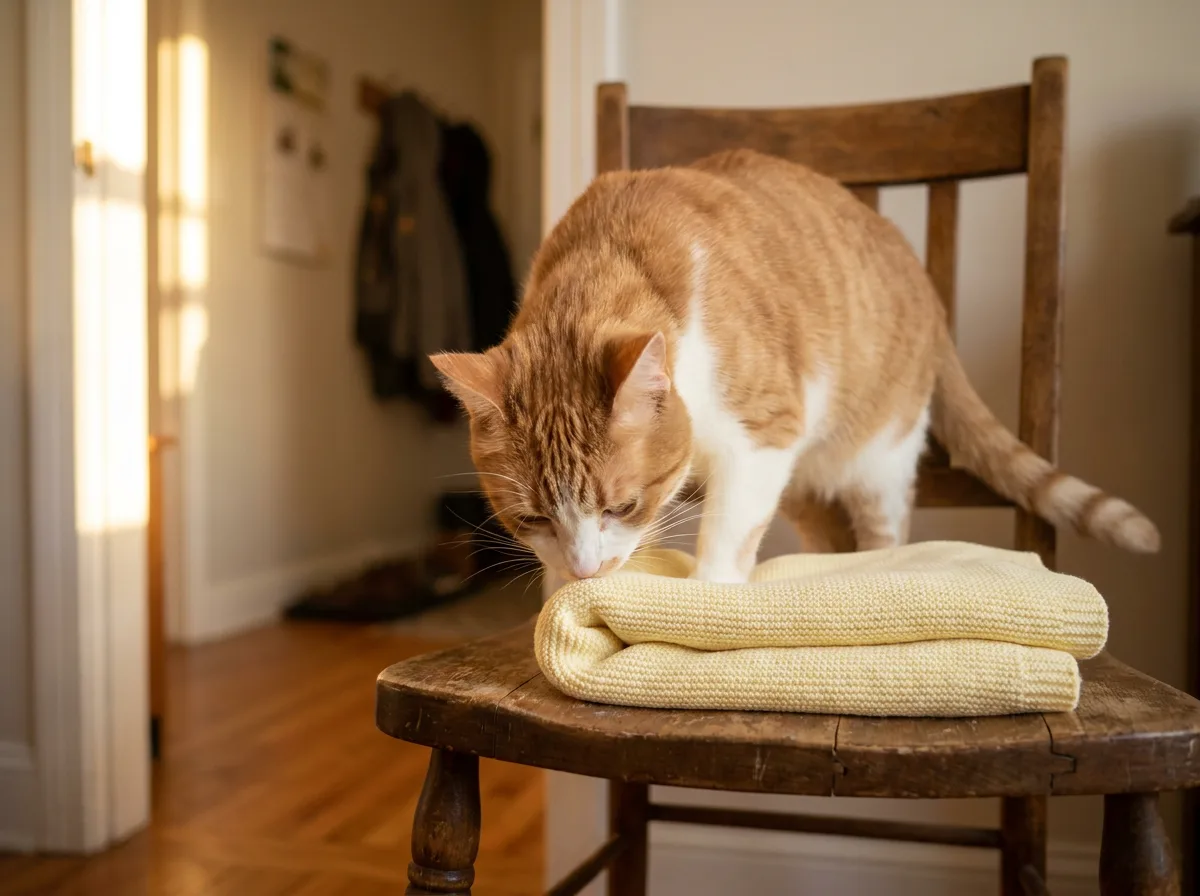
- Let the cat sniff the baby's blanket or clothing before and after the baby comes home.
- Keep the cat's feeding station, litter box, and favorite perches where they have always been.
- Allow calm, supervised looks and sniffs, and never force the cat closer.
Does my cat know my baby is mine? Cats connect the baby's scent with yours within days, which is part of why a cat may choose to rest near the baby. That association helps the relationship, but it is not a reason to relax supervision.
Myth: You Must Give Up Your Cat When You Are Pregnant
Verdict: false. The fear behind this myth is toxoplasmosis, an infection caused by the parasite Toxoplasma gondii. It can harm a developing baby if a pregnant person is newly infected, but a cat is only one of several routes. The CDC estimates that over 40 million people in the United States are infected with the parasite, and most never have symptoms.
Can newborns get toxoplasmosis from cats? A baby can be born with toxoplasmosis when the mother is newly infected during pregnancy, and that is the route the CDC names for infants. According to the CDC, people are infected by eating contaminated undercooked meat or shellfish, eating unwashed contaminated produce, or accidentally swallowing the parasite from cat feces or contaminated soil. Gardening without gloves and handling raw meat belong on the same list as the litter box. Our cats and toxoplasmosis guide covers the parasite in full.
- Ask someone else to clean the litter box if you can. If you must do it, wear disposable gloves, scoop daily, and wash your hands with soap and water afterward. The parasite does not become infectious until 1 to 5 days after a cat sheds it, so daily scooping removes it first. Keep the cat indoors and feed only commercial food, never raw or undercooked meat.
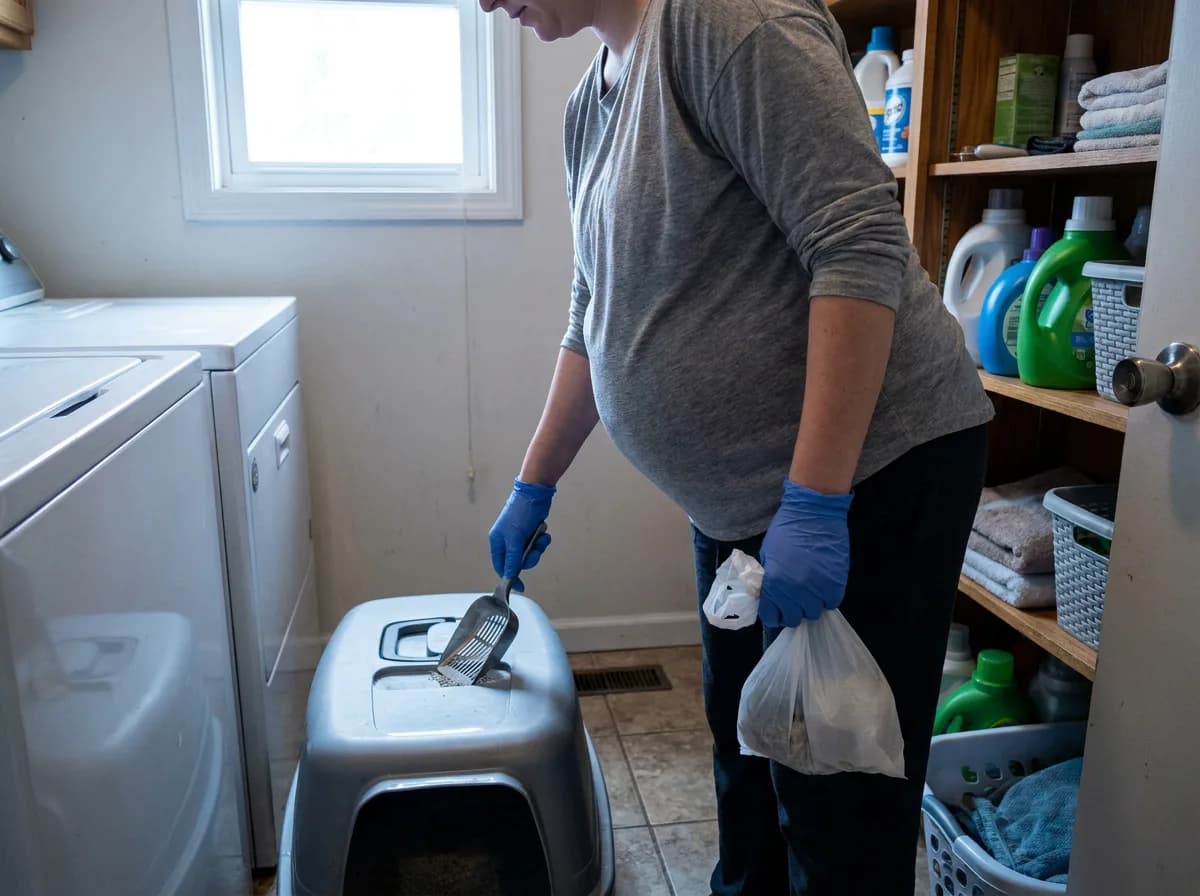
Daily scooping matters because of that 1 to 5 day window. A self-cleaning box such as the Whisker Litter-Robot 5 sifts waste away after each use, which helps when the non-pregnant partner cannot scoop every day. Someone still has to empty the waste drawer, so keep the gloves and handwashing routine.
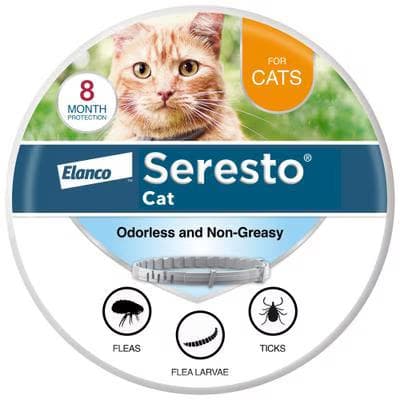
The vet-top-pick 8-month flea and tick collar for cats: odorless, non-greasy, with a breakaway safety release.
Petful may earn a commission when you click through to Chewy, at no extra cost to you.
Two related pregnancy beliefs come up often. Can cats sense pregnancy? Many owners say their cat became clingy or protective while they were expecting. Cats have a far keener sense of smell than people and notice shifts in routine and body scent, so the idea is plausible, but no published study confirms that cats detect pregnancy itself. Treat it as an appealing anecdote rather than a fact. The claimed benefit of purring to unborn babies has no evidence behind it either, beyond whatever relaxation a purring cat gives the expecting parent. The same goes for whether cats are attracted to pregnant women or can feel the baby in the womb: a cat resting on a belly may notice warmth or movement, but there is no evidence it understands a baby is there.
Can cats smell breast milk? Very likely, given how sensitive a cat's nose is, and milk scent is one reason cats may be drawn to a feeding parent or a baby's face. That attraction is how the old smothering tale grew up, and it is why the crib rule in the next section matters. For toxoplasmosis and breastfeeding, see the FAQ below: the CDC's list of routes does not include breast milk, so the litter precautions shift to ordinary hygiene after birth.
Myth: Cats Smother Babies or Climb Into the Crib to Hurt Them
Verdict: false as a deliberate act, but the sleep risk is real. Is there an old wives' tale about cats and babies? Yes: the belief that a cat will "steal a baby's breath" by sucking the air from its mouth. The tale is centuries old and grew out of superstitions about cats as bad omens. Like most urban legends, it has spun off variations: do cats suffocate babies for milk, drawn by milk on the baby's breath? Do cats check if babies are breathing when they sniff a baby's face? Both misread normal sniffing and scent investigation. Cats do not steal breath, and there is no evidence that a cat will try to harm a sleeping baby on purpose. Darker versions ask whether cats eat human babies or whether cats kill human babies; a healthy house cat does not treat an infant as prey. Can a cat kill a human baby? Not by intent, but an unsupervised cat on a sleeping newborn is a suffocation risk, which is the one piece of the tale worth taking seriously.
Do cats smother babies? There is no evidence that they do. The CDC's sudden unexpected infant death data counted about 3,400 sudden unexpected infant deaths in 2024 in three categories: SIDS, unknown causes, and accidental suffocation and strangulation in bed. Cats are not a tracked cause, and the stories that circulate cannot be checked against any national record. That is why there are no cats killing babies statistics or cats suffocating babies statistics to cite: no such cases appear in the infant-death data. Has a cat ever suffocated a baby? No case is documented in that record, and the fear traces to folklore, not to any counted death. The sleep risks CDC and pediatric guidance stress are soft bedding and shared adult sleep surfaces, not pets. If you are asking how many babies are killed by cats each year, the honest answer is that no public health agency records any.
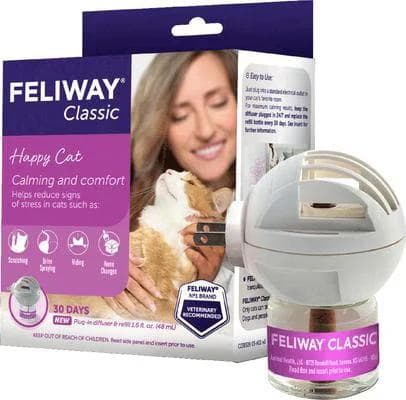
A plug-in feline pheromone diffuser intended for routine environmental support; use it as directed and not as a substitute for veterinary or behavior care.
Petful may earn a commission when you click through to Chewy, at no extra cost to you.
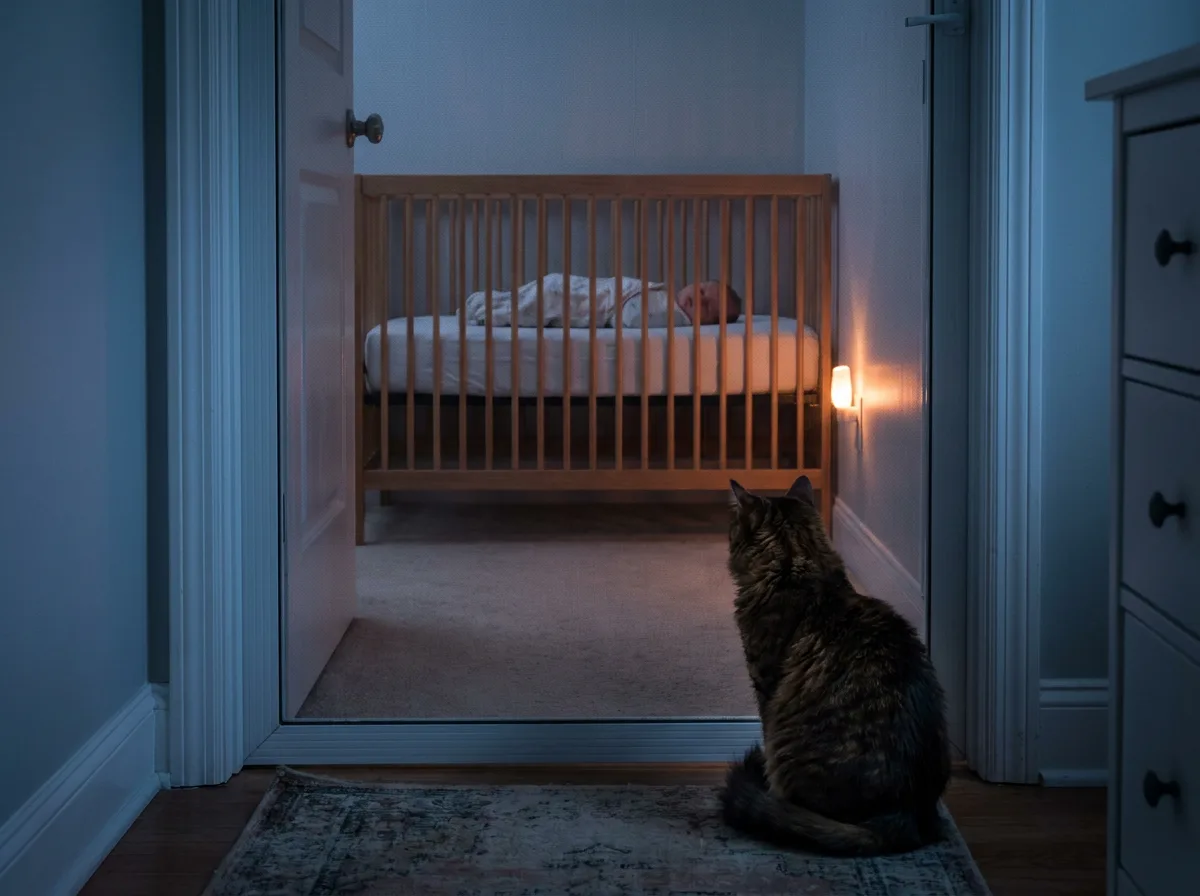
That does not make a cat in the crib harmless. A warm cat can curl against a baby's face or chest, and a young infant cannot push it away or turn aside. AAP safe sleep guidance from the American Academy of Pediatrics says babies should sleep on their backs on a firm, flat surface with no soft objects in the sleep area. The AAP does not name pets, but a cat is a soft, warm object, so the same rule applies.
- The cat is never in the crib or bassinet and never left alone with a sleeping baby. Keep the nursery door closed at night and during unattended naps. The AAP recommends an empty sleep space with the baby on their back on a firm, flat surface, and a cat curled beside the baby breaks that rule.
Keeping cats out of cribs is easier if you start before the baby arrives:
- Close the door: a shut nursery door is the only barrier that fully works overnight.
- Make the crib unappealing: keep it empty before the birth, and some owners run double-sided tape along the rail for a few weeks.
- Offer a better spot: place a warm bed or window perch in another room so the cat has an alternative.
- Use a monitor: a baby monitor lets you keep the door closed without losing track of the baby.
How to keep cats out of a bassinet follows the same logic: the bassinet goes in a room the cat cannot enter while the baby sleeps, or an awake adult stays beside it.
Myth: Cat Hair, Licks, Fleas, and Scratches Will Make Your Baby Sick
Verdict: partly true. Most everyday contact is harmless, but a few specific risks each deserve one action. Is it okay if my cat licks my baby? An occasional lick on a hand or foot is unlikely to cause harm, but a cat's mouth carries bacteria, so wipe the spot and discourage licks on the face, mouth, or broken skin. Cats lick babies mostly to investigate a new scent or to groom a family member.
Here is how the other hygiene worries break down:
- Is cat hair bad for babies? Loose fur is a nuisance more than a hazard. Vacuum regularly and keep the cat's favorite blanket out of the play area so the baby does not mouth clumps of hair.
- Fleas: fleas can bite infants, and the CDC notes that Bartonella, the bacteria behind cat scratch disease, spreads to people through scratches from cats infected by fleas. Clear any flea problem before the baby arrives and keep the cat on the prevention your vet recommends.
- Worms: roundworm eggs pass in animal feces and reach people through contaminated dirt or unwashed hands, according to the CDC. Keep the cat on routine deworming and wash hands after play.
- Litter and urine: a litter box in a room the baby can reach is the real exposure. Is cat poop dangerous to babies? It can carry roundworm eggs and Toxoplasma, so move the box before the baby starts crawling, not after. Is cat pee toxic to babies? A urine smell is unpleasant rather than poisonous, but clean accidents promptly with an enzyme cleaner so the cat does not re-mark.
- Cats knocking over babies: a cat darting past can topple a new walker. Keep the cat's routes to its food and perches away from where the baby practices standing.
For flea prevention, ask your vet which product suits your cat's age and weight. A long-acting collar such as the Seresto Flea & Tick Collar for Cats is one option to discuss, though some households prefer a spot-on treatment if the baby will be touching the cat often.
Are cats safe around toddlers? The risk changes once a baby can crawl, grab, and pull tails. Scratches and bites usually happen when a cat is cornered or handled roughly, so the goal is an escape route for the cat and gentle hands for the child:
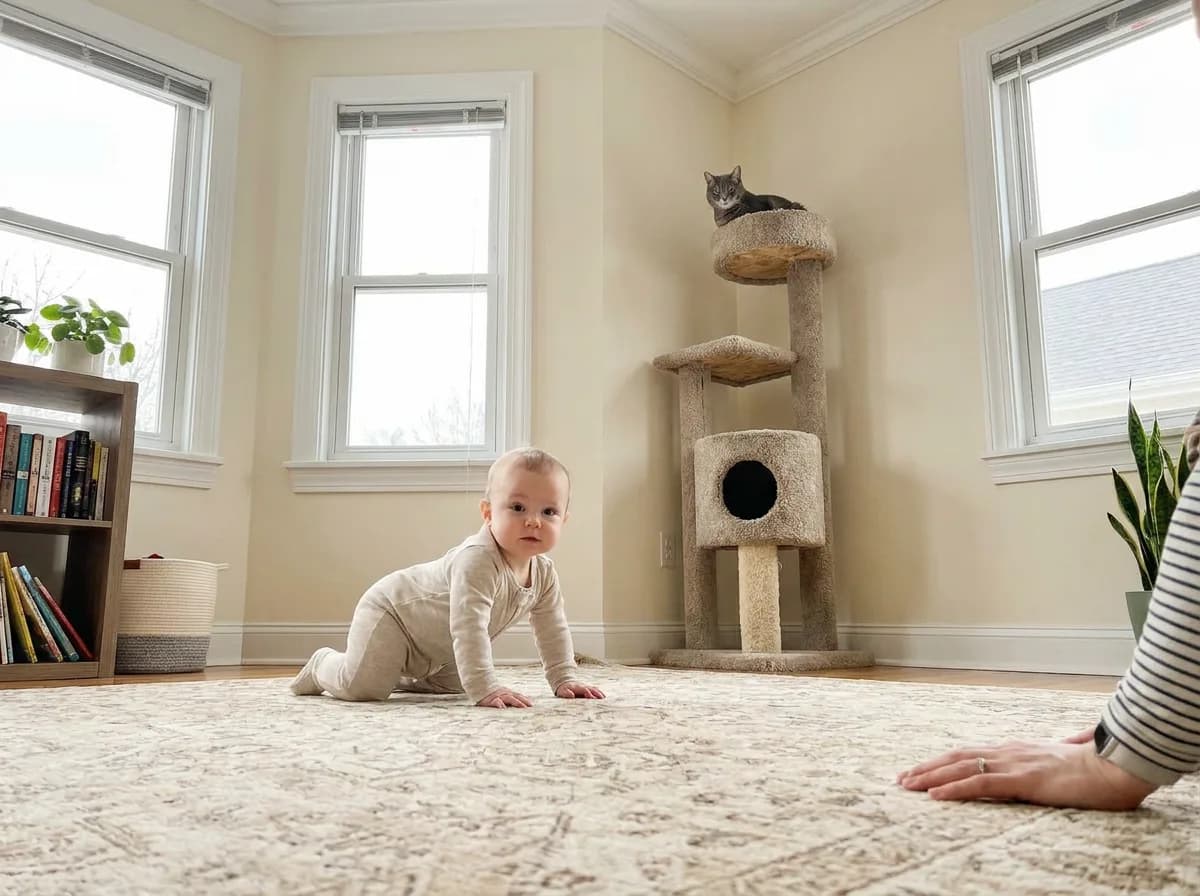
- Keep at least one tall perch or cat tree the cat can reach and a crawler cannot.
- Keep the cat's food, water, and litter where the baby cannot get to them.
- Guide your child's hand to stroke the cat's back, and end the interaction as soon as the tail lashes or the ears flatten.
- Clean any scratch with soap and water, and call your pediatrician if it swells, stays red, or the child runs a fever.
Myth: Babies Raised With Cats Will Develop Allergies
Verdict: mostly false. Should newborns be exposed to cats? For most families, yes, and the evidence leans toward benefit rather than harm. A prospective birth cohort published in JAMA in 2002 (Ownby, Johnson, and Peterson) followed children from birth to age 6 to 7 and found that exposure to two or more dogs or cats in the first year of life was associated with a lower risk of allergic sensitization to multiple allergens.
That does not mean a cat protects every child, or that a baby can never be allergic to cats. Can babies be allergic to cats? Yes. Watch for these signs of cat allergies in babies:
- Persistent sneezing, a runny or stuffy nose, or itchy, watery eyes that improve away from the cat.
- An eczema flare or hives after close contact.
- Wheezing or noisy breathing, which needs prompt medical attention.
If you see these, talk to your pediatrician before making any decision about the cat. These symptoms have many possible causes, and an allergist can test for cat sensitization directly. Regular vacuuming to cut cat dander and keeping the cat out of the nursery are sensible steps while you wait for answers.
How to Introduce Your Cat to a New Baby
Busting the myths is half the job; the other half is preparation. Getting a cat ready for a baby works best when it starts weeks before the due date: moving the litter box and feeding station early, shifting playtime to hours that will still work with a newborn, letting the cat explore baby gear, and planning the first meeting so the cat can sniff the baby from a calm distance.
Can cats and babies live together? Yes, and the practical questions that follow belong to the introduction stage: should I keep my cat away from my newborn at first, and how can I make an informed decision about helping a kitten adjust to children or other pets? Short answer: not away, but at a supervised distance, adjusting the pace to how the individual cat or kitten copes. Knowing how to have babies and cats under one roof comes down to preparation, and having cats and babies together goes smoothest when the cat's routine changes before the birth. Cats meeting babies for the first time do best with a slow, supervised introduction and a refuge room to retreat to when visitors arrive. Our step-by-step guide on how to introduce a cat to a newborn baby walks through each stage, from the months before birth to the baby's first weeks at home.
Frequently Asked Questions About Cats and Babies
Cats may not feel jealousy exactly as people do, but they react strongly to lost attention and a changed routine. Watch for spraying near baby items, hiding, or overgrooming. The fix is to keep the routine: feed, play, and give attention at the same times as before, and give the cat its own quiet space. If marking continues, ask your vet to rule out a medical cause first.
The same room is fine when supervised, for example a cat napping on a high perch while you are awake nearby. At night and during unattended naps, keep the nursery door closed overnight so the cat cannot reach the crib or bassinet. The AAP recommends an empty sleep space for infants, and a cat curled up with the baby breaks that rule.
It is possible but preventable. Roundworm eggs in soil or litter can reach a child's mouth through contaminated hands, which is why crawlers and toddlers face the most risk. Keep the cat on routine deworming prescribed by your vet, keep litter boxes out of reach, cover sandboxes, and wash the child's hands after play and before eating.
Yes, with ordinary hygiene. The pregnancy concern is infection passing to the fetus. The CDC lists the actual transmission routes (undercooked meat, contaminated produce, cat feces, soil, and mother to unborn baby), and nursing is not among them. After birth, use gloves and hand washing when you scoop, and keep cleaning the box daily.
Hissing is a warning, not an attack, so treat it as information. Separate and give an escape route: calmly move the baby away, let the cat retreat to a perch or quiet room, and slow down future contact. Never punish the cat. If hissing, swatting, or marking continues for more than a few weeks, ask your vet about a referral to a veterinary behaviorist.

Gayle Hickman has been researching and writing about pet behaviors since 2011. In addition to Petful, her articles have appeared on Reader's Digest, YAHOO Shine and WebVet, to name a few.
Sign up for expert-backed reviews and safety alerts all in one place.