Dog Separation Anxiety Back to School: Tips for a Calmer Routine
Dog separation anxiety back to school season can sneak up when the house suddenly gets quiet. Use routine changes, alone-time practice and enrichment to help.
Petful is reader supported. As an affiliate of platforms like Amazon and Chewy, we may earn a commission when you buy through links on this page. There is no extra cost to you.
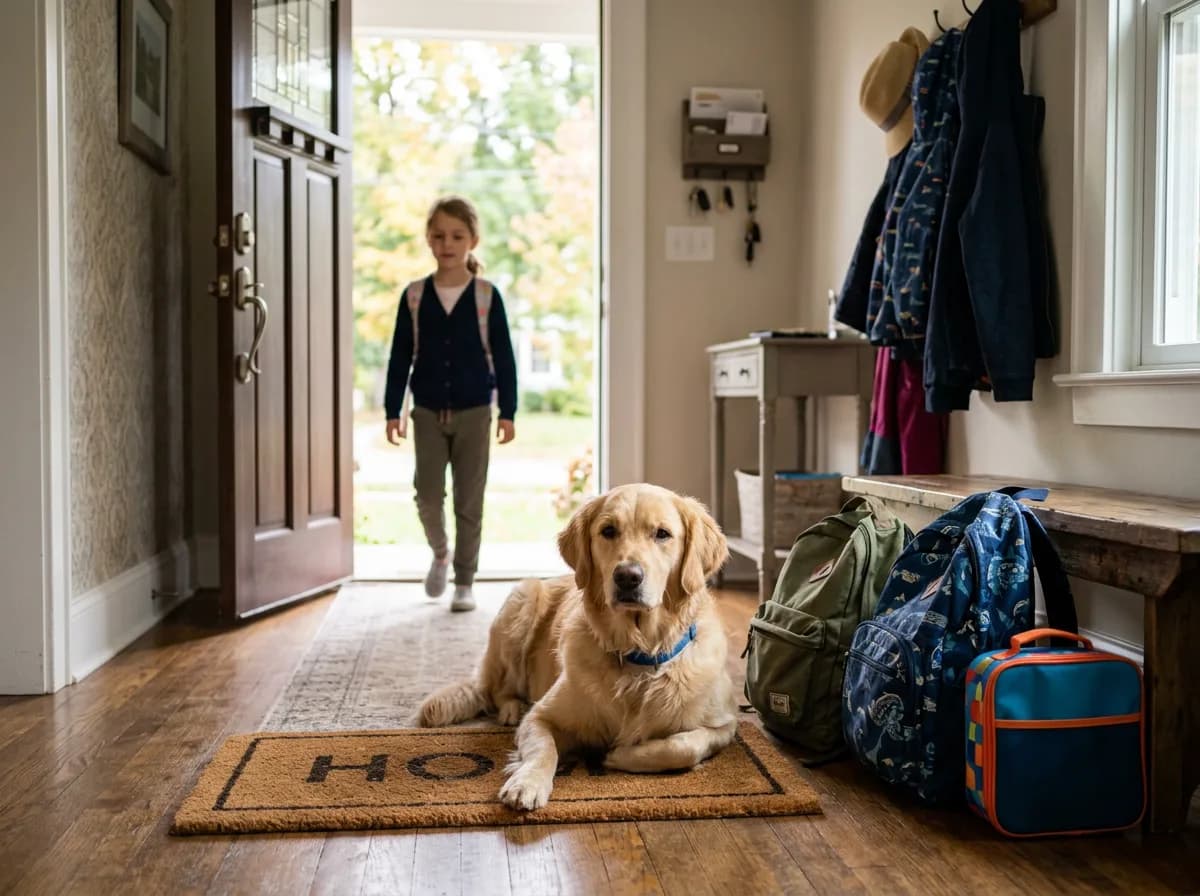
Dog separation anxiety back to school season is common because the household changes almost overnight. A dog who had constant summer company may suddenly face long quiet stretches, earlier alarms, rushed exits and excited returns from kids.
This refresh reframes the older back-to-school advice around the real search intent: preventing anxiety, building a predictable routine, using enrichment wisely and knowing when a dog needs professional help.
- 1Start the school routine before the first full day away.
- 2Practice short absences while your dog is calm, not only when everyone is rushing out.
- 3Use walks, food puzzles and safe chews to meet exercise and enrichment needs.
- 4Call a veterinarian or credentialed trainer if your dog panics, destroys doors or hurts themselves.

Sign up for expert-backed reviews and safety alerts all in one place.
Preparing Your Dog Back to School
Back-to-school time is upon us, and that means one thing: relaxing, lazy summer routines are coming to an end. It’s time to start setting early alarms, packing school lunches, and leaving the house quiet during the day.
But don’t forget, it’s also time to begin preparing your dog back to school. While you may be focused on getting the kids ready for this hectic time, your dog also needs attention to ensure a smooth transition.
To help your dog have the best experience possible once your family’s fall routine goes into full effect, consider these tips:

A stuffed chew toy can make calm alone time more rewarding.
Petful may earn a commission when you click through to Chewy, at no extra cost to you.
- Start setting early alarms for both you and your dog to establish a new morning routine.
- Prepare school lunches while ensuring your dog is fed and ready for the day.
- Ease your dog into the quietness of the house by gradually leaving them alone for short periods.
These steps will help make the transition easier for your dog back to school.

4 Tips For Preparing Your Dog Back to School
Practice Your New Routine Before School Starts
With your kids back in school, your dog will be losing their best friends during the day. Coupled with your own longer absences, your dog could be going from months of constant interaction to long days of being completely alone. This transition can be especially tough for dogs. They don’t understand why you’re leaving them, and they don’t know if or when you’re coming back. This can lead to them feeling scared, worried, or anxious.
To ease this transition, start practicing your dog back to school routine several weeks before school actually starts:
- Set your alarm and get up earlier instead of sleeping in.
- Take your dog out for a bathroom break or walk at the same time you will on school days (both in the morning and evening, especially if your kids have after-school activities).
- Adjust your dog’s meal routine to the new schedule (both mornings and evenings).
- Leave your dog alone or in their crate for short periods of time to help them get used to the solitude.

A probiotic calming supplement may help some dogs during routine changes.
Petful may earn a commission when you click through to Chewy, at no extra cost to you.
By mimicking your back-to-school routine early, your dog will gradually adjust to the change rather than facing a sudden, cold-turkey switch.
For more tips on handling your dog's separation anxiety, check out this article.

Plan Extra Exercise in the Mornings and Evenings
Leaving your dog home alone during the day doesn’t just mean less interaction - it also means less exercise. Whether the consequence of that is weight gain or destructive behavior like chewing, you want to avoid it at all costs.
Just like you, your dog needs physical activity and exercise to stay healthy. They also need it to prevent boredom, which often leads to bad behaviors.
If you can't walk your dog during the day, consider these options:
- Leave enough time in the mornings for 30 minutes of walking, jogging, or playing.
- Once the kids are home in the afternoon, schedule another play session with the dog, either at home or at your nearby dog park.
- Remember:
- Before automatically blaming your dog, see if extra physical activity solves the problem.
- Chewed-up furniture and unexplained accidents in the house are often signs of boredom.
Keep Your Dog Mentally Stimulated Throughout the Day

A puzzle toy turns quiet time into a short problem-solving session.
Petful may earn a commission when you click through to Chewy, at no extra cost to you.
There are several ways to keep your dog mentally engaged during the day, even when you’re not there:
- Leave puzzle toys or games out while you’re away. These typically require your dog to “solve” a puzzle to get to a treat, keeping them occupied for hours.
- Leave some slow music on during the day. Your dog will be going from constantly hearing voices to complete silence for hours on end. Try leaving music or a radio talk show on, but ensure it’s not too loud or fast, as it may create anxiety.
- Consider hiring a dog walker or using a pet daycare if back-to-school time means you'll be back at work. Extra human interaction during the day can work wonders and will also leave you (and your dog) less stressed about getting in the necessary bathroom breaks. For tips on choosing the right dog walker, you can check out this guide.
By incorporating these strategies, you can keep your dog mentally stimulated and help them adjust to the new routine.
Oh, boy. Some of these dogs aren't too happy when their playmates go to school:
Stay Calm When You Leave and Return
And now the final tip on preparing your dog back to school: keep the dramatics to a minimum.
You and your kids will probably want to smother your dog with kisses when you leave home and return for the day. However, for their sake, hold off on the extra affection - it may trigger the dog's anticipation of your departure.
Your dog might become anxious or adopt a whining or barking routine once you’re out the door. Going through the same motions when you return only further reinforces how long you’ve been gone. Here are some steps to help: Just say a quick and calm goodbye in the morning.
- Once you’re home for the day, go about your normal routine before giving your dog all the love and attention they deserve.

Occasional-stress chews can support dogs during noisy or stressful days.
Petful may earn a commission when you click through to Chewy, at no extra cost to you.
- Set your bags down, get the homework out, and let your dog outside first before engaging with them.
Practice this with your kids, too. Because they may not understand the reasoning, it could be harder for them to adopt. After all, they’re losing one of their best friends during the day, too.
With a little planning and preparation, your dog will have the smoothest back-to-school transition possible.
Best Way to Keep Your Dog Fit and Happy
Looking for a way for you and your dog to get healthy together?
Check out the FitBark 2, the highest-rated dog health monitor on the market. It’s a small, colorful device that you attach to your dog’s collar. The FitBark 2 offers:
- Monitoring of activity levels to ensure your dog stays active.
- Tracking quality of sleep to understand your dog’s rest patterns.
- Measurement of distance traveled to keep tabs on your dog’s daily exercise.
- Calculation of calories burned for maintaining a healthy weight.
- 24/7 monitoring of overall health and behavior to catch any issues early.
With an unbelievable 6-month battery life, you can worry less about recharging and more about bonding with your pup. The FitBark 2 fits dogs of any size, and it loves the water as much as your dog does!
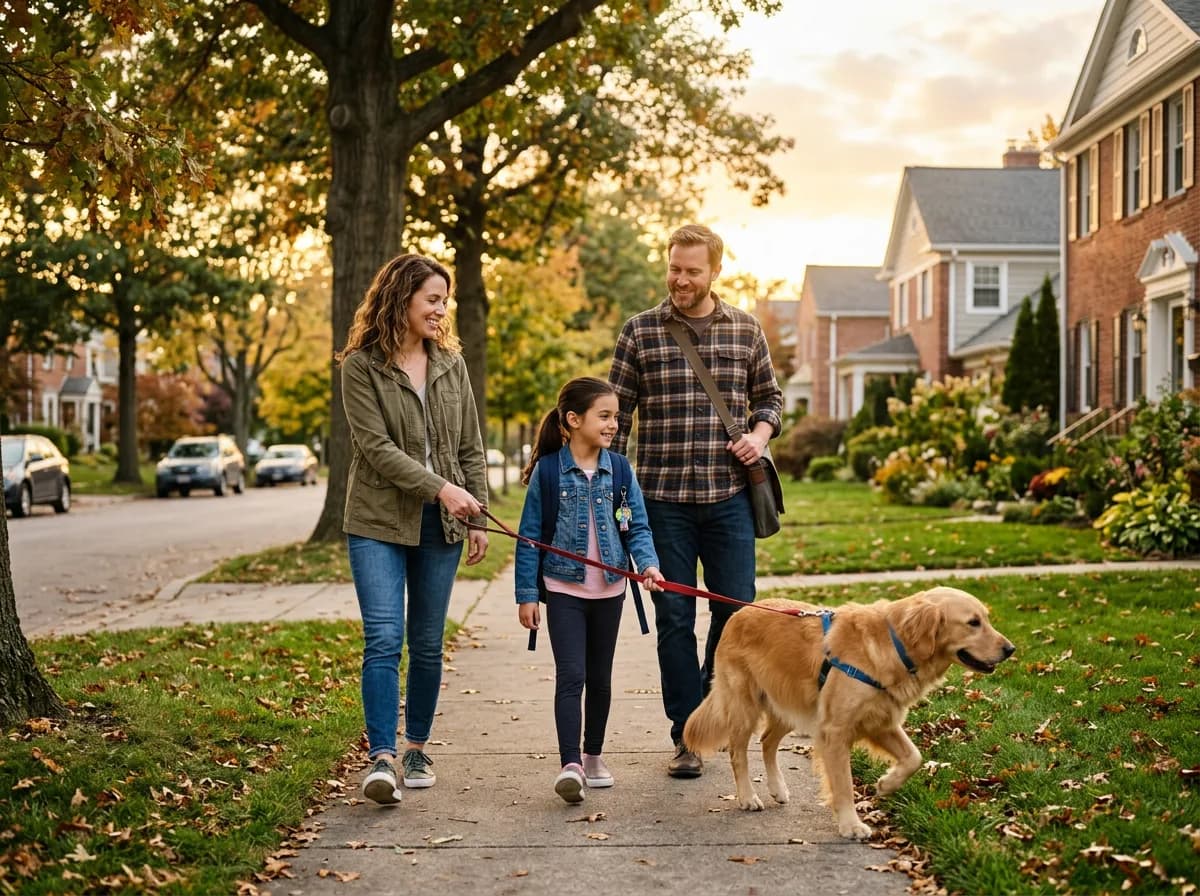
Signs of dog separation anxiety after summer
Mild boredom looks different from panic. Separation anxiety signs can include drooling, pacing, trembling, howling, barking, house soiling, destructive chewing around doors or windows, escape attempts and refusal to eat when alone. Video your dog for 20 to 30 minutes after you leave so you know what is really happening.
For dogs who settle with food work, a stuffed KONG Classic dog toy can help create a calm departure ritual. Use it only when your dog can enjoy it safely.
A two-week back-to-school practice plan
Move wake-up, feeding, walks and quiet time gradually toward the school schedule. Practice picking up keys, packing bags and stepping outside without making each cue predict a long absence. Start with seconds, then minutes, then longer periods, always returning before your dog tips into panic.
During the first real school week, make exits almost boring. Use the same calm phrase, offer the same safe enrichment item, close the same door and return without a dramatic greeting. Repetition teaches your dog that the new rhythm is predictable, not a daily crisis.
Some dogs benefit from layered support during a routine change. Ask your veterinarian whether a product such as Purina Pro Plan Calming Care for dogs is appropriate for your dog.
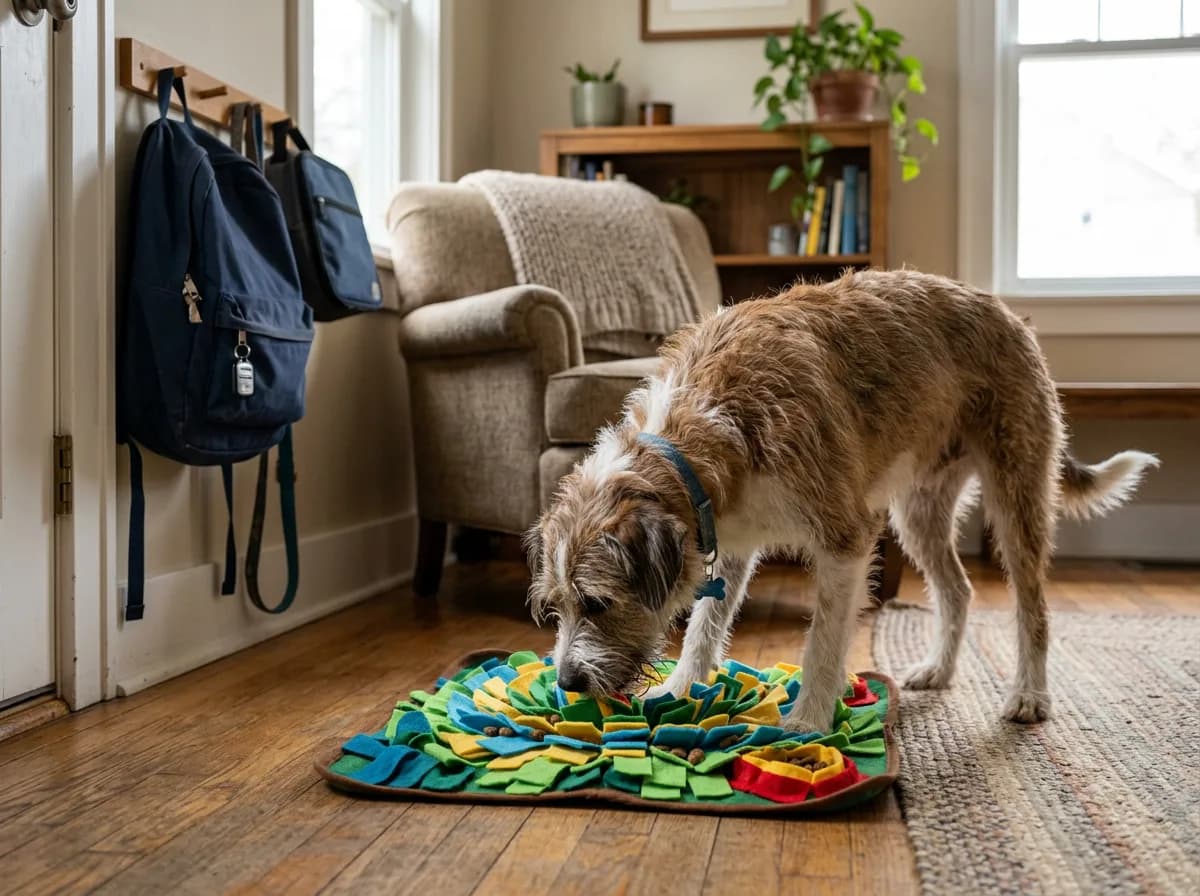
Keep your dog mentally stimulated throughout the day
Mental work can tire a dog in a different way than a walk. Rotate safe chew items, food puzzles, sniff mats and frozen treats so your dog does not get the same object every day. Put enrichment away afterward to keep it special and to avoid unsupervised hazards.
A treat puzzle and slow feeder toy can be a good fit for dogs who like problem solving and do not destroy plastic toys.
What not to do
Do not punish barking or destruction that happens during panic. Do not crate a dog who injures themselves trying to escape the crate. Do not make emotional departures and returns the high point of the day. Keep exits calm, keep greetings brief at first and give your dog something predictable to do.
For occasional stressful events layered on top of school routine changes, VetriScience Composure chews may be worth discussing with your veterinarian.
When to call a veterinarian or trainer
Get help quickly if your dog cannot eat when alone, damages doors, breaks teeth, urinates from distress, vocalizes for long stretches or panics as soon as school bags appear. Severe separation anxiety is treatable, but it often needs a behavior plan and sometimes medication support.
Back-to-school boredom vs. separation anxiety
Back-to-school changes can create boredom, frustration or true separation anxiety, and the fix depends on which problem you are seeing. A bored dog may chew available objects, nap afterward and settle when given more exercise, training or enrichment. A dog with separation anxiety looks panicked: pacing, drooling, trembling, howling, escape attempts, destruction near exits, house soiling or refusal to eat when alone.
Use a camera for the first 20 to 30 minutes after departure. Many dogs show the clearest signs right after the family leaves. If your dog takes a stuffed toy and relaxes, you may be dealing with schedule disruption. If your dog cannot eat, injures themselves or panics as soon as the backpack routine starts, treat it as anxiety and get help sooner.
Do not assume guilt is the explanation. A dog who looks ashamed after chewing a door may be responding to your return, not admitting a plan. Accurate observation matters because punishment after the fact does not teach a dog how to be alone.
Build a gradual alone-time plan before school starts
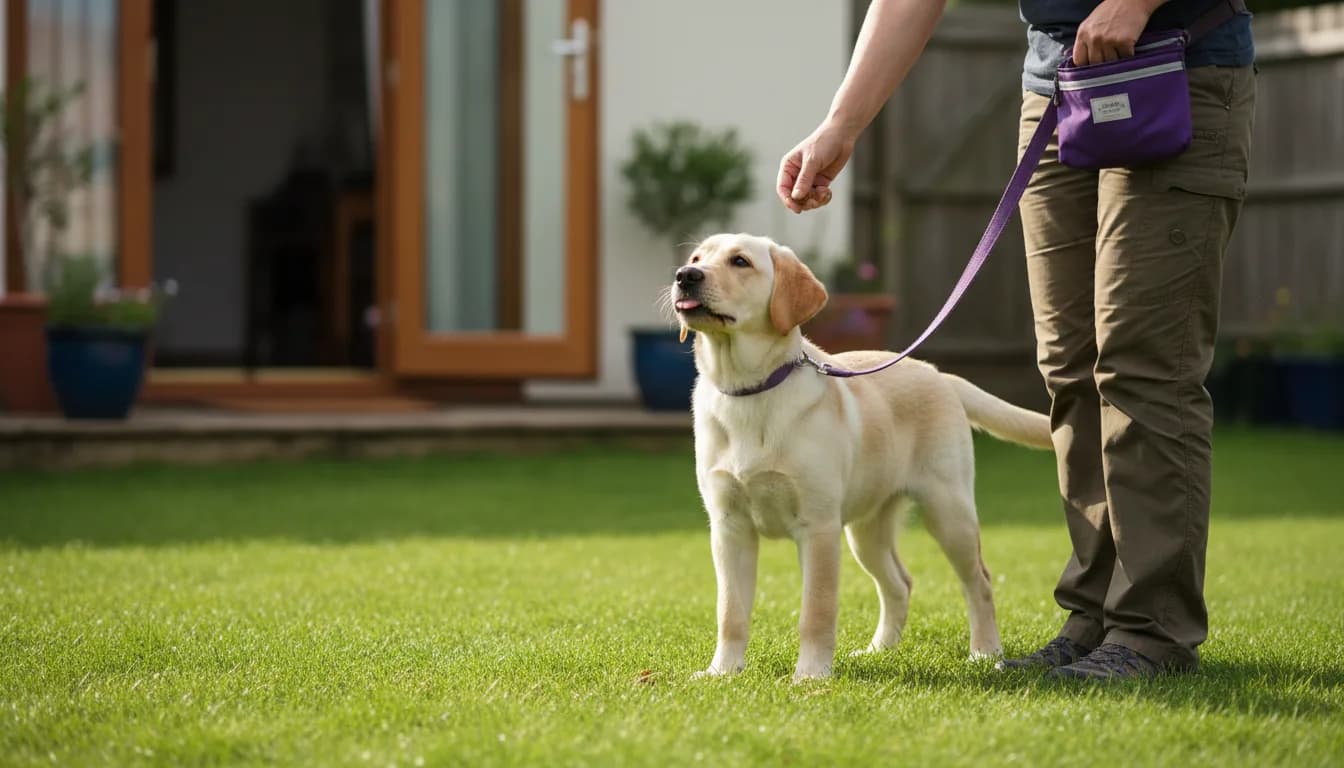
The best back-to-school dog routine starts before the first school day. Move wake-up time, meals, walks, crate or room time and family departures in small increments. Practice absences that are so easy your dog can stay calm: pick up keys, open the door, step out, return, sit down. Then build seconds into minutes.
Keep the practice boring. Use the same calm phrase, the same safe rest area and the same low-drama return. If your dog starts barking, scratching or refusing food, the step was too big. Go back to a shorter absence and build more slowly.
For dogs with a history of panic, a two-week practice plan may not be enough. In that case, the goal before school starts is not a full cure. It is a safer management plan: fewer long absences, dog walker support, a veterinarian call, a qualified trainer or behavior consultant, and a clear emergency plan for the first week.
A practical school-day routine for dogs
Morning should include a bathroom break, sniffing, movement and a few minutes of calm before everyone rushes out. Sniff walks can be more settling than fast pavement miles because they let the dog gather information and decompress. High-arousal fetch right before a long absence can backfire for some dogs if it leaves them amped up.
During the day, rotate safe enrichment rather than leaving every toy out forever. Food puzzles, frozen stuffed toys, lick mats, chew items and scent games work best when matched to the dog. Petful's dog puzzle toy guide is useful for choosing the right difficulty. A power chewer needs different safety rules than a gentle licker. Always test new items while you are home before leaving them unsupervised.
After school, give the dog a predictable outlet before the household dives into homework, sports or dinner. A walk, training game, play session or sniff activity can prevent the frantic greeting from becoming the only exciting part of the day.
What not to do with a dog who panics when left alone
Do not let a severely anxious dog cry it out for hours. Panic is not a stubborn habit, and repeated distress can make the departure cues more frightening. Do not crate a dog who breaks nails, bends bars, drools heavily or injures themselves trying to escape. A crate is only helpful when the dog is comfortable there.
Do not make goodbyes and returns huge emotional events. Long farewells can make the departure feel more important, and wild greetings can teach the dog that the whole day builds toward one explosive reunion. Keep exits simple and returns calm until your dog has settled.
Do not rely on one product to solve a training or medical problem. Treats, puzzles, calming music, supplements and cameras can support the plan, but a dog who is panicking needs behavior work and sometimes veterinary medication as part of humane treatment.
When to use a dog walker, daycare, trainer or veterinarian
A dog walker can be ideal when the main issue is a long day with no bathroom break, little movement or too much boredom. Daycare can help some social, confident dogs, but it can overwhelm shy, reactive, elderly or medically fragile dogs. A trial day and honest staff feedback matter.
A trainer or certified behavior consultant is useful when the problem involves departure cues, confinement distress, destructive behavior, barking or trouble settling. Look for reward-based methods and a plan that starts below your dog's panic threshold.
Call your veterinarian when anxiety is intense, sudden, injurious or paired with appetite changes, pain, house soiling, cognitive changes or a new medical concern. Petful's guide to extreme anxiety in dogs is a helpful next read when the signs go beyond ordinary school-year adjustment. Medication is not a failure. For some dogs, it makes learning possible because the panic is finally low enough for training to work.
Back-to-school tips for puppies, adults and senior dogs
Puppies need short absences, frequent potty breaks, safe confinement and gentle independence practice. They should not be expected to hold it for an entire school or work day. Arrange help before accidents become a habit.
Adult dogs often handle the transition best when the household keeps routines predictable: same morning walk, same feeding pattern, same departure setup and the same quiet place to rest. If an adult dog suddenly cannot cope, look for both emotional and medical explanations.
Senior dogs may struggle because hearing, vision, pain, sleep cycles or cognitive changes make routine shifts harder. Older dogs may need shorter alone periods, orthopedic bedding, easier access to water and potty breaks, and a veterinary check before assuming the issue is behavioral.
Kids also need a departure and return script. Have them give one calm goodbye, place the enrichment item if that is part of the plan, and leave without repeated returns to hug the dog again. After school, shoes, bags and bathroom breaks come before excited play. That consistency reduces emotional spikes and makes dog stress signals easier to notice.
Frequently Asked Questions
Use gradual alone-time practice, predictable routines, safe enrichment and calm exits. Severe cases need a veterinarian or credentialed trainer because panic cannot be fixed by simply leaving longer.
Signs include pacing, drooling, barking, howling, house soiling, destruction near exits, escape attempts and refusal to eat when alone. A camera can help separate boredom from panic.
Yes. Routine changes, moves, illness, aging, loss of another pet or a sudden change in household schedule can trigger separation anxiety even in an adult dog.
No. Letting a panicked dog cry it out can make fear worse. Practice absences below your dog's panic threshold and get professional help if they cannot settle.

Coreen Saito is a pet writer and longtime shelter volunteer with more than a decade in animal rescue. She covers cat behavior, breed care, and the small, ordinary science of sharing a life with companion animals, with a particular focus on honest takes about the products and decisions that actually matter. At home in Arizona, she's outranked by Mac (a dog with the loudest opinion in the house), Rebel (a cat who governs by quiet authority), and Meri (an orange tabby who runs the late shift and the laundry basket). She writes about all three, plus the rescues that keep coming through her life, at LifeWithMinty.com.
Sign up for expert-backed reviews and safety alerts all in one place.