The Double-Edged Sword of Animal Social Media in Rescue Efforts
Fellow animal lovers — help the many pets who are in need of rescue by donating and using your skills.

Editor's Note: This article was written by Heather Clarkson and originally appeared on her blog, Dog Hair & Bourbon. It appears here with permission and has been edited.
Heather Clarkson, 24, founded a dog rescue for herding breeds last year. Her current foster pets include a Great Dane, a Doberman, a deaf cattle dog mix and an Australian Shepherd. This article originally appeared on her blog as "The Love/Hate Relationship of Social Media and Rescue."

Sign up for expert-backed reviews and safety alerts all in one place.
The Double-Edged Sword of Animal Social Media
Oh, the double-edged sword of Facebook.
Rescuers know it well — what started as a brilliant method for sharing dogs in need and using well-meaning volunteers has effectively become what many consider the biggest thorn in their sides.
The Positive Impact of Animal Social Media
Facebook — social media in general, really — is responsible for saving the lives of thousands of animals that might have never made it out of the shelter alive. Suddenly, low-budget shelters with no ability to share photos and information of the dogs in their facilities gained a free platform to spread the word about their strays and adoptables.
- Wider Reach: Animals started finding rescues and adopters from all over, simply because somebody saw their picture on Facebook and decided to help.
- Community Coordination: Groups were formed for transport coordination, breed rescues, etc., and folks really jumped on the bandwagon to help the animals.
The Challenges of Animal Social Media
However, what was once a blessing has turned into chaos and frustration. Many rescuers, myself included, have started avoiding social media due to the pandemonium it creates.
- Overwhelming Content: At one point, my personal Facebook page was flooded with dogs — not even my dogs, but dogs from all across the country that somebody, somewhere, thought I needed to be aware of.
- Privacy Concerns: I prefer that my social life and employers see me on my Facebook page, not a hound dog in Florida.
The Right and Wrong Way to Use Animal Social Media
There is a right and a wrong way to use animal social media for the benefit of everyone — rescues and dogs alike. Unfortunately, many people have come to see social media as a way to feel needed and important, even if it’s just sitting on their couch tagging everyone in a shelter dog’s picture. That, my friends, is the wrong way.
To actually help your local shelter dogs and rescues, consider the following:
- Responsible Sharing: Share posts that genuinely need exposure, not just because you want to feel involved.
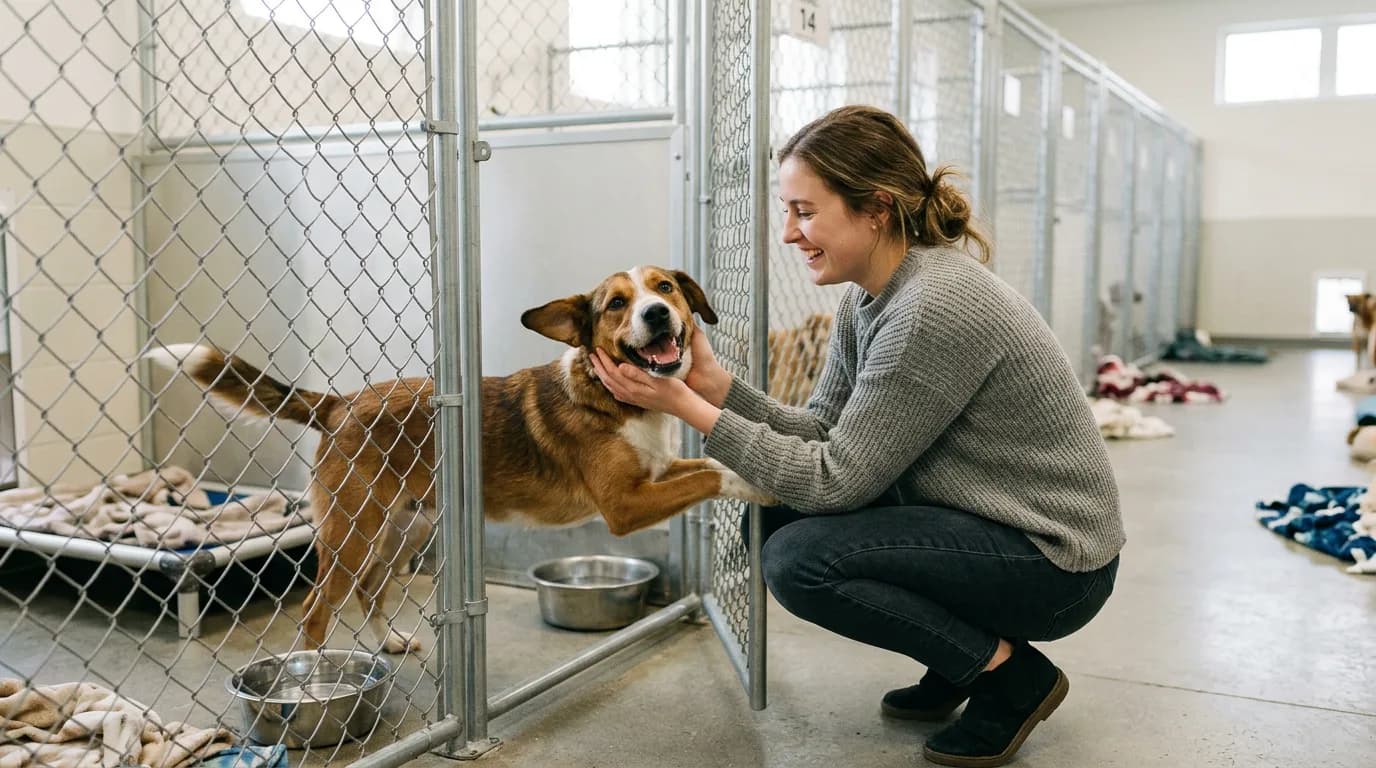
- Volunteer Wisely: Offer your time or resources to local shelters and rescue groups in person rather than relying solely on social media.
For more ways to help, check out this guide on how kids can help shelters and visit the Carolina Hearts Aussie Rescue Facebook page to see responsible animal social media in action.
Things You Need to Stop Doing on Animal Social Media Now
Stop Cross-Posting Excessively
If your Facebook name includes “Cross-poster” or “X-poster” or anything similar, don’t request to be my friend. I’m going to deny it. Why?
- Overwhelming Notifications: I really don’t want to get 50 notifications a day from you tagging my name on pictures and sharing dogs on my wall. That’s my Facebook page — for me!
- Information Overload: Chances are, I already know about the dog if it’s the type of dog I rescue. It has probably been emailed to me multiple times by 10 a.m., and the shelter has likely already contacted me directly.
Avoid Scattering Information
Another major issue with rampant cross-posting is that it scatters information across various threads.
- Disjointed Communication: Every thread has a different set of comments, and nobody ever checks the original thread for updates. This makes it challenging to track the dog’s status.
- Lower Priority for Updates: If I’m rescuing a dog, updating Facebook is not my first priority. Coordinating with the shelter and local volunteers personally is my priority.
Stop Feeding Panic
Cross-posting these days often creates unnecessary hysteria surrounding shelter animals.
- Emotion Over Action: It feeds into the emotions of users who aren’t checking facts before posting, making the lives of rescuers and shelter workers more difficult.
- Focus on Coordination: Panic does not solve problems — coordination and action do.
Stop Saying, “I Wish I Could Help, But…” on Animal Social Media
It’s time to stop posting comments like, “I wish I could help, but I’m 1,000 miles away,” or “I wish I could help, but I have 5 dogs already.” If you can’t help, that’s fine, but please avoid cluttering threads with these sentiments. Why It’s Problematic:
- Clutters Threads: Threads for shelter dogs often have numerous comments, but very few actually offer tangible help. Instead, they’re filled with cross-posters tagging names and people expressing their regret.
- False Hope: Comments like “I’ll take this baby but I can’t drive” are unhelpful unless followed by a commitment, like offering to pay for boarding and transport. Otherwise, you’re just adding noise to an already overwhelming situation.
Avoid Saying, “Someone NEEDS to Save This Dog!”
This is one of the most frustrating aspects of animal social media. Unless that “someone” is you, refrain from making this statement. By doing so, you’re placing the responsibility on others rather than taking action yourself.
- Take Responsibility: If you’re not willing to take action, don’t expect others to step up in your place.
- Be Proactive: Instead of urging others, consider how you can contribute, whether it’s through adoption, fostering, or supporting rescue efforts financially.
For those genuinely interested in helping, consider adopting a dog and making a real difference.
3 Things You Should Do More Often on Animal Social Media
1. Donate to Support Animal Social Media Efforts
Whether or not you agree with rescues pulling dogs based on pledges and sponsorship, the reality is that many do. Especially in regions like the South, where heartworm disease is rampant, rescues often can’t afford to take in dogs whose vet bills will run into the hundreds.
- Financial Support Saves Lives: Adoption fees rarely cover treatment costs, and without financial support, many rescues would be unable to continue their work. Donations can cover vetting and transportation, which can make the difference between life and death for a dog.
- Small Sacrifices, Big Impact: If skipping that daily latte allows you to donate $20 a week to help get shelter dogs out and into rescue, why not do it?
Learn more about the dangers of heartworm disease and how your donations can help.

2. Get Off Your Butt and Take Action
Seriously. Get off your butt and out from behind the computer — FOSTER.
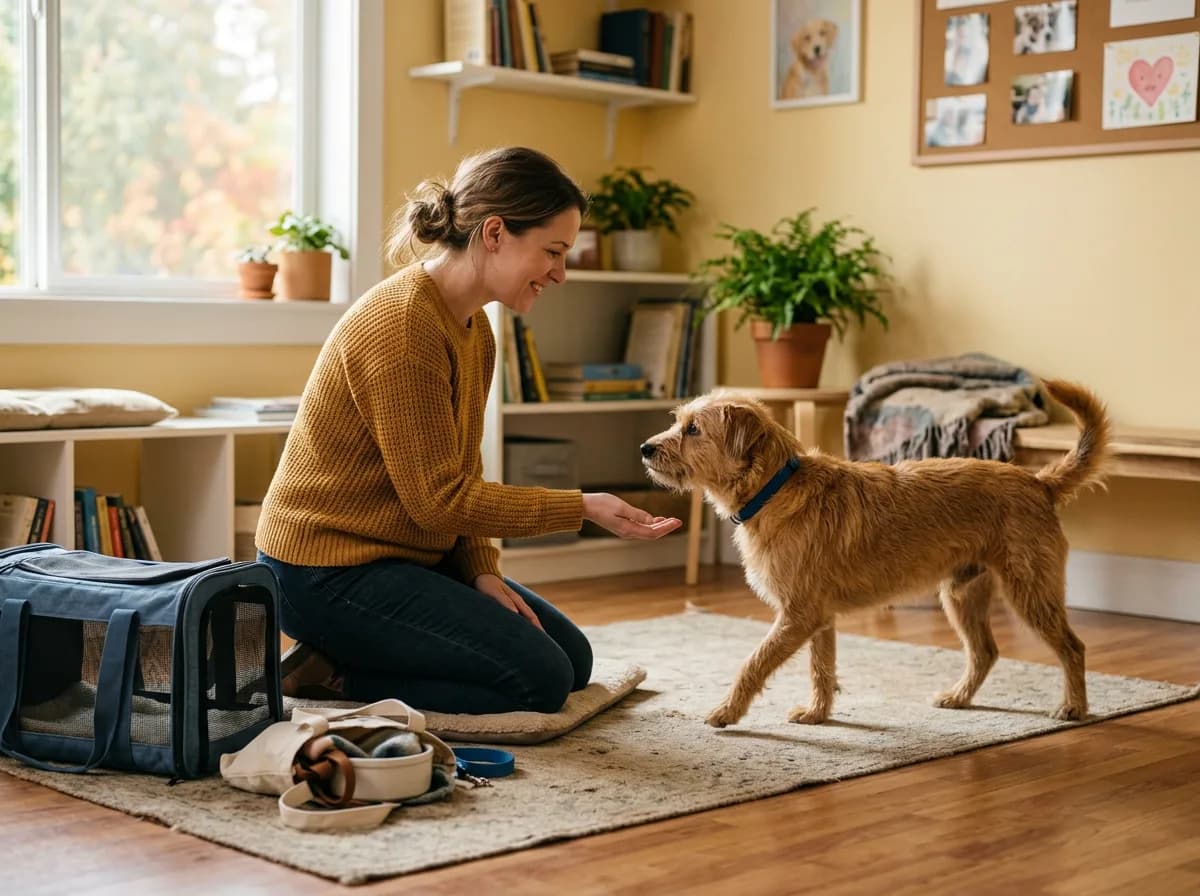
- Fostering Saves Lives: Fostering is not that hard, and even if you’re just a temporary foster who holds animals for transport, you’re saving two lives — the animal you’re taking home and the one filling its space at the shelter.
- Support Beyond Fostering: If you genuinely cannot foster, consider driving for transports, evaluating dogs in your local shelter, or taking pictures of available animals. You can also become a general volunteer for your chosen rescue by helping with tasks like data entry, home visits, or assisting at local events.
The folks running rescues have jobs, lives, and families, on top of their rescue responsibilities. Your support, no matter how small, can make a huge difference.

3. Use Your Skills and Time Wisely
We all have skills, and many rescues could greatly benefit from them.
- Offer Your Expertise: If you’re good with computers, web design, or graphic design, offer to help build a rescue’s website or design a logo. High-quality visuals can significantly impact a rescue’s success in finding homes for animals.
- Creative Contributions: If you’re a good photographer, offer to take pictures of foster dogs or shelter animals. Better pictures lead to faster adoptions.
- Utilize Any Skill: Your skills can be used in various ways. If you’re an accountant, offer to help with records. If you like to sew, make collars or beds that can be donated to shelter dogs or sold at events. Even something as simple as making tutus can contribute to a rescue’s fundraising efforts.
Remember, fostering saves lives and every skill you offer helps animals find their forever homes.
Frequently Asked Questions (FAQ)
You can help by donating, fostering, sharing adoption posts responsibly, and offering your skills to support rescue efforts.
Fostering saves lives by providing temporary homes, freeing up space in shelters, and increasing an animal's chances of adoption.

This article was written by a featured contributor of Petful. To learn more about Petful and our mission to help pets everywhere live happier, healthier lives, check out our About page.
Sign up for expert-backed reviews and safety alerts all in one place.