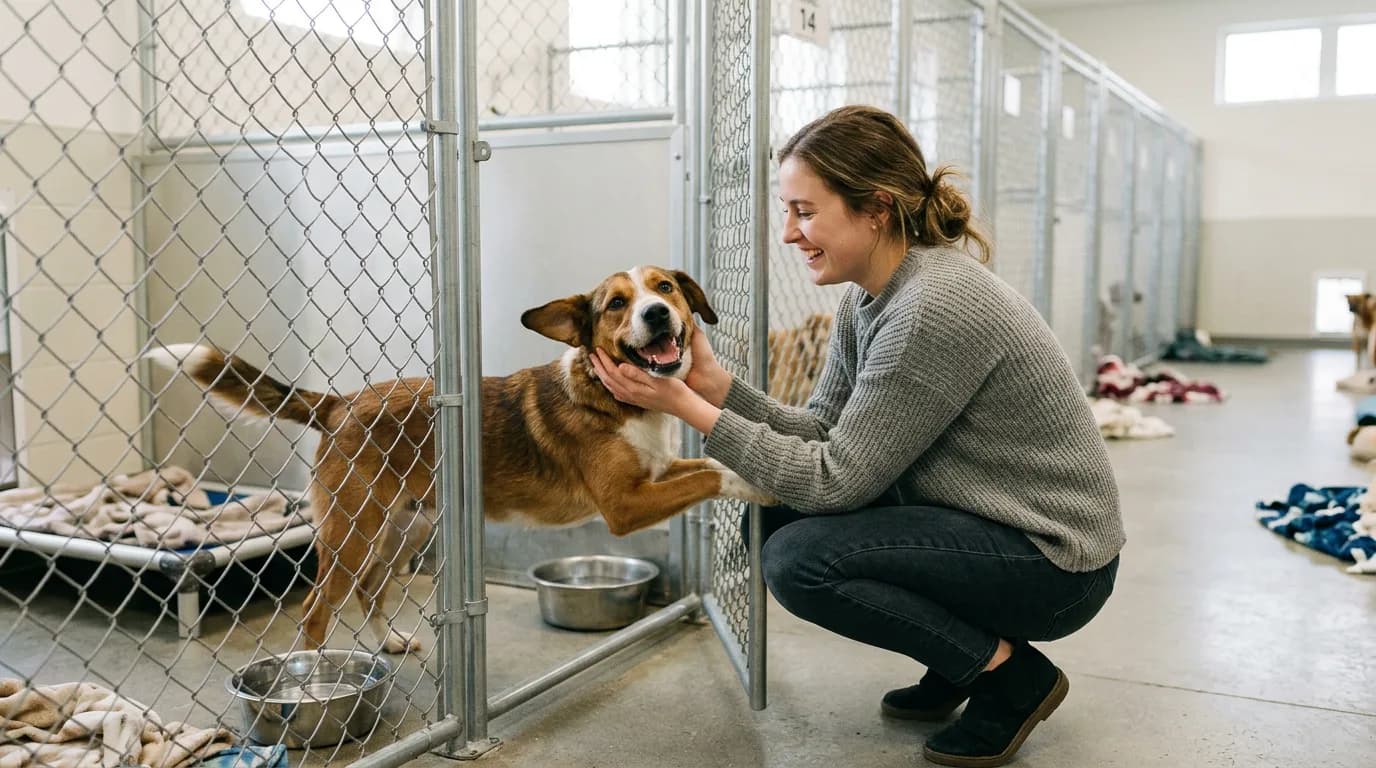
The Complete Guide to Pet Fostering: Everything You Need to Know
Pet foster parents free up space in rescues and shelters by caring for abandoned or sick animals in their home. Here's how to get started.

The Benefits of Pet Fostering
Being a pet foster parent can be a rewarding experience. You get a furry friend for companionship, and the animals escape the crowded or loud shelter and rescue cages. Pet fostering provides homeless animals with a place to live while waiting for a permanent home. Injured animals have a safe and quiet place to recuperate, and a puppy mill survivor can get familiar with a home for the first time. Key Benefits of Pet Fostering:
- Provides companionship for the foster parent and a safe space for animals
- Helps homeless animals find temporary homes
- Supports injured animals in their recovery
- Offers a transitional home for puppy mill survivors
Fostering also helps keep open spaces in shelters and rescues for new animals. There are drawbacks to pet fostering, such as the emotional challenges of letting go, but the benefits often outweigh them for most people. Here, we offer an overall look at pet fostering and what you can expect.
Preparing Your Home for Pet Fostering
Whether you've had pets before or are fostering for the first time, there are essential preparations you need to make before starting your pet fostering journey. Key Considerations for Setting Up Your Home:
- Animal-Specific Needs: The items you need will depend on the type of animal you will be fostering. Dogs and cats require bowls and beds, while smaller animals such as guinea pigs, ferrets, and birds need cages and specific types of bedding.
- Nutrition: Nutrition is a crucial aspect of pet fostering. Shelters and rescues may have a preferred brand of food, or your foster pet might have allergies or specific dietary needs. Many times, food will be provided for you, but it's wise to inquire ahead of time in case you need to supply it yourself.
- Medications and Veterinary Care: Medications and veterinary care are typically provided by the shelter or rescue. However, this can vary depending on their foster agreement or budget and yours.
Once you decide on the type of animal you will foster, you can gather or buy the necessary items. In some cases, these may be provided for you, but it's always good to prepare yourself in case no materials or reimbursements are included. For instance, if your foster pet has allergies, you might need to source specific products or foods.
Choosing the Right Rescue or Shelter for Pet Fostering
If you're considering pet fostering but haven't yet chosen a rescue or shelter, don't worry. You can start by contacting local shelters and rescues to see which ones are in need of foster parents. It's often beneficial to select a location close to home, especially if you'll need to make regular trips for the animal's vet care or medication. Key Considerations When Choosing a Shelter:
- Location: Proximity can make it easier to manage trips for vet care and supplies.
- Foster Parent Requirements: Many shelters and rescues have specific requirements for foster parents. These may include:
- Support and Supplies: Most shelters will provide food and supplies for foster animals, but any additional contributions you can make are appreciated.
For more detailed information on fostering, you can visit the Humane Society of Tampa Bay or other local shelter websites.
Considering Your Pets Before Starting Pet Fostering
While you may believe your dog, cat, ferret, or bird will warmly welcome a new pet, this may not always be the case. Introducing a new animal or species into your home can be confusing or even lead to territorial disputes among your existing pets. Tips for Managing Pet Introductions:
- Separate Spaces: It's crucial to follow the shelter's recommendation of keeping a separate area for your foster pet. This helps reduce stress and allows time for gradual introductions.
- Monitor Interactions: Don't expect your own pets to happily accept the new addition immediately, regardless of the temporary nature of the situation. Monitor their interactions and look for signs of discomfort or aggression.
- Gradual Introduction: Consider a gradual approach to introducing the new animal. For more detailed guidance, you can refer to resources like introducing a new animal.
Pet fostering requires careful consideration of your current pets' needs and reactions to ensure a smooth transition for everyone involved.
Can You Choose Your Foster Pet? Exploring Options in Pet Fostering
When it comes to pet fostering, the ability to choose your foster pet can vary based on the organization you work with. Different shelters and rescues have their own preferences and procedures for foster parents. Factors Influencing Your Choice:
- Organization Policies: Some organizations may allow you to choose the pet you wish to foster, while others might require you to accept any animal they assign to you. It's important to understand these policies upfront.
- Flexibility: Many places are flexible and may let you specify the type of animal you want to foster. This can be particularly helpful if, for example, a family member is scared of dogs, in which case fostering cats may be more suitable.
- Preferences and Realism: If you prefer smaller animals, consider asking about fostering hamsters, rabbits, ferrets, guinea pigs, and other similar pets. Being honest and realistic about your preferences helps ensure that the animal is a good fit for your home, preventing the need to return an animal that may not work out.
Pet fostering offers a unique opportunity to help animals in need, and understanding your options can make the experience more rewarding and manageable.
What to Expect When Pet Fostering
Pet fostering can bring a variety of experiences, depending on the type of animal you take in. You might welcome a well-adjusted, previously homed pet that adapts easily, or you could foster a mill rescue who is unfamiliar with common experiences, such as walking on grass. What to Be Prepared For:
- Administering Medication: Some foster animals may require medication. It's important to inform the shelter or rescue if this is not something you're comfortable with. For tips on this, refer to how to administer medication.
- Recognizing Signs of Illness or Distress: You don't need to be an expert in the species you're fostering, but a general love and interest in animals will help you recognize signs of illness or distress. This skill may develop over time, but for first-time foster parents, it can be a bit challenging. Learn more about identifying health issues at signs of illness or distress.
Being prepared for these scenarios will help you provide the best care for your foster pets and ensure a smoother fostering experience.
What's the Catch in Pet Fostering?
There is no catch in pet fostering. You bring an animal into your home, provide it with a loving family, and with any luck, you receive food and vet care expenses covered by the shelter or rescue. However, the most challenging part is something every foster parent fears: having to say goodbye.
Challenges and Emotional Aspects of Pet Fostering:
- Saying Goodbye: The term "Foster fail" is common for a reason. Many people integrate their foster pets so thoroughly into their lives that they don't want to give them up. Others are able to let them go to their new homes and anticipate the next foster pet.
- Dealing with Loss: This is perhaps the most difficult part of pet fostering; at some point, you may have to let them go. There is also the possibility of the foster pet passing away due to advanced age or illness.
To gain insight from a long-term foster parent, consider the perspective shared by John Bartlett, who has fostered over 35 mother cats and their kittens. He discusses the emotional challenges and rewards of fostering in his original post, which highlights the complexities of being a foster care provider. Fostering is not without its hardships, but the joy of seeing a semi-feral animal transition from fear to comfort in your lap, or witnessing the first steps of a young animal, can be incredibly fulfilling.
For those worried about the difficulty of letting go, some shelters, such as Purrfect Pals, offer "Permanent Foster" programs. These programs are for cats with ongoing medical issues that make them unadoptable, allowing them to remain in your care for the rest of their lives, with vet care provided by the shelter at no cost.
If you want to foster but can't handle newborns, many adult animals need time in foster care. These are often cats that need a little TLC to become healthy or that fare poorly in a cage and don’t show themselves well to potential adopters.
For more insights, you can watch John's current foster pets on his live video feed. He rarely takes breaks between litters of cats, so there's almost always a mother cat and her kittens on display.
Can't foster? Considering volunteering at an animal shelter or rescue.
Frequently Asked Questions (FAQ)
Pet fostering involves temporarily caring for a pet in your home until they can be adopted into a permanent home.
Fostering a pet means providing a temporary home and care for an animal, helping them transition to a permanent family.
Fostering a pet means taking in an animal temporarily to care for them, often to help them recover or adjust before adoption.

Sign up for expert-backed reviews and safety alerts all in one place.

Kristine Lacoste has been researching dog and cat breeds for nearly a decade and has observed the animals up close at dog shows in both the United States and the United Kingdom. She is the author of the book One Unforgettable Journey, which was named as a finalist for a Maxwell Award from the Dog Writers Association of America, and was host of a weekly pet news segment on the National K-9 Academy Radio Show. In addition, she was the New Orleans coordinator for Dogs on Deployment, a nonprofit that helps military members and their pets, for 3 years. Kristine has researched and written about pet behaviors and care for many years. She holds a bachelor’s degree in psychology, another bachelor’s degree in English and a Master of Business Administration degree.
Sign up for expert-backed reviews and safety alerts all in one place.