Why Is My Senior Dog Limping? Tracking Mobility and Activity Changes at Home
A senior dog limp deserves context and veterinary attention. Learn which gait, mobility, and activity changes to record and when the problem needs urgent care.

BVMS, MRCVS
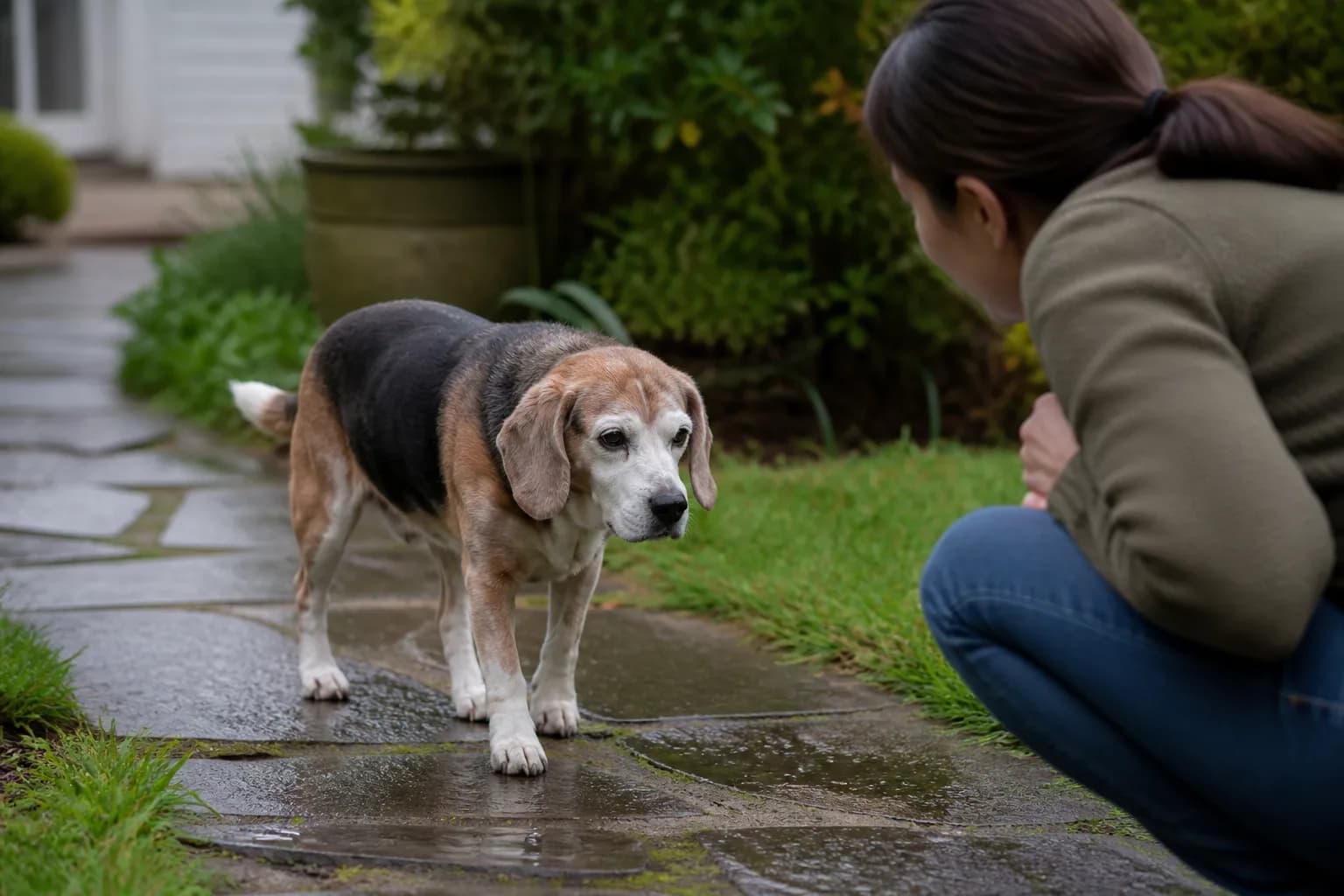
Changes in pace, stride, weight bearing, and recovery can help a veterinarian assess a senior dog.
Petful is reader supported. As an affiliate of platforms like Amazon and Chewy, we may earn a commission when you buy through links on this page. There is no extra cost to you.
Sponsored by Maven Pet.
A senior dog limping may have arthritis, a paw injury, a muscle strain, a torn ligament, spinal pain, infection, or another problem that needs a veterinary exam. Maven Pet can help families track activity, rest, and changes from the dog's usual routine between visits, but it cannot identify which joint hurts or diagnose the cause.
The most useful first question is whether the change is sudden or gradual. A dog who suddenly cannot bear weight, cries out, collapses, drags a limb, or cannot stand needs prompt veterinary care. A mild, gradual limp still deserves an appointment if it persists, returns, or affects normal activities.
Petful's review of the Maven Pet Smart Collar provides a broader look at how the monitoring experience works at home.

A collar-mounted sensor and app for activity, rest, sleep, respiratory rate, heart-rate trends, itch behaviors, and more.
- Builds a personalized baseline over time
- Tracks trends between veterinary visits
- Generates a month-long shareable report
Health monitoring for dogs and cats
Petful may earn a commission when you click through to Maven Pet, at no extra cost to you.

Sign up for expert-backed reviews and safety alerts all in one place.
Common reasons a senior dog may limp
In a senior dog, limping is a sign, not a diagnosis. Age makes osteoarthritis more likely, but it does not make every limp “just arthritis.” Your veterinarian may consider several possibilities.
- Osteoarthritis: Joint degeneration can cause stiffness, reduced range of motion, and discomfort that often develops gradually.
- Paw or nail injury: A torn nail, cut pad, foxtail, splinter, or irritation between the toes can change a dog's gait suddenly.
- Muscle or tendon strain: A slip, jump, or unusually long walk may produce soreness that becomes more noticeable after rest.
- Cruciate ligament injury: A partial or complete tear in the knee can cause sudden or intermittent hind-limb lameness.
- Spinal or neurologic disease: Back pain, disc disease, or nerve problems may look like limping, weakness, knuckling, or difficulty coordinating the legs.
- Infection, immune-mediated disease, or bone disease: Swelling, fever, marked pain, or a persistent unexplained limp requires veterinary investigation.
Petful's overview of arthritis medicine and management for dogs explains how osteoarthritis can affect mobility. Medication decisions still need to be made with a veterinarian, especially for an older dog with kidney, liver, heart, or gastrointestinal concerns.
What mobility details are useful to track
- Record when the limp appears, which activities bring it out, and whether your dog's overall movement and rest are changing. That history helps your veterinarian evaluate a problem that may look different in the clinic.
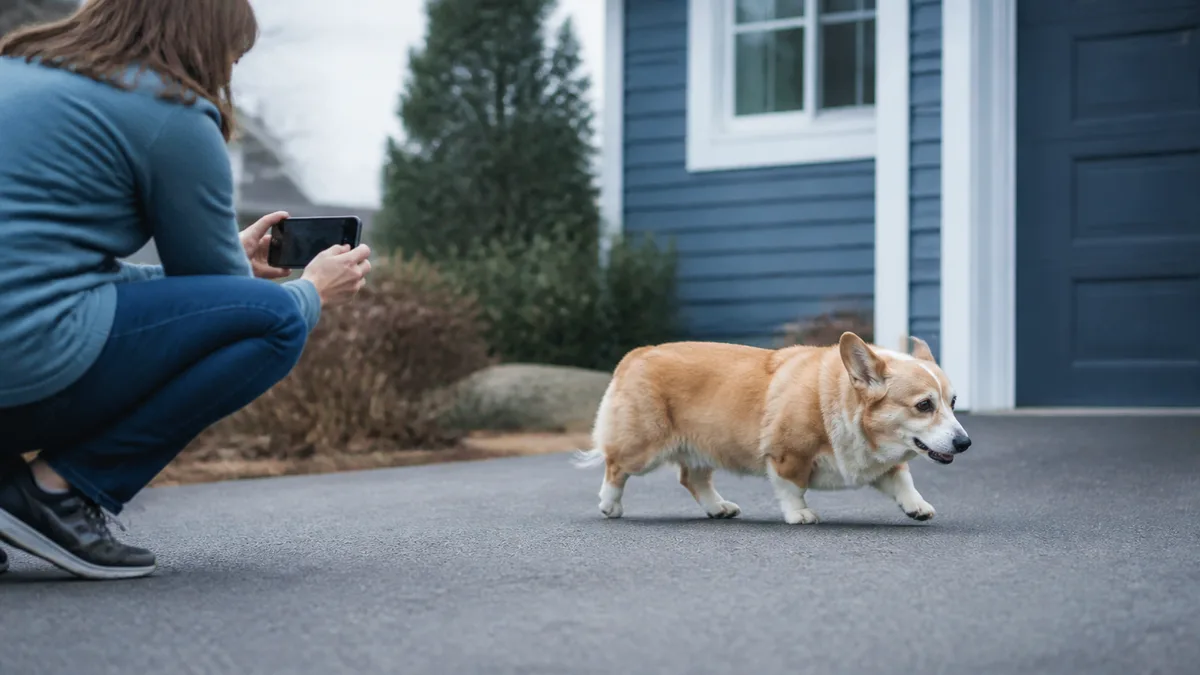
When a dog is limping, a short video and a consistent set of observations can be more informative than a general statement that your dog “seems slower.” Record the following:
- Which leg appears affected, if you can tell
- Whether the limp is worse after rest or after activity
- How long stiffness lasts after getting up
- Changes on stairs, slippery floors, or when entering the car
- Reluctance to jump, squat, turn, or lie down
- Shorter walks, slower pace, or more frequent stops
- Nighttime restlessness or difficulty finding a comfortable position
- Appetite, bathroom habits, and interest in family activities
A collar-mounted sensor and app for activity, rest, sleep, respiratory rate, heart-rate trends, itch behaviors, and more.
- Builds a personalized baseline over time
- Tracks trends between veterinary visits
- Generates a month-long shareable report
Health monitoring for dogs and cats
Petful may earn a commission when you click through to Maven Pet, at no extra cost to you.
Do not force a painful leg through its range of motion or repeatedly test stairs and jumps. Film naturally occurring movement from the side and from behind if it is safe to do so.
What should I do if my older dog is limping? Start by preventing running, jumping, rough play, and repeated stair use while you call your veterinary team for guidance. Record when the change began, whether your dog can bear weight, the time after rest, and the surface and activity around the change. Do not keep testing the leg to see whether the limp returns.
The following observation matrix helps organize what you naturally see. It does not identify the painful structure or replace an orthopedic and neurologic examination.
| Pattern you observe | Safe details to record | What to avoid | Urgency |
|---|---|---|---|
| Sudden limp after a slip, jump, or rough play | Exact event, affected leg if clear, ability to bear weight, swelling or distress | Do not recreate the movement or manipulate the joint | Call promptly; same-day care if pain is marked or weight bearing is poor |
| Worse after rest, then changes during the first steps | Time after rest, number of stiff steps, surface, and whether it repeats | Do not assume it is harmless arthritis | Arrange an appointment if it persists or returns |
| Worse after activity or a longer walk | Activity, terrain, duration, pace, and recovery time | Do not add exercise to test endurance | Reduce strenuous activity and ask the veterinary team about timing |
| Paw licking, torn nail, pad change, or visible object | What is visible without probing, plus a clear photo | Do not dig into the paw or pull an embedded object | Call for a wound, bleeding, swelling, or suspected foreign material |
| Dragging, knuckling, crossing limbs, or weakness | Video only if safe, onset time, and ability to stand | Do not force walking | Seek urgent veterinary care |
How Maven Pet can add context between visits
The Maven Pet dog activity tracker follows movement and rest, compares weekly and monthly patterns, and highlights changes relative to a dog's personal baseline. For a senior dog, the useful signal may be a gradual decline in active time, less high-intensity movement, longer recovery after an outing, or a shift toward more rest.
Those changes do not prove pain or arthritis. Hot weather, a disrupted routine, illness, medication, travel, and many other factors can also affect activity. The value is in pairing the trend with your notes, videos, and veterinary exam.
Maven Pet's dog arthritis guide also describes activity, rest, and sleep as practical trends to discuss with a veterinarian. It correctly frames the device as a monitoring companion, not an imaging test or diagnostic tool.
What the Maven Pet osteoarthritis study found
A 2025 exploratory case series followed five dogs with diagnosed osteoarthritis for up to 126 days using a Maven Pet wearable sensor. Researchers recorded nine clinical events, including seven osteoarthritis-related flares and two unrelated health events. Sensor deviations aligned with eight of the nine events, and in one case an activity decline appeared before the owner noticed a problem.
A collar-mounted sensor and app for activity, rest, sleep, respiratory rate, heart-rate trends, itch behaviors, and more.
- Builds a personalized baseline over time
- Tracks trends between veterinary visits
- Generates a month-long shareable report
Health monitoring for dogs and cats
Petful may earn a commission when you click through to Maven Pet, at no extra cost to you.
The study is encouraging but small. It was funded by Maven Pet, and three coauthors were Maven Pet veterinarians. It supports the idea that continuous activity data may add context around known osteoarthritis. It does not show that a wearable can diagnose arthritis, determine the cause of a limp, or replace a physical and orthopedic examination.
A seven-day mobility-change log
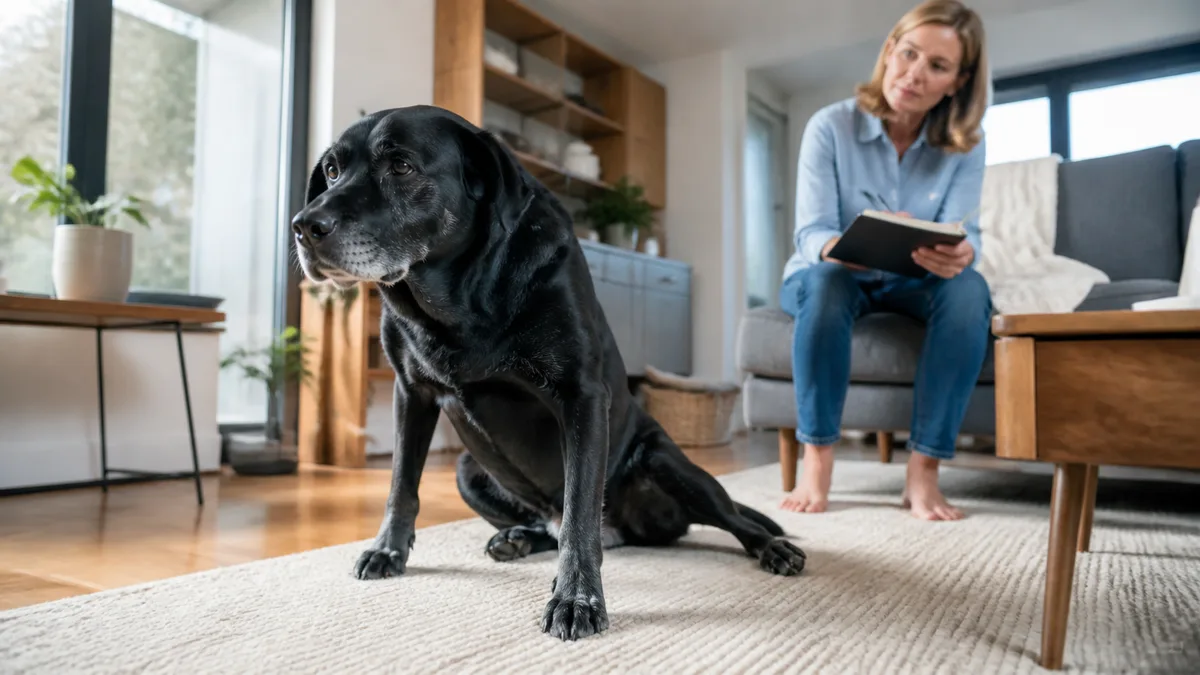
If the limp is mild and your veterinarian has not advised immediate care, a seven-day mobility-change log can make the appointment more productive. General cause lists do not turn timing, surface, rest, and activity observations into a concise seven-day report for the veterinarian; this log does. Include the onset even if you first noticed your dog suddenly limping, then compare the time after rest, surface and activity, weight bearing, and direction of change. Do not use a seven-day log to delay care when your dog is in obvious pain or getting worse. Use the same route and safe surfaces when practical so daily comparisons are meaningful rather than tests of what your dog can tolerate.
| Day | Time after rest | Surface and activity | Gait, comfort, and action |
|---|---|---|---|
| Day 1 | Note sleep or rest length and the first few natural steps | Record the usual safe route, surface, and recent activity | Describe weight bearing, stride, swelling, pain, and whether you called the clinic |
| Days 2-3 | Compare at roughly the same time after rest | Keep activity veterinarian-approved and comparable | Add a short side or rear video only if movement occurs naturally and safely |
| Days 4-6 | Record whether stiffness is shorter, unchanged, or longer | Note any change in terrain, walk length, slips, or play | Mark improvement, recurrence, or worsening without testing the leg |
| Day 7 | Summarize the most repeatable after-rest pattern | List the activity and surface most often linked with the change | Prepare the timeline, videos, medication list, and questions for your veterinarian |
Morning
Record how easily your dog rises, how the first 10 to 20 steps look, and whether stiffness eases. Note any slipping, knuckling, or difficulty standing.
During the day
Note the length and pace of walks, enthusiasm for play, stair use, and recovery after activity. If you use Maven Pet, compare the day with the established baseline rather than with a generic activity target.
Evening
Record whether your dog circles before lying down, changes positions frequently, pants without heat or exertion, or avoids a usual bed. Note whether the limp is more apparent after the day's activity.
Once during the week
Take a short video in the same safe location and lighting. A level, nonslip surface is best. Film a few natural steps from the side and, if safe, from behind so the veterinarian can compare stride and weight shifting. Keep the camera steady and include the whole dog. Do not force stairs, turns, running, jumping, or repeated passes for a better clip. Stop if your dog appears painful or unstable.
For broader age-related care, Petful's guide to senior dog health covers regular veterinary exams, changes in mobility, and ways to make the home easier to navigate.
A collar-mounted sensor and app for activity, rest, sleep, respiratory rate, heart-rate trends, itch behaviors, and more.
- Builds a personalized baseline over time
- Tracks trends between veterinary visits
- Generates a month-long shareable report
Health monitoring for dogs and cats
Petful may earn a commission when you click through to Maven Pet, at no extra cost to you.
One dog parent's experience
In a May 2026 Trustpilot review, Dasha Martin described using Maven Pet's sleep and activity information for a Cocker Spaniel with IVDD and spinal arthritis. She valued seeing whether he was getting enough exercise without overdoing it. That is an individual experience, not evidence that a tracker determines a safe exercise prescription, but it illustrates how trend information can support a veterinarian-directed plan.
When limping needs prompt veterinary care
Seek same-day or emergency veterinary help if your dog:
- Cannot bear weight or cannot stand
- Has sudden severe pain, cries out, or becomes distressed
- Drags a limb, knuckles a paw, or loses coordination
- Has a visibly deformed limb or suspected fracture
- Has a hot, markedly swollen joint
- Collapses, has pale gums, or struggles to breathe
- Developed the limp after a fall, collision, or other trauma
- Has a wound, uncontrolled bleeding, or a foreign object embedded in the paw
Call your regular veterinarian promptly if a mild limp lasts more than a day, repeatedly returns, or comes with appetite loss, fever, unusual tiredness, swelling, or behavior change. Frail seniors and dogs with chronic conditions may need to be seen sooner.
When should I be concerned about my dog limping back leg? Concern is higher when the dog cannot bear weight, the leg is swollen or deformed, the paw drags or knuckles, coordination changes, pain is severe, or the problem followed trauma. A mild back-leg limp that disappears can still warrant an appointment when it keeps returning. The side of the limp alone does not determine the cause or urgency.
Petful's guide to true dog emergencies can help families recognize signs that should not wait for a routine appointment.
Safe support while you wait for veterinary guidance
Restrict running, jumping, rough play, and stairs until you know what is wrong. Use a leash for bathroom breaks, place rugs or nonslip mats on slick floors, and provide an easy-to-enter bed. A properly fitted support harness may help some dogs, but ask your veterinary team how to use it safely.
Never give ibuprofen, naproxen, acetaminophen, or another human pain reliever unless a veterinarian specifically instructs you to do so. Some human medications can cause severe or fatal toxicity in dogs. Do not use leftover veterinary medication from another pet.
If your dog already has an arthritis plan, continue prescribed medication unless the veterinarian tells you otherwise. Report vomiting, diarrhea, black stool, appetite loss, or other new signs promptly.
Frequently asked questions
Stiffness after rest can occur with osteoarthritis, but it is not specific to arthritis. Record how long your dog rested, how the first several steps look, whether the gait changes as movement continues, and whether the pattern repeats. The duration, severity, affected limb, surface, and other signs help your veterinarian decide what examination or imaging may be appropriate.
No. A collar sensor can show changes in overall movement and rest, but it cannot localize pain, examine a joint, or identify a paw injury. A normal activity total can also hide a short or intermittent limp. Record which leg appears affected only when it is clear, and bring side-view and rear-view videos for the veterinary examination.
Avoid strenuous activity until you have veterinary guidance. Short, controlled leash bathroom breaks may be appropriate when your dog can walk comfortably, but do not use a walk to test whether the limp improves. Sudden, painful, worsening, or non-weight-bearing lameness needs prompt evaluation. Follow the exercise plan for your dog's diagnosed condition only after confirming it with the veterinary team.
No. Dogs may compensate, and intermittent problems can disappear temporarily. A tracker summarizes selected movement and rest rather than the quality of every step. A recurring limp still deserves attention even if total activity looks normal. Note the time after rest, surface and activity, duration, and any change in stairs, rising, pace, or willingness to move.
Bring videos, the date and circumstances of onset, a medication and supplement list, notes about stairs and rising, and any activity or sleep trend report. Include the time after rest, surface and activity, ability to bear weight, and whether the pattern is improving or worsening. Tell the veterinarian about falls, unusual exercise, and previous joint or spinal problems.
If your older dog is limping, prevent running, jumping, rough play, and repeated stairs while you contact your veterinary team. Record onset, weight bearing, swelling, pain, recent activity, and how the gait changes after rest. Do not manipulate the leg or give human pain medicine. Seek urgent care if your dog cannot stand, cannot bear weight, drags or knuckles the paw, has severe pain, or was injured.
You should be concerned about your dog limping on a back leg when the change is sudden, persistent, worsening, repeatedly returns, or comes with swelling, pain, weakness, appetite loss, or behavior change. Seek urgent care for inability to bear weight, major trauma, deformity, dragging, knuckling, poor coordination, or inability to stand. The location alone cannot identify the cause, so recurring mild limping still deserves veterinary assessment.
Sources
BVMS, MRCVS
Dr. Pippa Elliott, BVMS, MRCVS, is a veterinarian with nearly 30 years of experience in companion animal practice. Dr. Elliott earned her Bachelor of Veterinary Medicine and Surgery from the University of Glasgow. She was also designated a Member of the Royal College of Veterinary Surgeons. Married with 2 grown-up kids, Dr. Elliott has a naughty Puggle named Poggle, 3 cats and a bearded dragon.
Sign up for expert-backed reviews and safety alerts all in one place.

A Final Word (Disclaimer)
At Petful, our review integrity is paramount; we never exchange special treatment in our reviews for monetary or material rewards.
Nonetheless, when our readers click through to online merchants (including Chewy or Amazon), we receive a referral commission. This supports the running of our free blog, and we appreciate your backing.