Leaky Gut in Dogs: Signs, Causes, and How to Rebuild the Microbiome
Leaky gut in dogs is an informal label for increased intestinal permeability, not a home diagnosis. Learn the signs, veterinary workup, and practical ways to support recovery and the microbiome.

BVMS, MRCVS
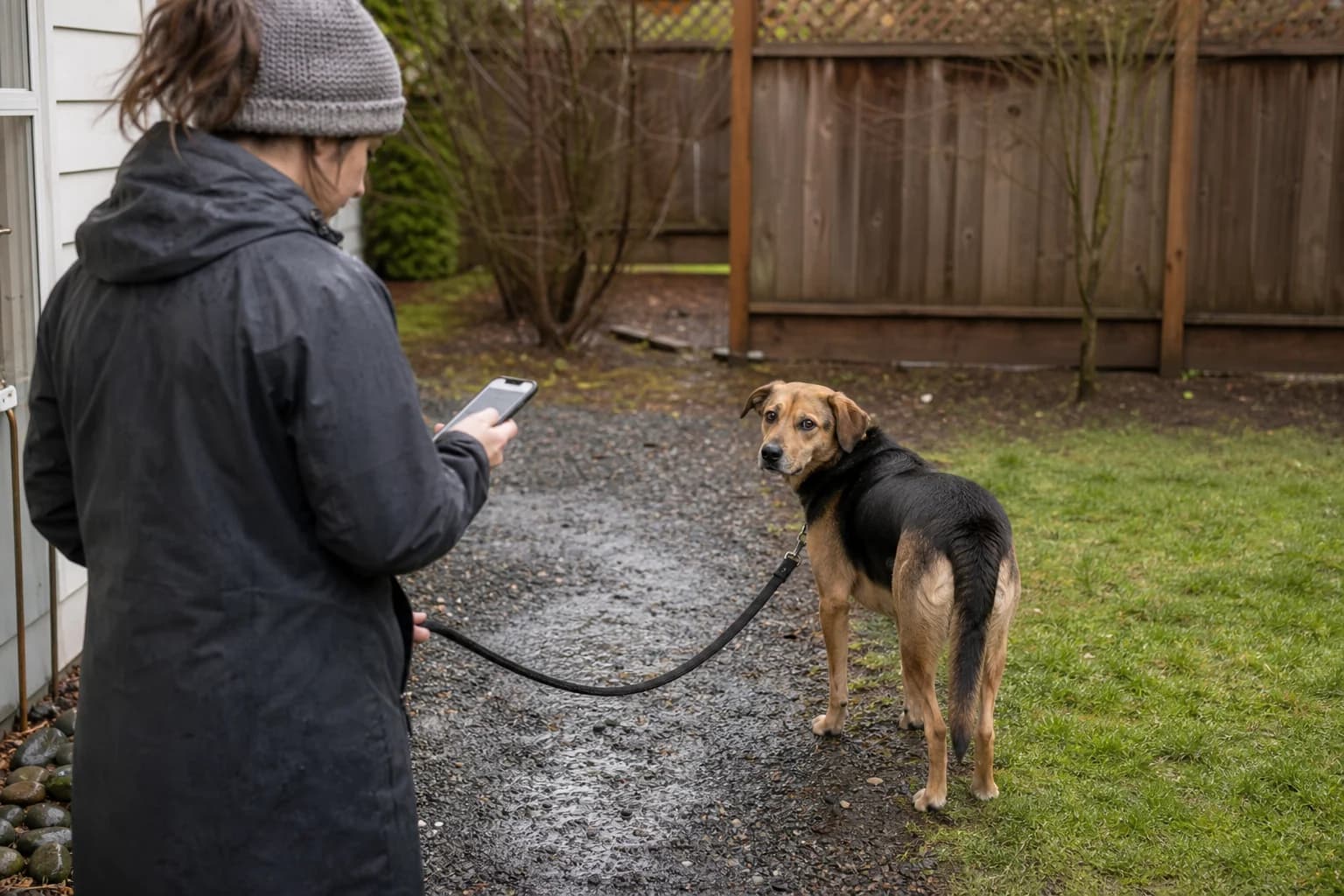
A calm routine, hydration, and a clear veterinary plan support recovery from digestive upset.
Petful is reader supported. As an affiliate of platforms like Amazon and Chewy, we may earn a commission when you buy through links on this page. There is no extra cost to you.
Petful may earn a commission when you buy through links on this page, at no extra cost to you.
Leaky gut in dogs is a popular phrase for increased intestinal permeability, meaning the intestinal barrier allows material to cross more readily than it normally would. The phrase is easy to understand, but it can be misleading when used as a stand-alone diagnosis. Diarrhea, vomiting, gas, appetite change, and skin signs have many possible causes, and none proves that a dog has leaky gut.
The positive news is that owners can take useful action without guessing. A veterinarian can look for treatable causes, while a steady diet, thoughtful medication history, and targeted microbiome support can help the digestive system recover. The goal is to identify the problem, protect the intestinal environment, and measure the response.
Leaky gut is not a diagnosis you can confirm at home. Treat the phrase as a prompt to document signs, investigate causes, and build a veterinary-guided recovery plan.
Animal Biome's approach is especially relevant when digestive signs keep returning: identify bacterial patterns with a species-specific Gut Microbiome Test, then match maintenance or broader restoration support to the pet's needs. That test-and-support framework can make the conversation with a veterinarian more specific without treating leaky gut as a home diagnosis.

Sign up for expert-backed reviews and safety alerts all in one place.
What leaky gut in dogs means
The intestinal lining is not an inert tube. It is a living barrier made of cells, mucus, immune tissue, blood vessels, and chemical signals. It must absorb nutrients and water while limiting the movement of pathogens, toxins, and other unwanted material. Connections between intestinal cells help regulate that traffic.
Leaky gut is not a diagnosis you can confirm at home. The intestinal barrier can be studied in research and considered during a veterinary workup, but everyday symptoms do not measure permeability by themselves.
When inflammation or injury disrupts the intestinal barrier, permeability can increase. Researchers study this process in canine gastrointestinal disease, but a routine pet-owner symptom cannot show exactly how permeable the barrier is. The more clinically useful terms may be chronic enteropathy, intestinal inflammation, dysbiosis, food-responsive disease, or another diagnosis supported by the workup.
Where the microbiome fits
The dog microbiome and intestinal barrier influence each other. Microbial metabolites can support intestinal cells and normal immune signaling. Inflammation, diet, illness, and medications can also reshape the microbiome. This relationship is why rebuilding the microbiome may be part of a broader plan, but it should not replace diagnosis.
What owners can and cannot infer
Owners can document stool, vomiting, appetite, weight, pain, skin changes, medications, and timing. Those observations reveal severity and direction. They cannot show whether intestinal permeability has increased or identify why it may have changed. Even a microbiome profile describes bacteria in the submitted stool sample rather than measuring the intestinal barrier itself. Keeping observation, microbiome information, and diagnosis in separate lanes prevents the phrase leaky gut from becoming an answer before the workup has begun.
Petful may earn a commission when you click through to Animal Biome, at no extra cost to you.
Signs of leaky gut in dogs
Signs of leaky gut in dogs are nonspecific. They overlap with common digestive diseases and with problems outside the intestine. Watch for patterns such as:
- Recurrent soft stool or diarrhea
- Vomiting, nausea, lip licking, or reduced appetite
- Excessive gas or audible intestinal sounds
- Abdominal discomfort, restlessness, or a hunched posture
- Unplanned weight loss or poor muscle condition
- Blood or mucus in stool
- A coat or skin problem that appears alongside digestive signs
- Symptoms that improve briefly and then return
One abnormal bowel movement after dietary indiscretion is different from a six-week pattern with weight loss. Frequency, duration, severity, and the dog's overall condition determine urgency.
For a broader look at food reactions, recurrent soft stool, vomiting, and other overlapping causes, see Petful's guide to dog digestive issues.
Call your veterinarian urgently if stool is black, there is substantial blood, vomiting is repeated, the abdomen is painful or swollen, the dog is weak, gums are pale, water will not stay down, or a foreign object or toxin is possible. Petful's veterinary guide to vomiting and diarrhea in dogs gives a broader triage framework.
- Write down what you can see: stool consistency, frequency, vomiting, appetite, weight, pain, skin change, and timing. Leave the diagnostic label open until the veterinarian has evaluated the pattern.
Use duration and the whole dog to choose the next step
| Pattern | Useful details to record | Appropriate next conversation |
|---|---|---|
| One brief stool change in a bright, comfortable dog | Food, treats, scavenging, stool appearance, and activity | Monitor closely and ask the veterinarian if it repeats or another sign appears |
| Recurrent soft stool, gas, or vomiting | Frequency, timing around meals, diet history, medication, and weight trend | Arrange a veterinary evaluation for a specific cause rather than rotating supplements |
| Digestive signs with skin or ear problems | Whether the problems occur together, diet exposures, and prior treatment response | Ask whether a structured diet trial or another targeted workup is appropriate |
| Diarrhea with weight loss or reduced muscle | Duration, appetite, stool volume, and measured weight change | Seek timely veterinary assessment for malabsorption, inflammation, or systemic disease |
| Black stool, substantial blood, repeated vomiting, marked pain, weakness, or swelling | Onset, frequency, exposures, and the dog's immediate condition | Contact a veterinarian urgently instead of beginning a home gut-restoration plan |
What causes leaky gut in dogs
What causes leaky gut in dogs is not one ingredient or one bacterium. Increased intestinal permeability may occur alongside several conditions or exposures.
Gastrointestinal inflammation
Acute infection, parasites, dietary reactions, pancreatitis, and chronic enteropathy can inflame the digestive tract. Persistent inflammation may change barrier function and the microbial environment. A dog with repeated signs needs a diagnosis that is more specific than leaky gut.
The time course helps separate questions. A sudden episode after scavenging is not evaluated in the same way as months of intermittent diarrhea with weight loss. Record whether signs fully resolve between episodes and whether appetite, energy, or body condition changes at the same time.
Diet and rapid transitions
A sudden food change can cause short-lived diarrhea. Long-term adverse food reactions require a structured diet trial, often with a novel or hydrolyzed protein, rather than repeated switching among foods. The veterinarian may also adjust fat or fiber depending on the diagnosis.
A diet trial is useful only when the plan is clear enough to interpret. Account for treats, chews, table food, flavored medication, and food used to give pills. If several extras remain, improvement or relapse cannot be tied confidently to the selected diet.
Antibiotics and other medications
Antibiotics can be necessary and lifesaving, but broad-spectrum drugs can change microbial diversity and metabolism. Research in dogs has documented microbiome changes during metronidazole treatment, with recovery taking weeks or longer in some studies. Never stop a prescribed drug without the prescriber. Report digestive signs and ask how the treatment and recovery plan should be coordinated.
Include start and stop dates, dose times, the reason for treatment, and when digestive signs appeared. The medication, the illness being treated, and another change may overlap. A precise timeline helps the prescriber judge whether monitoring, testing, supportive care, or an authorized treatment change is appropriate.
Stress, environment, and concurrent disease
Stress can influence appetite, motility, and stool. Liver disease, pancreatic disease, endocrine disorders, cancer, and other illnesses may create similar signs. A complete history prevents the digestive tract from being considered in isolation.
Boarding, moving, household conflict, schedule changes, reduced exercise, and access to unfamiliar food can be relevant without explaining everything. Record environmental changes, but continue to evaluate persistent or significant physical signs on their own merits.
Petful may earn a commission when you click through to Animal Biome, at no extra cost to you.
Problems that can look like leaky gut
The phrase leaky gut can gather several different problems under one label. Clinical differentiation matters because the useful test and treatment depend on the cause, not on how similar the first symptoms appear. The patterns below are questions for a veterinary history, not a way to diagnose a dog at home.
| Pattern in the history | Question it raises | Why the distinction matters |
|---|---|---|
| Sudden diarrhea after scavenging, travel, or exposure to unfamiliar dogs | Could infection, parasites, or dietary indiscretion be involved? | Fecal testing, exposure history, hydration, and severity may matter more than long-term microbiome support at first |
| Repeated signs tied to foods, treats, or flavored medication | Is a structured diet trial appropriate? | Random food switching cannot distinguish a true food response from a brief improvement or a change in another variable |
| Vomiting, abdominal pain, reduced appetite, or a posture that suggests discomfort | Could the stomach, pancreas, or another abdominal organ be involved? | Pain and vomiting can change urgency and may call for laboratory testing or imaging |
| Large-volume stool, weight loss, or declining muscle despite an appetite | Is digestion or nutrient absorption impaired? | Weight and body condition can reveal a more significant problem than stool appearance alone |
| Increased thirst, urination, weakness, or other signs outside the digestive tract | Could endocrine, liver, kidney, or another systemic disease be contributing? | A gut-only plan may miss the condition driving the digestive signs |
| Recurrent diarrhea that improves and returns | Was the original cause fully addressed, was the trial long and consistent enough, or is chronic enteropathy possible? | The next step may be a more disciplined trial, additional testing, or referral rather than another supplement |
Dogs can have more than one factor at the same time. An antibiotic may alter the microbiome while the infection being treated continues to affect appetite. Stress may worsen stool in a dog with an underlying food-responsive condition. A useful workup keeps several explanations open, then narrows them with history, examination, testing, and a measured response.
How the pattern narrows the clinical question
Duration is one of the most useful distinctions. A brief episode that resolves fully creates a different clinical question from signs that continue, recur on a schedule, or return whenever supportive care stops. Record the first day, the number of episodes, and whether the dog truly returns to its usual appetite, energy, weight, and stool between them.
The relationship among signs matters too. Diarrhea alone may lead the veterinarian down one path, while diarrhea with repeated vomiting, pain, weight loss, or increased thirst may broaden the workup. Skin and ear problems that rise and fall with digestive signs may make diet history more relevant. A medication-linked pattern deserves exact treatment dates, but timing still does not prove that the drug is the only cause.
- The combination, duration, and sequence of signs determine which clinical question comes first; a microbiome product should support that reasoning, not replace it.
Response to earlier care is another piece of evidence. Write down what was tried, whether the entire plan was followed, when improvement began, and whether it lasted after the intervention ended. A temporary response is not the same as a durable recovery. Likewise, improvement after several simultaneous changes does not identify which change helped.
This differentiation protects the dog from a one-size-fits-all gut protocol. It helps the veterinarian decide whether the next priority is parasite testing, medication review, a structured diet trial, blood work, imaging, referral, or a focused discussion of microbiome support.
How veterinarians evaluate chronic digestive signs
The workup starts with age, duration, diet, treats, medication, travel, parasite prevention, weight trend, and physical examination. Depending on the case, the veterinarian may recommend fecal testing, blood and urine tests, pancreatic or cobalamin testing, imaging, a diet trial, or referral for endoscopy and biopsy.
Bring a Symptom, trigger, and response timeline. Include:
- The date each sign began and how often it occurs.
- Foods, treats, chews, supplements, and table scraps.
- Antibiotics, anti-inflammatory drugs, dewormers, and other medication.
- Travel, boarding, scavenging, stress, or environmental change.
- What was tried, how long it was tried, and what changed.
Bring the timeline to your veterinarian. It is more useful than a list of products remembered from memory and can reveal whether a response was consistent, temporary, or unrelated.
| Pattern | Possible next question | Why it matters |
|---|---|---|
| Acute diarrhea in an otherwise bright dog | Is there dietary indiscretion, infection, or a parasite risk? | Many cases are short-lived, but red flags change the plan |
| Recurrent signs after meals | Is a structured diet trial appropriate? | Repeated random food changes cannot confirm a food response |
| Weight loss with chronic diarrhea | Does the dog need blood tests, imaging, or referral? | Malabsorption and systemic disease must be considered |
| Signs after medication | Could the drug, underlying disease, or both be contributing? | Prescription changes require the veterinarian |
A stepwise workup keeps testing purposeful
- Establish urgency. Hydration, pain, temperature, body condition, weight trend, vomiting, stool appearance, and the ability to eat and drink shape the first decision.
- Check common explanations. The veterinarian may begin with fecal testing, blood and urine tests, medication review, and a closer examination of diet and parasite risk.
- Follow the strongest clue. Pancreatic or cobalamin testing, imaging, or a structured diet trial may be appropriate depending on the history and initial findings.
- Escalate when the pattern persists. Referral, endoscopy, or biopsy may be discussed when signs, weight loss, or test results justify a closer look at intestinal disease.
- Set a measurable review point. The plan should identify what is expected to improve, what will be tracked, and what finding would trigger a different test or treatment.
No single sequence fits every dog. The value of a stepwise workup is that each result narrows the next decision, while products and diet changes are evaluated against a known goal rather than added at random.
Petful may earn a commission when you click through to Animal Biome, at no extra cost to you.
A practical veterinary appointment checklist
Prepare the record before the visit so the appointment can focus on decisions rather than reconstructing dates from memory. Bring or send:
- A timeline showing the first episode, recurrence dates, and whether signs ever resolved completely.
- Stool notes or clear photos, including frequency, consistency, mucus, visible blood, black color, straining, and urgency.
- Vomiting details, including timing around meals or medication and whether food or water stayed down.
- Current and recent foods, treats, chews, table food, supplements, and anything used to hide medication.
- Medication names, start and stop dates, dose times, the condition being treated, and any missed or vomited doses.
- Recent travel, boarding, scavenging, household changes, parasite exposure, and changes in exercise or routine.
- Weight measurements when available, plus changes in appetite, thirst, energy, grooming, coat, and muscle condition.
- Prior test results, diet-trial instructions, product labels, and a record of what improved, failed, or caused concern.
Ask questions that produce a measurable plan:
- Which causes are most important to rule out first, and why?
- What does each recommended test answer, and what would a normal or abnormal result change?
- If a diet trial is appropriate, what must be fed exclusively and what outcomes should be recorded?
- Where might a probiotic, prebiotic, microbiome test, or broader restoration product fit in the sequence?
- What improvement should appear before the review point, and which sign requires an earlier call?
Leave with the next decision written down. That may be a test, a diet trial, a treatment plan, a monitoring interval, or a referral. A clear next step is more useful than an open-ended instruction to keep trying digestive products.
How to interpret a structured diet trial
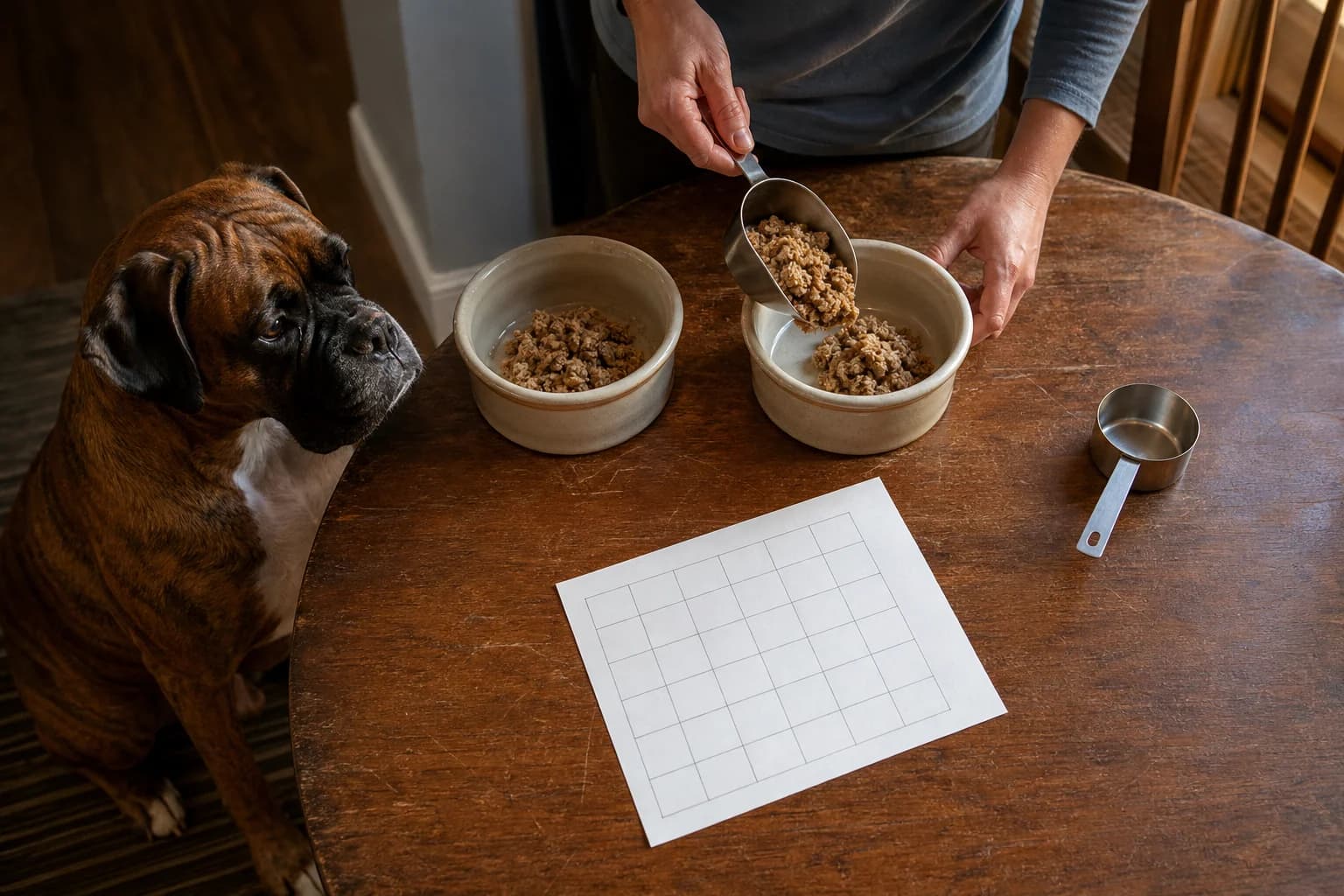
A structured diet trial is not simply feeding a food described as gentle. The veterinarian selects the diet strategy for the suspected problem and explains which foods, treats, chews, supplements, and flavored medications are compatible with it. The owner then keeps exposure consistent enough for the response to mean something.
Before the trial begins, record the dog's usual stool consistency and frequency, vomiting, appetite, weight, skin or ear signs, and comfort. Choose the observations that will define improvement. During the trial, note any unplanned food exposure rather than assuming a small extra cannot matter. Also record medication changes and illnesses that could affect the result.
Interpretation depends on the whole pattern:
- Clear improvement with consistent feeding supports a conversation about whether diet is contributing and how the veterinarian wants to confirm or maintain the response.
- Partial improvement may mean diet is one factor, the trial needs review, or another condition remains active.
- No improvement does not automatically prove that food is irrelevant. The veterinarian may need to check adherence, reconsider the chosen diet strategy, revisit the diagnosis, or recommend further testing.
- Worsening signs or weight loss calls for veterinary reassessment rather than waiting indefinitely for the diet to work.
Do not deliberately reintroduce a suspected food to provoke symptoms unless the veterinarian has explained why and how to do so. The goal is a safe, interpretable result, not a dramatic reaction. When a diet trial is paired with a clear baseline and review point, it produces useful evidence even if the eventual answer is that another diagnostic path is needed.
Petful may earn a commission when you click through to Animal Biome, at no extra cost to you.
A practical microbiome support plan
How to heal leaky gut in dogs is better reframed as how to support the diagnosed condition and restore a stable intestinal environment.
Treat the cause
Parasites require the appropriate antiparasitic. Pancreatic disease, infection, food-responsive disease, and chronic enteropathy have different treatment plans. A supplement cannot substitute for that distinction.
Keep the diet consistent
Feed the diet chosen with the veterinarian for the full trial period. Account for treats, flavored medications, chews, and food used to hide pills. Small extras can undermine a strict elimination trial.
Protect hydration and nutrition
Diarrhea and vomiting increase fluid loss. The veterinarian may recommend a digestible diet, fluid support, cobalamin assessment, or other nutritional measures. Avoid prolonged home fasting, especially in puppies, small dogs, or dogs with medical conditions, unless the veterinarian directs it.
Add targeted dog microbiome support
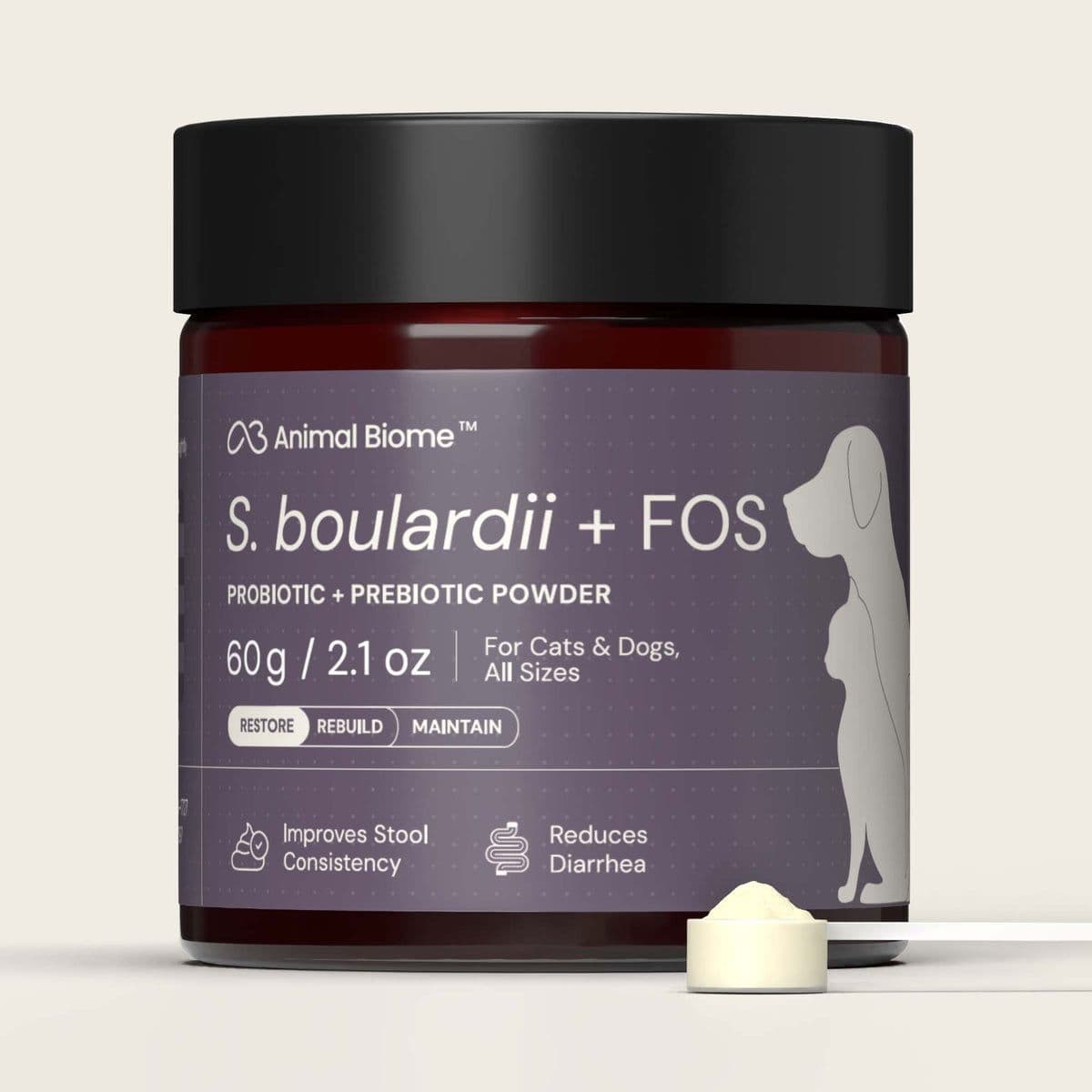
Probiotics, prebiotics, yeast products, or broader microbial communities may fit certain plans. Evidence is product- and condition-specific. Choose one intervention, define the expected result, and record it. If the dog worsens or does not improve, reassess instead of automatically adding a second and third supplement.
Reduce avoidable disruption
Use antibiotics when the veterinarian determines they are needed. Avoid repeated, uncoordinated diet switches. Maintain exercise, sleep, and a predictable routine appropriate for the dog's condition.
Build a measurable recovery plan
Choose a small set of observations and record them the same way each day. Stool consistency, bowel movement frequency, appetite, vomiting, weight, and comfort are more useful than a general impression that the dog seems better. Note the diet, medication, and support products in use so a change has context.
| Stage | Main goal | Evidence of progress |
|---|---|---|
| Stabilize | Address urgent signs and protect hydration and nutrition | The dog can eat and drink as directed and urgent signs are controlled |
| Treat | Follow the plan for the diagnosed or suspected cause | Stool, vomiting, appetite, pain, or weight moves in the expected direction |
| Support | Add one appropriate microbiome or diet intervention | The selected outcome improves without a confusing stack of new variables |
| Reassess | Compare progress with the planned review point | Continue a useful plan or return to the veterinarian when progress stalls or reverses |
Use the same observation method throughout the trial. For example, record stool on the same consistency scale, weigh the dog on a schedule recommended by the veterinarian, and note appetite against the dog's usual meal. Consistency makes small improvements or setbacks easier to see. Recovery may not be perfectly linear, so focus on direction across several observations rather than one good or bad day. If stool improves while appetite, weight, or energy declines, contact the veterinarian because the whole dog is not moving in the expected direction.
Know when the recovery plan has stalled
A plateau is useful information. If the same symptom persists without the expected improvement, confirm what was actually given, eaten, and observed before adding another intervention. Review missed medication, treats, chews, scavenging, stress events, and any difference between weekdays and weekends. This can reveal an inconsistent exposure or show that the original plan was followed accurately and still did not produce the intended result.
A reversal deserves attention as well. Stool that improves and then deteriorates, renewed vomiting, falling appetite, weight loss, or lower energy may justify a recheck. Bring the record rather than only the most recent day. The veterinarian can compare the timeline with earlier findings and decide whether to repeat a test, choose a different test, revise the diet, or reconsider the diagnosis. Monitoring is most valuable when it leads to a decision, not when it continues without a review point.
Recovery milestones that matter beyond stool
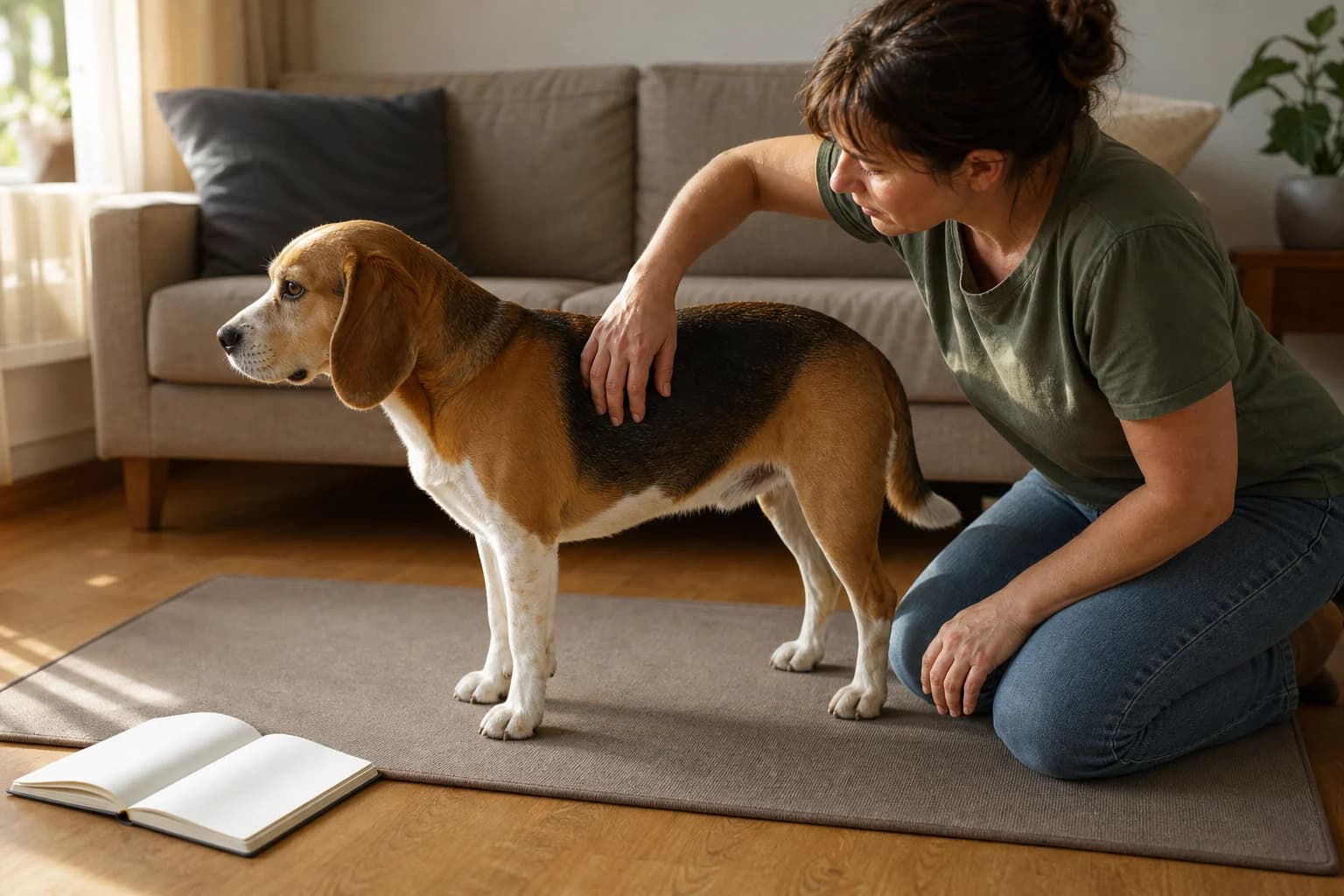
Formed stool is encouraging, but it is only one milestone. Early recovery should also include the ability to maintain hydration and follow the prescribed food and medication plan. Appetite should move toward the dog's normal pattern, vomiting should not be emerging or increasing, and comfort should improve rather than being assumed from stool alone.
As recovery continues, look for stability across several days. Bowel movement frequency should become more predictable, urgency should decrease, and the dog should be willing to rest, walk, and interact in the usual way for the individual. When a problem has lasted longer, stable weight and muscle condition become important evidence that digestion and nutrition are moving in the right direction.
- Formed stool is encouraging, but stable appetite, hydration, weight, comfort, and energy make improvement more convincing.
Later milestones concern resilience. The dog should remain stable as the veterinarian directs changes to the temporary recovery plan. Repeated cycles of improvement and relapse are not a successful endpoint, even if each individual episode seems mild. They suggest that the diagnosis, diet, exposure history, or support plan deserves another look.
Use a simple milestone record:
- Immediate safety: water and prescribed care can be maintained, with no urgent red flags.
- Early direction: stool, vomiting, appetite, pain, and energy are moving together toward the dog's baseline.
- Nutritional stability: weight and muscle are stable, and the selected diet can be fed consistently.
- Durable response: improvement continues through the planned review period without repeated setbacks.
- Plan clarity: the owner knows what continues, what stops, what is measured, and when the veterinarian should be contacted again.
If one milestone improves while another deteriorates, record both. That mixed response can be more informative than labeling the entire plan a success or failure.
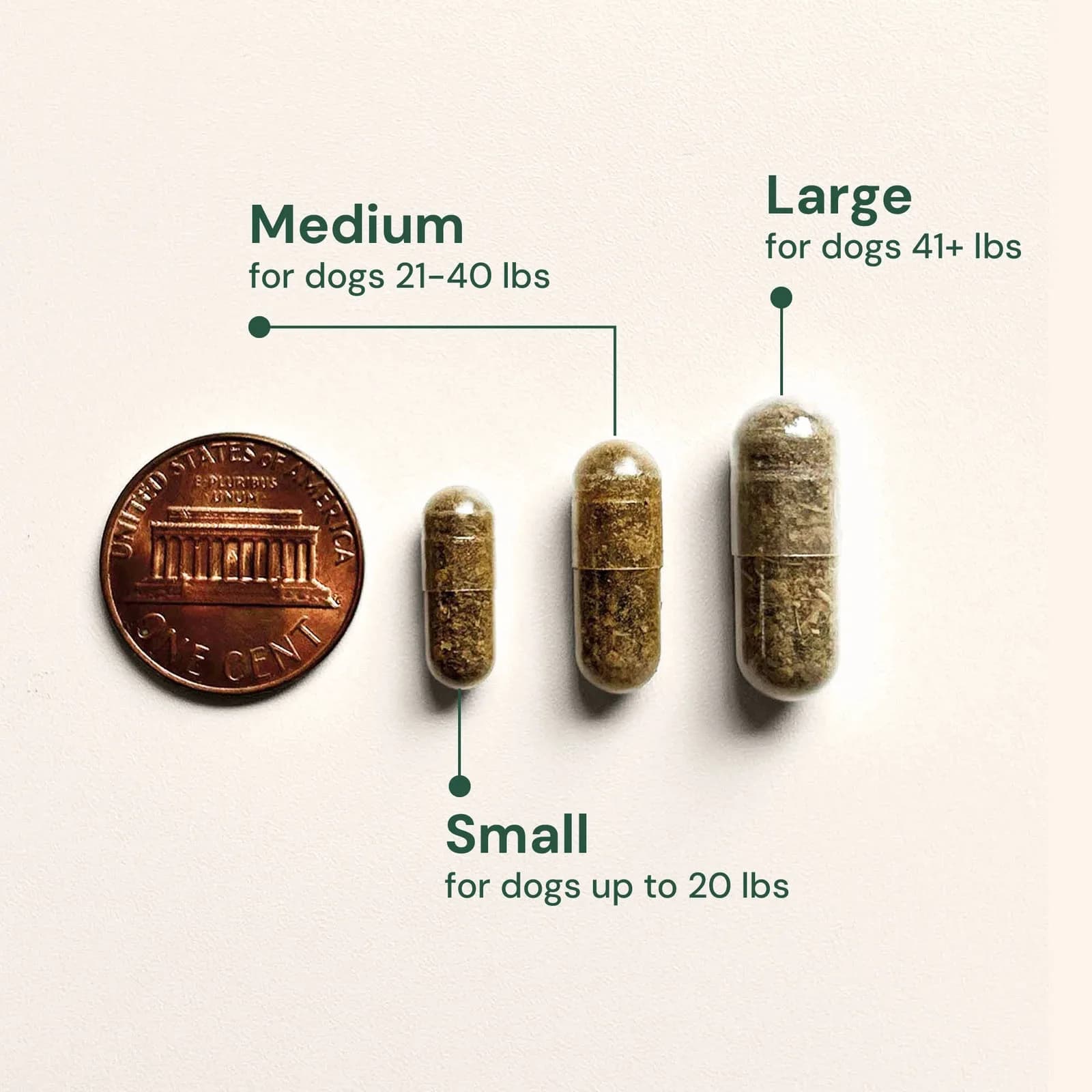
How Animal Biome's Gut Restore and testing may fit
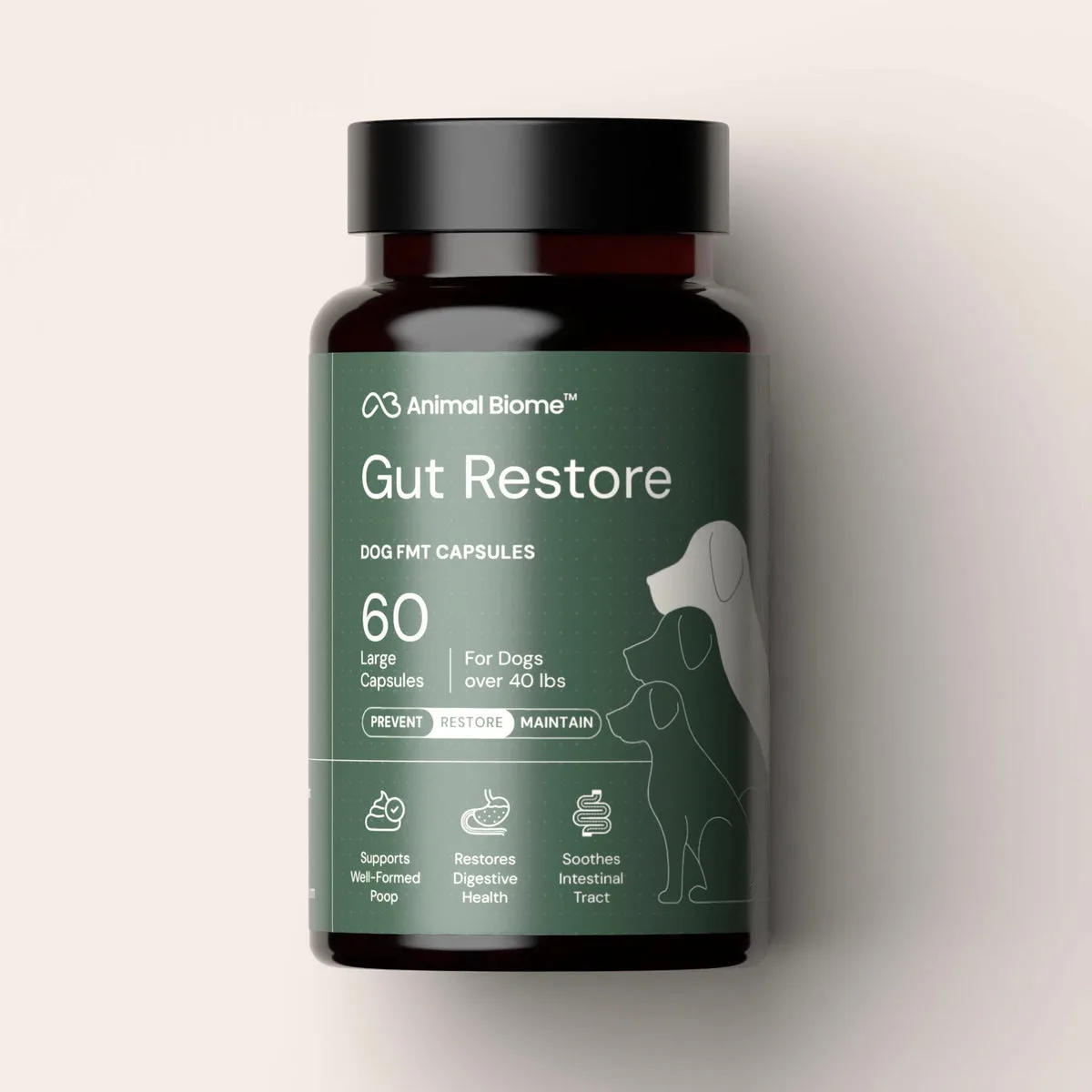
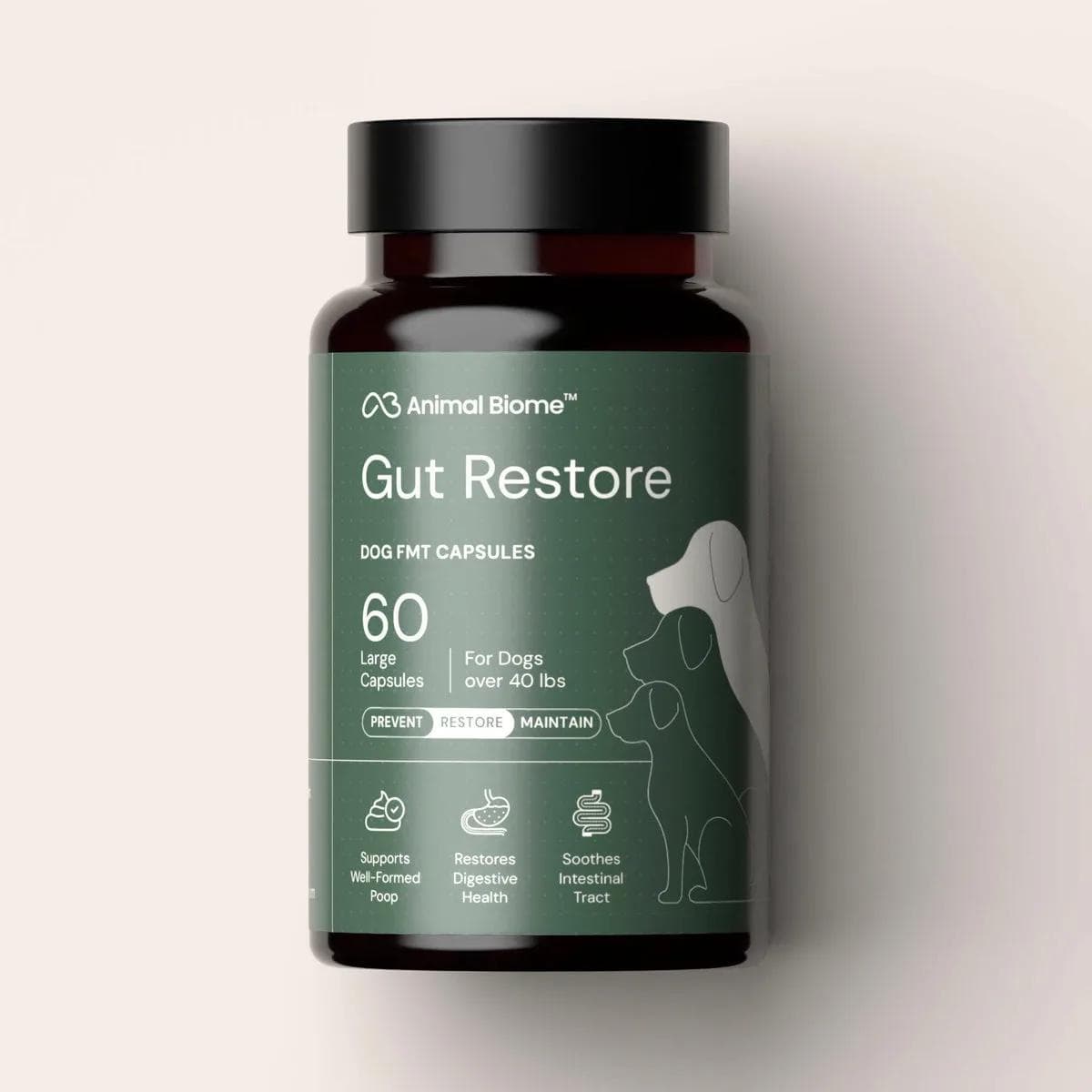
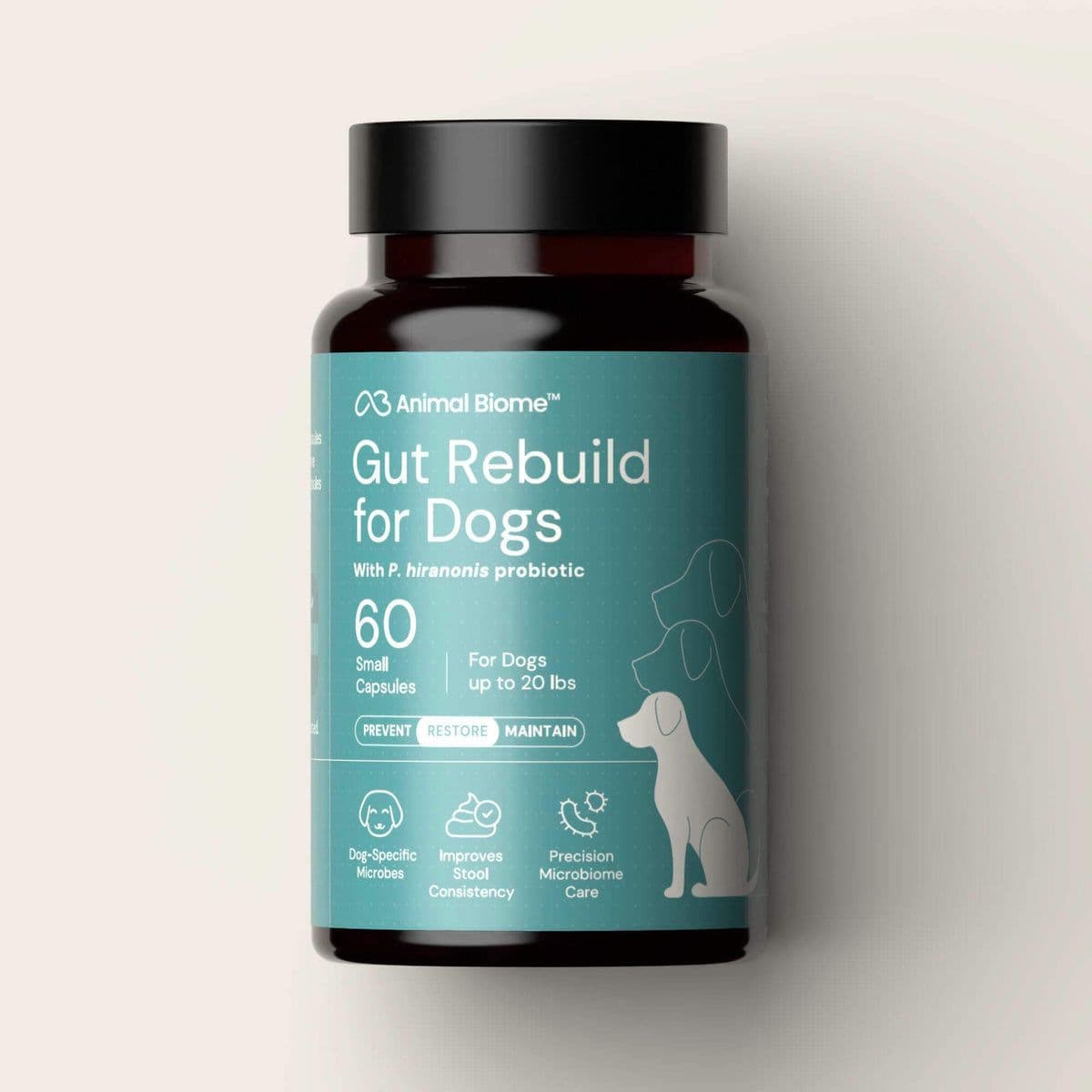
Animal Biome's Gut Restore for Dogs contains screened canine donor material in delayed-release capsules. It is positioned for broader microbiome restoration in dogs with recurring or more significant digestive problems. It is not a treatment for every cause of intestinal permeability, and it should not replace prescribed care.
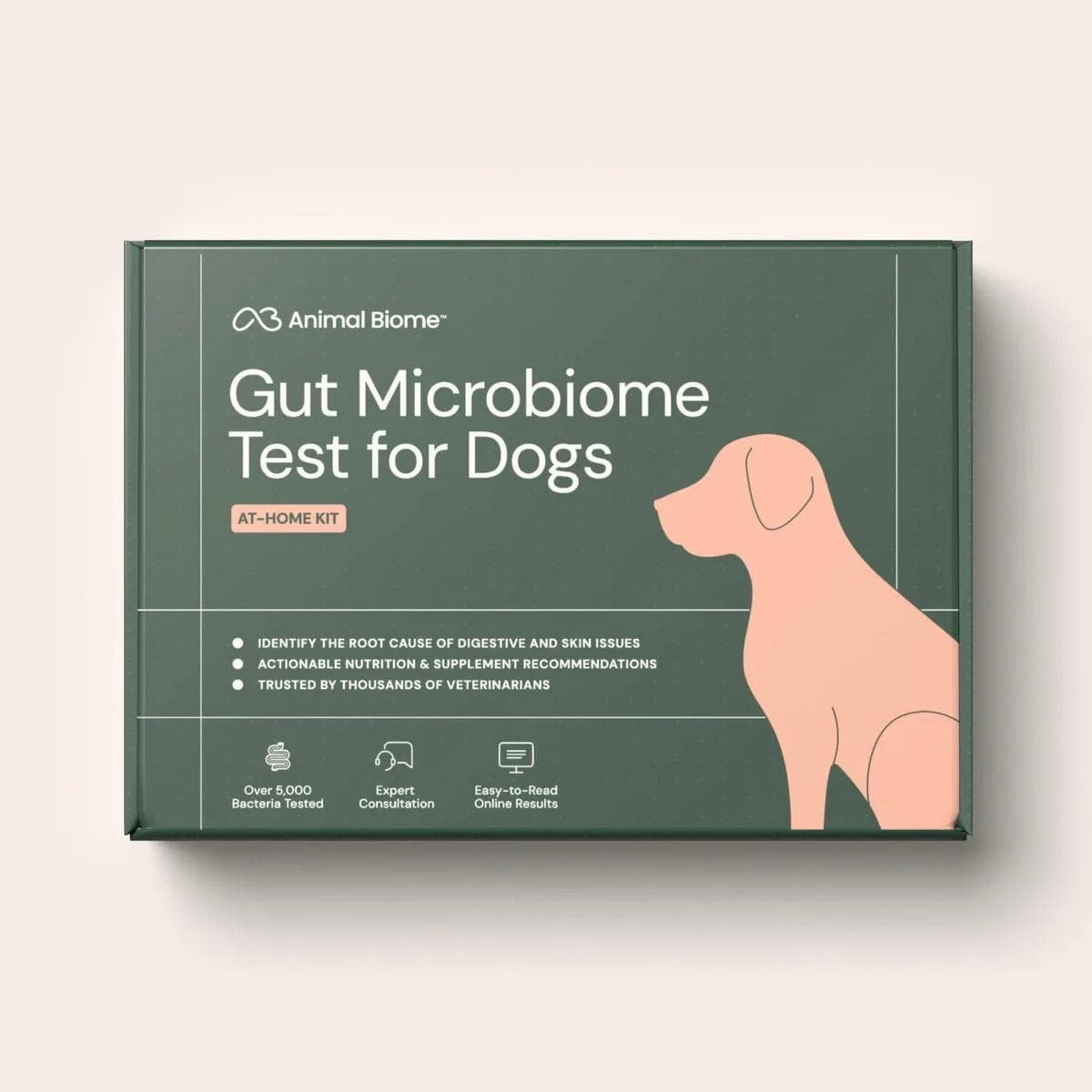
Animal Biome's Gut Microbiome Test for Dogs analyzes bacterial DNA in a stool sample and produces an online report. It can establish a baseline, identify bacterial patterns reported by the laboratory, and help track change. The current product information states that it does not test for parasites or food allergies, so those questions still require appropriate veterinary testing.
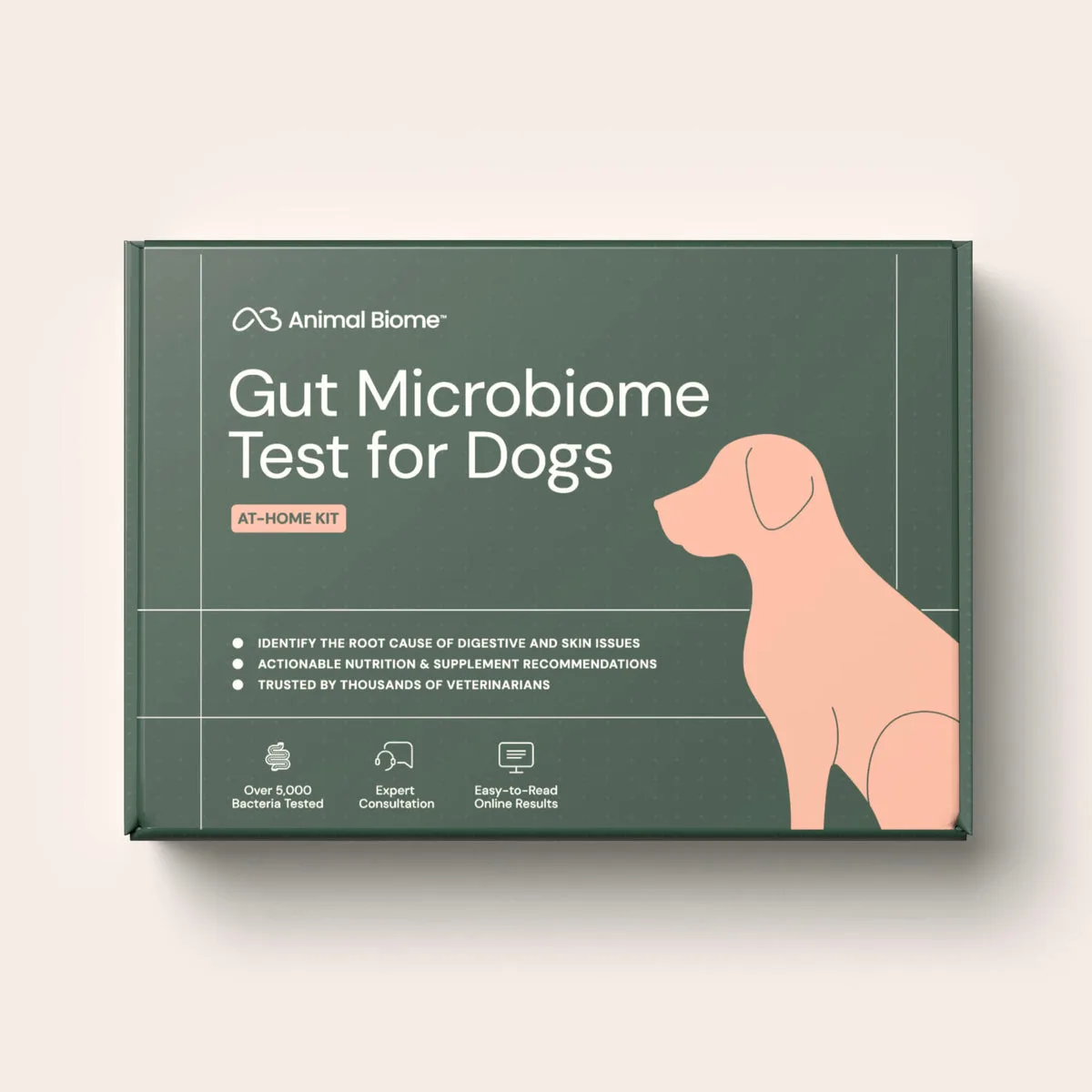
Testing is most useful when you can state the question in advance. Are you establishing a baseline? Looking at a pattern after antibiotics? Monitoring a microbiome intervention? If the dog is acutely ill, immediate clinical tests and treatment come first.
A practical Animal Biome test-and-restore workflow
Animal Biome's tools work best when testing and support are separate decisions. The test contributes bacterial information, while Gut Restore contributes screened dog-specific donor material. The workflow begins with the dog's condition and the veterinary question.
- Decide whether the dog is stable enough for a microbiome question. Repeated vomiting, substantial blood, black stool, weakness, marked pain, abdominal swelling, or inability to keep water down calls for veterinary care first. For a stable dog with recurrent signs, a recent disruption, or a need to monitor change, microbiome information may be a useful additional layer.
- Define the question before choosing the tool. A Gut Microbiome Test may fit when the goal is a bacterial baseline or a comparison during a veterinarian-guided plan. Gut Restore may fit when broader restoration is being considered for recurring or more significant digestive problems. The products answer different needs.
- Keep diagnostic testing in place. Animal Biome's current product information states that its bacterial test does not test for parasites or food allergies. Fecal testing, blood work, imaging, diet trials, endoscopy, or biopsy may be more important depending on the dog's signs. A microbiome result does not confirm intestinal permeability or chronic enteropathy.
- Record the context around a sample. Follow the current kit instructions and note the collection date, stool pattern, diet, medication, supplements, antibiotic history, and recent health events. Those details make an online report more useful than a result considered in isolation.
- Review the report with the original question. Animal Biome’s test analyzes bacterial DNA and provides an online report. Consider the reported patterns beside veterinary findings and the dog's timeline. A difference from a reference group does not prove a cause or diagnosis.
- Choose one support action and define success. If the veterinarian agrees that Gut Restore or another targeted intervention fits, avoid simultaneously changing food, fiber, probiotics, treats, and routine. Select the outcome to monitor and a review point. Product use should sit beside treatment for the identified cause, not compete with it.
- Compare change only when it will guide a decision. A later microbiome test can be considered when a true baseline exists and the comparison will help evaluate a defined plan. Clinical improvement, stable weight, appetite, comfort, and veterinary findings remain essential measures even when bacterial patterns are being followed.
This sequence gives Animal Biome a clear role without asking its products to diagnose disease. The test makes bacterial patterns visible, and Gut Restore offers a distinct restoration option. Their value comes from matching the tool to the question and measuring the result within a veterinarian-led plan.
Questions that make Animal Biome results more actionable
The test report becomes more useful when the owner and veterinarian can connect it to a well-documented clinical timeline. Before sampling, decide which decision the result may inform and what other evidence will remain necessary.
| Decision point | Useful question | How it keeps the plan focused |
|---|---|---|
| Sample timing | Is this intended as a baseline, a post-disruption profile, or a follow-up comparison? | The timing gives the bacterial profile a defined context |
| Current health | Is the dog stable, and have urgent or persistent clinical signs been evaluated? | The test does not delay care or substitute for examination |
| Other testing | Are parasites, food reactions, pancreatic disease, or other causes still being investigated? | The microbiome report stays beside, rather than replaces, diagnostic testing |
| Product fit | Is the current question about bacterial information, broader restoration, or both at different stages? | The Gut Microbiome Test and Gut Restore retain distinct roles |
| Outcome | Which clinical observations will show whether the overall plan is helping? | Stool, appetite, weight, vomiting, and comfort remain visible alongside the report |
| Follow-up | Would another sample change a decision, or would clinical reassessment be more useful? | Retesting has a purpose instead of becoming an automatic next purchase |
Owners should also keep the original report and the context recorded at collection. If a later sample is submitted, compare more than the bacterial findings. Note whether diet, medication, supplements, symptoms, and health status were similar or different. A change between reports can prompt a more specific discussion, but it should be interpreted with those real-world differences in view.
This is where Animal Biome can add practical information gain to a veterinarian-led plan. The company provides a species-specific bacterial profile and a separate broader restoration option. The owner contributes an accurate timeline, and the veterinarian keeps diagnosis, safety, and treatment priorities in place. Together, those pieces support a more informed decision than either symptoms or a microbiome result considered alone.
How to compare Animal Biome reports responsibly
A useful comparison begins with context. For each sample, record the collection date, stool pattern, diet, medication, supplements, recent antibiotics, current symptoms, and where the dog was in the veterinary plan. If those factors differ between samples, note the difference rather than treating the reports as if only one intervention changed.
Review the bacterial findings alongside clinical milestones. A report may show a changed bacterial pattern while appetite, weight, or stool remains unchanged. The opposite can also occur: the dog may feel better even though the report does not create a simple before-and-after story. Neither situation should be forced into a cure or failure claim.
Ask three questions when comparing reports:
- Did the comparison answer the question defined before testing?
- Did the dog's clinical signs and veterinary findings move in the same direction, a different direction, or not at all?
- Will the result change the next action, or is examination or another diagnostic test now more important?
This method keeps the Animal Biome profile clinically grounded. It allows bacterial information to sharpen the conversation while preserving the veterinarian's role in diagnosis and the owner's role in accurate observation.
Frequently asked questions
Treatment depends on the actual diagnosis. It may include parasite control, a structured diet trial, medication for inflammation or another disease, nutrition support, and targeted microbiome care. A veterinarian should guide the plan.
You cannot confirm increased intestinal permeability from symptoms at home. Recurrent diarrhea, vomiting, gas, appetite change, pain, or weight loss justify a veterinary workup for specific causes.
There is no universal best food. The veterinarian may choose a highly digestible, hydrolyzed, novel-protein, adjusted-fat, or fiber-modified diet based on the suspected condition. Follow one structured trial instead of switching repeatedly.
The bottom line
The phrase leaky gut can open a useful conversation, but the best results come from precision. Document the pattern, identify the cause, protect diet and hydration, and add microbiome support for a defined reason. Animal Biome's Gut Microbiome Test for Dogs and Gut Restore for Dogs give owners concrete tools to discuss when bacterial profiling or broader restoration belongs in that veterinarian-led plan.
BVMS, MRCVS
Dr. Pippa Elliott, BVMS, MRCVS, is a veterinarian with nearly 30 years of experience in companion animal practice. Dr. Elliott earned her Bachelor of Veterinary Medicine and Surgery from the University of Glasgow. She was also designated a Member of the Royal College of Veterinary Surgeons. Married with 2 grown-up kids, Dr. Elliott has a naughty Puggle named Poggle, 3 cats and a bearded dragon.
Sign up for expert-backed reviews and safety alerts all in one place.

A Final Word (Disclaimer)
At Petful, our review integrity is paramount; we never exchange special treatment in our reviews for monetary or material rewards.
Nonetheless, when our readers click through to online merchants (including Chewy or Amazon), we receive a referral commission. This supports the running of our free blog, and we appreciate your backing.