The Rise of Fresh Dog Food: Is Fresh Dog Food Better Than Kibble?
Fresh dog food is reshaping the pet aisle. Compare it with kibble on moisture, processing, ingredients, digestibility, and everyday feeding choices.

DVM, DACVIM (Nutrition)

Petful is reader supported. As an affiliate of platforms like Amazon and Chewy, we may earn a commission when you buy through links on this page. There is no extra cost to you.
Fresh formulations are reshaping the dog food aisle, and one question sits at the center of that shift: Is fresh dog food actually better than kibble?
For many dogs, yes. A complete and balanced fresh diet — like the recipes Freshpet has spent nearly two decades refining — can offer advantages such as higher moisture, strong palatability, and recognizable whole ingredients you could name on sight. Some studies also suggest digestibility benefits for specific fresh diets. No one food is right for every dog, but the direction of the evidence is encouraging for well-formulated fresh foods.
That answer is part of a much bigger story unfolding in grocery stores and pet shops across the country. Fresh dog food is continuing to grow in pet food sections as fridges and freezers replace shelf space, and companies known for traditional dry and wet diets are entering the fresh market.

Sign up for expert-backed reviews and safety alerts all in one place.
What 'Fresh' Actually Means
"Fresh" gets used loosely on packaging, so it helps to define it before comparing formats. Fresh-cooked dog food is steam-cooked at lower temperatures than traditional dry kibble and canned pet food to ensure optimal digestibility and food safety. Freshpet's whole-food diets are then refrigerated and kept cold the same way food in your own refrigerator is kept cold — distinct from raw, frozen, dehydrated, and freeze-dried formats.
- Fresh (refrigerated). Made from whole ingredients, steam-cooked at low heat, then refrigerated. High in natural moisture, minimally processed, and typically formulated to be complete and balanced.
- Raw. Uncooked meat-based diets, typically frozen or freeze-dried. These skip a cooking step entirely, which means they lack the microbial kill step that gentle cooking provides.
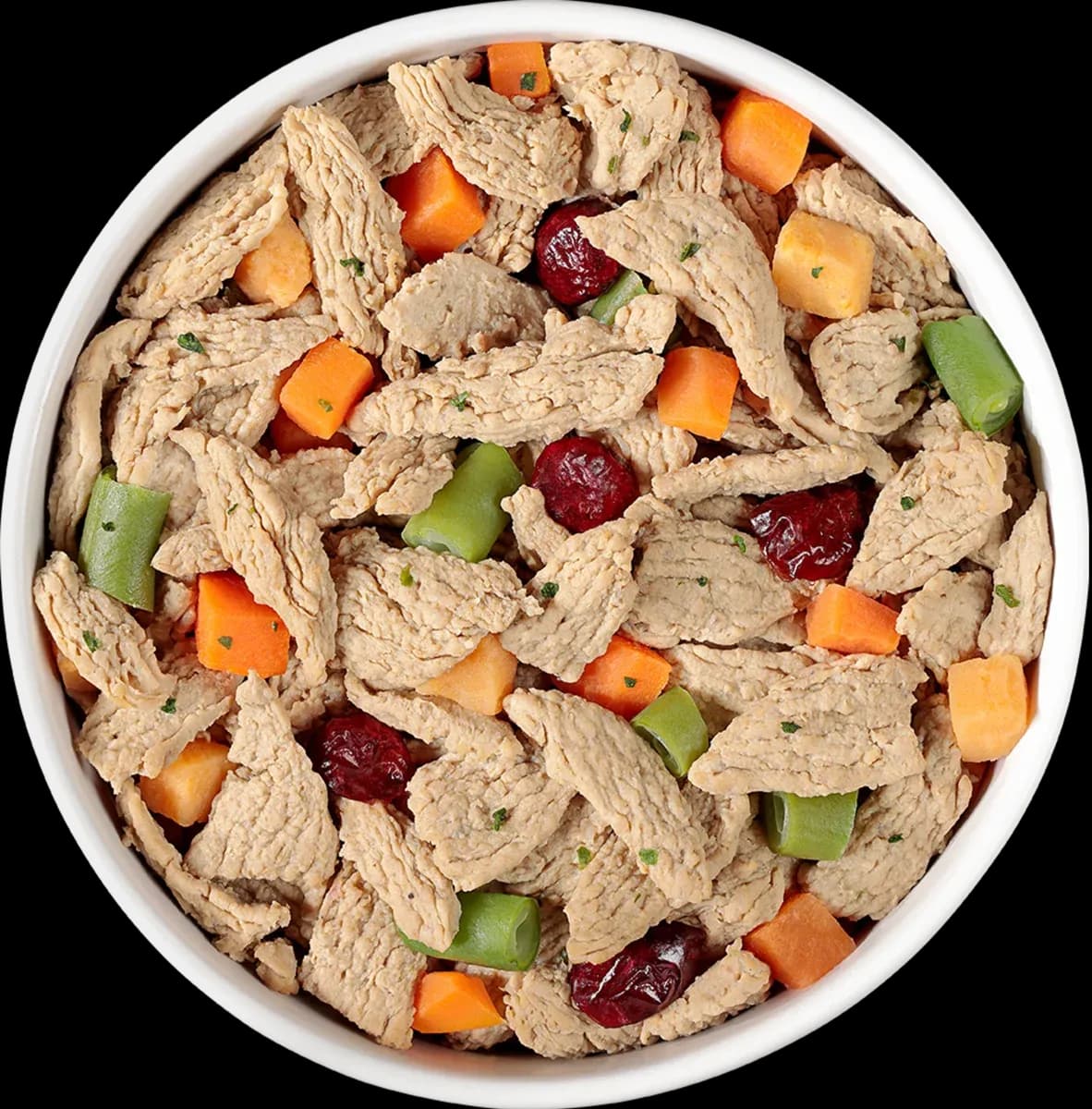
Build a personalized Freshpet meal plan and have fresh food delivered on a recurring schedule.
- Personalized meal plans for your dog
- Fresh meals delivered to your door
- Recipes designed by veterinary nutrition experts
Freshpet affiliate link
Petful may earn a commission when you click through to Freshpet, at no extra cost to you.
- Frozen. Often fresh or raw recipes preserved by freezing rather than refrigeration, requiring the food to be thawed before serving.
- Dehydrated. Moisture removed with low, slow heat into a lightweight form that must be rehydrated with water before serving.
- Freeze-dried. Moisture removed by freezing and vacuum-sealing into a form that must also be rehydrated before serving.
- Canned (wet). Cooked at high heat and sealed in cans for shelf stability, using a different process than the low-temperature cooking used for fresh, refrigerated food.
- Baked. Dough-based ingredients baked at high heat into a dense, shelf-stable biscuit-like form, similar in moisture content to kibble.
- Kibble (dry). Made by extrusion, a high-heat, high-pressure process that produces a shelf-stable, low-moisture pellet.
Fresh food is defined by steam-cooking and high natural moisture, and it’s made with whole, real ingredients you can recognize. These are exactly the qualities emerging science keeps circling back to.
For a deeper walkthrough of the categories, Petful’s fresh dog food guide breaks each one down in plain language.
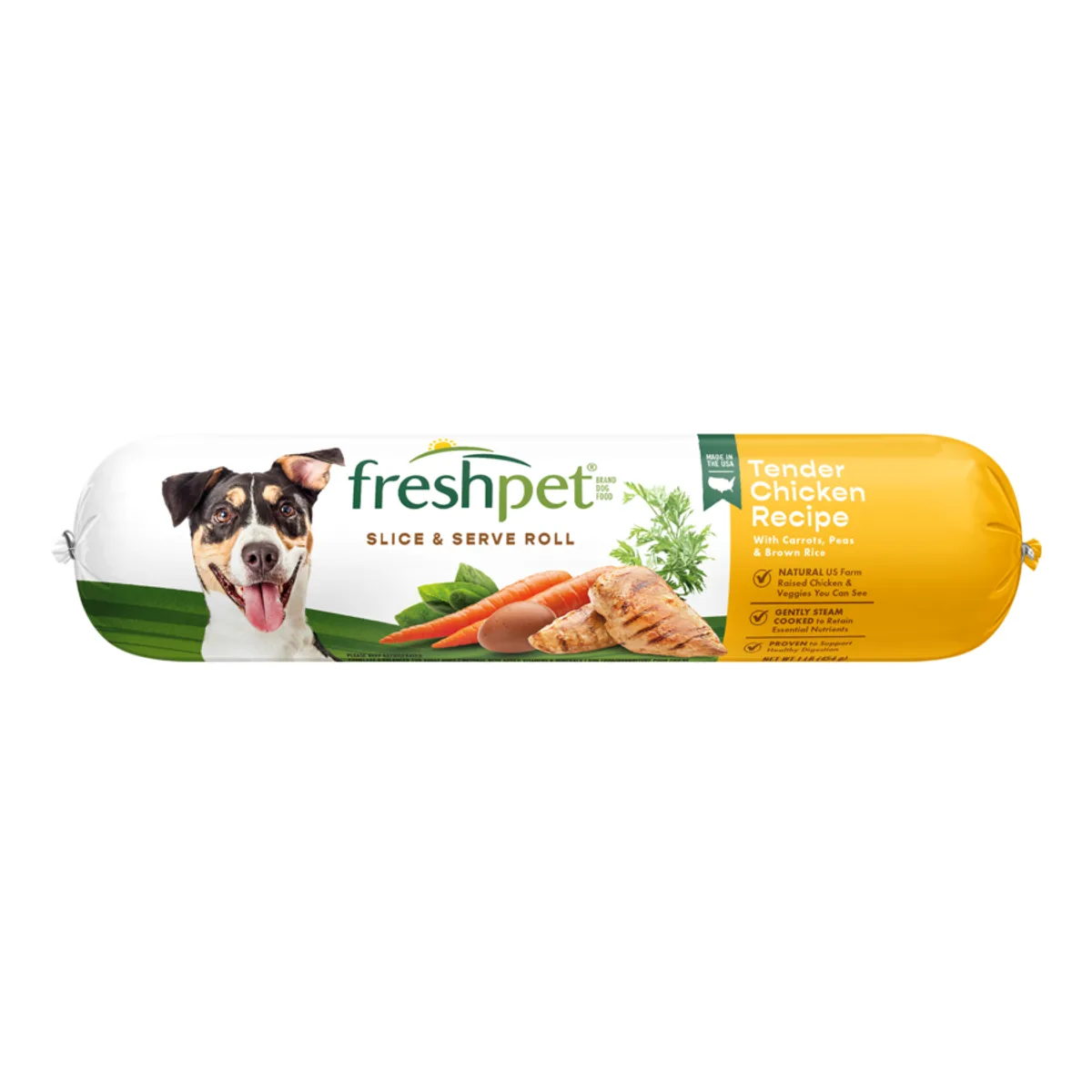
Fresh Dog Food vs. Kibble: A Side-by-Side Look
Fresh dog food and kibble differ most in processing, moisture, and ingredient form.
| Quality | Fresh Dog Food | Kibble |
|---|---|---|
| Processing | Steam-cooked at low heat (74°C–80°C) | Extruded at high heat (roughly 120°C–200°C) and high pressure |
| Moisture content | Roughly 65%–75% | Typically about 8%–12% |
| Ingredient form | Real, recognizable ingredients | Includes meals, by-products, and grains/starches |
| Preservation | Refrigeration | Shelf-stable, with added preservatives |
| Palatability | Very high | Variable |
Why Processing Matters
The single biggest difference between fresh food and kibble is heat. Extrusion pushes ingredients through high heat and pressure to form a dry, shelf-stable pellet — good for shelf life, but it changes the food chemically along the way.
High heat can drive Maillard reactions, the same browning reaction that gives toast its color, which can reduce overall digestibility of the food and reduce the bioavailability of certain essential amino acids like lysine.
Fresh food takes a gentler path. Lower cooking temperatures make the food safe to eat while helping ingredients stay closer to their original form. Freshpet, for instance, steam-cooks its recipes at controlled temperatures, specifically to preserve nutrient bioavailability.
Digestibility and Nutrient Bioavailability
Fresh food's minimal processing typically makes nutrients more digestible. University of Illinois research found higher essential-amino-acid digestibility in less-processed chicken, such as steamed chicken, than in chicken meal and even more digestible than raw, uncooked chicken. Related feeding research found lower stool output on certain fresh diets than on extruded kibble, suggesting more of the food was being used by the body rather than passing through.
Build a personalized Freshpet meal plan and have fresh food delivered on a recurring schedule.
- Personalized meal plans for your dog
- Fresh meals delivered to your door
- Recipes designed by veterinary nutrition experts
Freshpet affiliate link
Petful may earn a commission when you click through to Freshpet, at no extra cost to you.
For the pet parent, that difference is easy to notice day to day: less cleanup in the yard, and a dog getting more nutrition out of each appropriately portioned meal rather than needing to eat more to meet the same needs.
Moisture and Hydration
Moisture is one of the most overlooked differences between fresh food and kibble. Many fresh dog foods run roughly 65%–75% moisture, compared to kibble's typical 8%–12%. That gap matters to help maintain hydration at every single meal, without the dog or owner having to think about it.
A food that carries its own moisture can help add water to a dog's daily intake, which may be useful for dogs whose veterinarians want them taking in more fluid. That same moisture difference is part of why energy density varies so much between formats: Freshpet reports as-fed energy density comparable to canned food and considerably lower than dry kibble, with roughly half the carbohydrate content of a typical dry diet.
Skin, Coat, and Inflammation
A pilot study found that dogs fed fresh food had greater skin bacterial diversity than dogs fed dry food, a marker generally associated with skin health and a possible contributor to fewer skin sensitivities.
This is early, emerging evidence from a single pilot study, not a settled conclusion, and skin health depends on many factors beyond diet. Still, it lines up with what Freshpet has found in its own customer base — 91% of pet parents report shinier skin and coat after switching — and it points to where the most interesting open questions in this research currently sit.
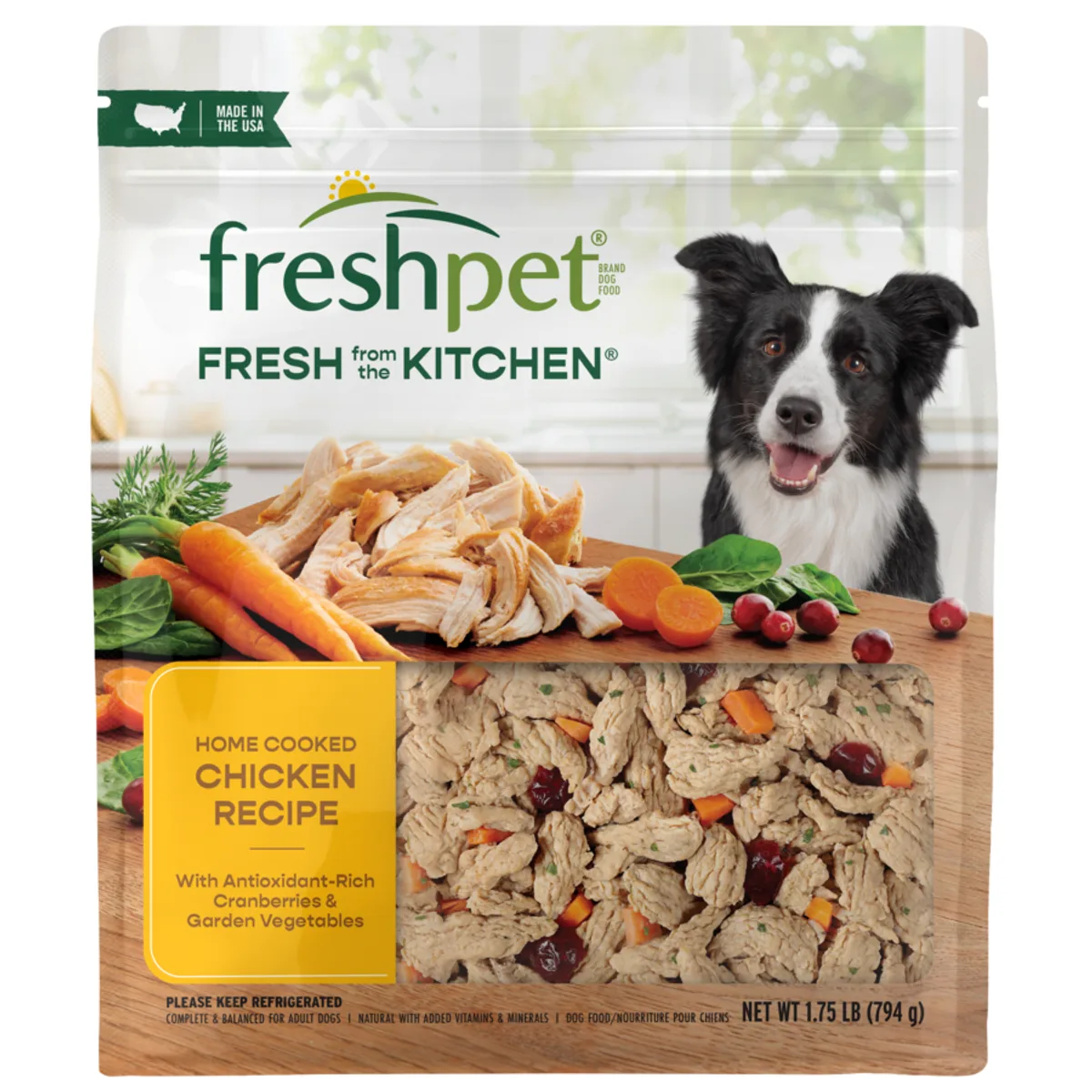
Ingredient Lists That Are Familiar
Fresh dog foods have earned pet parents' trust largely through ingredient clarity. Dry dog foods might list fractions of ingredients, like chicken by-product meal, meat and bone meal, and corn gluten meal, and will require preservatives like BHA and BHT. While there’s nothing inherently wrong with these, the lack of transparency of ingredient definitions and absence of recognizable ingredients read as lower quality to many owners as dogs are treated more like family.
Fresh formulations emphasize clarity instead. Chicken instead of chicken by-product meal, beef instead of meat and bone meal, refrigeration instead of synthetic preservatives. Freshpet recipes lead with a named whole protein and skip meat meals, by-products, and preservatives entirely, which makes this distinction easy to spot on the shelf.
Build a personalized Freshpet meal plan and have fresh food delivered on a recurring schedule.
- Personalized meal plans for your dog
- Fresh meals delivered to your door
- Recipes designed by veterinary nutrition experts
Freshpet affiliate link
Petful may earn a commission when you click through to Freshpet, at no extra cost to you.
What Drives Consumer Loyalty
Fresh pet food is made with real, whole foods most pet parents already recognize from their own kitchens, packaged so it's easy to match what's on the label to what's in the bowl. That transparency is a major driver of trust. In fact, NielsenIQ research shows more than three-quarters of U.S. shoppers consider product transparency important when making purchasing decisions.
As that expectation spills into the pet aisle, familiar ingredients are becoming a key factor not just in first-time purchases, but in brand loyalty and repeat buying. A dog that dives into mealtime with real enthusiasm tends to confirm the choice for pet parents already leaning that way.
How Pet Parents Are Using Fresh-Cooked Dog Foods
Pet parents use fresh-cooked dog food in several ways: as a dog's sole diet, as a topper over kibble, as a treat alternative, or even in lick mats and puzzle feeders. That flexibility works because many commercial fresh-cooked dog foods are formulated to be complete and balanced, supplying all essential nutrients in the right proportions whether fed alone or alongside another diet.
Because fresh-cooked foods are highly palatable, they're also a common fix for picky eaters or dogs refusing to eat anything else — a common reason pet parents make the switch in the first place. The topper approach mentioned above is a compromise many veterinarians are comfortable with, since even a spoonful lets a dog enjoy the moisture, aroma, and palatability of fresh food at every meal, often enough to turn a so-so bowl into one a picky dog rushes to finish.
Fresh food's palatability and texture also makes it valuable for use in older dogs that may have difficulty smelling or eating their food, though vet consultation is key before mixing formats. As with any diet change, transitioning gradually over 7–10 days, rather than switching all at once, helps a dog's digestive system adjust and reduces the risk of stomach upset.
What Does It Take to Get Fresh Pet Food to Pet Parents?
Getting fresh food safely from kitchen to bowl takes constant refrigeration, fast turnaround, and built-in safety testing at every step. Here's what that process actually involves:
Build a personalized Freshpet meal plan and have fresh food delivered on a recurring schedule.
- Personalized meal plans for your dog
- Fresh meals delivered to your door
- Recipes designed by veterinary nutrition experts
Freshpet affiliate link
Petful may earn a commission when you click through to Freshpet, at no extra cost to you.
- Consistent refrigeration. Fresh pet foods are meat-based, so the ingredients stay cold from the moment they're made through to delivery and inside a store’s fridge. Treat these diets like the perishable groceries they are, not like shelf-stable kibble or can.
- Rapid use. Fresh meats carry a shorter shelf life than dry meals, so they're processed and used quickly to protect nutritional quality and prevent microbial growth.
- Inclusion of essential nutrients. Vitamins and minerals are added where needed so each recipe meets the Association of American Feed Control Officials’ (AAFCO) guidelines.
- Precise cooking conditions. Cooking hits the targeted temperature and duration to preserve nutrients while eliminating harmful microorganisms. This is the key food-safety step raw diets skip, which is part of why raw diets carry higher contamination risk, as shown in FDA food-safety testing and recall data.
- Regular safety checks. Manufacturing includes multiple checks confirming the food is both complete and balanced and safe to feed before ever leaving the kitchens.
Freshpet runs more than 20 quality and safety tests on every batch inside its own labs, with kitchens registered with both APHIS and the FDA. Freshpet also goes beyond AAFCO's minimum lab-analysis requirement, running additional third-party feeding trials separate from AAFCO's feeding-trial protocol to confirm real-world digestibility and palatability.
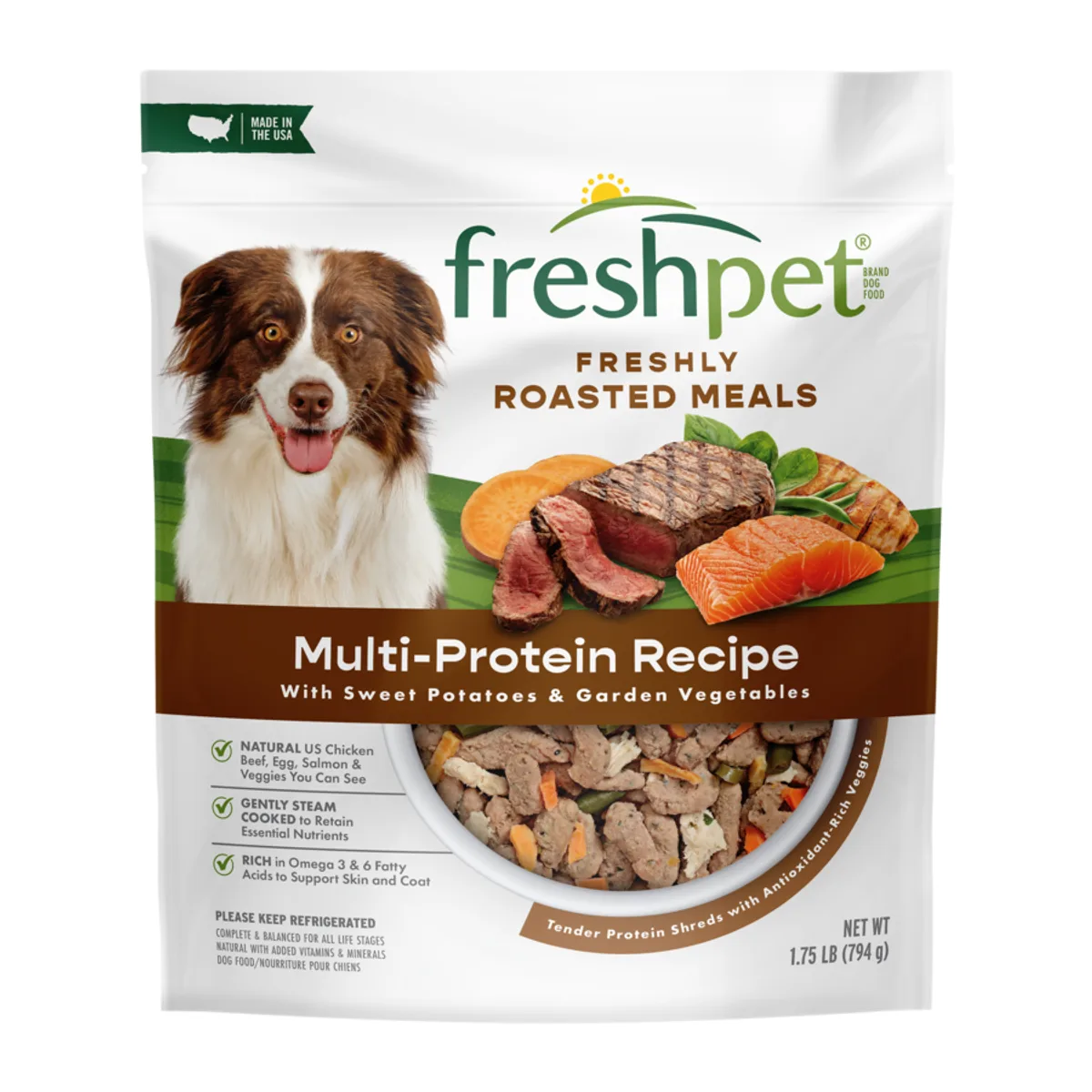
What Makes a Great Fresh-Cooked Dog Food
Choosing a high-quality fresh diet comes down to a short checklist you can run through at the shelf or online:
- An AAFCO complete and balanced nutritional adequacy statement. This confirms the recipe supplies all essential nutrients in the right proportions for your dog's life stage.
- Formulation by nutrition experts. A recipe developed and reviewed by trained and credentialed Animal Nutritionists signals real expertise behind the bowl.
- Alignment with World Small Animal Veterinary Association guidance. Brands that follow WSAVA-style recommendations tend to be transparent about who formulates their food, where it's made, and how it's tested.
- Clear, whole ingredients. A short, recognizable ingredient list is part of what makes fresh food appealing in the first place.
- Transparency and testing. Quality brands share their nutritional analysis, sourcing, and safety testing openly.
Who Should and Shouldn't Switch
Most healthy adult dogs can move to a quality fresh diet and thrive, though a few groups are worth a quick vet conversation first to confirm the fit:
- Puppies have precise growth requirements, so choose a fresh food labeled complete and balanced for growth or all life stages.
- Seniors often do well on fresh food's high moisture and palatability, especially with changing appetites or underlying dental disease, but a vet can confirm the right calorie and nutrient targets.
- Dogs with sensitive stomachs may benefit from a whole-food, more digestible diet paired with a more gradual transition over 14 days.
- Dogs on prescription or therapeutic diets should only change food with veterinary guidance, since diet is often part of the treatment plan.
The simple guardrail? Talk to your vet before any major diet change, which is the surest path to getting the full benefit of the switch. The safest way to transition to a new food is by doing it slowly, typically over 7–10 days.
Is Fresh Dog Food Here to Stay?
Fresh formulations are earning trust on ingredient lists and in dog bowls alike, reshaping more than store shelves. They're changing how pet parents think about feeding their dogs, with more recognizable ingredients, increased natural moisture, strong palatability, and growing scientific backing behind them.
Frequently Asked Questions
Many veterinarians are increasingly comfortable with fresh diets, provided they're complete and balanced to AAFCO standards and ideally formulated by Animal Nutrition experts. Vets often point to fresh food's high digestibility, natural moisture, and palatability as real advantages, and recommend choosing a quality, well-formulated product and checking in about your individual dog.
It depends on the dog. A complete and balanced fresh diet can offer meaningful advantages, including higher moisture content, recognizable whole ingredients, and high palatability. Some studies also suggest digestibility benefits for specific fresh diets. The best choice is one matched to your individual dog and made by a quality manufacturer.
Not always by default. Reputable fresh dog foods are formulated to be complete and balanced, supplying all essential nutrients in the correct proportions. Confirm this by checking for an AAFCO nutritional adequacy statement on the label for your dog's life stage. Quality brands often go further, with recipes developed by Animal Nutrition experts.
It can. Some well-studied fresh diets have shown high digestibility, meaning a dog absorbs more of the nutrients in each meal. University of Illinois research on chicken ingredients found higher amino-acid digestibility in less-processed forms than in chicken meal, and related feeding research found lower stool output with certain fresh diets than with extruded kibble.
Yes. High palatability is one of fresh food's standout qualities and one of the most common reasons pet parents make the switch. Even a fresh topper spooned over kibble is often enough to win over a reluctant eater while keeping a balanced base diet.
💡Key Takeaways
- 1Fresh pet food is a fast-growing format, gaining traction through recognizable ingredients and high dog satisfaction.
- 2Complete and balanced fresh food can offer real advantages for many dogs, including higher moisture, strong palatability, and recognizable whole ingredients.
- 3Digestibility research, including University of Illinois findings, shows real benefits for less-processed diets; skin-health research is more preliminary but shows a promising early signal.
- 4Choosing a quality fresh diet comes down to a short checklist: an AAFCO statement, veterinary-nutritionist formulation, WSAVA alignment, and transparency about sourcing and testing.
DVM, DACVIM (Nutrition)
Dr. Lisa Weeth earned her veterinary degree from the University of California, Davis, School of Veterinary Medicine in 2002, followed by a residency in clinical nutrition at the same institution. She has been a Board Certified Veterinary Nutritionist® since 2007, providing specialized nutrition consultations both in-person and via telemedicine to caregivers and veterinarians worldwide. In her role as Head of Veterinary Research and Communications at Freshpet, Dr. Weeth provides clinical nutrition leadership across Research & Development and New Product Development, and communicates findings from the company’s past, ongoing, and future research initiatives. She has authored numerous articles on pet health and nutrition, lectures regularly at veterinary conferences, and serves on the Executive Board for the American Association of Veterinary Nutrition (AAVN).
Sign up for expert-backed reviews and safety alerts all in one place.
A Final Word (Disclaimer)
At Petful, our review integrity is paramount; we never exchange special treatment in our reviews for monetary or material rewards.
Nonetheless, when our readers click through to online merchants (including Chewy or Amazon), we receive a referral commission. This supports the running of our free blog, and we appreciate your backing.