Dog Skin Allergies: How Tracking Itching Patterns Can Help Your Vet
Dog skin allergy care starts with a clear history. Learn which itching patterns to record, how home trends can support your veterinarian, and when your dog needs care.

BVMS, MRCVS
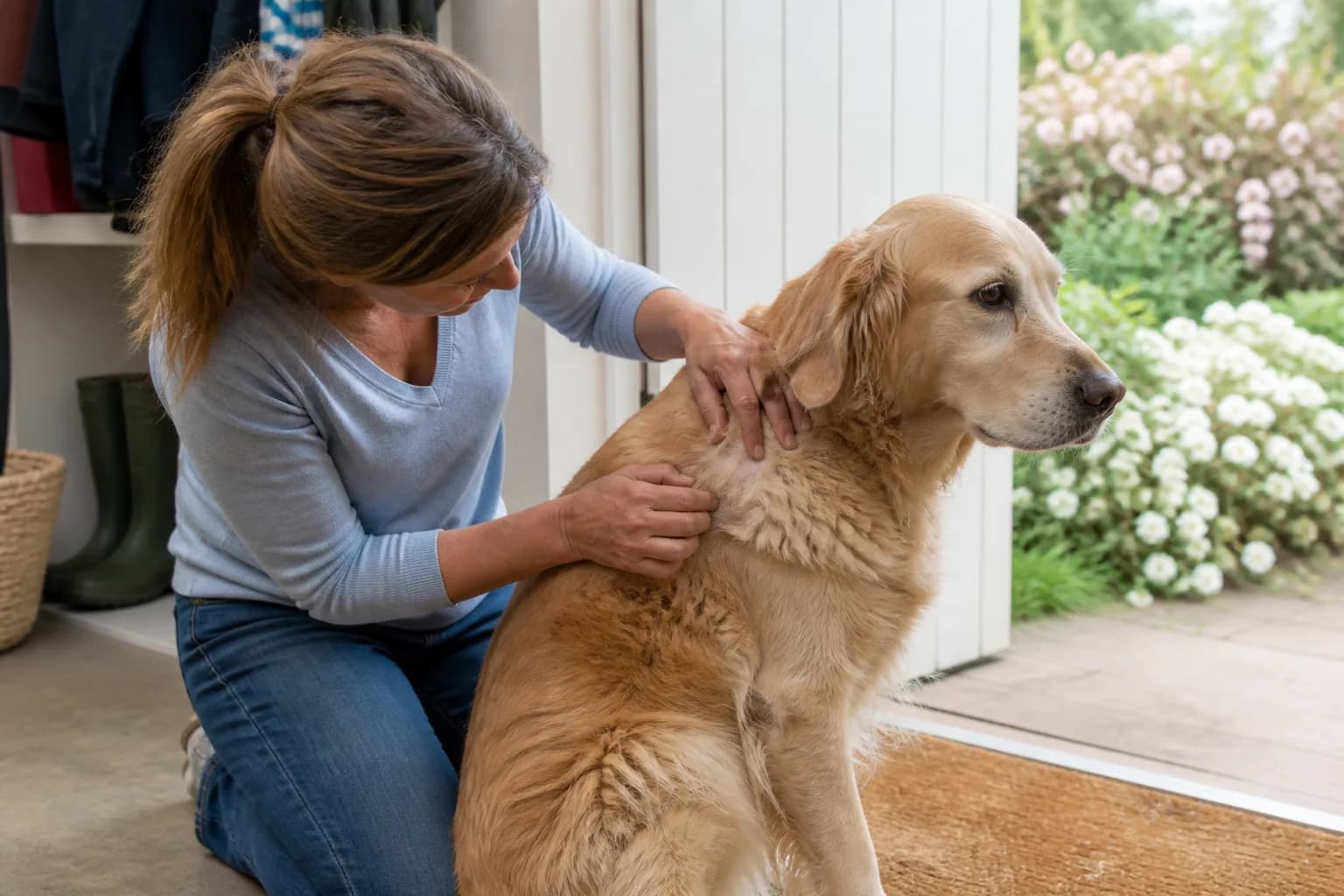
A consistent home history can help a veterinarian interpret an itching pattern.
Petful is reader supported. As an affiliate of platforms like Amazon and Chewy, we may earn a commission when you buy through links on this page. There is no extra cost to you.
Sponsored by Maven Pet.
Dog skin allergies can look like a few extra scratches at first. The detail your veterinarian needs, however, is not simply whether your dog itches. It is when the itching began, where it happens, how often it returns, and what else changed around the same time. Maven Pet can help families follow scratching and head-shaking trends between appointments, giving the veterinary team more useful context without claiming to identify the cause.
The short answer is that an itching pattern can show whether a problem is isolated or recurring, seasonal or year-round, and improving or worsening. It cannot tell you by itself whether the cause is pollen, food, fleas, mites, infection, or another skin condition. That diagnosis belongs to your veterinarian.
Petful's hands-on Maven Pet Smart Collar review explains how the broader monitoring service fits into day-to-day dog care.

A collar-mounted sensor and app for activity, rest, sleep, respiratory rate, heart-rate trends, itch behaviors, and more.
- Builds a personalized baseline over time
- Tracks trends between veterinary visits
- Generates a month-long shareable report
Health monitoring for dogs and cats
Petful may earn a commission when you click through to Maven Pet, at no extra cost to you.

Sign up for expert-backed reviews and safety alerts all in one place.
What an itching pattern can tell your veterinarian
- Track the pattern, not just the scratch. A simple record of timing, body location, intensity, and related changes can make a veterinary conversation more specific and productive.
Dogs express itch in several ways. Scratching is the obvious one, but chewing, rubbing, licking, rolling, and head shaking may also signal discomfort. The 2023 AAHA Management of Allergic Skin Diseases Guidelines recommend a detailed history that includes seasonality, itch intensity, parasite prevention, age at onset, progression, and response to previous care.
Those details help your veterinarian sort through the possibilities. For example:
- Seasonal flares may raise suspicion for environmental triggers, although seasonality alone does not prove an allergy.
- Year-round itching may occur with indoor environmental allergens, food allergy, parasites, infection, or nonallergic skin disease.
- Ear scratching and head shaking can accompany allergic disease, but they can also occur with an ear infection, foreign material, or other irritation.
- A sudden spike after swimming, grooming, or a new product gives the veterinary team a useful timeline to investigate.
- Improvement followed by relapse can help show whether a treatment plan is controlling the problem or whether another factor needs attention.
How do I know if my dog is itching because of allergies? You cannot confirm the cause from scratching alone. What you can do is look for a repeatable pattern and document it accurately. Dog paw allergies, for example, may be suspected when paw licking or chewing repeatedly follows outdoor exposure, but the same behavior can occur with a small wound, a foreign object, parasites, infection, or pain. A veterinarian needs the time and duration, body area and context, skin findings, preventive history, and examination before deciding what the signs mean.
Four patterns are especially useful to capture without trying to label them at home:
A seasonal paw or face flare
Record whether paw licking, face rubbing, or scratching increases after time in grass, on a particular walking route, or during a certain season. Note whether all paws or only one area is affected. A repeating exposure pattern can focus the history, but it does not prove that pollen or another environmental allergen is responsible.
Sudden ear scratching or head shaking
Write down when the behavior began and whether you notice odor, discharge, redness, swelling, or sensitivity around the ear. Maven Pet may help show a rise in head-scratching or head-shaking events, while your observations provide details the collar cannot see. A painful, smelly, or discharging ear deserves prompt veterinary attention rather than a wait-and-see experiment.
A collar-mounted sensor and app for activity, rest, sleep, respiratory rate, heart-rate trends, itch behaviors, and more.
- Builds a personalized baseline over time
- Tracks trends between veterinary visits
- Generates a month-long shareable report
Health monitoring for dogs and cats
Petful may earn a commission when you click through to Maven Pet, at no extra cost to you.
Nighttime or year-round itching
Track how often itching interrupts sleep, whether it affects the same body areas, and whether skin appearance changes. Year-round or nighttime itching can be meaningful because it shows persistence and disruption, not because it identifies a particular allergen. Include parasite prevention, foods, treats, shampoos, medications, and household changes in the history.
Improvement followed by another flare
If your dog is already following a veterinary plan, record the exact dates of prescribed care and when the behavior improved or returned. Do not stop medication, shorten a food trial, or deliberately re-expose your dog to a suspected trigger. A consistent timeline helps the veterinary team judge response while keeping treatment decisions in their hands.
If you are already wondering why your dog is uncomfortable even though you have not seen fleas, Petful's guide to dog itching with no fleas explains why a veterinary workup often has to rule out several look-alike conditions.
How Maven Pet supports itch tracking
The Maven Pet dog itch tracker is designed to recognize head-scratching and head-shaking events, compare them with your dog's personal baseline, and show weekly or monthly changes. It can help answer a practical question: Is this a one-off itchy day, or is a pattern building?
That distinction is useful because memory is imperfect. A family may remember that a dog was itchy “last week” but not whether the scratching clustered at night, followed outdoor play, or increased for four days in a row. A timeline gives the veterinarian something more concrete to pair with the physical exam and diagnostic testing.
Maven Pet does not diagnose a skin allergy, identify an allergen, inspect the skin, or replace ear and skin cytology, flea combing, skin scrapings, or other veterinary tests. Think of it as a way to organize observations between visits.
A seven-day itching-pattern log for your vet
A seven-day itching-pattern log for your vet turns scattered moments into a consistent record. Unlike a general list of causes and treatments, this is a repeatable time, body-area, and context log designed for a veterinary appointment. It records what happened without labeling a dog allergic reaction at home, because allergy itchy skin can resemble parasites, infection, pain, or irritation. Use it only when your dog is comfortable enough to wait for a scheduled appointment and your veterinarian has not asked for a different monitoring period. Urgent signs still need prompt care on day one.

| Day and time | Time and duration | Body area and context | What you saw | Effect on normal life |
|---|---|---|---|---|
| Day 1 | Start time and approximate length | Paws, ears, face, belly, tail base; after walk, meal, bath, grooming, or rest | Scratching, licking, chewing, rubbing, head shaking; redness, odor, discharge, hair loss | Interrupted sleep, stopped play, avoided food, or no disruption |
| Days 2-6 | Repeat at roughly the same review times | Note repeated or new locations and relevant exposures | Add photos in similar lighting when visible skin changes occur | Record whether the episode is milder, similar, or more disruptive |
| Day 7 | Summarize the week | List the most common setting and body area | Compare the first and latest observations without diagnosing the cause | Prepare the trend, photos, products, foods, and medication list for your vet |
The table is a prompt, not a scoring system. One severe episode can matter more than seven mild entries. If nothing happens on a day, record that too. A quiet day helps show whether the pattern is continuous, intermittent, or tied to a particular context.
A collar-mounted sensor and app for activity, rest, sleep, respiratory rate, heart-rate trends, itch behaviors, and more.
- Builds a personalized baseline over time
- Tracks trends between veterinary visits
- Generates a month-long shareable report
Health monitoring for dogs and cats
Petful may earn a commission when you click through to Maven Pet, at no extra cost to you.
1. Where the itching happens
Note the paws, ears, face, belly, armpits, groin, tail base, or another area. Take a clear photo if you see redness, hair loss, crusts, moisture, or a sore. Photos taken in similar lighting can help show change over time.
2. When it happens
Write down the date and approximate time. Note whether the episode followed a walk, meal, bath, swim, grooming appointment, medication, or time in a particular room or yard.
3. What the behavior looks like
Distinguish scratching from licking, chewing, rubbing, or head shaking. Maven Pet's collar sensor may add trend information for head scratching and shaking, while your own notes cover behaviors and skin changes a collar cannot assess.
4. How disruptive it is
Did your dog pause once to scratch, or did the itching interrupt sleep, play, eating, or a walk? Functional changes often matter more than trying to assign a perfect number to itch intensity.
5. What else changed
Record odor, ear discharge, vomiting, diarrhea, appetite change, restlessness, or reduced activity. These signs do not prove a common cause, but they help your veterinarian see the full picture.
Do not deliberately expose your dog to a suspected trigger to test a theory. Do not stop a prescribed medication or start a restrictive diet without veterinary guidance. Food trials and allergy treatment plans need consistency to be interpretable.
At the end of the week, write a three-sentence summary: when the change began, where and when it happened most often, and how it affected comfort or routine. Attach only the clearest photos and trend view. This gives the veterinarian a usable starting point without burying the important pattern in a long diary.
Why patterns support, but do not replace, testing
Allergic skin disease can resemble flea infestation, mites, bacterial or yeast infection, ringworm, contact irritation, and other conditions. AAHA notes that canine atopy is a diagnosis of exclusion. Allergy testing is generally used to identify allergens for immunotherapy after the clinical diagnosis is established, not to prove that every itchy dog has atopy.
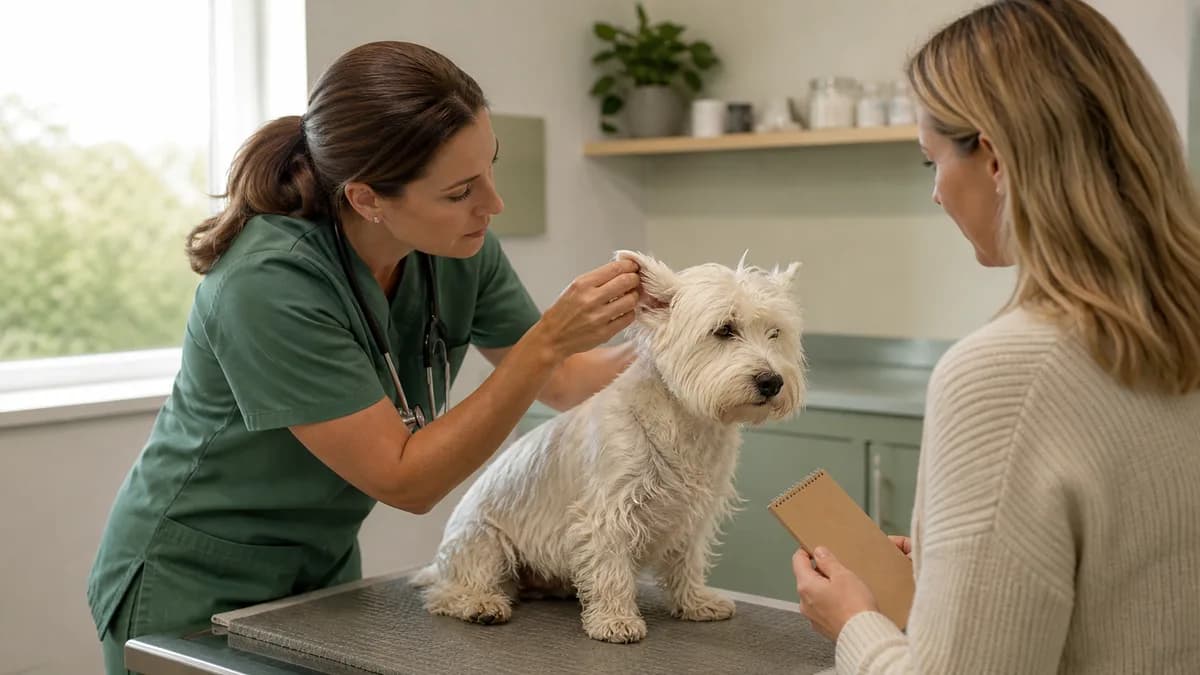
This is why a trend chart can improve the history without settling the diagnosis. The veterinarian still needs to examine the ears and skin and may recommend cytology, parasite checks, skin scrapings, a food elimination trial, or referral to a veterinary dermatologist.
Petful's article on yeast infections in dogs shows one reason not to label every itchy flare an allergy. Yeast normally lives on canine skin, but overgrowth can contribute to itching, odor, and inflamed skin and may need a different plan.
A collar-mounted sensor and app for activity, rest, sleep, respiratory rate, heart-rate trends, itch behaviors, and more.
- Builds a personalized baseline over time
- Tracks trends between veterinary visits
- Generates a month-long shareable report
Health monitoring for dogs and cats
Petful may earn a commission when you click through to Maven Pet, at no extra cost to you.
What Maven Pet research does and does not show
Maven Pet maintains a research library covering respiratory-rate measurement, activity monitoring, senior-dog research, and activity-based feeding. It does not currently list a peer-reviewed, allergy-specific validation study.
That boundary matters. The appropriate claim for this article is that Maven Pet can help document certain itch-related behaviors and changes from a personal baseline. It would be inaccurate to say its published research proves that the sensor detects or diagnoses dog skin allergies.
The most useful role is practical: collecting day-to-day context that an owner can share with a veterinary professional.
One dog parent's experience
In a July 2026 Trustpilot review, French Bulldog owner Erin Nally described valuing early awareness of changes related to her dog's breathing sensitivities and skin issues. Her experience is an individual account, not clinical evidence, but it reflects the reason many families want an organized view of changes that can be easy to miss.
When itching needs veterinary attention
Call your veterinarian when itching is persistent, repeatedly interrupts sleep, causes hair loss or skin damage, or comes with odor, discharge, swelling, pain, or reduced appetite. Arrange prompt care for an ear that is red, painful, smelly, or producing discharge, since vigorous head shaking can worsen discomfort and may lead to an ear-flap hematoma.
Seek emergency veterinary care for facial swelling, hives with breathing difficulty, collapse, pale or blue gums, or rapidly worsening distress. A tracker should never delay an urgent exam.
How to prepare for the appointment
Bring a concise summary rather than a pile of disconnected observations:
- The date the problem began and whether it is seasonal or constant
- The body areas affected
- Photos of visible changes
- A list of foods, treats, supplements, preventives, shampoos, and medications
- Any recent travel, boarding, grooming, swimming, or household changes
- A Maven Pet weekly or monthly trend if you use the device
- Notes about what improved or worsened the behavior
If bathing is part of your veterinarian's plan, Petful's guide to shampoo therapy for a dog's skin explains why the right product and technique depend on the underlying condition. Avoid substituting a human shampoo or medicated product without veterinary direction.
The goal is not to arrive with a self-diagnosis. It is to give the veterinary team a clear timeline so they can choose the right tests and judge whether the plan is working.
Frequently asked questions
No. Tracking can show frequency, body-area patterns, and change over time, but allergies are only one possible cause of itching. Parasites, infection, a foreign object, irritation, pain, and other skin conditions can look similar at home. Share the timeline, photos, preventive history, and related signs with your veterinarian, who can decide which examination or tests are appropriate.
Maven Pet says its dog itch tracker recognizes head-scratching and head-shaking events and compares them with the dog's personal baseline. It does not claim to identify licking, chewing, the affected skin area, an allergen, or the cause. Owners should still record visible skin changes, odor, discharge, sleep disruption, foods, products, and relevant exposures so the veterinarian receives the full context.
Not without veterinary guidance. An effective food elimination trial requires a carefully selected diet, strict control of treats and flavored products, and consistency for the period your veterinarian recommends. Random food changes can make the history harder to interpret and may distract from other causes. Record what your dog currently eats, then ask the veterinary team whether a structured trial is warranted.
Yes. Itching that repeatedly interrupts sleep suggests meaningful discomfort and is worth documenting. Record when it begins, how long it lasts, which body areas are involved, and whether your dog settles again. The timing alone does not identify the cause, but repeated sleep disruption helps show severity and response to care. Persistent nighttime discomfort deserves a veterinary call.
A quick daily check and a weekly summary are usually more useful than repeatedly refreshing the app after every isolated event. Review the same categories so the comparison stays consistent. Follow your veterinarian's instructions if your dog is being treated for an active skin or ear problem, and call sooner for pain, discharge, skin damage, facial swelling, breathing difficulty, or rapid worsening.
You cannot know whether your dog is itching because of allergies from itching alone. A repeating pattern involving the paws, face, ears, season, or certain exposures may give your veterinarian useful clues, but it is not a diagnosis. Record the time and duration, body area and context, visible skin or ear changes, parasite prevention, and effect on sleep or activity. Your veterinarian can then rule out look-alike causes and interpret the pattern.
Sources
BVMS, MRCVS
Dr. Pippa Elliott, BVMS, MRCVS, is a veterinarian with nearly 30 years of experience in companion animal practice. Dr. Elliott earned her Bachelor of Veterinary Medicine and Surgery from the University of Glasgow. She was also designated a Member of the Royal College of Veterinary Surgeons. Married with 2 grown-up kids, Dr. Elliott has a naughty Puggle named Poggle, 3 cats and a bearded dragon.
Sign up for expert-backed reviews and safety alerts all in one place.



A Final Word (Disclaimer)
At Petful, our review integrity is paramount; we never exchange special treatment in our reviews for monetary or material rewards.
Nonetheless, when our readers click through to online merchants (including Chewy or Amazon), we receive a referral commission. This supports the running of our free blog, and we appreciate your backing.