Dog Gut Health Supplements: What to Look For and When They Help
Dog gut health supplements vary widely in purpose and evidence. Learn the differences among probiotics, prebiotics, and microbiome support, plus how to choose a product for your dog's actual goal.

BVMS, MRCVS
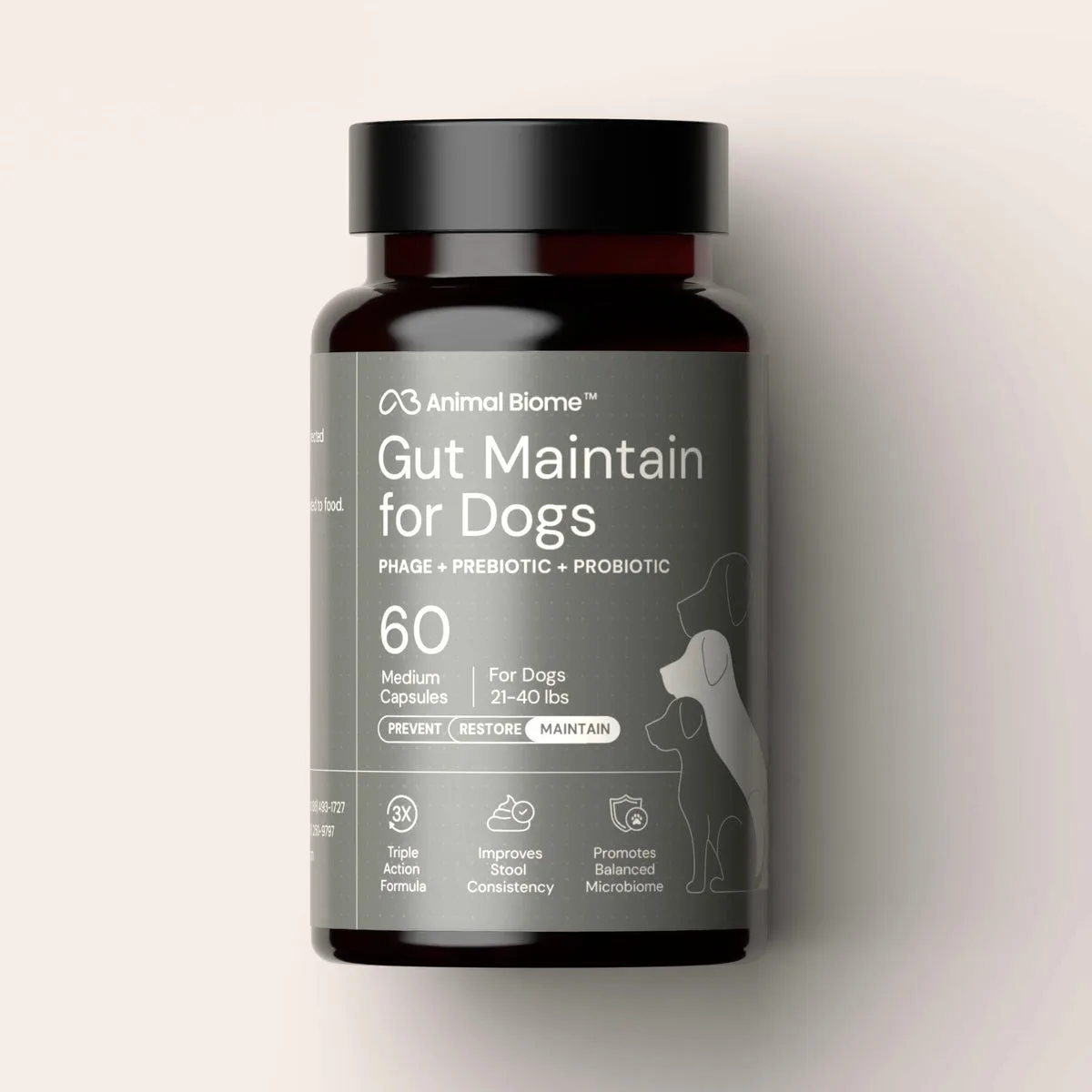
Daily maintenance products should be chosen for a stable dog and a defined wellness goal.
Petful is reader supported. As an affiliate of platforms like Amazon and Chewy, we may earn a commission when you buy through links on this page. There is no extra cost to you.
Petful may earn a commission when you buy through links on this page, at no extra cost to you.
Dog gut health supplements can be useful when they match a clear goal, contain well-described ingredients, and sit inside a sound veterinary plan. They cannot correct every cause of diarrhea, vomiting, gas, poor appetite, or weight loss. Those signs may come from parasites, infection, dietary intolerance, pancreatitis, chronic enteropathy, medication effects, or disease outside the digestive tract.
The most productive way to shop is to choose the goal before the ingredient. A healthy dog needing daily support is different from a dog recovering after antibiotics or living with recurrent digestive signs. This guide explains the main supplement types, how to read the label, and when Animal Biome's restoration or maintenance products may fit.
Choose the goal before the ingredient. A supplement label should tell you what is in the product, how much is present, how it is stored, and what outcome you should reasonably monitor.
Animal Biome's product line illustrates why goal matching matters. Gut Maintain for Dogs is intended for daily digestive maintenance, Gut Restore for Dogs provides a broader community of screened dog-specific microbes, and the Gut Microbiome Test for Dogs adds data when owners want a baseline or a way to track change.

Sign up for expert-backed reviews and safety alerts all in one place.
What dog gut health supplements can and cannot do
The intestinal microbiome is the community of bacteria and other microorganisms living in the digestive tract. It interacts with food, bile acids, the intestinal lining, and immune function. Supplements may influence that environment, provide specific microorganisms, or supply substrates those microorganisms can use.
The evidence is ingredient- and product-specific. A review of probiotics in dogs and cats found possible benefits in several digestive contexts, but results vary by organism, strain, dose, condition, and study design. A positive study of one strain does not prove that every product labeled probiotic will perform the same way. See the peer-reviewed review of probiotics in dogs and cats.
Supplements work best as support. They should not delay diagnostic testing, replace prescribed medication, or encourage repeated diet changes. If your dog has persistent digestive signs, Petful's guide to dog digestive issues explains when a veterinary evaluation matters.
Match the evidence to the use case
The word supplement describes a product category, not a single level of evidence. A product may contain a researched strain, a familiar fiber, several organisms, or a broad microbial community. The useful question is not whether supplements work in general. It is whether the finished product and its ingredients have a reasonable connection to the dog's specific goal.
Petful may earn a commission when you click through to Animal Biome, at no extra cost to you.
For a stable dog, daily maintenance may focus on consistent stool, comfortable digestion, and resilience during ordinary routine changes. The trial should be simple because there may be little room for improvement. If stool is already normal and the dog feels well, success might mean continued stability without gas, appetite change, or another unwanted effect.
Short-term soft stool is a different use case. A veterinarian may consider targeted support after reviewing diet, scavenging, stress, parasites, medications, and the dog's overall condition. Evidence for one probiotic organism in one type of diarrhea does not automatically transfer to another product or another cause. A supplement can complement the plan, but it should not turn an urgent or persistent symptom into a home experiment.
- A useful product choice connects a defined canine use case, a transparent finished formula, and a measurable outcome.
Recovery after antibiotics also requires coordination with the prescriber. Antibiotics may alter the intestinal microbial community, yet the dog may still need the medication for the original illness. The evidence question is whether a particular intervention is appropriate during treatment, after treatment, or only if digestive signs develop. Owners should not change antibiotic timing or duration to make room for a supplement.
Recurrent digestive problems need the most caution. Repeated diarrhea, vomiting, appetite change, or weight loss may involve parasites, food-responsive disease, pancreatitis, chronic enteropathy, endocrine disease, or another diagnosis. In that setting, changing supplements every few days can blur the clinical pattern. A better plan identifies what has already been tested, what the veterinarian is treating, and what one measured supplement trial is meant to add.
| Use case | Reasonable evidence question | Result worth tracking | Reason to reassess |
|---|---|---|---|
| Stable daily maintenance | Is the finished product intended for routine use in dogs? | Consistent stool, appetite, comfort | New gas, loose stool, or no clear purpose |
| Brief mild stool change | Is the dog well enough for a monitored trial? | Stool trend over a defined period | Persistence, recurrence, or any red flag |
| After antibiotics | Does the plan fit the drug, illness, and timing? | Stool, appetite, energy, recovery pattern | Worsening signs or concern about the prescription |
| Chronic or recurring signs | Is there a diagnosis and a measurable adjunctive goal? | Frequency and severity of episodes | Weight loss, treatment failure, or an unclear response |
Main types of dog digestive supplements
Dog digestive supplements use several different strategies. Some products combine categories, so read the ingredient panel rather than relying on the front-label claim.
Probiotics
Probiotics are live microorganisms intended to provide a health benefit when given in an adequate amount. A useful label identifies the organism and, ideally, the strain. The viable count should apply through the end of shelf life, not only at manufacture. Storage matters because heat and moisture can reduce viability.
Probiotics are live microorganisms. That definition does not mean they permanently colonize every dog's intestine. Some may act while they pass through the digestive tract. The relevant question is whether the selected organism has evidence for the dog's goal and whether the dog tolerates it.
Prebiotics
Prebiotics are substrates used by gut microbes. They can support the growth or activity of selected organisms, but they are not live bacteria. Examples include certain fermentable fibers and mannan-oligosaccharides. More is not always better because rapid increases in fermentable material may cause gas or loose stool in some dogs.
Prebiotics are substrates used by gut microbes, so their effect depends on the community already present and the rest of the diet. This is one reason to introduce changes gradually when the dog is stable.
Synbiotics
Synbiotics combine live microorganisms with substrates intended to support them. The combination should be purposeful rather than a long ingredient list. Ask whether the organisms and fibers were selected to work together and what evidence supports the finished product.
Yeast-based support
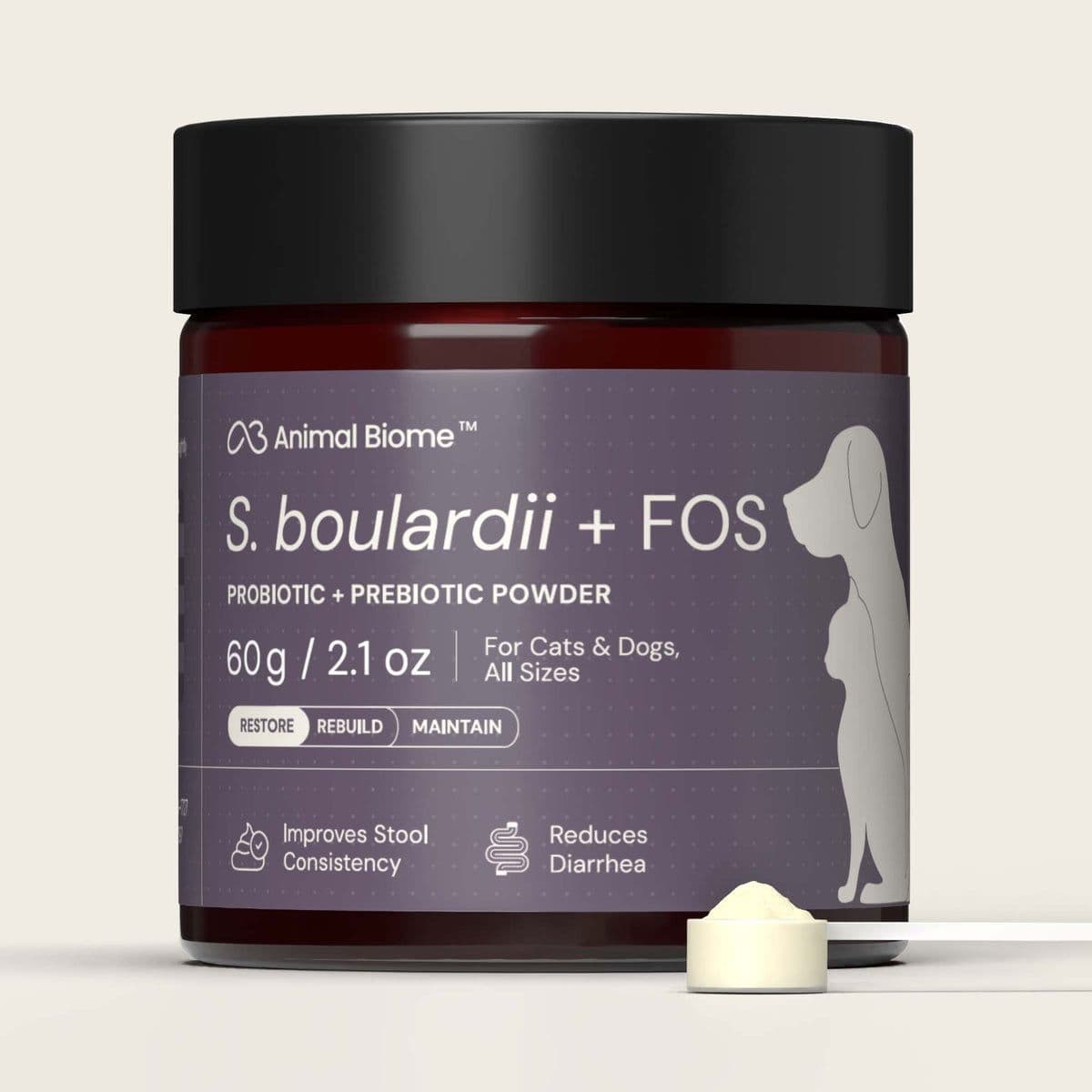
Saccharomyces boulardii is a beneficial yeast used in some digestive supplements. Because it is yeast rather than bacteria, it is biologically different from bacterial probiotics. Research in companion animals is developing, and veterinary advice remains important for dogs that are very young, immunocompromised, seriously ill, or taking multiple medications.
Petful may earn a commission when you click through to Animal Biome, at no extra cost to you.
Microbiome restoration products

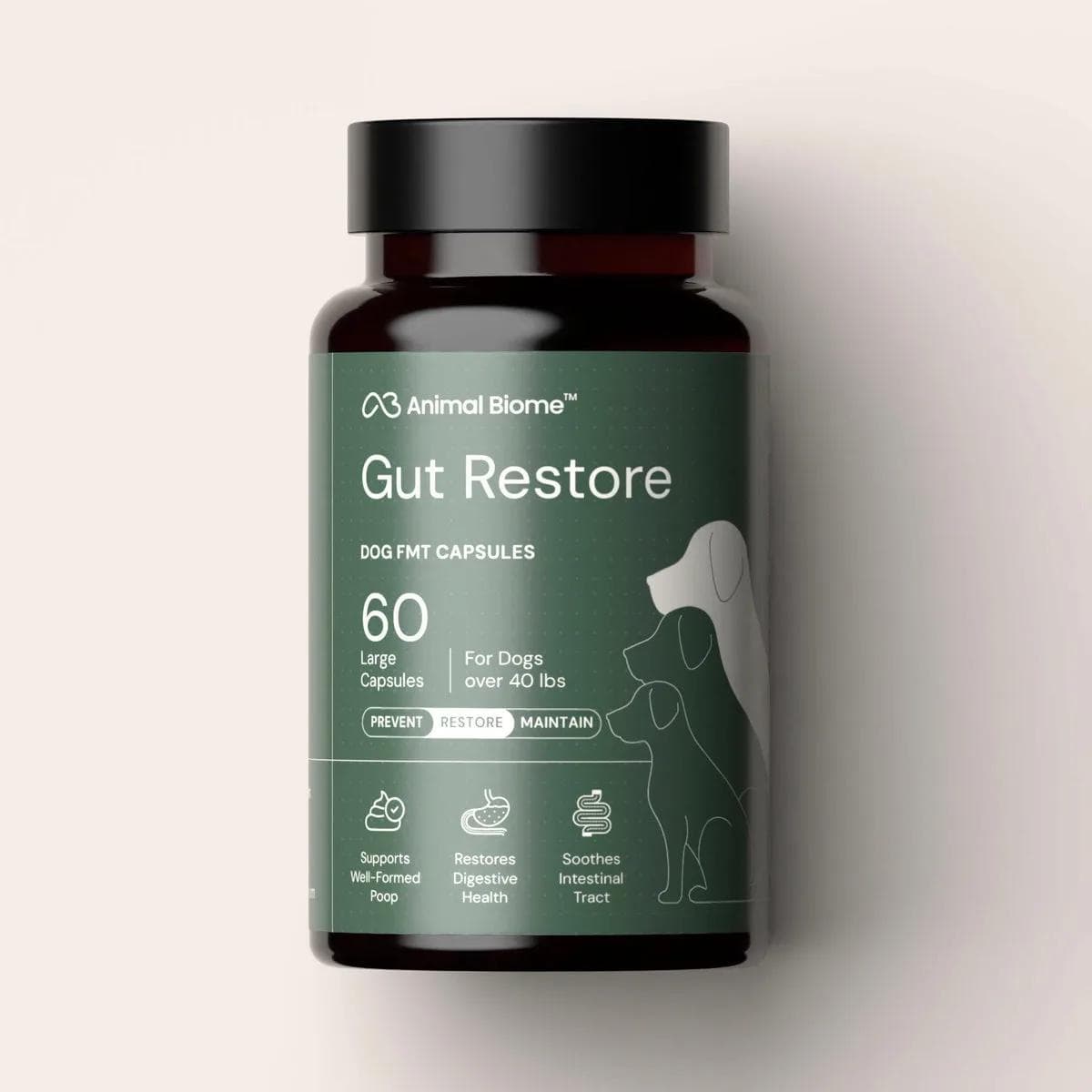
Some products aim to provide a broad community of microorganisms rather than one or several selected strains. Animal Biome's Gut Restore uses screened canine donor material in delayed-release capsules. This approach is distinct from a conventional probiotic and deserves a specific conversation with the veterinarian about the dog's history, current diagnosis, and treatment plan.
How to read a supplement label
The best supplements for dog gut health are transparent enough to evaluate. Look for:
- Full organism names and strains when applicable
- The viable amount and whether it is guaranteed through expiration
- A clear ingredient list, including flavorings and inactive ingredients
- Storage instructions and an expiration date
- Directions based on the finished product, not a generic ingredient
- Manufacturer contact information and quality controls
- A defined intended use rather than promises to solve every problem
Be cautious with proprietary blends that hide amounts, products that use only vague terms such as good bacteria, and labels that promise to cure disease. Also check flavorings. Never give a product containing xylitol to a dog. If you are considering fermented foods, remember that food is not interchangeable with a studied supplement. Petful's guide to whether dogs can eat yogurt covers lactose, added sugar, and xylitol safety.
- Can you identify the organism, amount, purpose, storage, expiration, and manufacturer? If two or more answers are missing, ask the company or choose a more transparent product.
Petful may earn a commission when you click through to Animal Biome, at no extra cost to you.
Use a five-part selection rubric
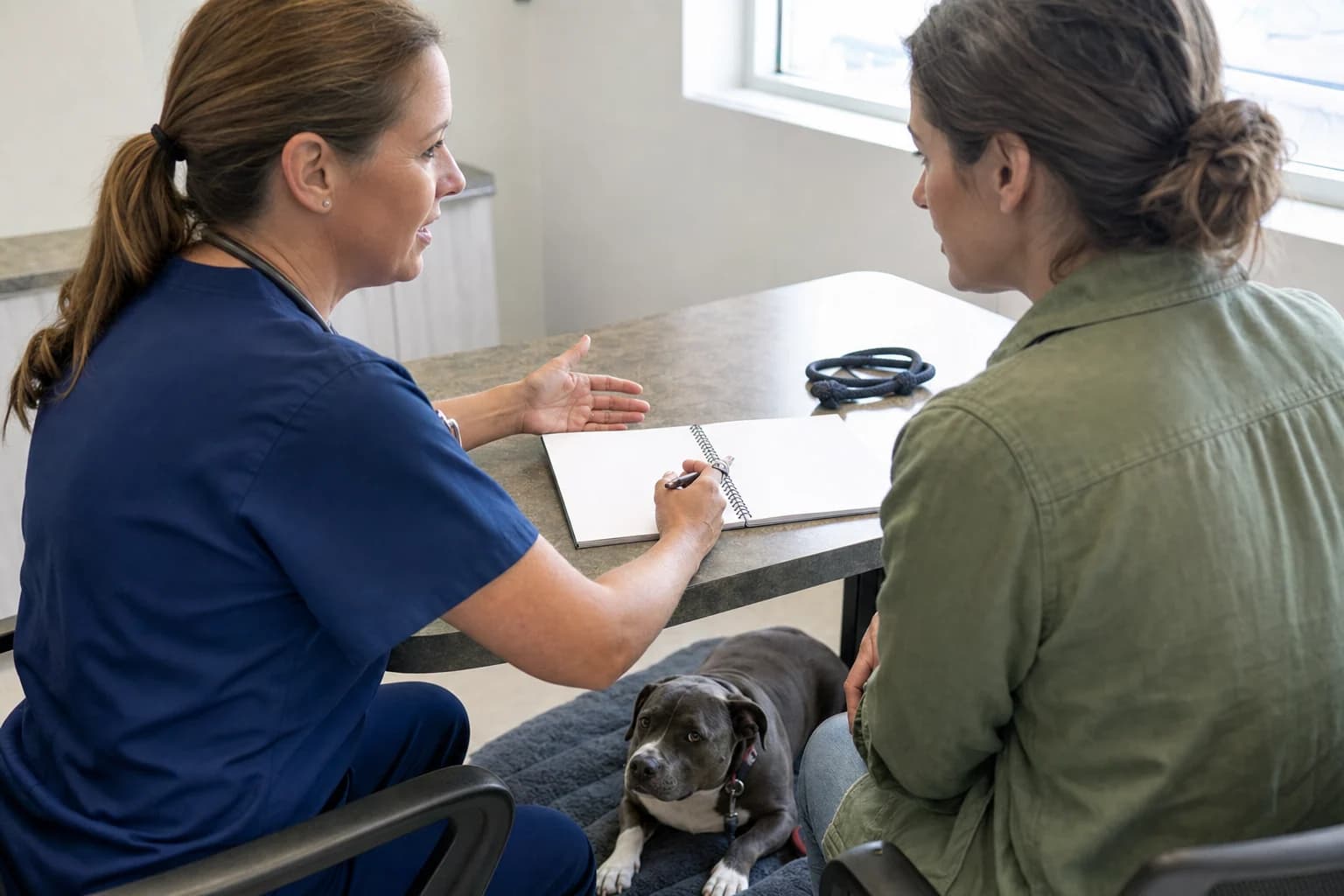
A transparent label is the starting point, but the final choice should also fit the individual dog. Work through five checks before buying or starting a product:
- Goal: Write one sentence describing the result you want, such as more consistent stool during a veterinarian-approved food transition. Avoid vague goals that cannot be observed.
- Product identity: Confirm whether the product is a probiotic, prebiotic, synbiotic, yeast product, maintenance formula, test, or broader microbiome-restoration product. Similar packaging does not make these approaches interchangeable.
- Evidence fit: Look for evidence connected to the named organism, ingredient, finished product, and intended use. A general article about probiotics is not proof for every blend on the shelf.
- Dog fit: Consider age, diet, medications, immune status, current diagnosis, and symptom severity. Puppies, medically fragile dogs, and dogs with persistent signs warrant earlier veterinary input.
- Measurement plan: Decide what you will record, how long the veterinarian wants the trial to run, and what finding means the plan should stop or change.
The rubric also helps compare products without relying on unsupported best claims. A longer ingredient list is not necessarily better. Multiple active ingredients can make it harder to identify what helped or what caused an unwanted change. Clear identity, appropriate evidence, and a measurable purpose are more useful than novelty or the number of claims on the front label.
Choose supplements by goal
The Goal, ingredient, evidence, next step table keeps selection grounded in the dog's situation.
Daily gut maintenance and microbiome restoration are different goals. Maintenance supports a stable routine, while restoration follows a meaningful disruption or recurring problem and deserves closer veterinary coordination.
| Goal | Product category to discuss | Evidence question | Next step |
|---|---|---|---|
| Daily gut maintenance in a stable dog | Probiotic, prebiotic, synbiotic, or combined maintenance formula | Is the product described and appropriate for daily use? | Introduce one product and track stool and comfort |
| Short-term soft stool | Veterinary triage plus targeted support | Has infection, parasites, diet, and medication history been considered? | Call the vet if signs persist or the dog seems unwell |
| Recovery after antibiotics | Strain-specific probiotic, yeast, or broader microbiome support | What evidence applies to this drug and this dog's condition? | Do not change the prescription; coordinate support with the prescriber |
| Recurrent or chronic signs | Diagnostic workup before repeated supplements | What diagnosis is being treated, and what result will be measured? | Reassess if the expected response does not occur |
For any trial, choose a start date and two or three outcomes. Useful measures include stool consistency, bowel movement frequency, gas, appetite, body weight, and comfort. If the dog worsens, stop adding new variables and call the veterinarian.
Run one measurable trial at a time

Start by recording a short baseline before changing anything, unless the veterinarian recommends immediate treatment. Note the dog's usual stool consistency and frequency, appetite, water intake, gas, comfort, medications, treats, and diet. A baseline turns a general impression into something the owner and veterinarian can compare.
Introduce only the agreed product while keeping food, treats, and routine as steady as practical. Record the product name, start date, storage method, and any missed servings. Follow the finished-product label and veterinary instructions. Do not create a dose from a human product, a loose ingredient estimate, or another dog's plan.
Petful may earn a commission when you click through to Animal Biome, at no extra cost to you.
Use the same measures throughout the trial. A simple daily log might include:
- Stool consistency and number of bowel movements
- Vomiting, gas, straining, or abdominal discomfort
- Appetite, energy, and willingness to drink
- Medication timing and any diet exception
- The owner's overall assessment of better, unchanged, or worse
Set a review point with the veterinarian or according to the veterinary plan. If the goal is not met, reassess the diagnosis, product fit, adherence, and time frame before adding something else. If the dog develops blood, black stool, repeated vomiting, weakness, pain, dehydration, appetite loss, or weight loss, the safety plan takes priority over completing the trial.
- One product, one defined goal, and one consistent tracking method provide more useful information than several simultaneous changes.
How Animal Biome's Gut Restore and Gut Maintain differ
Covered here are two of Animal Biome’s dog products with different intended roles. Neither replaces veterinary diagnosis or necessary treatment.
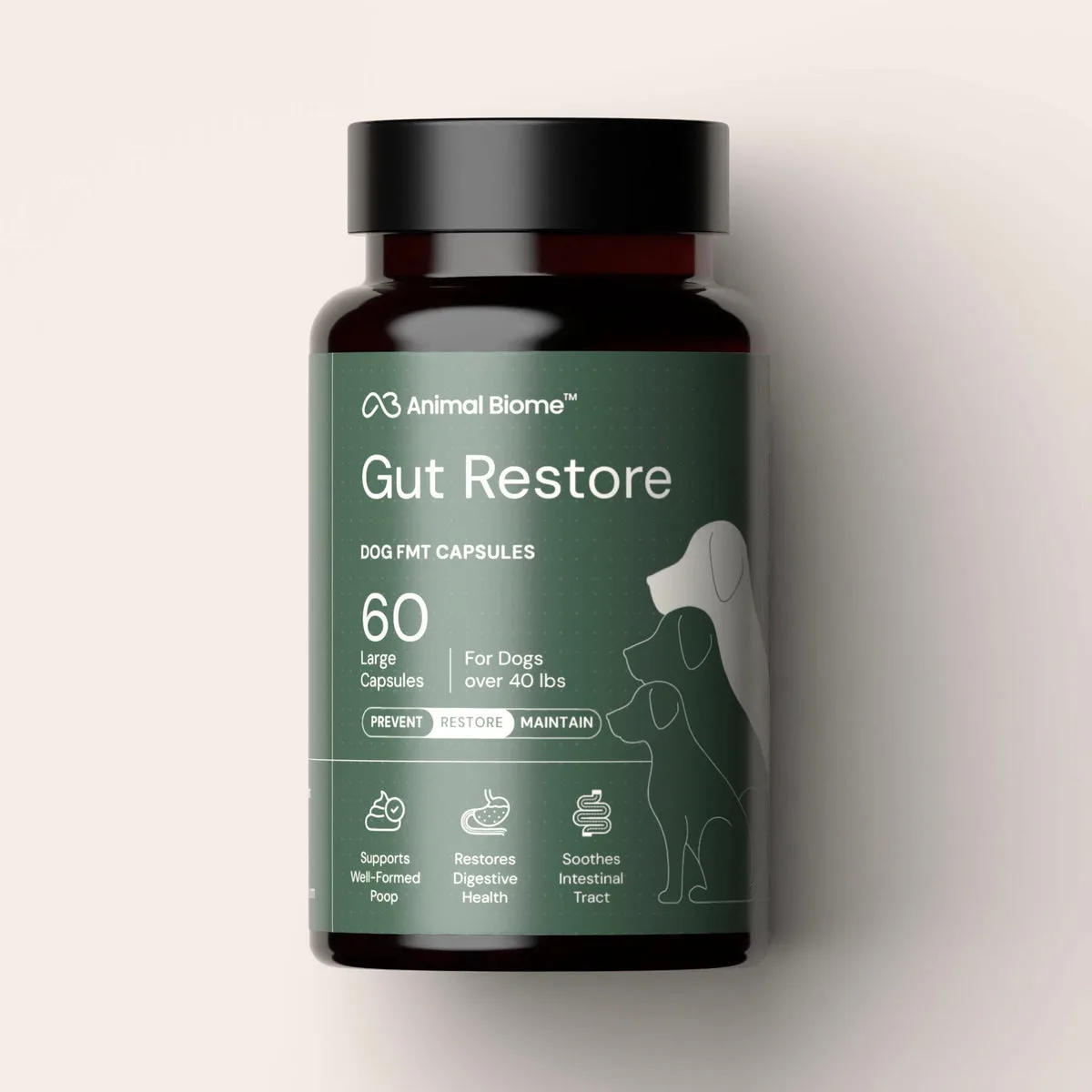
Gut Restore for Dogs contains screened canine donor material in delayed-release capsules. Animal Biome positions it for dogs with moderate to severe or recurring digestive issues and after microbiome disruption. Because it is a broad microbial-community product, discuss its fit with the veterinarian managing the dog's condition.
Gut Maintain for Dogs is a daily maintenance formula that currently combines S. boulardii, an FOS prebiotic, and a bacteriophage blend. Animal Biome positions it for ongoing digestive support and occasional soft stool in otherwise stable dogs.
The distinction is restoration versus maintenance. A dog with persistent diarrhea still needs a diagnosis. A stable dog with a clear maintenance goal may need a gentler, simpler plan. Do not stack both products, multiple probiotics, a new food, and extra fiber at the same time unless a veterinarian has designed that protocol.
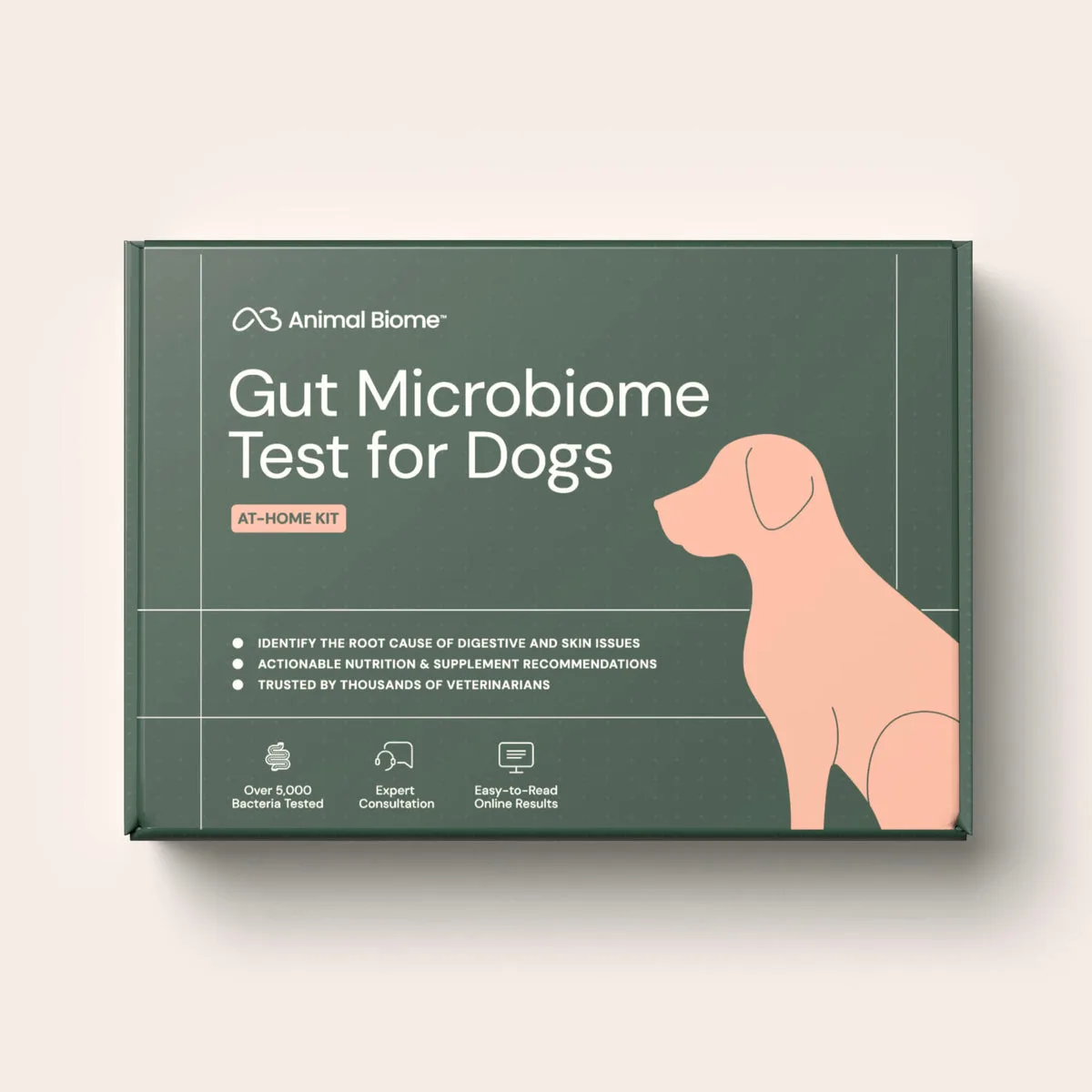
Use Animal Biome's tools as a decision workflow
Animal Biome presents Gut Maintain, Gut Restore, and the Gut Microbiome Test as different tools rather than interchangeable versions of the same supplement. A practical workflow begins by deciding whether the dog is stable, recovering from a meaningful disruption, or experiencing signs that first require diagnosis.
For an otherwise stable dog with a daily-maintenance goal, Gut Maintain may be the product to discuss. The manufacturer describes it as a combination of S. boulardii, FOS prebiotic, and bacteriophage blend for ongoing digestive support and occasional soft stool.
For a dog with recurring or more significant digestive problems, Animal Biome positions Gut Restore as the broader restoration option. Its screened canine donor material makes it different from a conventional strain-specific probiotic. That difference increases the importance of reviewing the dog's diagnosis, medication, immune status, and treatment plan with the veterinarian. Broader does not automatically mean more appropriate for every dog.
- Gut Maintain supports a maintenance conversation, Gut Restore supports a broader restoration conversation, and the Gut Microbiome Test adds bacterial measurement when the result will guide a decision.
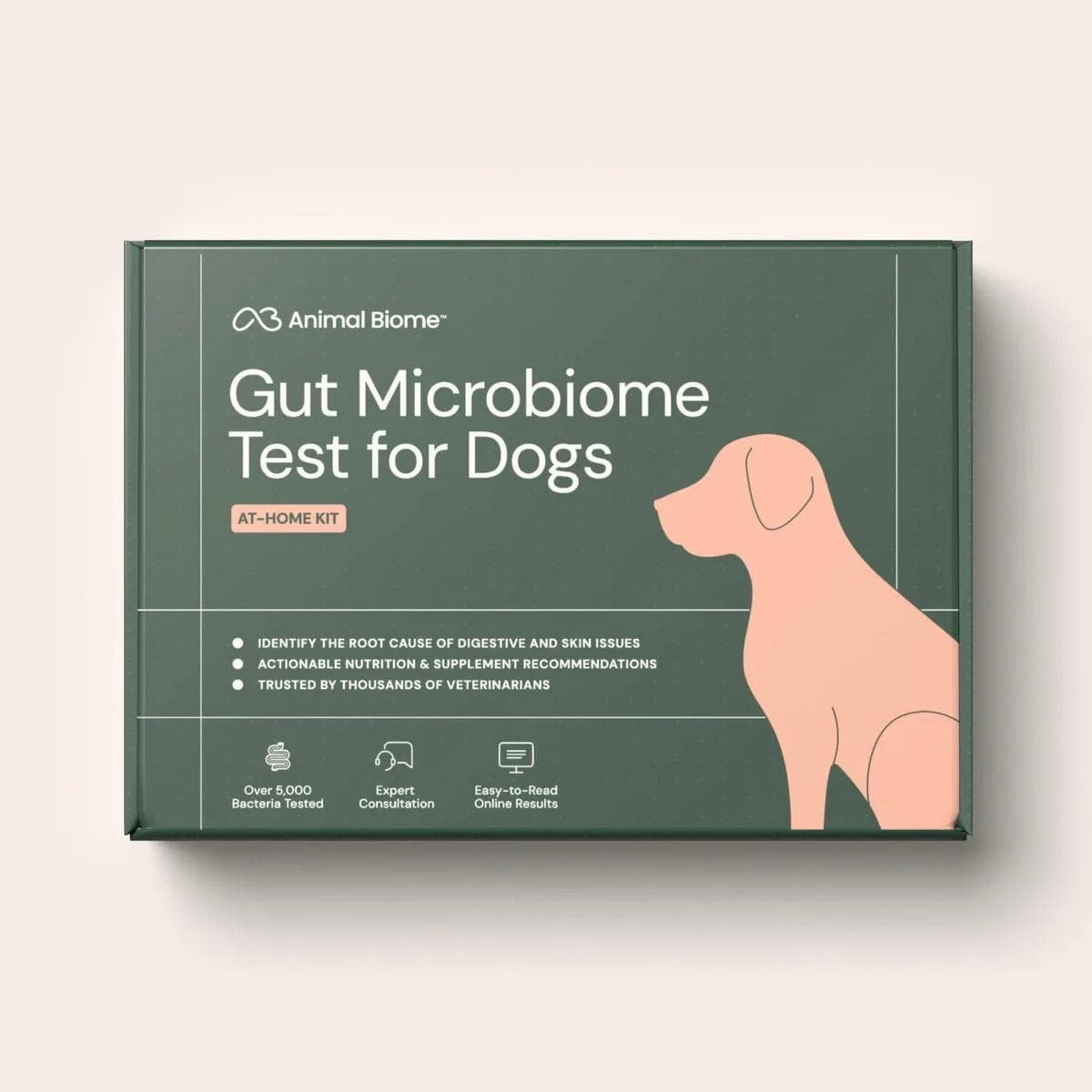
The Gut Microbiome Test can add a measurement step when the result will answer a defined bacterial question. Animal Biome states that the test analyzes bacterial DNA in a stool sample and provides an online report. An owner might discuss testing to establish a baseline, examine bacterial patterns after a disruption, or compare results across a planned intervention.
The most useful sequence is therefore goal, clinical context, tool, and measurement. A stable maintenance goal may lead to Gut Maintain and a stool log. A recurring problem may lead first to veterinary testing, then a discussion of Gut Restore. A question about bacterial patterns may lead to the Gut Microbiome Test before or after a planned intervention. In every case, the result should determine the next conversation rather than trigger automatic product stacking.
Safety and when to call the veterinarian
Mild gas or stool change can occur when a supplement is introduced. Contact the veterinarian if signs are repeated, significant, or accompanied by vomiting, blood, black stool, pain, weakness, fever, dehydration, appetite loss, or weight loss. Puppies, seniors, and dogs with immune disease or another serious condition deserve earlier guidance.
Bring the supplement package or a clear label photo. Tell the veterinarian about every medication, treat, topper, and recent diet change. Ask what improvement should occur and by when. A supplement trial without a stop point can quietly delay better testing or treatment.
When a supplement is not the first step
Some situations call for examination and testing before product selection. A dog with repeated vomiting, severe or watery diarrhea, blood, black stool, abdominal swelling, marked pain, weakness, collapse, or an inability to keep water down needs prompt veterinary guidance. So does a dog that is losing weight or muscle even if the stool change appears mild.
Age and medical history change the threshold. Puppies can become dehydrated quickly and may have parasites or infectious disease. Seniors are more likely to have concurrent illness. Dogs with immune disease, cancer treatment, endocrine disease, pancreatitis, or a history of gastrointestinal surgery may need a plan tailored to those risks. The veterinarian can also check whether a supplement ingredient or flavoring conflicts with a prescription diet or medication.
Prepare for the appointment by bringing:
- A photograph of the front label, ingredient panel, and directions
- The lot number and expiration date when available
- A list of every food, treat, chew, topper, and medication
- A stool and symptom log with dates
- The product start date and any change noticed afterward
This information helps the veterinarian separate a product effect from the underlying disease, diet, or medication. It also supports a more useful decision about whether to continue, stop, switch, test, or treat another cause. The goal is not to avoid supplements. It is to use them when they add clear value without delaying the care the dog actually needs.
Frequently asked questions
The best choice is the one that matches a defined goal, has transparent ingredients and amounts, and is appropriate for the dog's medical history. There is no universal winner for daily maintenance, acute diarrhea, post-antibiotic recovery, and chronic disease.
Start with a complete diet, stable routine, hydration, exercise, and veterinary care for persistent signs. A veterinarian may suggest a probiotic, prebiotic, synbiotic, yeast product, or broader microbiome support based on the dog's goal.
Possible signs include recurrent diarrhea or constipation, vomiting, gas, appetite change, weight loss, abdominal discomfort, and inconsistent stool. These signs are not specific to the microbiome and may require testing for other causes.
Some probiotics may help in specific situations, but effects are strain- and condition-specific. Product quality and study evidence vary, so use a dog-appropriate product for a clear goal and monitor the response.
Plain, unsweetened yogurt may be tolerated as an occasional food by some dogs, but it is not a precise probiotic dose and may upset lactose-sensitive dogs. Avoid products with xylitol, added sugar, or unsafe mix-ins.
The bottom line
Good supplement decisions begin with the dog, not the bottle. Define the goal, read the full label, change one variable at a time, and measure a meaningful result. Animal Biome makes that decision easier by separating daily maintenance, microbiome testing, and broader restoration into distinct tools, so owners can choose the option that matches the dog's actual goal.
BVMS, MRCVS
Dr. Pippa Elliott, BVMS, MRCVS, is a veterinarian with nearly 30 years of experience in companion animal practice. Dr. Elliott earned her Bachelor of Veterinary Medicine and Surgery from the University of Glasgow. She was also designated a Member of the Royal College of Veterinary Surgeons. Married with 2 grown-up kids, Dr. Elliott has a naughty Puggle named Poggle, 3 cats and a bearded dragon.
Sign up for expert-backed reviews and safety alerts all in one place.


A Final Word (Disclaimer)
At Petful, our review integrity is paramount; we never exchange special treatment in our reviews for monetary or material rewards.
Nonetheless, when our readers click through to online merchants (including Chewy or Amazon), we receive a referral commission. This supports the running of our free blog, and we appreciate your backing.