Accident-Only Pet Insurance: What It Covers and Who It's Right For
Accident-only pet insurance covers injuries (broken bones, bites, swallowed objects) for about $17/month for dogs, but excludes all illness. Who it actually fits, what it costs, and when a cheap full-coverage plan beats it.
Petful is reader supported. As an affiliate of platforms like Amazon and Chewy, we may earn a commission when you buy through links on this page. There is no extra cost to you.
Petful may earn a commission if you click on our links and make a purchase. This comes at no extra cost to you and helps us continue providing trusted pet product reviews.
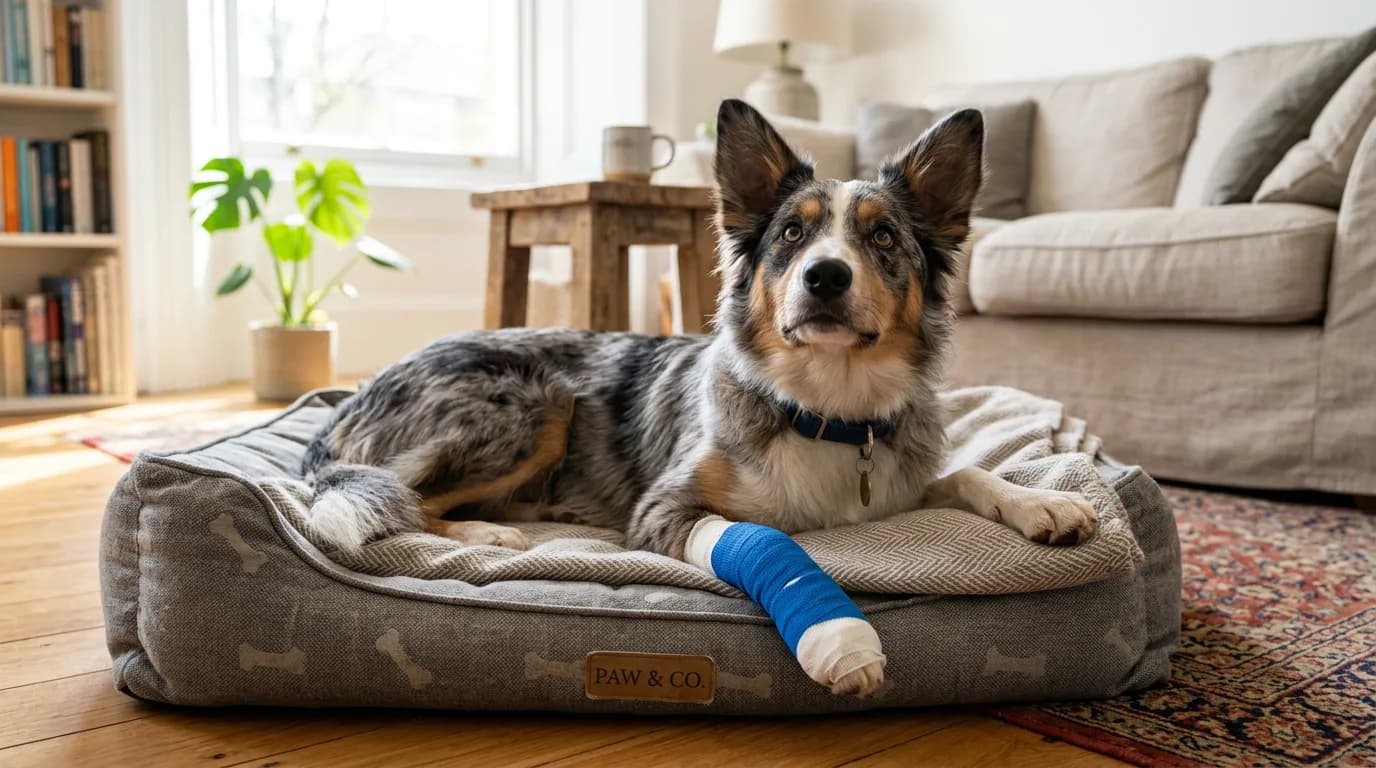
Accident-only pet insurance covers injuries from sudden, unexpected events (broken bones, bite wounds, swallowed objects, toxic ingestions) and nothing else: no illness coverage, no cancer, no chronic conditions. In exchange, it is dramatically cheaper, averaging about $17 per month for dogs and $10 for cats versus $62 and $32 for full accident-and-illness coverage, per NAPHIA industry data. It is the right tool for a narrow set of owners (very senior pets past enrollment age caps, tight budgets, low-illness-risk pets) and the wrong tool for almost everyone else, because illness, not injury, drives most big vet bills. Notably, Lemonade does not sell a separate accident-only plan; its base accident-and-illness policy starts at $10 per month, which for young, small pets can land close to accident-only pricing while covering far more. Here is how to tell which side of that line you are on.
- 1Accident-only pet insurance covers injuries (broken bones, bites, lacerations, swallowed objects, poisonings) but excludes ALL illness, from ear infections to cancer.
- 2It averages about $17/month for dogs and $10/month for cats (NAPHIA industry data), versus roughly $62 and $32 for accident-and-illness plans.
- 3Best fit: very senior pets who no longer qualify for full coverage, strict budgets, and owners who only want catastrophe protection for injuries.
- 4Worst fit: breeds prone to chronic or hereditary illness; illness claims (not accidents) make up most expensive vet bills.
- 5Lemonade skips accident-only entirely; its full accident-and-illness base plan starts at $10/month, sometimes a better deal than a standalone accident plan.

Sign up for expert-backed reviews and safety alerts all in one place.
What Is Accident-Only Pet Insurance?
Accident-only pet insurance is the stripped-down version of pet insurance: it reimburses you for veterinary treatment of injuries caused by sudden, unexpected events, and it covers nothing that develops on its own inside your pet's body. Each carrier defines "accident" in its policy language, but the covered list is consistent across the industry:

Pet insurance
See Lemonade’s accident-and-illness option alongside the accident-only plans you are researching.
- Compare deductible and reimbursement choices
- Review the annual coverage limit
- Check your pet’s price directly on Lemonade
Eligibility, waiting periods, limits and exclusions apply.
Petful may earn a commission when you click through to Lemonade, at no extra cost to you.
- Bite wounds and lacerations (dog park scuffles, cat fights)
- Broken bones and orthopedic injuries from falls or collisions
- Swallowed foreign objects (socks, toys, corn cobs) and the surgery to remove them
- Toxic ingestions: chocolate, grapes, xylitol, medications, poisonous plants
- Fractured teeth from trauma (not dental disease)
- Being hit by a car and similar trauma (traumatic ligament injuries may be covered, depending on policy language)
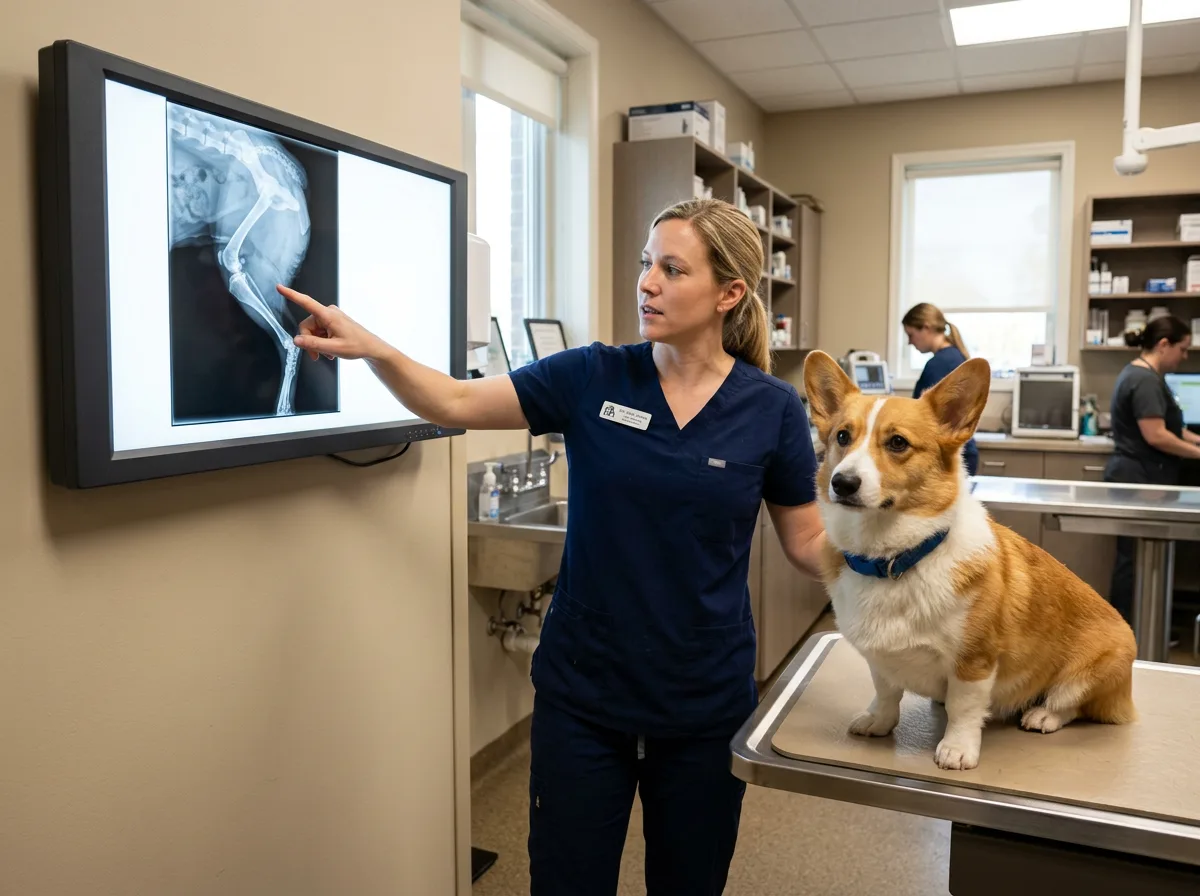
Most accident-only plans also cover the diagnostics attached to a covered accident: X-rays, MRIs, ultrasounds, and blood work needed to treat the injury, plus hospitalization and surgery. As with any pet insurance, you pay the vet up front and the insurer reimburses you after your deductible, at your chosen reimbursement rate.
What Accident-Only Plans Do NOT Cover
The exclusion list is the entire illness universe, and that is the deal-breaker for most owners:
- Illnesses of every kind: infections, allergies, vomiting and diarrhea from disease, diabetes, kidney disease
- Cancer diagnosis and treatment, among the most expensive categories of pet care
- Chronic and hereditary conditions: hip dysplasia, heart disease, IVDD, breed-specific issues
- Dental illness (gingivitis, periodontal disease, non-trauma extractions)
- Preventive and wellness care: vaccines, exams, parasite prevention
- Pre-existing conditions, the same as every other pet insurance plan
Pet insurance
See Lemonade’s accident-and-illness option alongside the accident-only plans you are researching.
- Use your pet’s age, breed and location
- Review the policy choices and total price
- Choose only the optional extras you want
Eligibility, waiting periods, limits and exclusions apply.
Petful may earn a commission when you click through to Lemonade, at no extra cost to you.
- Accidents are dramatic but relatively rare; illness is what actually fills veterinary oncology and internal-medicine waiting rooms. If your pet develops cancer, diabetes, or arthritis on an accident-only plan, you pay 100% of those bills. The premium savings only win if your pet stays illness-free, which is exactly the bet insurance exists to avoid.
How Much Does Accident-Only Pet Insurance Cost?
Cost is the whole pitch. Per NAPHIA industry data, average monthly premiums break down like this:
| Coverage Type | Dogs | Cats |
|---|---|---|
| Accident-only | ~$17/month | ~$10/month |
| Accident and illness | ~$62/month | ~$32/month |
Real quotes spread around those averages. Pets Best advertises accident-only coverage from about $9 per month for dogs and $6 for cats in most states, while sample ASPCA accident-only quotes obtained by Bankrate for a 5-year-old medium mixed-breed dog ranged from roughly $18 to $80 per month depending on the reimbursement limit, percentage, and deductible chosen. Age, breed, and ZIP code move the number the same way they do for full coverage.
Pet insurance
See Lemonade’s accident-and-illness option alongside the accident-only plans you are researching.
- Compare benefits as well as the monthly price
- Review waiting periods and exclusions
- Confirm availability directly with Lemonade
Eligibility, waiting periods, limits and exclusions apply.
Petful may earn a commission when you click through to Lemonade, at no extra cost to you.

Accident-Only vs Accident-and-Illness: The Real Comparison
| Feature | Accident-Only | Accident + Illness |
|---|---|---|
| Injuries (broken bones, bites, swallowed objects) | Covered | Covered |
| Illnesses (infections, diabetes, kidney disease) | Not covered | Covered |
| Cancer treatment | Not covered | Covered |
| Hereditary + chronic conditions | Not covered | Covered (if not pre-existing) |
| Dental illness | Not covered | Add-on or included, by carrier |
| Typical dog premium | ~$17/month | ~$62/month |
| Senior enrollment | Available at almost any age | Age caps at some carriers |
The catch in that comparison: the cheapest accident-and-illness plans overlap with accident-only pricing. Lemonade's base accident-and-illness policy starts at $10 per month (young cats and small mixed-breed dogs quote lowest), with deductibles from $100 to $750 ($1,000 on some policies) and reimbursement of 70% to 90%. If a full plan quotes at $12 and an accident-only plan at $9, the $3 buys you the entire illness universe. Before settling for accident-only on price, quote a budget-tier full plan with a high deductible; the gap is often smaller than the NAPHIA averages suggest. Our guide to whether pet insurance is worth it walks through that math in detail.
Pet insurance
See Lemonade’s accident-and-illness option alongside the accident-only plans you are researching.
- Compare deductible and reimbursement choices
- Review the annual coverage limit
- Check your pet’s price directly on Lemonade
Eligibility, waiting periods, limits and exclusions apply.
Petful may earn a commission when you click through to Lemonade, at no extra cost to you.
Who Should Choose Accident-Only Coverage?
- Owners of very senior pets. Some carriers stop new full-coverage enrollment at advanced ages (Allstate caps it at 15), but accident-only stays available, making it the practical option for a 15-year-old dog. See our guide to pet insurance for older dogs for the age-limit map.
- Owners on a strict budget who want catastrophe-only protection: a $2,000 swallowed-sock surgery hurts a lot less with 80% reimbursed, and $10 to $20 per month is an easy line item.
- Accident-prone but healthy pets: young escape artists, fence jumpers, and counter surfers whose realistic risk profile is trauma, not disease.
- Owners who already self-insure for illness with a dedicated savings fund and want insurance only for sudden emergencies.
Who Should Skip It
- Breeds predisposed to expensive chronic conditions: French Bulldogs, Golden Retrievers, German Shepherds, Cavalier King Charles Spaniels, and similar breeds get the least value, since their predictable risks are illnesses the plan will never cover.
- Owners of middle-aged pets entering the illness years: cancer and organ disease risk rises sharply after age 7, exactly when accident-only protection covers the smallest share of likely bills.
- Anyone who would struggle to pay a $5,000 illness bill out of pocket. If that number scares you, the thing you need insured is illness, not accidents.
What an Accident-Only Claim Pays: Two Worked Examples
Example 1: The swallowed sock
Your 2-year-old Lab mix swallows a sock; surgery, hospitalization, and diagnostics total $4,200. On an accident-only plan with a $250 deductible and 80% reimbursement: $4,200 x 80% = $3,360, minus the $250 deductible = $3,110 reimbursed. Your true cost is $1,090 on a $4,200 emergency, for a plan that might cost $12 a month. This is accident-only insurance working exactly as designed. (One nuance: carriers run the formula differently; some subtract the deductible before applying the reimbursement rate, which shifts the payout slightly.)
Example 2: The limp that became arthritis
Your 8-year-old terrier starts limping. The exam, X-rays, and workup cost $850, and the diagnosis comes back as degenerative arthritis, not an injury. An accident-only plan pays $0: there was no accident, so neither the diagnostics nor the years of arthritis management that follow are covered. The same scenario under an accident-and-illness plan would have been reimbursable. This is the gap that makes accident-only a poor fit for aging pets.
- Torn cruciate ligaments (the dog version of an ACL tear) sit on the line between accident and illness, and carriers treat them differently: some accident-only policies cover a tear from an identifiable traumatic event but deny gradual-onset tears as degenerative. With surgery running $3,000 to $8,000 per knee, read how the policy defines cruciate coverage before you rely on it.
Where Lemonade Fits
Lemonade does not offer a standalone accident-only plan, and for most shoppers that is a feature rather than a gap: its accident-and-illness base policy starts at $10 per month, has no accident waiting period in most states (coverage starts at 12:01 a.m. the day after purchase), and handles roughly 50% of eligible claims instantly through its AI claims flow, with most others processed within 5 days. If you were drawn to accident-only mainly for the price, quote the full plan first; if you were drawn to it because your pet aged out of full coverage elsewhere, compare carriers without upper age limits before settling. Read the full Lemonade pet insurance review for pricing, coverage, and the trade-offs.
How to Decide in Four Questions
- Quote both. Get an accident-only quote and a high-deductible accident-and-illness quote for your actual pet. The real gap is often $10 to $30 per month, not $45.
- Price your pet's illness risk. Young healthy mixed breed? Accident-only is defensible. Purebred with known breed risks, or any pet past age 7? The gap coverage matters.
- Check the waiting periods and fine print: what counts as an "accident," per-claim caps, and whether cruciate ligament injuries are covered or carved out. Our waiting periods guide covers what starts when.
- Re-evaluate at renewal. Accident-only as a stopgap during a tight year beats dropping coverage entirely, and you can usually upgrade later (new conditions diagnosed in between will be pre-existing, though).
It is worth it for a narrow group: very senior pets who no longer qualify for full coverage, owners on strict budgets who want injury-catastrophe protection at $10 to $20 per month, and healthy accident-prone pets. For most pets, especially breeds prone to chronic illness or any pet past age 7, accident-and-illness coverage is worth the extra cost because illness drives most large vet bills.
Pets Best is the most prominent budget option, advertising accident-only plans from about $9 per month for dogs and $6 for cats in most states. ASPCA Pet Health Insurance and AKC Pet Insurance also sell well-known accident-only plans. Lemonade does not sell one; its full base plan from $10 per month is its budget answer. Compare per-claim caps, deductibles, and what each policy counts as an "accident" before choosing.
Usually a short one. Accident coverage waiting periods across the industry run from none to about 14 days; accident-only plans sit in the same range, with a few carriers starting coverage the day after enrollment. There is no illness waiting period to worry about because illness is simply not covered.
Yes. Most carriers that sell accident-only plans cover cats, and it is among the cheapest pet insurance that exists: roughly $10 per month on average, with budget carriers advertising cat plans around $6. The same trade-off applies, though; most expensive feline vet care (kidney disease, hyperthyroidism, dental disease) is illness, which accident-only plans never cover.
About $17 per month for dogs and $10 for cats on average, per NAPHIA industry data, with real quotes ranging from under $10 to about $80 depending on age, breed, location, and the limits you choose. That compares with roughly $62 (dogs) and $32 (cats) for average accident-and-illness coverage.
Sudden, unexpected, externally caused events: bite wounds, broken bones, cuts and lacerations, swallowed objects, toxic ingestions, fractured teeth from trauma, and injuries from falls or vehicles. Each policy defines the term precisely, and disputes happen at the margins (a torn cruciate ligament can be argued either way), so read the definition and the exclusions in the sample policy before you buy.
Bottom line: accident-only pet insurance is a useful niche product being sold as a budget alternative. Use it deliberately (senior pets, strict budgets, true catastrophe-only goals) and quote a cheap full-coverage plan first, because the best accident-only plan may be a full plan that costs a few dollars more.

Coreen Saito is a pet writer and longtime shelter volunteer with more than a decade in animal rescue. She covers cat behavior, breed care, and the small, ordinary science of sharing a life with companion animals, with a particular focus on honest takes about the products and decisions that actually matter. At home in Arizona, she's outranked by Mac (a dog with the loudest opinion in the house), Rebel (a cat who governs by quiet authority), and Meri (an orange tabby who runs the late shift and the laundry basket). She writes about all three, plus the rescues that keep coming through her life, at LifeWithMinty.com.
Sign up for expert-backed reviews and safety alerts all in one place.
A Final Word (Disclaimer)
At Petful, our review integrity is paramount; we never exchange special treatment in our reviews for monetary or material rewards.
Nonetheless, when our readers click through to online merchants (including Chewy or Amazon), we receive a referral commission. This supports the running of our free blog, and we appreciate your backing.