Is The Farmer’s Dog Safe? A Veterinarian Explains What Dog Parents Should Know
Is The Farmer’s Dog safe for daily feeding? Learn how human-grade ingredients, USDA-inspected kitchens, and vet-formulated recipes support dog safety.

Petful is reader supported. As an affiliate of platforms like Amazon and Chewy, we may earn a commission when you buy through links on this page. There is no extra cost to you.
Fresh-food subscriptions continue to surge, prompting many dog parents to ask one essential question: “Is The Farmer's Dog safe for daily feeding?” Based on available safety data, veterinary formulation oversight, and manufacturing standards, The Farmer’s Dog is a safe, everyday diet for healthy adult dogs. The brand prepares human-grade, gently cooked, pre-portioned meals in USDA-inspected kitchens and delivers them fresh through a controlled cold chain. For more, see Petful’s guide to gently cooked dog food.
As interest in minimally processed diets grows, questions like “Is fresh dog food safe?” remain essential, and The Farmer’s Dog offers a structured, transparent approach that supports consistent safety from sourcing to delivery.

Sign up for expert-backed reviews and safety alerts all in one place.
What Makes a Dog Food “Safe”?
A few core criteria help dog parents assess diets, support informed answers to questions like “Is The Farmer's Dog safe?”, and provide a reliable framework for evaluating dog food brands. For more, see Petful’s guide to the Farmer’s Dog lawsuit.
Build a Golden Child meal plan personalized for your dog.
- Fresh-frozen Mains
- Optional functional Drizzles
- Personalized portions and delivery
- Offer auto-applies through Petful’s link
Confirm PAW20 and the final total at checkout. Terms may change.
Petful may earn a commission when you use this link.
- Ingredient quality & sourcing: Ingredients sourced from reputable suppliers and handled under strict standards support consistent nutritional safety.
- AAFCO nutritional adequacy: Diets formulated to meet AAFCO profiles deliver balanced nutrients for the intended life stage.
- Manufacturing standards: Each recipe blends human-grade meat and vegetables, and the term human-grade refers not just to the ingredients but also to where and how the food is made. Per AAFCO guidelines, The Farmer’s Dog is produced in facilities licensed for human food, a standard very few pet foods meet.
- Pathogen control: Carefully prepared or properly processed diets help alleviate concerns about “Is fresh dog food safe?” by minimizing the risk of bacterial contamination.
- Recall history: A clear recall record and transparent disclosure reflect strong safety monitoring and responsible quality control.
Together, these criteria support a practical, objective approach to assessing overall diet safety.
Start Your Pooch on The Farmer's DogIs The Farmer’s Dog Safe? A Deep Dive Into Their Standards
Yes, The Farmer’s Dog is safe. A closer look at core safety standards helps clarify the answer to “Is the farmer's dog safe?” from ingredient selection to manufacturing oversight.
Ingredient Quality
These points outline how the brand approaches whole-food sourcing.
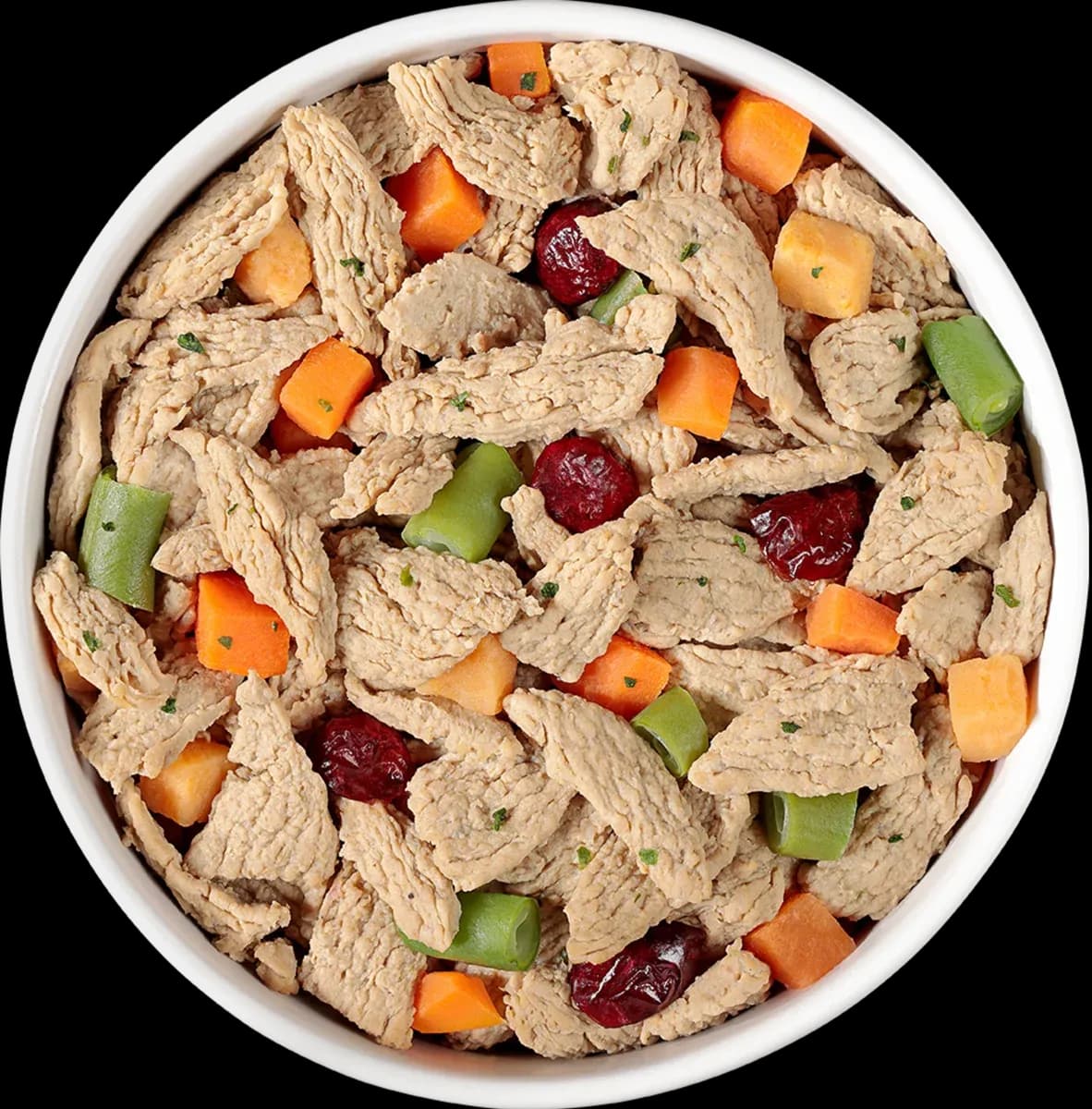
Build a personalized Freshpet meal plan and have fresh food delivered on a recurring schedule.
- Personalized meal plans for your dog
- Fresh meals delivered to your door
- Recipes designed by veterinary nutrition experts
Freshpet affiliate link
Petful may earn a commission when you click through to Freshpet, at no extra cost to you.
- Human-grade ingredients: Meats and vegetables processed under human-food standards for consistent handling and quality.
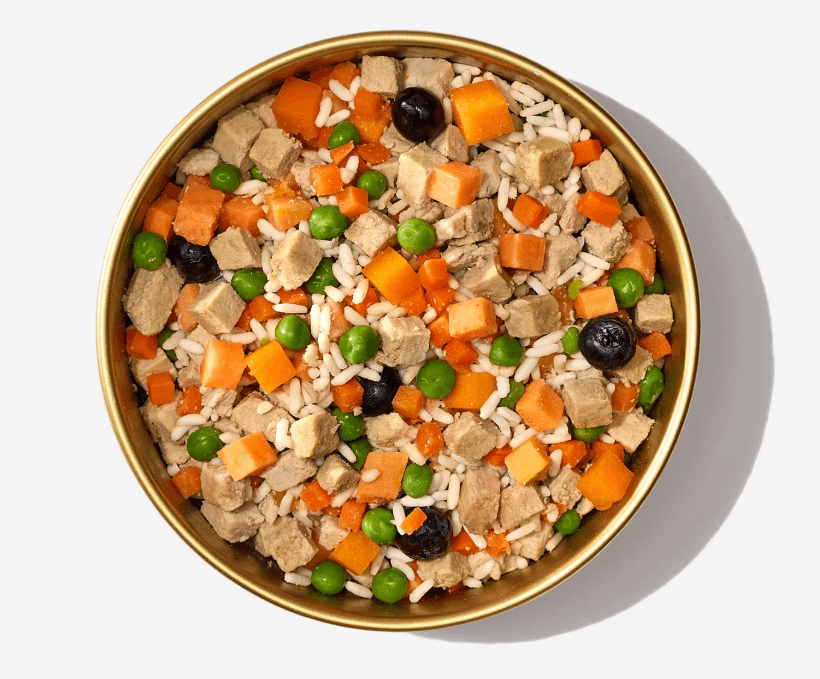
- Whole-food recipes: Formulas built around recognizable ingredients such as meat, vegetables, and lentils. Each recipe is made with a single protein and does not contain meat meal or any harmful byproducts.
- No preservatives or fillers: Recipes are free from artificial additives and fillers for a clean-label formulation. Without preservatives, the food has a shorter shelf life once thawed (about four days in the fridge) and must be stored frozen.
Formulation & Nutrition
This summary reflects the brand’s nutritional development process.
- Veterinary nutritionist oversight: Diets formulated with board-certified veterinary nutritionists.
- AAFCO compliance: Recipes balanced to meet AAFCO nutrient profiles for the appropriate life stage.
- Feeding trial disclosure: The Farmer's Dog formulates recipes to meet AAFCO Dog Food Nutrient Profiles and confirms adequacy through feeding trials with Cornell University, with diets developed by veterinary nutritionists to meet or exceed these standards for all life stages.
Manufacturing & Safety Protocols
These standards support safety expectations commonly discussed in “Is fresh dog food safe?” evaluations.
Veterinarian-founded fresh food for dogs and cats. Human-grade, gently cooked meals built on Traditional Chinese Veterinary Medicine. Five elemental formulas, shipped frozen, 20% off your first box.
Petful may earn a commission when you click through to Chi Dog, at no extra cost to you.
- USDA-inspected kitchens: Production in facilities that follow human-food regulations, sanitation controls, and traceability requirements.
- Gently cooked preparation: Light cooking designed to lower pathogen risk while preserving ingredient integrity.
- Portioning and packaging: Meals prepared, cooled, portioned, and sealed to maintain product safety and consistency.
- Cold-chain safety: Storage and shipping are maintained under refrigerated or frozen conditions to limit bacterial growth.
Recall History & Transparency
These indicators help assess ongoing brand accountability.
- Recall status: No FDA-issued recalls reported for The Farmer’s Dog.
- Monitoring resources: There are no The Farmer’s Dog recalls to date at Petful’s PetRecalls.com database.
- Transparency standards: The brand provides complete ingredient lists for each recipe, identifies human-grade suppliers, and outlines its reliance on whole meats and vegetables rather than rendered products or artificial additives, with batch testing performed to confirm safety before meals enter the cold chain. This level of disclosure supports informed decision-making and strengthens overall confidence in brand oversight.
Together, these standards provide a structured framework for overall product safety and quality control.

The Farmer’s Dog vs. Traditional Kibble
Fresh diets and kibble differ in processing, storage needs, and pathogen control, which often drives questions such as “Is fresh dog food safe?”
Fresh meals from The Farmer’s Dog are gently cooked, contain no artificial preservatives, arrive frozen, and must stay that way until it is time to feed. and require careful refrigeration to ensure safety after delivery. In contrast, kibble is shelf-stable due to high-heat extrusion and added preservatives, which compromise ingredient integrity. The gentle cooking method used by The Farmer's Dog eliminates harmful bacteria, making it safer than raw diets. On the other hand, kibble’s processing also destroys pathogens, but at the cost of ingredient quality.
A vet-channel adult-maintenance kibble backed by AAFCO feeding trials. Leaner protein and fat than many competitors at a comparable price.
Petful may earn a commission when you click through to Chewy, at no extra cost to you.
These contrasts help frame ongoing discussions around “Is The Farmer's Dog safe?” and highlight the practical differences dog parents weigh when comparing feeding options.
Which Dogs May Benefit From The Farmer’s Dog?
All dogs benefit from lightly cooked, whole-food diets, which supports the ongoing interest in whether the farmer's dog is safe for everyday feeding.
- Dogs with sensitive stomachs: Whole-food formulations and gentle cooking support easier digestion and steady stool quality.
- Picky eaters: Fresh meals offer stronger natural aroma and flavor, encouraging consistent intake.
- Dogs needing weight management: Pre-portioned packs assist with precise calorie control and structured feeding.
- Dogs with food sensitivities: Limited-ingredient recipes support dietary elimination efforts under veterinary supervision.
Veterinary consultation remains essential, especially for dogs with medical conditions.
Potential Downsides or Safety Considerations
Several practical considerations help frame discussions around “Is the farmer's dog safe?” and how fresh food differs from shelf-stable diets.
- Refrigeration and freezer needs: Fresh meals require consistent cold storage from delivery through feeding.
- Faster spoilage: Opened packs spoil sooner than kibble because there are no artificial preservatives to extend shelf life.
- Higher cost: Pricing exceeds most traditional dry diets due to human-grade sourcing and production standards.
- Storage and delivery risks: Temperature fluctuations during home handling or transport introduce avoidable safety concerns relevant to “Is fresh dog food safe?”
- Transition needs: A gradual introduction supports steady digestion and reduces gastrointestinal stress.
These points help clarify the realistic responsibilities tied to feeding a fresh, gently cooked diet.
So, Is The Farmer’s Dog Safe?
Yes, based on available evidence, The Farmer’s Dog stands as a safe daily diet for healthy adult dogs. Strong ingredient sourcing, lightly cooked whole-food recipes, involvement of a board-certified veterinary nutritionist, and production in USDA-inspected kitchens support a favorable safety profile with no major red flags in the recall history.
Practical safety still depends on proper storage, thawing, and feeding practices at home, which often guides conversations around “Is The Farmer's Dog safe?” and broader concerns linked to “Is fresh dog food safe?” Veterinary guidance remains essential for dogs with underlying medical conditions or specialized nutritional needs.
Shop for The Farmer's DogFAQ’s About The Farmer’s Dog
Some recipes comply with AAFCO “all life stages” standards, which support the growth of puppies. Veterinary guidance is crucial for tailored nutrition decisions, especially regarding whether “The Farmer's Dog” is safe for younger dogs.
No FDA recalls have been issued for this brand's history. You can find current updates through Petful's PetRecalls.com database.
Human-grade status reflects stricter ingredient sourcing and facility standards, not inherent nutritional superiority. Fresh, lightly cooked diets support discussions about “Is fresh dog food safe?” and meet safety expectations when handled correctly.
Digestive upset occurs during abrupt diet shifts, not from the food itself. Gradual introduction supports gut stability and reduces stool disruption.
Opened packs stay fresh for about 3 to 4 days under proper refrigeration.
Yes, whole-food ingredients, veterinary nutritionist formulation, and USDA-inspected kitchens support a favorable safety profile, reinforcing the common interest in “Is the farmer's dog safe for long-term use?”
Feature image: Photo by MART PRODUCTION/Pexels
Second image: Photo by Julissa Helmuth/Pexels
A Final Word (Disclaimer)
At Petful, our review integrity is paramount; we never exchange special treatment in our reviews for monetary or material rewards.
Nonetheless, when our readers click through to online merchants (including Chewy or Amazon), we receive a referral commission. This supports the running of our free blog, and we appreciate your backing.
For additional information, kindly refer to our Disclaimer and Discourse Section.

DVM
Athena Gaffud, DVM, is a board-certified veterinarian and writer based in the Cagayan Valley of the northern Philippines. She runs the website countryvetmom.com Dr. Gaffud earned her Doctor of Veterinary Medicine degree from the University of the Philippines Los Baños in 2011, ranking in the top 10 and receiving the Best Undergraduate Thesis Award in Large Animals. With over a decade of experience, she has worked as a researcher, a practitioner for small and large animals, and in veterinary technical sales, marketing, and pet insurance. A published author, Dr. Gaffud promotes responsible pet ownership and combats misinformation on animal care through her platforms, including the DocAthena Facebook Page and DocAthena YouTube channel. She is a writer and editor for various pet-related websites such as Total Vet, Honest Paws, PangoVet, Dogster, Catster, My Best PH, Paw Origins, Bully Max, Not a Bully, Paws and Claws CBD, many others. She was also cited in different pet-related media articles such as The Dog People, USA Today, Newsweek, New York Post, Reader’s Digest, Smithsonian Magazine, Woman’s World, Dog Time, Patch, Kinship, Martha Stewart, and many others. Moreover, she is also a published fiction author on Kindle.
Sign up for expert-backed reviews and safety alerts all in one place.