How Is Dog Food Made? Learn the Secret
In today’s world of pet parenting, asking, "How is dog food is made?" helps ensure your furry friend gets the best nutrition. From kibble and wet food to freeze-dried and homemade options, each process highlights safety, quality, and your dog's health needs.


In recent years, society has examined our diets to understand better what we’re putting into our bodies. This popular movement to better understand food and the manufacturing processes behind what we eat has unsurprisingly translated into the world of pet parenting, where modern pet parents must navigate a seemingly endless array of dog food products.
As pet parents look to choose the dog food that’s best for their fur family, we’ll demystify and answer the question ‘How is dog food made?’ so you can make an informed decisions for your pups.

Sign up for expert-backed reviews and safety alerts all in one place.
How Is Dog Food Made? Types and Processes
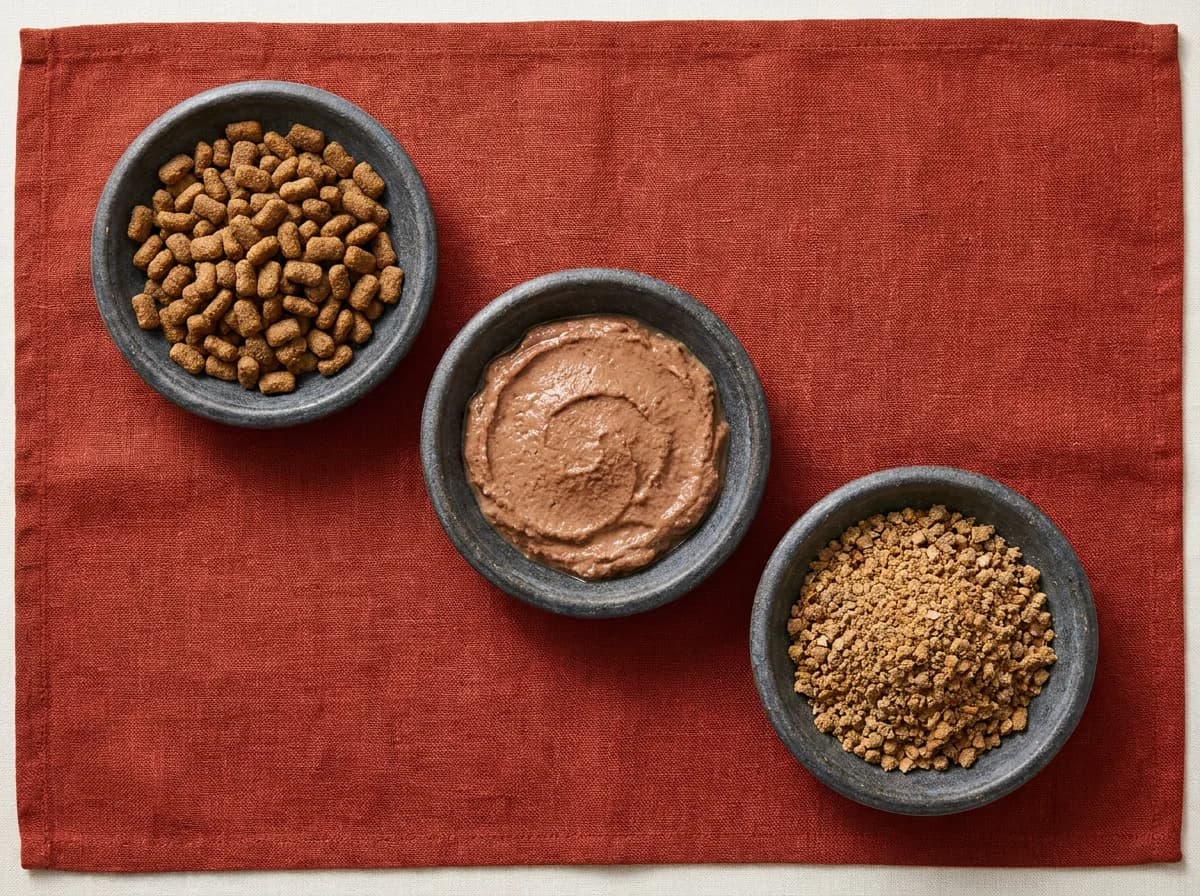
Dog food is available in multiple formats, including kibble (dry dog food), wet, freeze-dried, air-dried, and custom or homemade options.
Kibble (Dry Dog Food)
Kibble may be the dog food format with which most pet parents are familiar. Kibble is simply dry dog food.
The dry pet food manufacturing process has several steps. It begins with mixing dry and wet ingredients to form a dough. That doughy mixture then undergoes an extrusion process, which is cooked under pressure.
Following extrusion, the dough is cut into small pellets, then air dries in an oven to remove moisture fully. After the mixture is cool and dry, it is coated with vitamins, minerals, and flavor enhancers (usually in fats that aid dog food palatability). Now you know how kibble is made.
Wet Dog Food
So how is dog food made when it's wet? Wet dog food is typically found in a can, tray, or pouch and has a softer (wet) texture.
Wet dog food is made by taking the core recipe mix and blending it. Additional ingredients may also be added, including oils, vitamins, minerals, grains, and vegetables. The final texture may also be combined with water, other flavors, or thickening agents. Once the blend is created, it is sealed and put into a can, tray, or pouch, where it cooks and remains shelf-stable until opening.
Freeze-Dried Dog Food
Freeze-dried dog food is made by chopping raw ingredients – typically a mix of animal proteins and some mix of produce - and flash-freezing them. Following freezing, moisture is then removed through a process called sublimation. Once all moisture is removed, the ingredients are packed and sealed.
Freeze-dried raw dog food has some benefits, as the process maintains the nutritional integrity of the ingredients throughout the process while creating a shelf-stable product.
Air-Dried Dog Food
Like freeze-dried dog food, air-dried dog food uses raw ingredients and removes the moisture from it to preserve the nutritional integrity of the recipe. The primary difference between the two, however, is that air-dried dog food removes moisture via a low-heat air-dry process rather than a flash freeze and sublimation.
Air-dried dog foods are typically minimally processed, leaning on the process to naturally preserve the ingredients.
Custom or Homemade Dog Food Options
This dog food format is exactly what the name implies – home-prepared meals. Typically, pet parents cooking at home may prepare their pet’s meals using a mix of animal proteins, fruits, vegetables, grains, and more. In turn, recipes can vary wildly.
Homemade dog food preparation can pose challenges in maintaining proper balanced nutrition for your dog, as a canine’s nutritional needs differ greatly from ours.
Common Ingredients Used in Dog Food
Most commercial dog foods contain similar ingredients, which typically include:
- Proteins: Chicken, beef, turkey, fish, or lamb rank among the most oft-used animal proteins, while some plant-based alternatives like peas may also be used.
- Carbohydrates: Carbohydrates provide energy and fiber. Rice, potatoes, sweet potatoes, and other grains can often be found on dog food ingredient lists.
- Fats and Oils: Fats – like omega-3s and omega-6s – can come from meats, poultry, or fish.
- Vitamins and Minerals: A mix of vitamins and minerals that help support organ function, eye health, skin, immune, digestive health, and more.
- Additives and Preservatives: A mix of natural and artificial preservatives that slow the breakdown of food so it maintains its nutritional value longer.
Quality Control and Safety Measures
To understand how dog food is made, it is important for pet parents to know that manufacturers follow specific steps to ensure products are both safe and nutritious. The FDA (Food and Drug Administration) will inspect to ensure manufacturers follow standard quality practices. Those steps include:
- Ingredient Sourcing: Reputable manufacturers ensure they are sourcing high-quality ingredients for their recipe blends. Typically, they have strong relationships with trusted ingredient suppliers who are transparent and communicative in what they provide, including factors like sustainability and scalability of their ingredients.
- Testing and Certification: The AAFCO is widely recognized as the body that guides state, federal, and international animal feed regulators with ingredient definitions, label standards, and lab standards.
- Production Standards: Makers of dog food ensure they operate in clean, regulated production environments.
- Label Transparency: Reputable food producers ensure their dog food labels note all the ingredients used and are easy to read and understand.
Tips for Choosing High-Quality Dog Food
Choosing the right dog food is a personal decision, but some guidance that may help that decision includes:
- Consider Your Dog’s Needs: All dog food recipes are different. Consider your dog’s breed, age, size, and pre-existing health conditions (like allergies).
- Check for Certifications: To maintain proper nutrition, you should ensure the dog food you’re looking at has undergone testing and certification by the AAFCO.
- Read the Label: Look for ingredients (like specific animal proteins or plant alternatives) you may or may not want to give your dog.
- Research the Brand: Do your research. Have veterinarians or other nutritional experts reviewed the brand you’re considering? Do they meet AAFCO standards? Have they been well-received by other pet parents?
A high-quality dog food is the foundation for a healthy and happy dog. While there is no shortage of dog food options, knowing how dog food is made can make the decision easier. As always, pet parents should consult their veterinarian and lean on their vet to help make the right choices.
Feature image: Photo by Karsten Winegeart on Unsplash

Ryan Karpusiewicz is a writer based out of Long Island with a passion for the health and wellbeing of animals. He has produced content across the pet industry, including with NBCUniversal and Great Pet Care. Aside from writing, his passions include travel, sports fandom, and spending time with his wife, daughter, and rescue dog, Wally.
Sign up for expert-backed reviews and safety alerts all in one place.