Can Cats Eat Dog Food? An Expert Explains
Can cats eat dog food? While an occasional nibble might not seem harmful, dog food lacks the essential nutrients cats need to thrive. Discover why dog food isn’t suitable for felines, the risks of regular consumption, and practical tips to prevent this behavior.

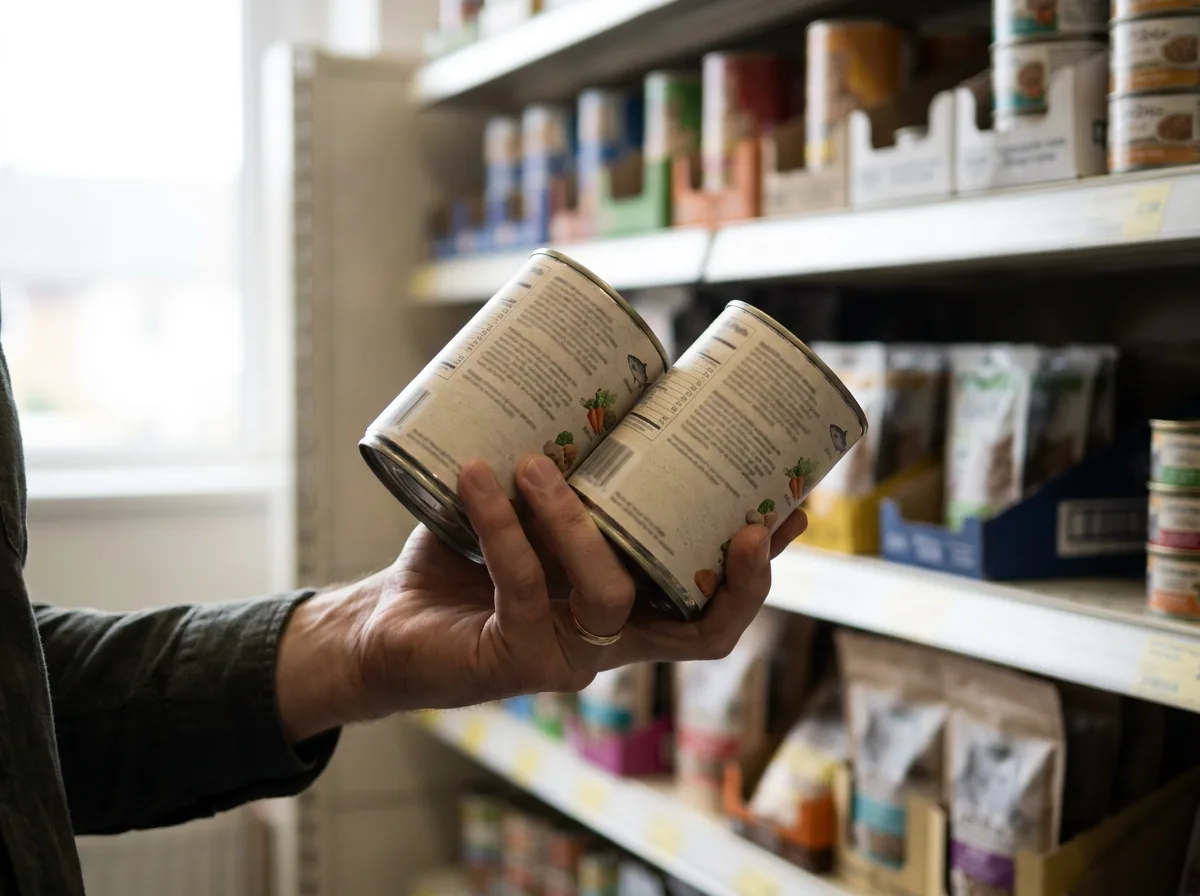
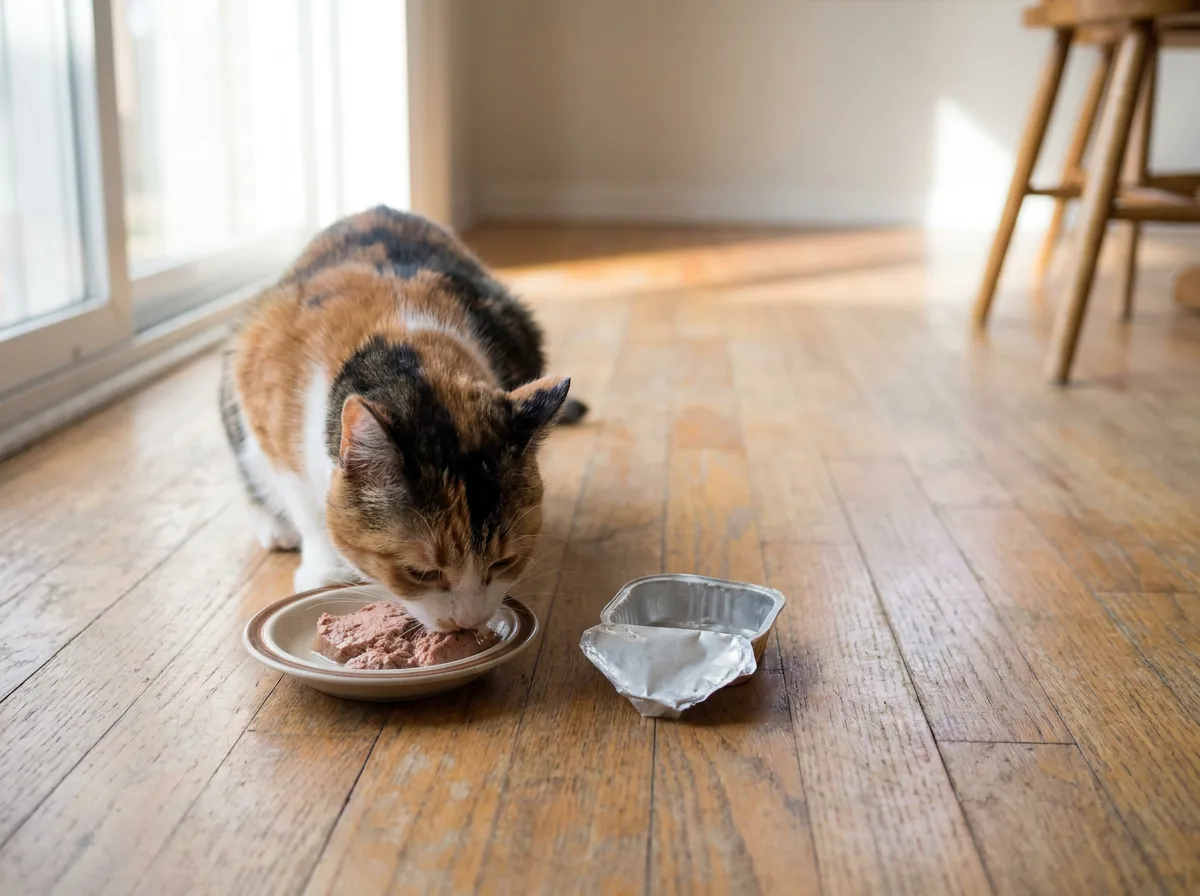
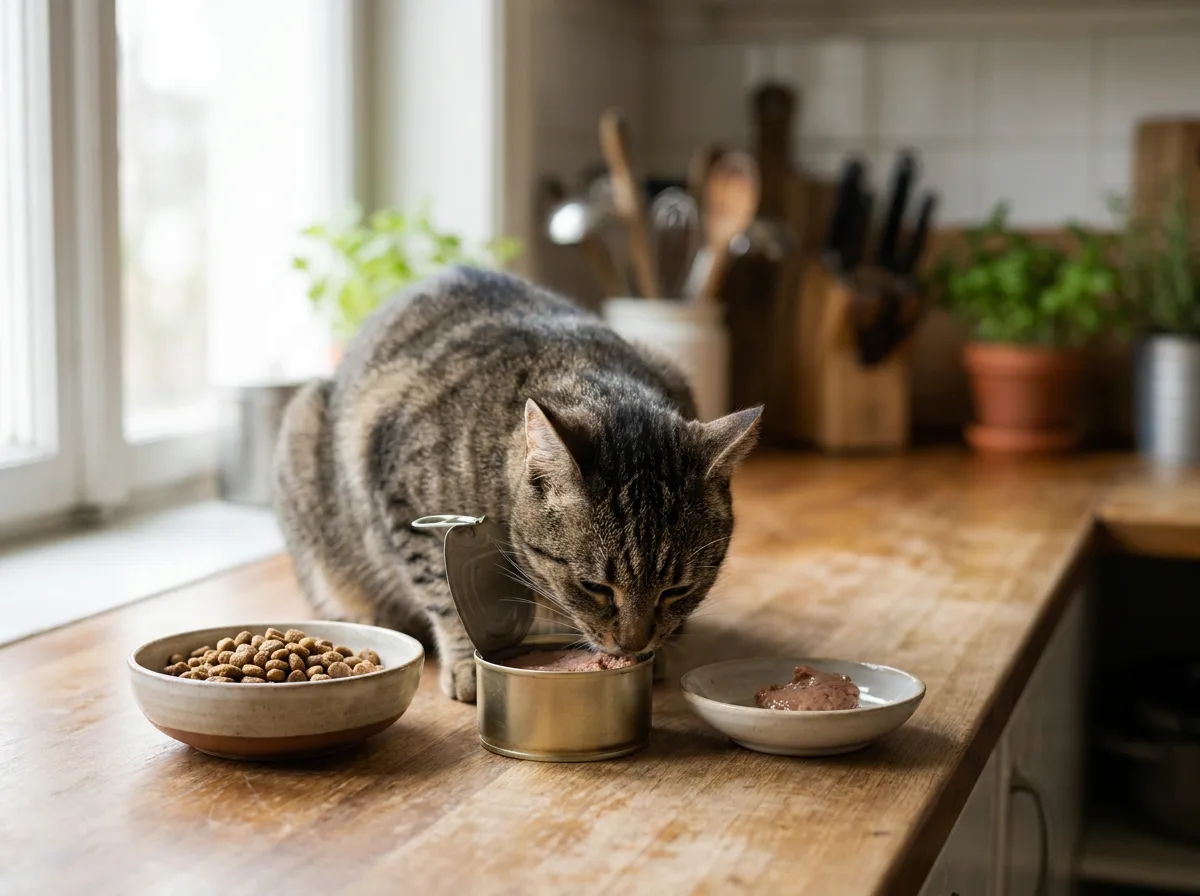
Has your cat occasionally munched on your dog's food? While this might seem harmless, many cat parents wonder, "Can cats eat dog food?" It's not uncommon for cats to sneak a bite of dog food out of curiosity or simply because it's available.

However, it's important to remember that dog food is specifically formulated for dogs and does not meet the unique nutritional needs of cats. Regularly consuming dog food can lead to serious health issues for your cat. This article explores why cats are tempted to eat dog food, the associated risks, and how to prevent this behavior to ensure your cat stays healthy and happy.

Sign up for expert-backed reviews and safety alerts all in one place.
Why Cats Eat Dog Food
If you’ve ever wondered, “Why do cats eat dog food?” the reasons are often simple and instinctive. Cats might be drawn to dog food for several reasons, even though it isn’t designed to meet their unique nutritional needs. Here's why your feline friend might sneak a bite:
- Convenience: If the dog’s food is left out and easy to access, your cat might eat it simply because it’s there.
- Taste and Texture: Some cats find the flavor or texture of dog food appealing, especially if it’s soft or moist. This can lead to questions like, “Can cats eat wet dog food?”
- Curiosity: Cats are naturally inquisitive and may sample dog food to explore something new, even if it’s not meant for them.
- Hunger or Limited Options: If your cat is extra hungry or their food isn’t available, they might turn to the nearest option.
While a curiosity-driven taste test does not cause immediate harm, what happens if a cat eats dog food regularly? Is Dog Food Bad for Cats?
Yes, dog food is bad for cats. While occasional dog food nibbles do not immediately harm your cat, regular consumption leads to nutritional deficiencies and health problems. Some reasons why dog food isn't a suitable choice for your feline friend are listed below.
- Nutritional Deficiencies: It's important to note that cat nutritional requirements are distinct from those of dogs, and dog food formulations do not meet the dietary needs of cats. Taurine, vitamin A, and arachidonic acid are essential nutrients that play vital roles in maintaining feline health and well-being.
Prolonged consumption of dog food leads to serious health issues, such as heart disease, vision problems, and a weakened immune system.
- Protein Content Differences: Cats are obligate carnivores, meaning they need more protein than dogs. Dog food typically contains lower protein levels, so it doesn't provide the essential building blocks cats need for muscle maintenance and overall health. A lack of adequate protein leads to weakness, poor coat condition, and other health Concerns.
- Digestive Upset: Eating dog food causes gastrointestinal discomfort for some cats. Their digestive systems are designed for different types of food, and consuming dog food leads to vomiting, diarrhea, or stomach upset. Even if your cat eats dog food occasionally, you might notice these symptoms, which indicate that their digestive system isn't handling it well.
- Harmful Additives: Certain ingredients commonly found in dog food can harm cats. Notably, garlic and onion powder in some dog foods are toxic to felines and lead to serious health issues, such as anemia. Even small quantities of these ingredients pose significant risks to a cat's health and well-being. Pet owners must know this and continuously check pet food ingredients to ensure their cats' safety.
Can Cats Eat Dog Food Occasionally?
Yes, cats can eat dog food occasionally. If your cat nibbles on dog food sometimes, it's not likely to cause immediate harm. A small, one-time ingestion of dog food does not lead to serious issues, but it's not something you should let your cat make a habit of. Over time, consistently eating dog food leads to nutritional imbalances and other health complications.
Monitoring your cat's behavior after they consume dog food is essential. Look for any signs of digestive issues, including vomiting or diarrhea. If these symptoms continue, you should contact your veterinarian for guidance. While an occasional small amount of dog food is unlikely to cause harm, it is important to discourage this behavior to prioritize your cat's health and well-being.
How to Prevent Cats from Eating Dog Food
To keep your cat safe and healthy, some practical steps to prevent them from eating dog food are listed below.
- Feed Pets Separately. To avoid the temptation, create distinct feeding areas for your dog and cat. Place the dog's food bowl in a location difficult for your cat to reach, such as on a raised platform or in a separate room, ensuring your cat cannot easily access it.
- Remove Uneaten Food. Always clear any leftover dog food after mealtime. Leaving food out increases the chance that your cat wanders and snacks. Removing leftovers also helps keep the dog's food fresh and free from contamination.
- Choose Cat-Safe Storage Solutions. Store dog food in sealed containers or cabinets your cat cannot access. Proper storage helps prevent your cat from sneaking bites of dog food when you're not looking.
- Offer Balanced Nutrition. Ensure your cat eats high-quality, nutritionally complete cat food. When cats feel satisfied with their food, they're less likely to be tempted by the dog's food.
- Training and Supervision. Reinforce boundaries and supervise feeding times to ensure your cat doesn't sneak into the dog's bowl. With time and consistent training, your cat eventually learns to avoid the dog's meals.
When to Contact Your Vet
It is crucial to consult a veterinarian when a cat exhibits signs of illness after consuming dog food, such as vomiting, diarrhea, lethargy, or a diminished appetite.
These symptoms suggest that the dog food is unsuitable for the cat's digestive system or lacks essential nutrients. Furthermore, if a cat begins to consume dog food regularly or demonstrates compulsive behavior around it, this indicates an underlying issue.
It is also essential to be vigilant if your cat refuses their food or shows signs of nutritional deficiencies—such as weight loss, a dull coat, or increased lethargy—as these signal a need for veterinary attention.
Conclusion
In conclusion, while it's common for cats to sneak a bite of dog food, it's important to remember that dog food is unsuitable for cats due to their unique nutritional needs. Cats require specific nutrients like taurine and high protein levels, which dog food does not provide.
While occasional ingestion does not usually cause immediate harm, consistent dog food consumption leads to serious health issues, such as nutritional deficiencies and digestive problems. Taking preventive measures to keep your cat safe and healthy is essential. Feeding pets separately and providing your cat with a high-quality, nutritionally complete diet is vital to responsible pet care. If you notice any signs of illness or changes in behavior, consult a veterinarian to ensure your cat's well-being.
Photo by Paul Hanaoka on Unsplash

DVM
Athena Gaffud, DVM, is a board-certified veterinarian and writer based in the Cagayan Valley of the northern Philippines. She runs the website countryvetmom.com Dr. Gaffud earned her Doctor of Veterinary Medicine degree from the University of the Philippines Los Baños in 2011, ranking in the top 10 and receiving the Best Undergraduate Thesis Award in Large Animals. With over a decade of experience, she has worked as a researcher, a practitioner for small and large animals, and in veterinary technical sales, marketing, and pet insurance. A published author, Dr. Gaffud promotes responsible pet ownership and combats misinformation on animal care through her platforms, including the DocAthena Facebook Page and DocAthena YouTube channel. She is a writer and editor for various pet-related websites such as Total Vet, Honest Paws, PangoVet, Dogster, Catster, My Best PH, Paw Origins, Bully Max, Not a Bully, Paws and Claws CBD, many others. She was also cited in different pet-related media articles such as The Dog People, USA Today, Newsweek, New York Post, Reader’s Digest, Smithsonian Magazine, Woman’s World, Dog Time, Patch, Kinship, Martha Stewart, and many others. Moreover, she is also a published fiction author on Kindle.
Sign up for expert-backed reviews and safety alerts all in one place.