Beauceron Breed Profile: Essential Facts
The Beauceron is an old breed from France and is known for a tireless work ethic. They are also versatile working dogs capable of many jobs and tasks.
- AKC Group: Herding
- Weight: 70–110 lbs.
- Height: 24–27.5 in.
- Life Span: 10–12 years

Sign up for expert-backed reviews and safety alerts all in one place.
Key Characteristics
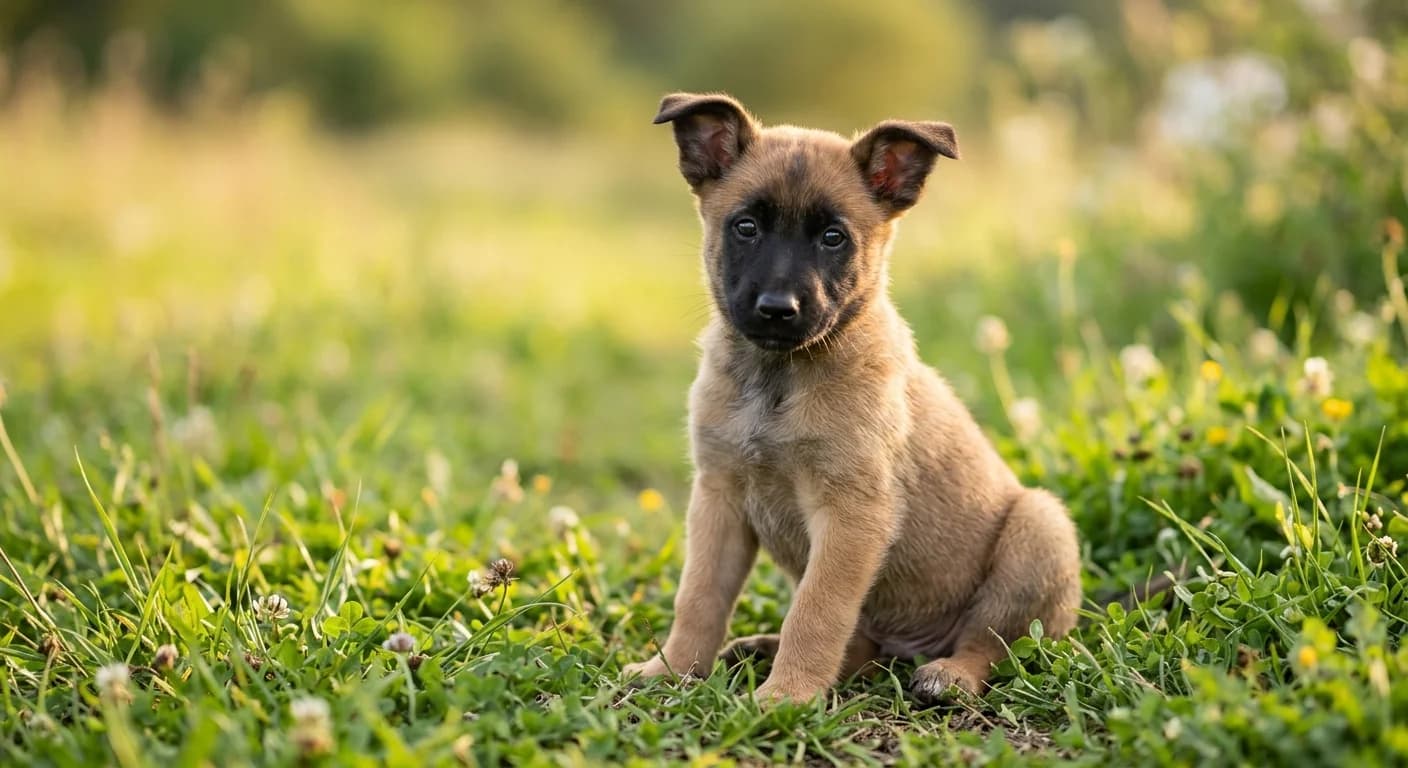
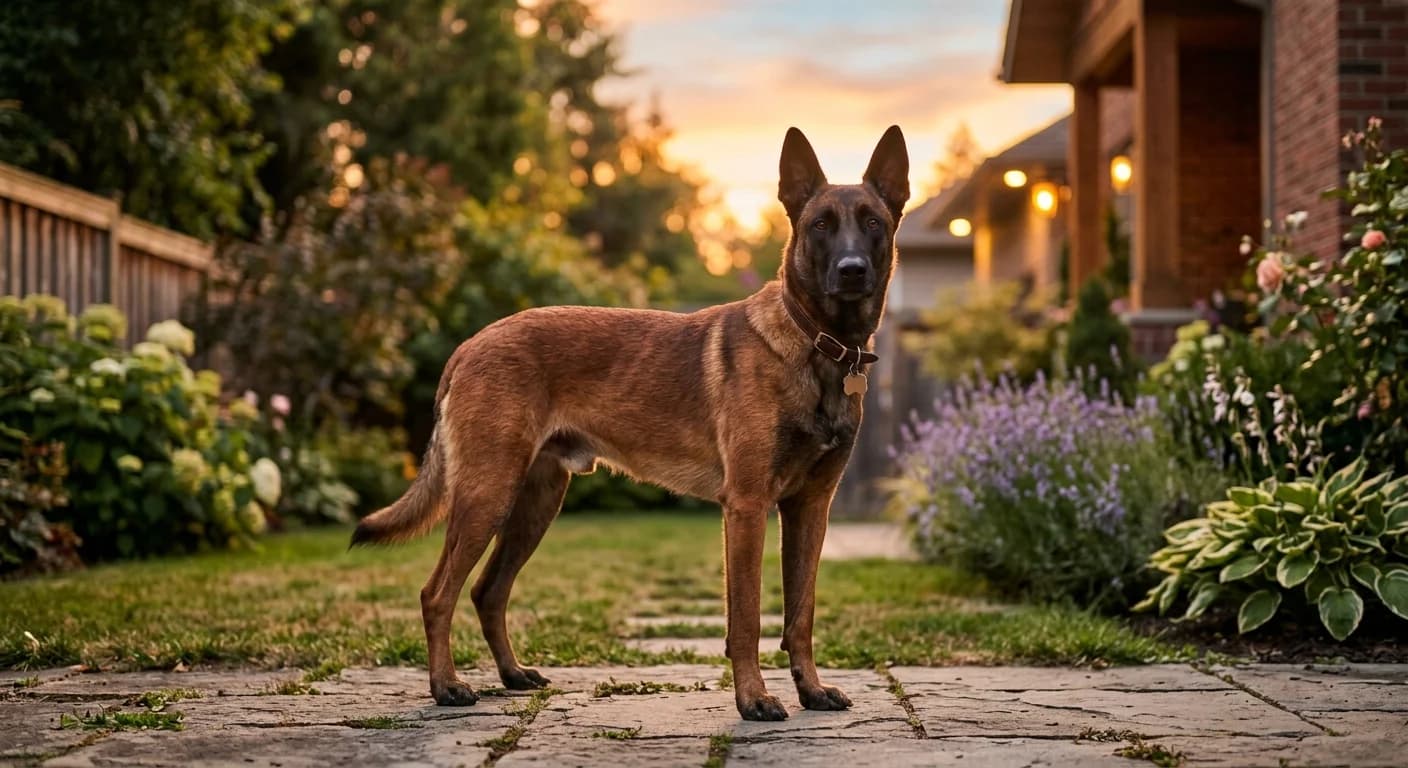
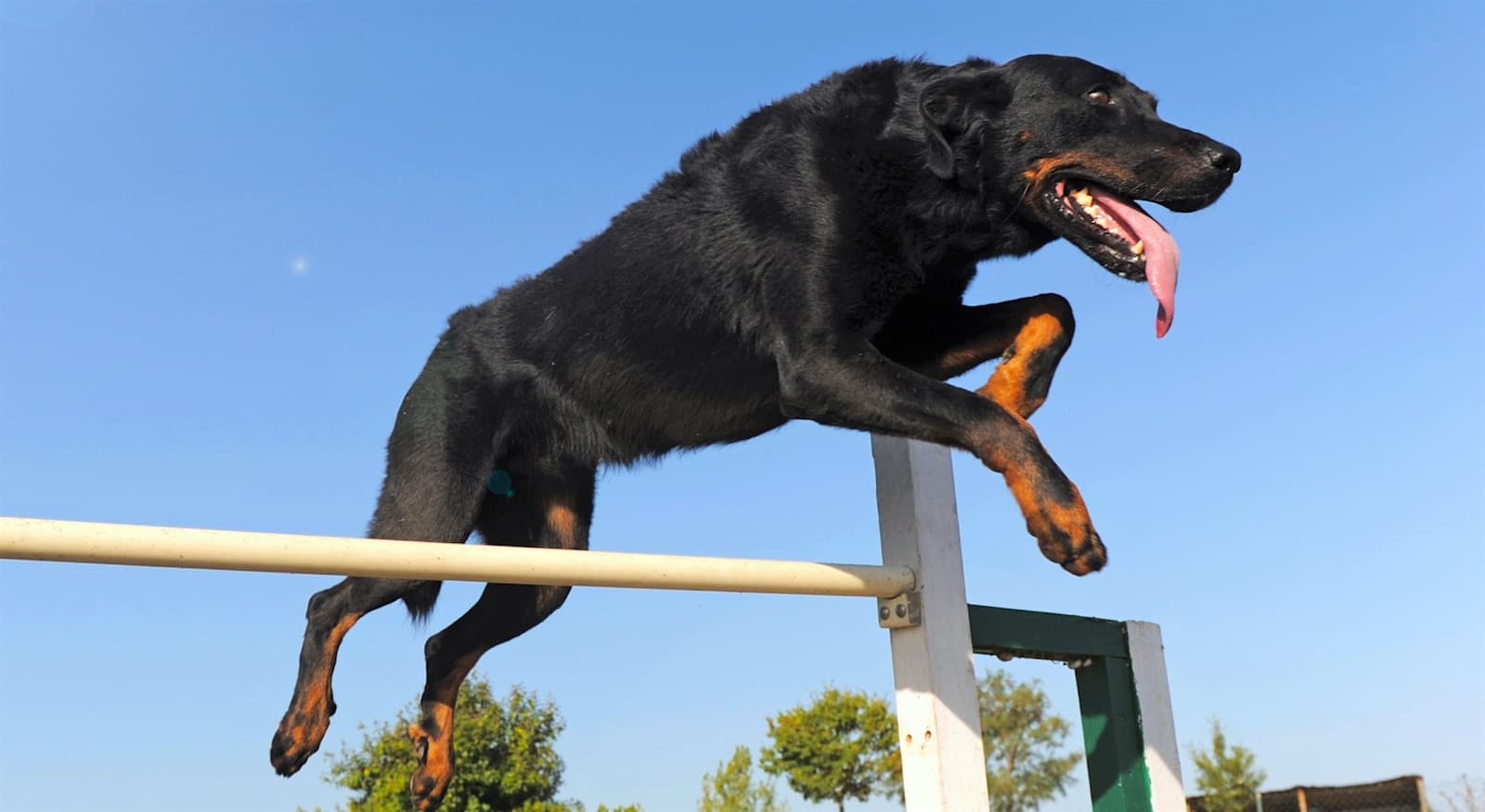
Old working dogs developed in France, Beaucerons have a black nose; dark brown, slightly oval-shaped eyes; ears, either cropped or natural, that are set high on the head; and a fringed tail covered with hair that usually hangs down to form a J (ear cropping and tail docking for non-working dogs are illegal in some countries).
The double coat is short. The top coat is harsh while the undercoat is smooth.
Coat colors include shades of black and tan. Blue-gray patches (harlequin) are sometimes present in addition to the black and tan coat.
Where They Came From
A Renaissance manuscript dating to 1578 is thought to be the oldest record of the breed.
The dogs appeared over the following few centuries until Pierre Megnin separated the herding breed into 2 groups in 1863. The dogs with long coats later became known as the Berger de Brie (Briard), and the ones with shorter coats became known as the Berger de Beauce (Beauceron).
The first Shepherd Dog club was formed in 1897. Shortly after the breed standard and name were decided and accepted in 1889, a breed club was started specifically for the Beauceron in 1911.
The American Kennel Club recognized the breed in 2007.

How Friendly Are They?
The Beauceron has long been recognized for being gentle, obedient, faithful, brave and fearless.
They have a tireless work ethic and are happiest when they have a job to do. They are eager-to-please and smart dogs, making them easy to train for a firm, consistent leader. They are loyal and protective of their family members.
The breed makes a good watchdog because they are alert to their surroundings and are quick to identify potential danger. They may attempt to herd people but enjoy the company of older children -- their size and energy may cause them to knock children over accidentally.
They are good with dogs and cats but should be socialized at an early age.
Some may chase after cats unless they have been raised and socialized with them when they were young.
Beaucerons can become disobedient and destructive without physical and mental exercise. They can also be reserved with strangers but are never mean.
Is This the Right Dog for You?
Exercise Needs
HIGH: Beaucerons need a lot of exercise to expel energy. They do best with work or an assigned task to perform.
Daily walks and play are required, and they should be allowed to run freely in a secure area. Apartment living is fine because Beaucerons are active indoors, but they will still need daily outdoor exercise. A large yard is preferable.
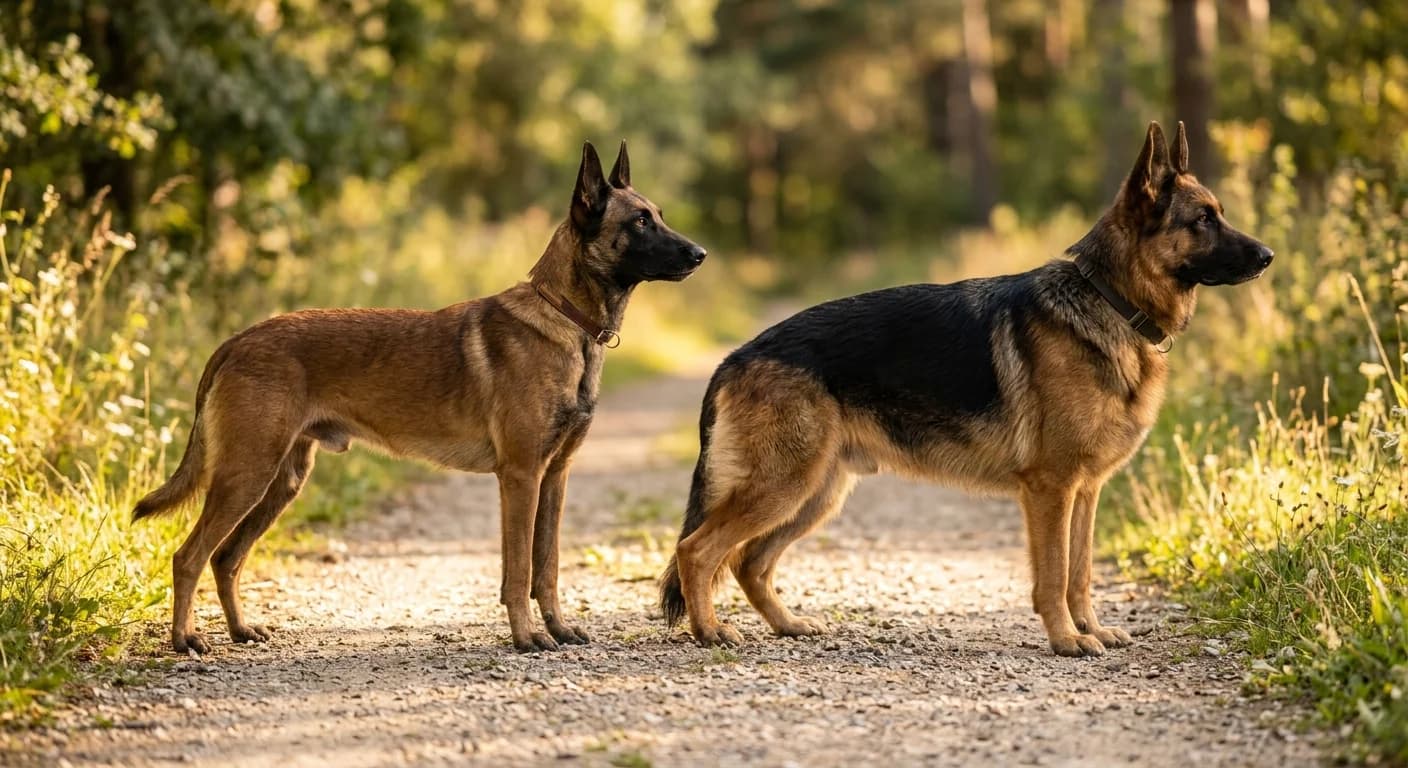
People who don't have much indoor and outdoor space are recommended to add a female Beauceron to their family. The males can be dominant and difficult to handle at maturity.
Grooming Needs
MEDIUM: The coat sheds an average amount and is easy to maintain, although additional grooming may be required during periods of heavier shedding. Outdoor working dogs should be checked regularly for debris and insects.
Regular maintenance of the nails, ears and teeth is highly recommended to ensure good overall health.
Health Problems
LOW: The only notable health problems for the Beauceron include hip issues (dysplasia) and gastric torsion (bloat). Less common ailments include allergies and dermatomyositis. Watch this Beauceron's fancy workout moves:
Where to Adopt One
Start here to look for a Beauceron near you. Because they are strong working dogs not normally in high demand in the United States, they may be difficult to find.
If you decide to go through a breeder, make sure their practices are reputable and ask for health clearances for the eyes, hips and heart for adult dogs or the parents of a puppy.
Related Dog Breed Profiles You May Like
- Bergamasco Breed Profile: Essential Facts
- Black Russian Terrier Breed Profile: Essential Facts
- Boerboel Breed Profile: Essential Facts
- Borzoi Breed Profile: Essential Facts
- Boston Terrier Breed Profile: Essential Facts
Frequently Asked Questions (FAQ)
Yes, Beaucerons can be great family dogs for experienced owners. They are intelligent, loyal, and protective, but they require consistent training, socialization, and plenty of exercise.
No, Beaucerons and Dobermans are different breeds. Beaucerons are an older French herding breed, while Dobermans were developed later using multiple breeds, including the Beauceron.
In some areas, Beaucerons may be restricted due to their guarding instincts and strong-willed nature, though they are not as commonly regulated as Dobermans or other protection breeds.
Beaucerons require extensive training, socialization, and exercise. They can be stubborn, strong-willed, and protective, making them unsuitable for first-time dog owners.
Beaucerons are prone to hip dysplasia, bloat (gastric torsion), and progressive retinal atrophy (PRA), which can lead to vision loss.
A Beauceron puppy typically costs between $1,500 and $3,500, depending on the breeder, lineage, and location. Additional costs include training, food, and healthcare.
Additional Resources
- American Kennel Club's Beauceron page
- The American Beauceron Club
- Beauceron Club UK (United Kingdom)

Kristine Lacoste has been researching dog and cat breeds for nearly a decade and has observed the animals up close at dog shows in both the United States and the United Kingdom. She is the author of the book One Unforgettable Journey, which was named as a finalist for a Maxwell Award from the Dog Writers Association of America, and was host of a weekly pet news segment on the National K-9 Academy Radio Show. In addition, she was the New Orleans coordinator for Dogs on Deployment, a nonprofit that helps military members and their pets, for 3 years. Kristine has researched and written about pet behaviors and care for many years. She holds a bachelor’s degree in psychology, another bachelor’s degree in English and a Master of Business Administration degree.
Sign up for expert-backed reviews and safety alerts all in one place.