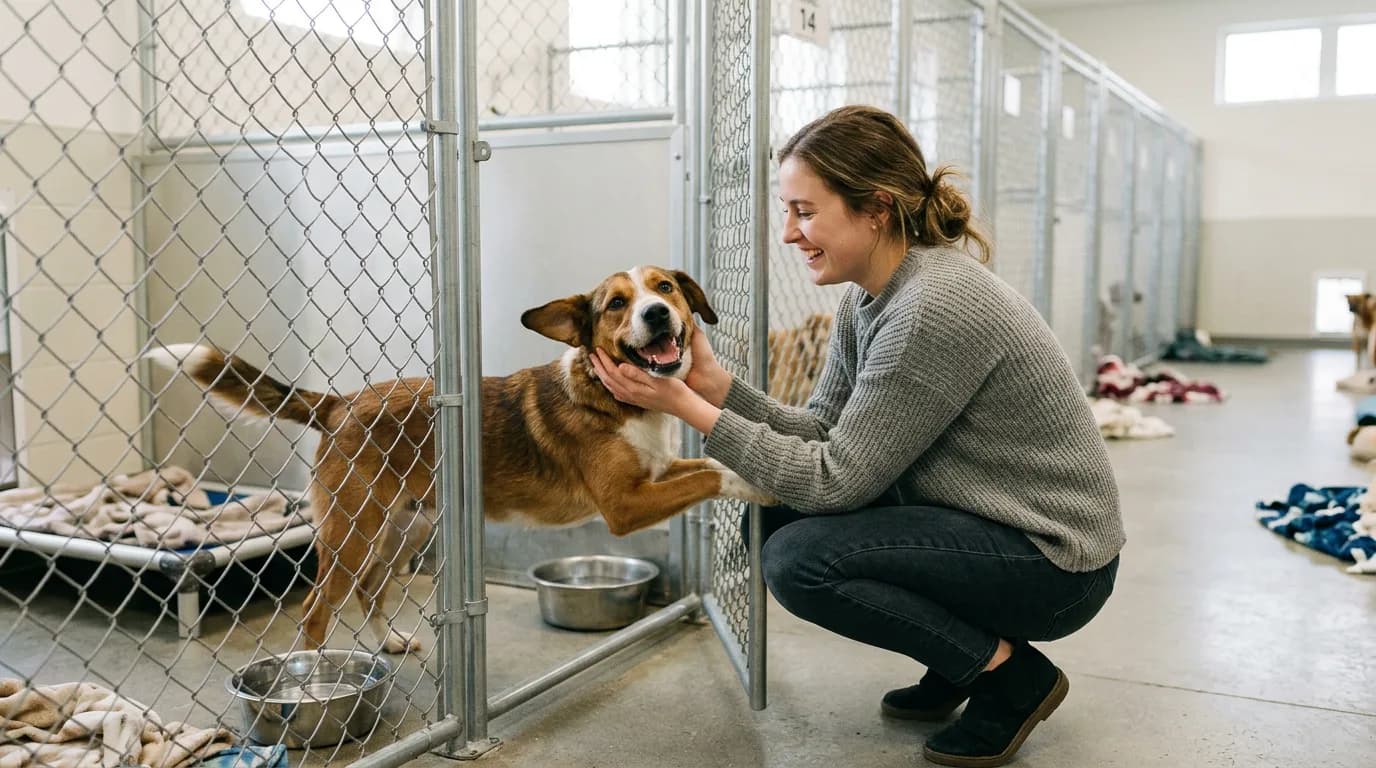
Adopting a Pet: Essential Tips, Checklist and First 30 Days
Adopting a pet is easier when you plan before the ride home. Use this checklist for costs, shelter questions, pet-proofing, the first night and first 30 days.
Petful is reader supported. As an affiliate of platforms like Amazon and Chewy, we may earn a commission when you buy through links on this page. There is no extra cost to you.
Adopting a pet is exciting, but the best adoptions start before the ride home. A good plan covers time, budget, household agreement, shelter questions, pet-proofing, supplies and a quiet first few weeks while your new pet decompresses.
This refresh adds the modern adoption questions people search for most: the 3-3-3 rule, red flags, first-night setup, first 30 days, what to ask the shelter and how to choose a pet who fits your life.
- 1Choose the pet who fits your home, schedule and budget, not just the pet who photographs best.
- 2Ask the shelter or rescue about medical history, behavior notes, handling, other pets and return support.
- 3Use the 3-3-3 rule as a loose decompression guide, not a guarantee.
- 4Prepare a safe zone, ID, vet appointment, supplies and a slow introduction plan before adoption day.

Sign up for expert-backed reviews and safety alerts all in one place.
Essential Pet Adoption Tips to Consider
As we start the new year, many of us are thinking about how we can make a positive impact, and one meaningful way is by caring for homeless animals in our communities.
Adopting a new pet can be an exciting and rewarding experience, but it’s crucial to approach this decision thoughtfully. Here are some pet adoption tips to guide you:
- Consider Your Readiness: Before you bring a new pet into your home, ask yourself if you and your family are ready for the commitment. A pet requires time, attention, and care.

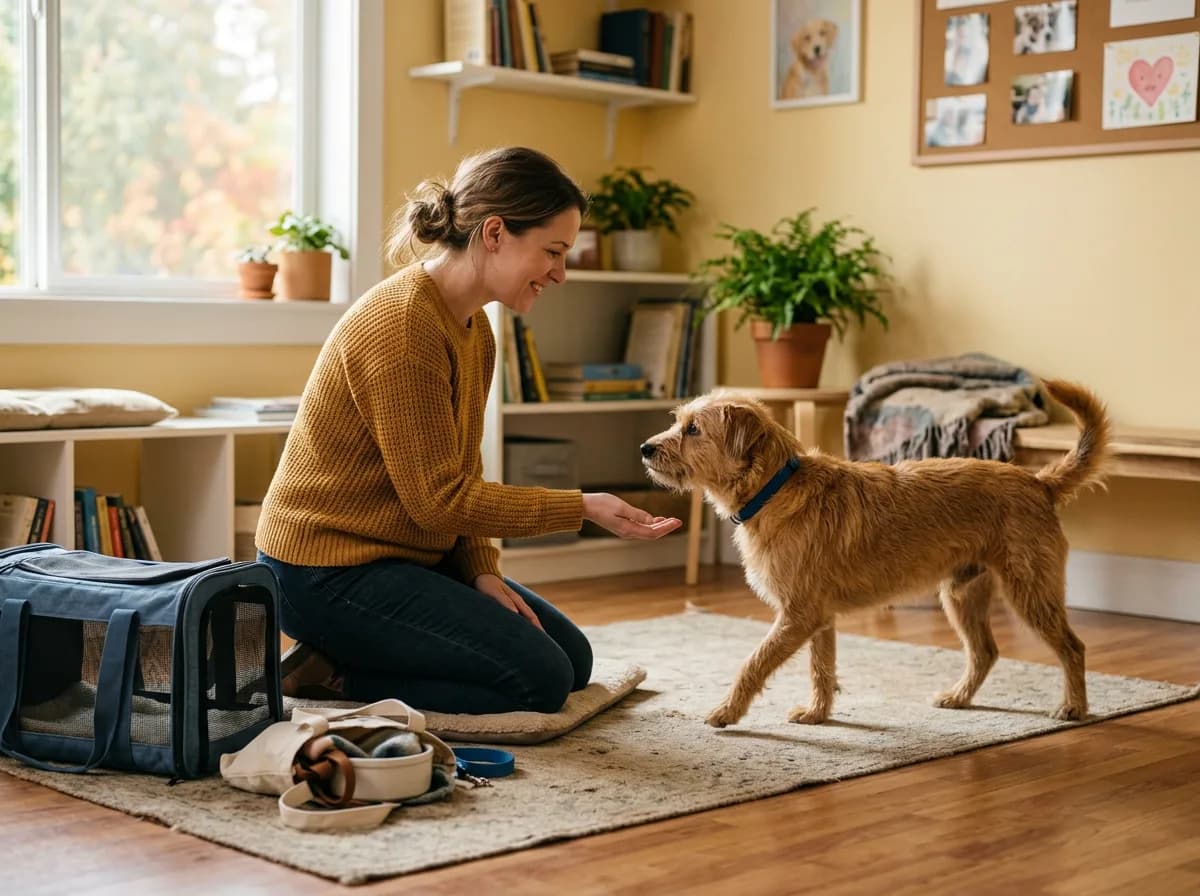
A soft carrier helps with the ride home and early vet visits for small pets.
Petful may earn a commission when you click through to Chewy, at no extra cost to you.
- Prepare Your Home: Ensure your living space is suitable for a new pet. Consider whether you have the necessary resources and environment to meet the pet’s needs.
By considering these essential pet adoption tips, you can make an informed decision that benefits both you and the pet you’re welcoming into your home.
Do I Have Time to Care for a New Pet?
Adopting a new pet is a serious time commitment, and it’s crucial to consider whether you or someone in your household has the time to properly care for the new addition. Pet adoption tips often emphasize the importance of understanding the daily demands of a pet.
Depending on the type of animal you're interested in adopting, the new pet may need:
- To be taken for walks (learn more about exercises for dogs)
- To be let outside to pee or poop
- To be fed at certain times of the day
- Someone to maintain her cage or litter box
- A healthy amount of companionship
Take a hard look at your family's daily schedule and assess how a new pet would fit into that routine.
Can I Afford to Adopt a New Pet?

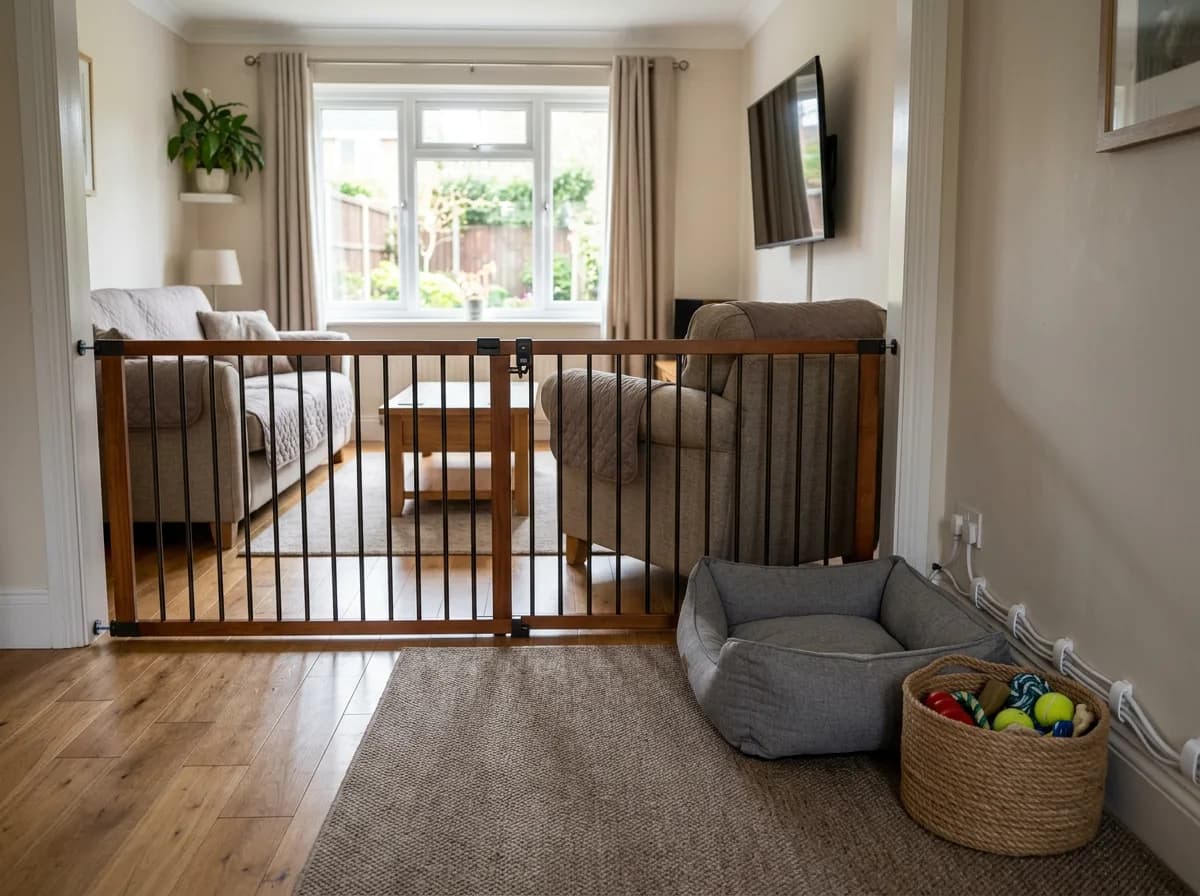
A configurable gate or pen can create a safe decompression zone.
Petful may earn a commission when you click through to Chewy, at no extra cost to you.
It's tempting to think that you can afford a new pet simply because you can swing the adoption fee. But there are other costs to consider.
Here are just some of the things you can expect to pay for:
- Routine vet visits and shots are necessary for keeping your pet healthy and should be factored into your budget.
- If you rent a home or an apartment, a pet deposit or rental fee may be required.
- Dental procedures can be costly and may be necessary as your pet ages.
- Food and treats are ongoing expenses that add up over time.
- If you travel, boarding or pet sitter fees will be an additional cost to consider.
- Medications for when your pet is ill can be expensive, and you should be prepared for these costs.
- Any other medical emergencies that may arise can put a strain on your finances, so it’s essential to be prepared for potential other costs.
Make sure you have room in your budget for incidental and routine expenses to keep your new pet healthy.

Is My Home Right for a New Pet?

Unscented grooming wipes are useful for quick cleanup after shelter or travel days.
Petful may earn a commission when you click through to Chewy, at no extra cost to you.
When considering pet adoption, it’s essential to evaluate if your home is the right fit for a new pet. Here are some key points to consider:
- Landlord Restrictions: Does your landlord have breed restrictions on the types of animals you can adopt? It's important to find this out before the fact rather than afterward to avoid a messy situation. (Learn more about apartment pet restrictions)
- Space Considerations: If you live in an apartment, it's probably not wise to adopt a large dog who needs room to roam and run. Smaller living spaces are better suited for pets with lower space requirements.
- Unique Needs of the Pet: All animals have their own unique natures, needs, and physical attributes. Ensure your home is a welcoming place that can handle the logistical needs of a new pet.
By addressing these factors, you can better determine if your home is right for a new pet.
Are My Kids/Roommates Ready for a New Pet?
If you've got kids or roommates, they need to be prepared to welcome a pet into their home. It's important to consider a few key questions:
- Responsibilities: Will you expect your roommate to care for the pet when you're on vacation? If so, it’s crucial to discuss this beforehand to avoid any misunderstandings. Read more about taking care of a pet when you have roommates.
- Daily Care: Do you want your kids to feed the new furbaby each day? Assigning specific tasks helps ensure everyone knows their role in caring for the pet.
- Health Considerations: Are there any allergies you need to keep in mind? Certain pets might not be suitable if anyone in the household has allergies. Explore dog breeds suitable for people with asthma and allergies.
Even if roommates or kids are not in charge of caring for the new pet, making your expectations clear to your housemates before the pet is brought home is a great idea. This ensures everyone is on the same page and the transition is smoother for both the pet and the household.
This rescue center helps rehabilitate dogs so they can find their forever home:
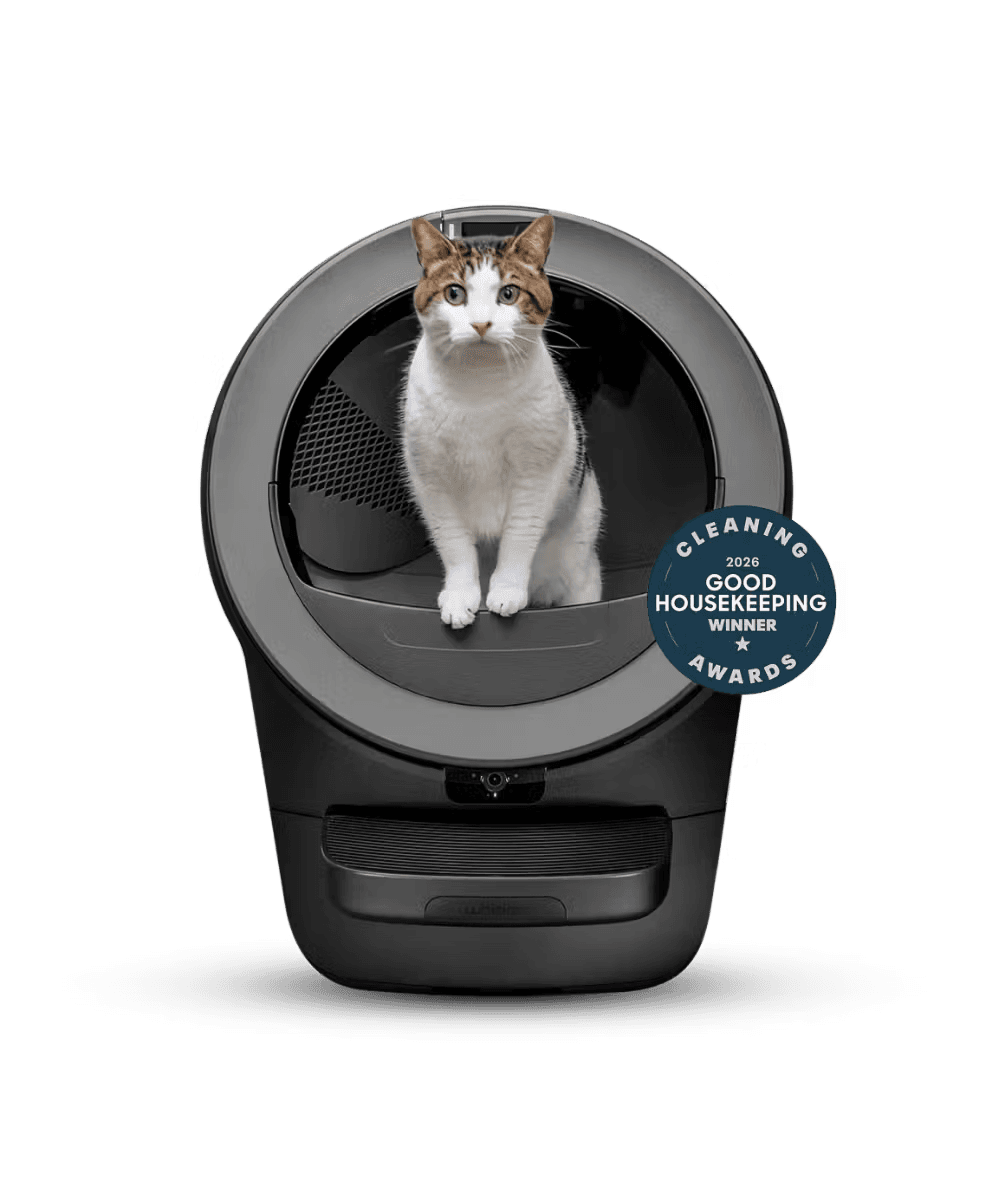
A premium litter setup may fit cat adopters planning long-term box maintenance.
Petful may earn a commission when you click through to Whisker, at no extra cost to you.
Do I Have the Basic Supplies to Care for a New Pet?
Before you bring your new pet home, it's essential to ensure you have the basic supplies to make her feel comfortable and safe. Here are some of the key items you’ll need: A comfy, warm, and safe place to sleep
- A place to easily access food and water (learn more about proper hydration for pets)
- What she needs for walks (if walks are in order)
- A safe yard to explore (if she goes outside)
- A fun toy or object to play with
While you’ll figure out your new pet's preferences later, having the basics covered will make your home a welcoming place for your new friend. Check out more tips on bringing a new pet home.
Adopting a pet is one of the most rewarding things you can do, but it's important to approach it with a clear head and a solid care plan. Having a pet is a long-term commitment, so once you, your home, and your housemates are ready to welcome the new bundle of fur home, get ready for a fun, loving, and gratifying adventure!

Adoption checklist before you apply
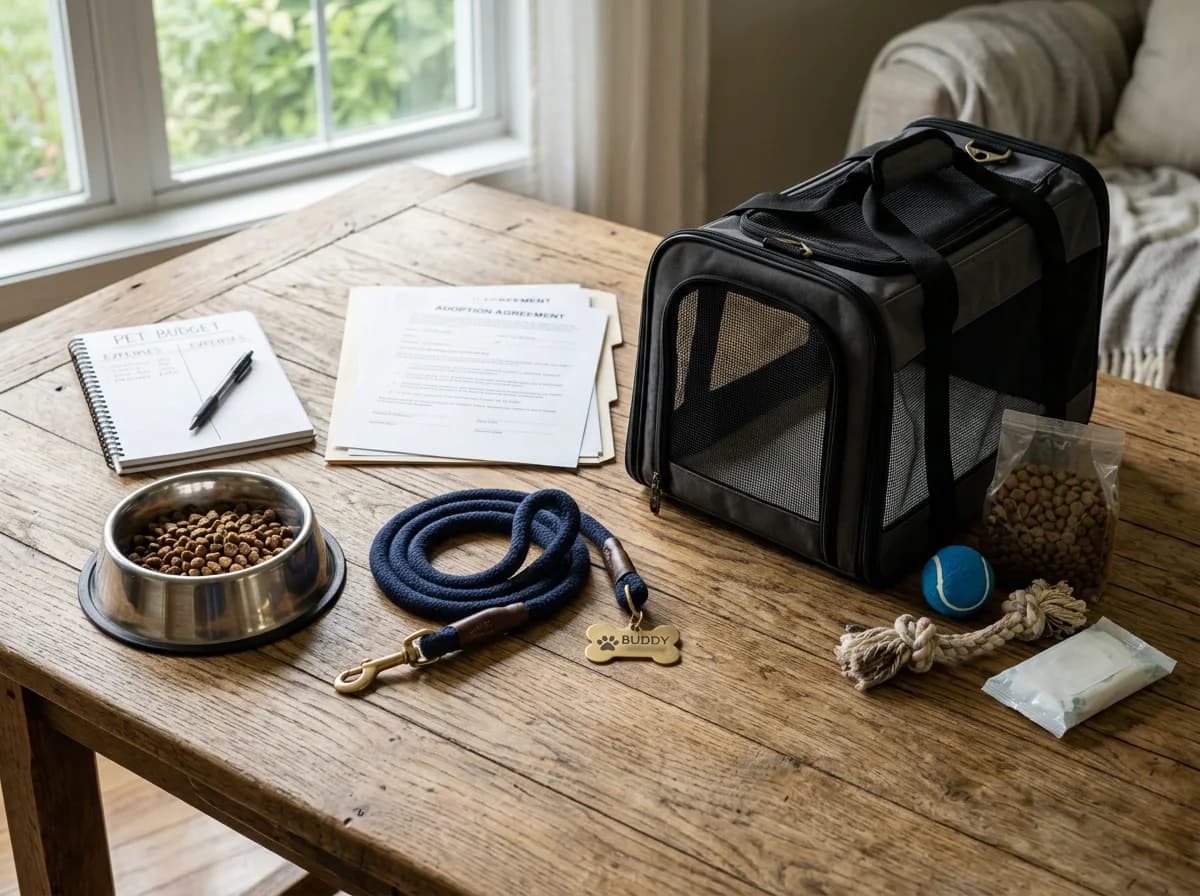
Write down who will feed, walk, clean, train and pay for care. Confirm your lease, yard, travel schedule, work hours and existing pets. If the pet will live with children or roommates, everyone should agree on rules before the animal arrives.
For the ride home and early vet visits, a secure airline-approved pet carrier can reduce stress for cats and small dogs. Larger dogs need a safe leash, harness and vehicle restraint plan.
Questions to ask the shelter or rescue
Ask why the pet is available, what medical care has been done, what behavior has been observed, whether the pet has lived with children or other animals, how the pet handles touch, food, confinement and walks, and what support is available after adoption. Honest answers are more useful than perfect ones.
Red flags include pressure to decide immediately, vague medical records, refusal to discuss behavior, no return policy, no spay or neuter plan where appropriate, or a pet being described with euphemisms instead of clear behavior notes.
What is the 3-3-3 rule?
The 3-3-3 rule says many adopted pets need about 3 days to decompress, 3 weeks to learn the routine and 3 months to feel truly settled. It is a helpful expectation-setting tool, not a stopwatch. Some pets relax faster, while fearful or undersocialized pets need more time and professional support.
A configurable pet gate or playpen can help create a safe zone so a new pet is not overwhelmed by the entire home on day one.
First night and first 30 days
Keep the first night quiet. Give your new pet a safe sleeping area, water, a predictable potty plan and minimal visitors. A new dog may sleep in a crate, pen or dog-proofed room near you if that is where they settle safely. A new cat often does best in one quiet room with litter, food, water and hiding options.
Use the first month to observe rather than test every limit. Track appetite, stool, sleep, hiding, barking, scratching, litter box habits and reactions to visitors. Schedule the first vet visit, update ID information and introduce new rooms gradually so small problems are noticed before they become overwhelming.
Early messes are normal after stress and travel. Unscented pet grooming wipes can help with quick cleanup, while cat adopters may also compare long-term litter options such as the Whisker Litter-Robot.
Choosing the right pet, not just a cute pet
A great adoption match considers energy level, grooming, noise, prey drive and medical needs, plus the household's real schedule. Puppies and kittens are not automatically easier. Senior pets, bonded pairs and shy animals can be wonderful when the home is prepared for their needs.
How to choose the right adopted pet for your lifestyle
The strongest pet adoption tip is also the least flashy: choose the pet who fits the life you actually live. The broader pet adoption process should start with your schedule, home and budget, not only the pet's photo. A runner with a fenced yard may be a great match for an adolescent dog who needs daily exercise. A quiet apartment, long workdays or mobility limits may point toward an adult cat, a senior dog, a bonded pair with known manners or a smaller pet whose care requirements are clear. Energy level, noise tolerance, grooming, medical needs and alone-time tolerance matter more than a cute photo.
Ask the shelter or rescue to describe the pet on an ordinary day, not just during a meet-and-greet. Does the dog recover after excitement? Does the cat hide, approach, swat or freeze? Has the pet been around children, stairs, crates, other dogs, cats or visitors? The goal is not to find a perfect animal. The goal is to find a pet whose needs you can meet without resenting the work.
Be especially honest about time. Puppies and kittens need frequent supervision, training, cleanup and socialization. A fearful adult may need a slow decompression plan. A senior pet may need more veterinary budgeting but less chaos. The right match often feels less dramatic at the shelter and much easier six months later.
Green flags and red flags when adopting from a shelter or rescue
Green flags include clear medical records, a written adoption contract, realistic behavior notes, a spay or neuter plan where appropriate, vaccination and parasite history, a return policy, and staff who ask thoughtful questions about your household. Good organizations want the adoption to last, so they will not only sell the happy parts.
Red flags include pressure to decide immediately, vague phrases that hide behavior issues, no willingness to discuss bites or resource guarding, no medical paperwork, no support after adoption, or a rescue that will not explain its fees. Petful's guide to why adoption applications get denied can also help you understand what responsible organizations are screening for. A pet can still be adoptable with health or behavior needs, but you should know what you are agreeing to before the ride home.
If you are adopting a dog, ask what the dog looks like on leash, around food, when handled, when left alone and around other dogs. If you are adopting a cat, ask about litter box history, hiding, handling, scratching, appetite and prior household stress. For rabbits, birds, reptiles or small mammals, ask about species-specific housing, diet and veterinary access before assuming the setup will be simple.
Pet adoption costs to plan for before you apply
The adoption fee is usually the smallest part of the first-year budget, and there are good reasons pet adoption fees exist. Plan for an initial veterinary exam, vaccines or boosters, parasite prevention, food, litter, bedding, grooming tools, ID tags, microchip registration, training support, pet deposits, insurance or emergency savings. A free pet is not a free responsibility.
Costs also change by species and life stage. Large dogs eat more, need larger crates and may have higher medication costs. Long-haired cats and dogs need coat care. Senior pets may need dental work, bloodwork or medication. Kittens and puppies may need more supplies because they grow, chew, climb and make mistakes.
A practical adoption checklist includes a monthly care budget and an emergency plan. Decide ahead of time what you can afford if the pet gets sick, needs behavior help or cannot be left alone as soon as expected. That preparation protects the pet and keeps a normal adjustment period from turning into a crisis.
How the 3-3-3 rule should shape your first month
The 3-3-3 rule is useful because it keeps expectations realistic: many pets spend the first 3 days decompressing, the first 3 weeks learning the routine and the first 3 months settling into the home. It is not a guarantee. Some pets are social on day one. Others need far more time because of fear, pain, age, prior instability or lack of socialization.
In the first 3 days, shrink the world. Use one quiet room for a cat, a predictable potty route for a dog and limited visitors for any pet. In the first 3 weeks, build routines: feeding, potty breaks, litter cleaning, quiet time, training, play and rest. By 3 months, patterns are clearer, which makes it easier to decide whether you need a trainer, veterinarian, behavior consultant or a different management setup.
Do not use the first week to test everything. Avoid dog parks, big parties, forced child interactions, free roaming in every room and sudden introductions to resident pets. Safety and trust come first; adventures can wait.
First-night setup for dogs, cats and small pets
A newly adopted dog needs a safe sleeping area, water, a potty plan and a way to rest without being crowded. Some dogs settle in a crate near the bedroom, while others do better in a gated dog-proofed room. A new cat usually does best in a quiet starter room with food, water, litter, hiding spaces, scratching options and no pressure to be social.
Small pets need even more setup before arrival because the wrong cage, heat, humidity, bedding or diet can cause immediate welfare problems. Confirm the enclosure, food, water, hiding areas and safe handling rules before the pet comes home. Children should know that watching quietly is part of care, not a punishment.
The first night is a time for observation. Track appetite, drinking, elimination, coughing, vomiting, scratching, hiding, pacing, barking or litter box avoidance. Mild stress is common. Severe distress, pain, repeated vomiting, breathing trouble or inability to urinate needs urgent veterinary guidance.
A first-30-days adoption checklist
Week 1: keep routines simple, schedule the first veterinary visit, update the microchip, confirm parasite prevention, learn normal appetite and bathroom habits, and give the pet a quiet place to retreat. Reward calm behavior and avoid overwhelming social plans.
Week 2: start short training sessions, practice handling for grooming or vet care, build independence in tiny steps and slowly expand the pet's access to the home. If there are resident pets, keep introductions controlled and separated by barriers until everyone is relaxed.
Weeks 3 and 4: review what is improving and what is not. Pull together behavior notes, medical questions and household friction points. If you adopted from a shelter, keep the practical guidance in Petful's shelter dog adoption guide close during this adjustment period. Many adoption returns happen when people wait too long to ask for help, so contact the shelter, veterinarian, trainer or rescue before the problem feels impossible.
If the pet is not settling by the end of the first month, look for patterns instead of blaming the animal. Is the hardest moment mealtime, departures, bedtime, visitors, litter box use, leash walks or handling? A simple log helps the shelter, rescue, veterinarian or trainer give specific advice, and it protects the adoption from becoming an emotional guesswork problem.
Frequently Asked Questions
The 3-3-3 rule is a rough decompression guide: 3 days to settle, 3 weeks to learn routines and 3 months to feel at home. It varies by pet.
Know your budget, schedule, housing rules, existing pet dynamics, grooming tolerance and training capacity. Ask the shelter about medical history, behavior and post-adoption support.
A new dog should sleep in a secure, quiet area near enough for reassurance but safe enough to prevent chewing, escapes or accidents. A crate, pen or dog-proofed room can work when introduced calmly.
Red flags include unclear medical records, pressure to take the dog immediately, vague behavior descriptions, no return support and behavior issues that your household is not equipped to manage.

Coreen Saito is a pet writer and longtime shelter volunteer with more than a decade in animal rescue. She covers cat behavior, breed care, and the small, ordinary science of sharing a life with companion animals, with a particular focus on honest takes about the products and decisions that actually matter. At home in Arizona, she's outranked by Mac (a dog with the loudest opinion in the house), Rebel (a cat who governs by quiet authority), and Meri (an orange tabby who runs the late shift and the laundry basket). She writes about all three, plus the rescues that keep coming through her life, at LifeWithMinty.com.
Sign up for expert-backed reviews and safety alerts all in one place.