Understanding Cat Kidney Failure: Symptoms, Treatment, and Comfort Tips
Learn about cat kidney failure symptoms, how to make a cat with kidney failure comfortable, and signs your cat is dying of kidney failure.

Veterinarian


This pet health content was reviewed for accuracy by a veterinarian, Dr. Pippa Elliott, BVMS, MRCVS. It was last reviewed and updated on June 10, 2024

Sign up for expert-backed reviews and safety alerts all in one place.
Prevalence of Cat Kidney Failure and the Importance of Early Detection
How many cats will have kidney disease during their lifetimes? The answer is 1 in 3, and cats aged 15 or older have a 1 in 2 chance of suffering from kidney disease.
It’s easy to get depressed about your cat succumbing to kidney problems, but this shouldn’t be the case. In fact, when kidney disease is detected early, there’s every chance that appropriate management will help your cat live for many more years.
Early detection methods include regular veterinary check-ups, blood tests, and observing symptoms like increased thirst and urination. By catching the disease early, you can implement dietary changes and treatments that significantly improve your cat's quality of life.
Symptoms of Cat Kidney Failure
The trick is to find out early if there’s a problem and then take control.
Think of this as being like the doctor monitoring your blood cholesterol levels. If your doctor spots a rise, you can change your diet or start statins and drastically reduce the risk of complications.
If your cat ever exhibits any of these symptoms, you'll know to get veterinary help immediately.
Drinking much more water than usual.
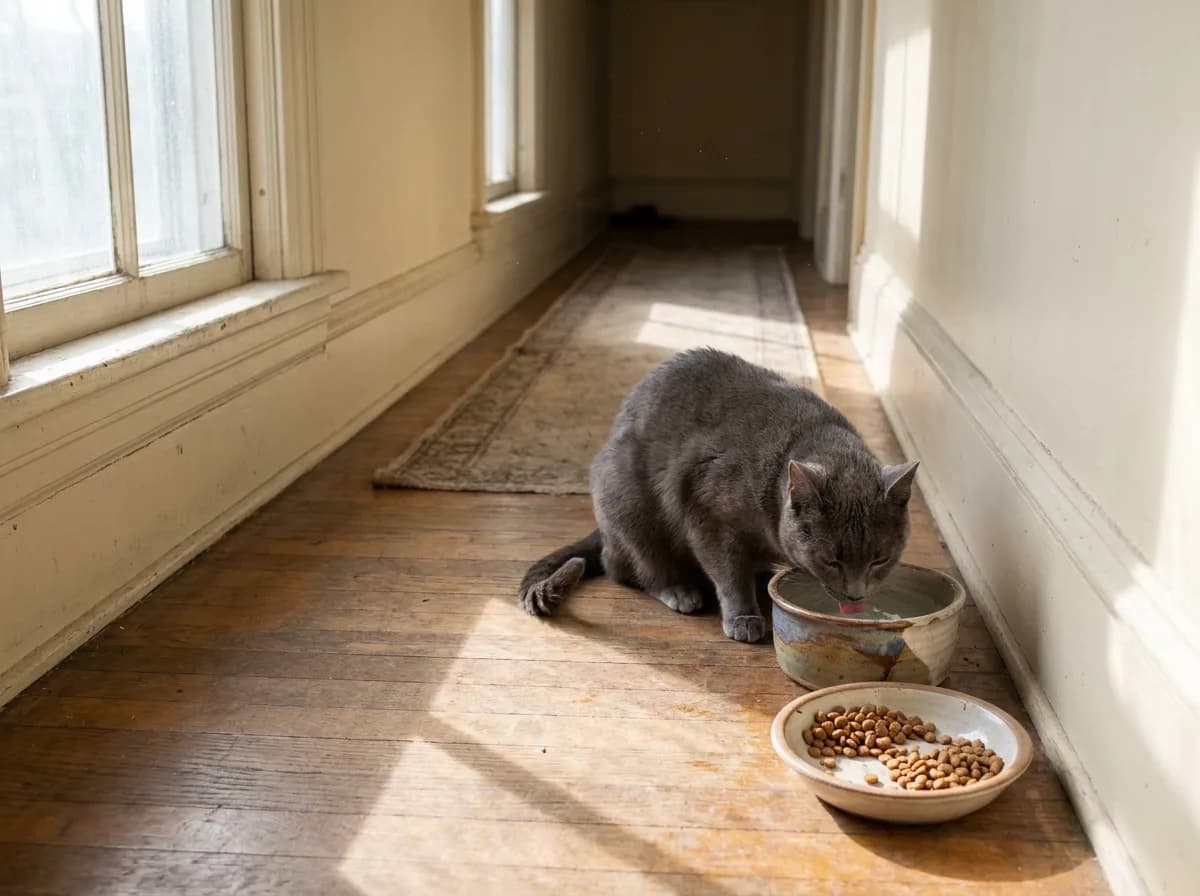
This is the first symptom most people notice, and it can be mistaken for thinking the cat is too warm or a little stressed because of a move or the inclusion of another pet in the family. If your cat begins to drink excessively, it is a problematic sign. Contact your trusted vet for an appointment.

 Sponsored
Have questions about your cat's urinary health?
Talk to a licensed vet at Dutch over video, often the same day. They can recommend treatment and prescribe it when it's appropriate.
Use code Pets60
Plans start at $12/month · covers up to 5 pets
- Licensed vets in most states
- Rx for 150+ conditions
- 4.7 on Trustpilot
Excessive urination.
This is the second most commonly noticed symptom. You'll notice this when you have to clean the litter box more frequently. With an increased intake of fluids, the cat will urinate often. Usually, by the time this symptom is noticed, 75% of the kidneys is not functioning.
Lack of appetite.
This is another possible symptom of your cat experiencing kidney failure.
Here's a quick list of some of the signs of kidney disease in a cat: Increased thirst Weight loss Bad breath Vomiting Poor coat condition Mouth ulcers

Causes of Cat Kidney Failure
Cat Kidney Failure can be caused by several factors, including:
- Age: Kidney disease is more common in older cats, with prevalence increasing significantly as cats age.
- Genetics: Certain breeds are more prone to kidney disease due to genetic factors. For example, polycystic kidney disease is common in Persian and exotic shorthair cats.
- Exposure to Toxins: Ingesting toxic substances such as antifreeze, certain plants, and medications can damage the kidneys.
- Infections: Bacterial infections, such as pyelonephritis, can lead to kidney damage if not treated promptly.
Preventing Cat Kidney Failure
To reduce the risk of cat kidney failure, consider the following preventive measures:
- Regular Vet Check-Ups: Regular veterinary check-ups can help detect early signs of kidney disease. Routine blood and urine tests are essential for monitoring kidney health.
- Healthy Diet: Feed your cat a balanced diet that supports kidney health. Prescription renal diets are specifically designed to reduce the workload on the kidneys.
- Avoid Exposure to Toxins: Keep harmful substances out of your cat's reach. Be cautious with household cleaners, medications, and plants that are toxic to cats.
- Hydration: Ensure your cat has access to fresh water at all times. Proper hydration is crucial for maintaining kidney function.
Congenital Cat Kidney Failure
Congenital kidney disease, present at birth, allows some kittens to lead normal lives for years before becoming sick. Various congenital issues can affect the kidney, such as problems with the blood supply (renal telangiectasia) or the kidney tissue itself (renal dysplasia). Common congenital kidney diseases include:
- Polycystic Kidney Disease (PKD): Often found in Persian and exotic shorthair cats, PKD results from inbreeding for specific breed characteristics.
- Amyloidosis: More common in Abyssinian, Siamese, and Oriental shorthair cats.
Genetic factors, maternal infections, or exposure to harmful chemicals during pregnancy can cause congenital kidney disease. Screening and responsible breeding practices are essential to reduce the risk of passing these conditions to future generations.

Existing Tests for Cat Kidney Failure
Detecting cat kidney failure can be challenging because current tests, like blood creatinine levels, only show abnormalities after significant kidney damage. Blood creatinine levels become abnormal only after 75% of kidney function is lost, meaning a cat could be operating on just half a kidney before detection.
However, a new blood test offers earlier detection, allowing for timely dietary changes and other interventions to protect the kidneys and delay further deterioration.
The New Test for Cat Kidney Failure
The new test, called symmetric dimethylarginine (SDMA), measures proteins released from damaged tissues. These proteins, typically filtered out by healthy kidneys, rise in the blood when 40% of kidney function is lost.
While 40% damage might seem significant, consider that living organ donors reduce their kidney function by 50% yet remain healthy. This early warning allows for protective measures, such as dietary adjustments, to significantly delay further kidney deterioration.
 Sponsored
Vet care that's always there
Unlimited video calls and messaging with licensed vets for less than a typical vet visit. One membership covers up to five pets.
Use code Pets60
Plans start at $12/month · covers up to 5 pets
- Licensed vets in most states
- Rx for 150+ conditions
- 4.7 on Trustpilot
Get Your Cat Tested for Kidney Problems
Ask your veterinarian about testing your cat for kidney problems. A simple blood draw, similar to any other blood test, can provide valuable information.
Testing is especially recommended for cats aged 8 or over, as this is when kidney issues often begin to appear. Traditionally, vets have relied on late-stage tests such as:
- Blood creatinine: Levels become abnormal only after 75% of kidney function is lost.
- Urine concentration: Urine weakens once 60% of kidney function is lost.
Diagnosis of Chronic Cat Kidney Failure
To diagnose chronic cat kidney failure, your vet will draw blood and collect urine from your cat for evaluation. In some cases, the cat may need to spend the night at the vet's office for observation.
Hearing a diagnosis of chronic renal failure is devastating for any pet owner, as it is a progressive and incurable disease. While some cats can live for months or even years without significant issues, others may succumb to the condition more quickly.

Treating Kidney Disease in Cats
The kidneys act as filters, removing naturally occurring toxins from the bloodstream. When kidneys are diseased, they struggle to cope, leading to a buildup of toxins in the blood. These toxins make the cat thirsty and unwell, creating a downward spiral of further kidney damage as the kidneys struggle with an increased workload.
Key to Protecting the Kidneys:
- Reduce their workload: This highlights the importance of prescription renal diets.
Examples of Prescription Renal Diets:
- Hills K/D
- Purina’s NF
- Royal Canin’s Renal Support foods
- These diets:
- Are low in minerals that cause scar tissue to develop.
- Contain high-quality protein in reduced quantities.
- Have "purer" proteins that, once digested, are lower in waste products, putting less strain on the kidneys.
Stages of Kidney Disease Management:
- Early Stages:
- Later Stages:
Early detection of kidney problems allows for timely intervention and better management, so there is no need to fear the diagnosis.
Frequently Asked Questions (FAQ)
To make a cat with kidney failure comfortable, provide a quiet environment, a prescription renal diet, fresh water, and consult your vet for appropriate medications and care routines.
Symptoms of a cat dying of kidney failure include severe lethargy, lack of appetite, significant weight loss, vomiting, diarrhea, bad breath, and unresponsiveness.
With proper treatment, a cat with kidney failure can live for several months to a few years.
Consider euthanasia for a cat with kidney failure when it consistently experiences severe pain, no longer eats or drinks, and its quality of life is significantly diminished.
Reference
- Small Animal Internal Medicine. Nelson & Couto. Publisher: Mosby.
Veterinarian
Over the past 10 years, the Petful® veterinary team of writers has included a number of experts, such as veterinarians Dr. Pippa Elliott, BVMS, MRCVS; Dr. Debora Lichtenberg, VMD; Dr. Phil Zeltzman, DVM, DACVS, CVJJ; and Dr. Judy Morgan, DVM, CVA, CVCP, CVFT; among others. Providing accurate, trustworthy information is our utmost concern, so all of our pet health content is regularly reviewed, updated and edited by veterinary professionals. Learn more about Petful.
Sign up for expert-backed reviews and safety alerts all in one place.